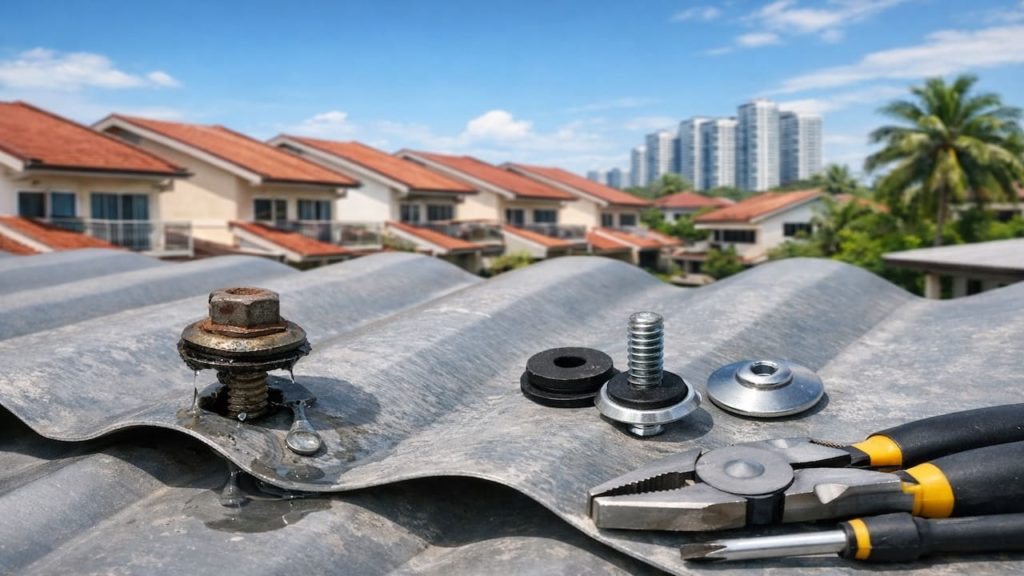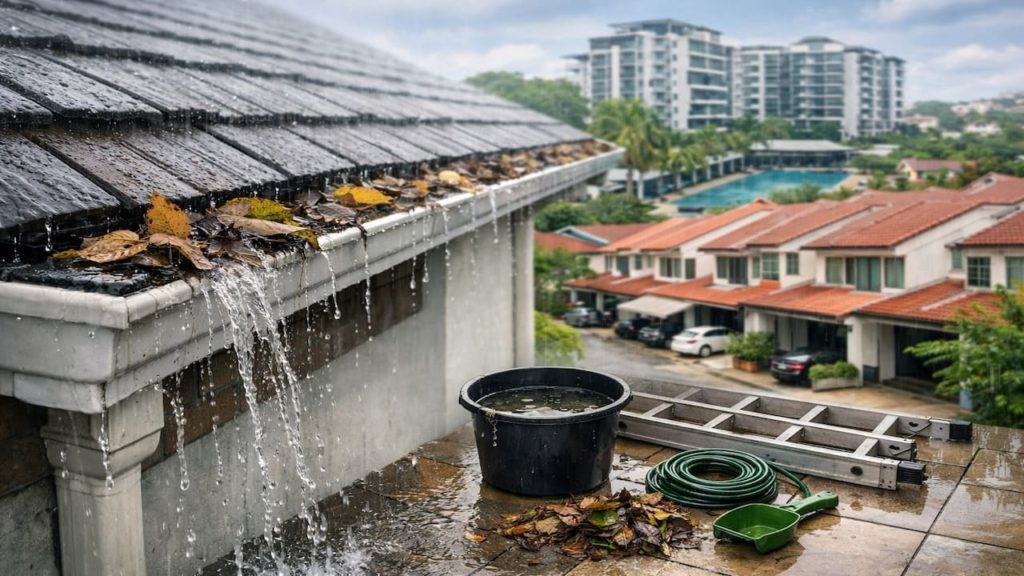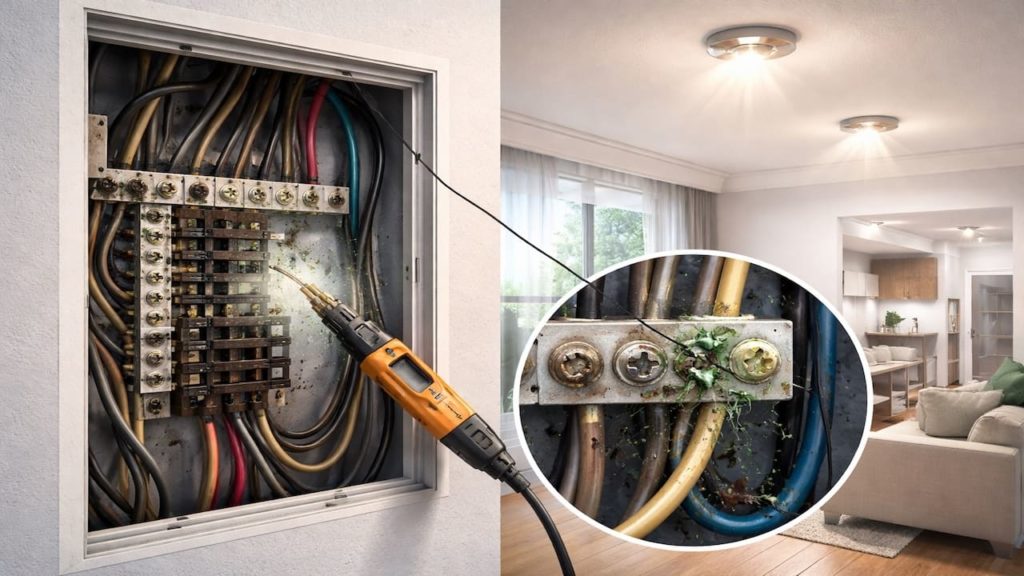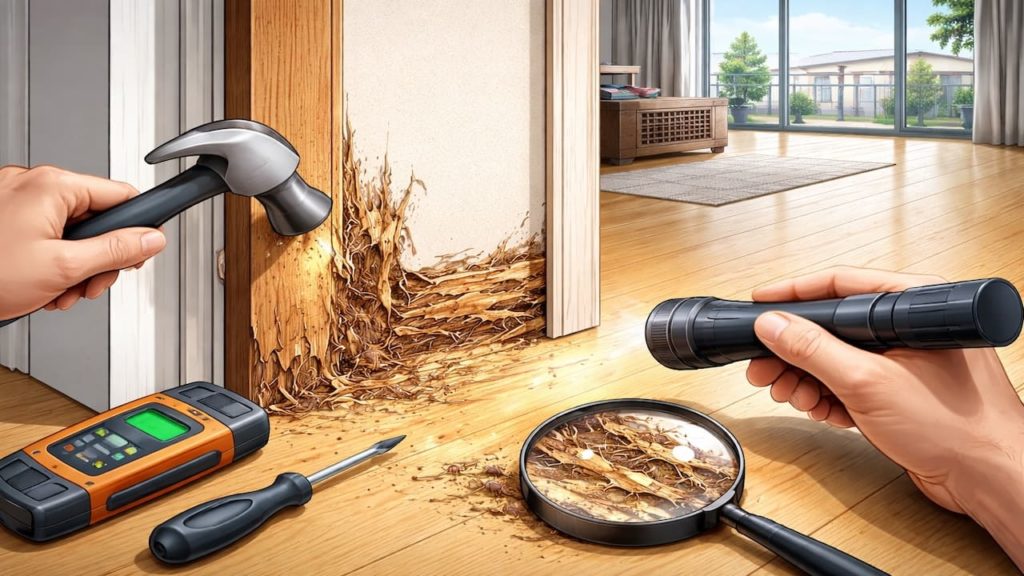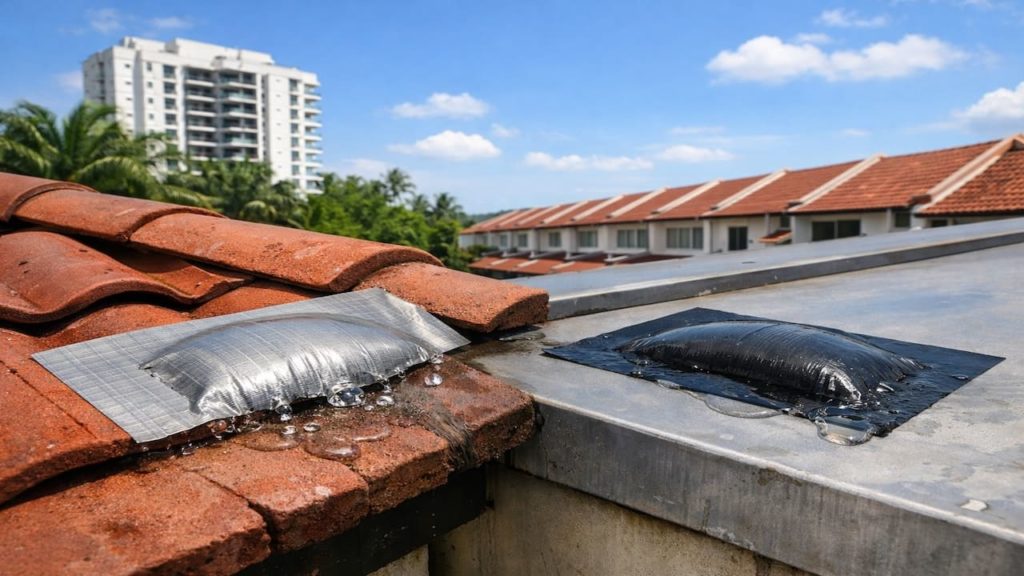
Using quick fix tape on a roof leak feels like relief, because you want the drip to stop tonight in Malaysia wet season heat.
But tropical sun, sudden rain, and humid air can turn a small patch into a bigger trapped-water problem, especially on terrace house edges and condo top floors.
In this guide, you’ll learn why leak tape often fails and makes damage worse and what to check first, so you can buy time safely while planning the real repair.

Hi, I’m Ken. I write practical home guides for Malaysia—no fluff, just what works.
I hold a formal building design qualification and have spent about 20 years on job sites across hundreds of projects. My goal is simple: help you avoid costly mistakes with clear, safe steps—a quick way to decide what to do next.
1. Roof leak quick fix tape: 5 mistakes
Tape fails when it hides the real entry point.
Malaysia roofs get hot, then cool fast in storms—so tape loses grip, edges lift, and water sneaks under the patch and spreads inside the ceiling void.
False comfort—real risk.
- Stick tape on wet dusty roof surface
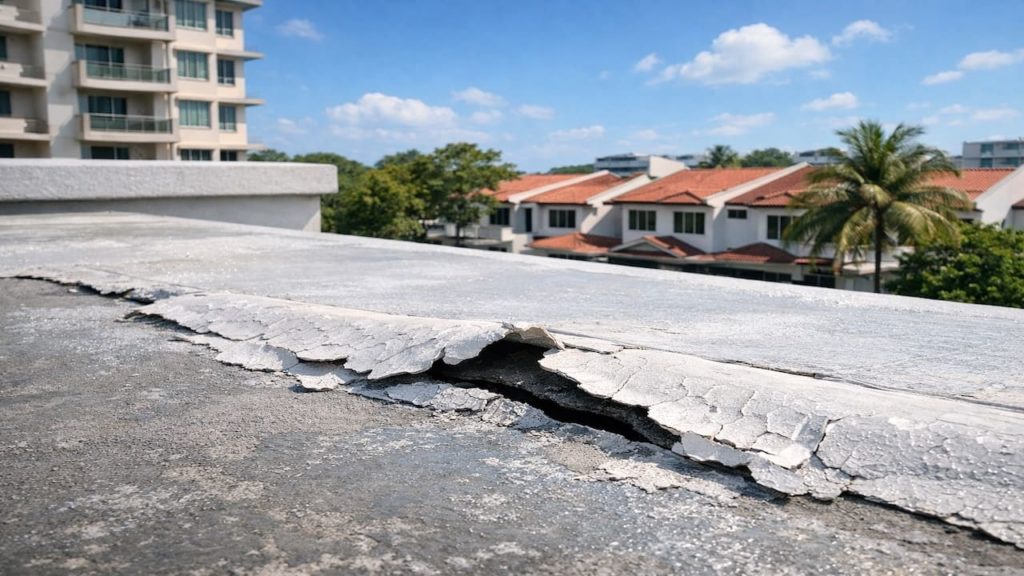
- Cover crack without cleaning loose old sealant
- Patch only the drip spot not entry point
- Overlap tape edges too short for wind
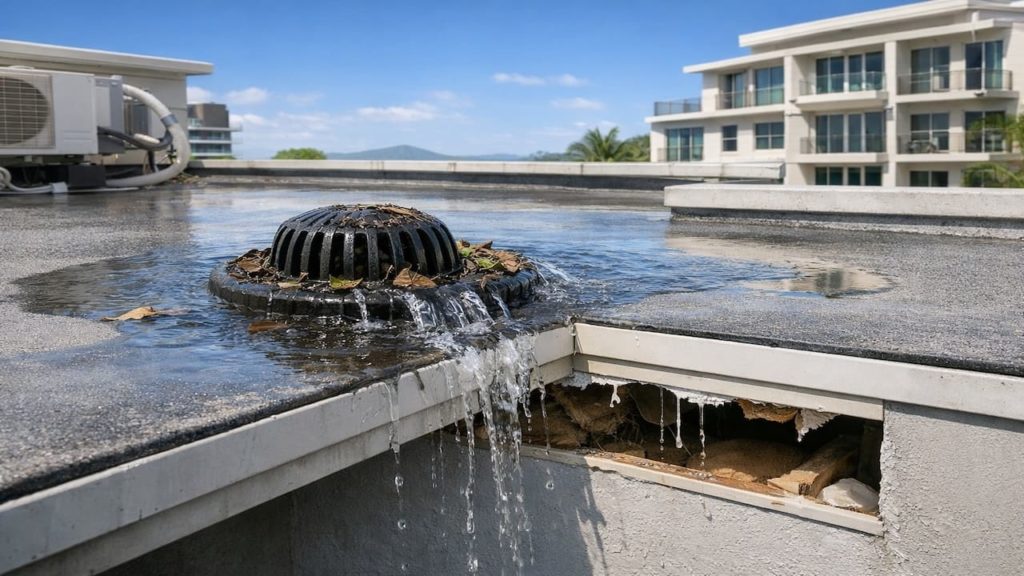
- Trap water under tape near parapet upturn
Some people say tape is fine because it stops the drip for a day and that feels like proof.
But a short pause can be trapped water shifting, so treat tape as a stopgap and keep hunting the entry point.
2. Temporary patches can trap water
Trapped water under tape rots ceilings fast.
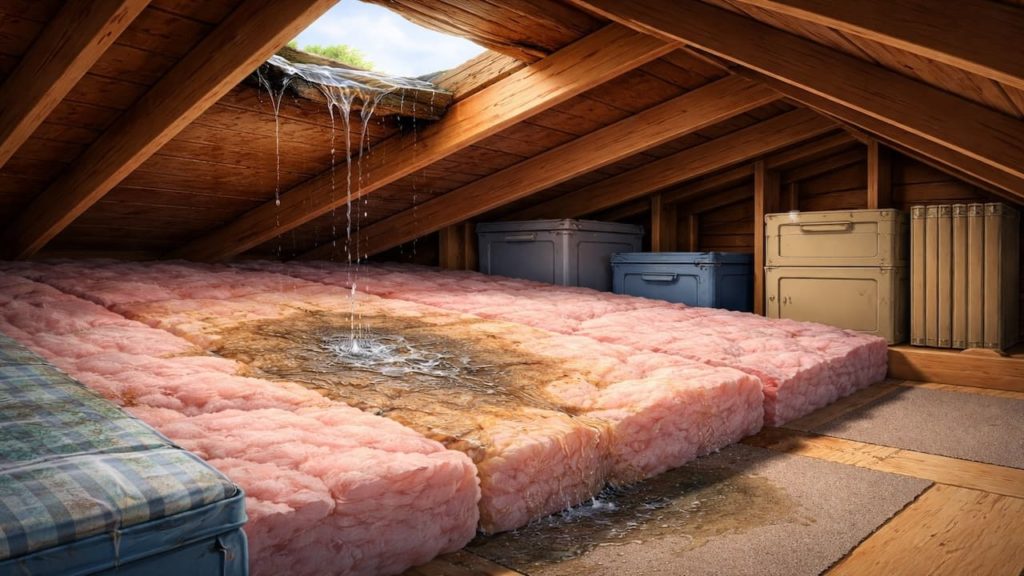
In Malaysia humidity, moisture does not dry quickly, so tape can seal water inside and feed mold, soft gypsum, and peeling paint for weeks.
Silent damage—ugly bill.
- Peel tape edge and check for damp smell
- Press ceiling near stain and feel softness
- Look for blistered paint around patch zone
- Check for algae line showing ponding nearby
- Inspect tape edges for lifted bubbles
You might think sealing tighter is smarter because waterproof means airtight and that sounds logical.
But roofs need proper drainage and compatible membranes, so avoid trapping water and fix the joint detail instead.
3. Why tape patches fail on Malaysia roofs
Heat cycles break adhesion and reopen micro gaps.
Hot afternoons bake the patch, then heavy rain cools it fast, and that movement pulls tape like a stretched rubber band until the edge lifts.
Predictable failure.
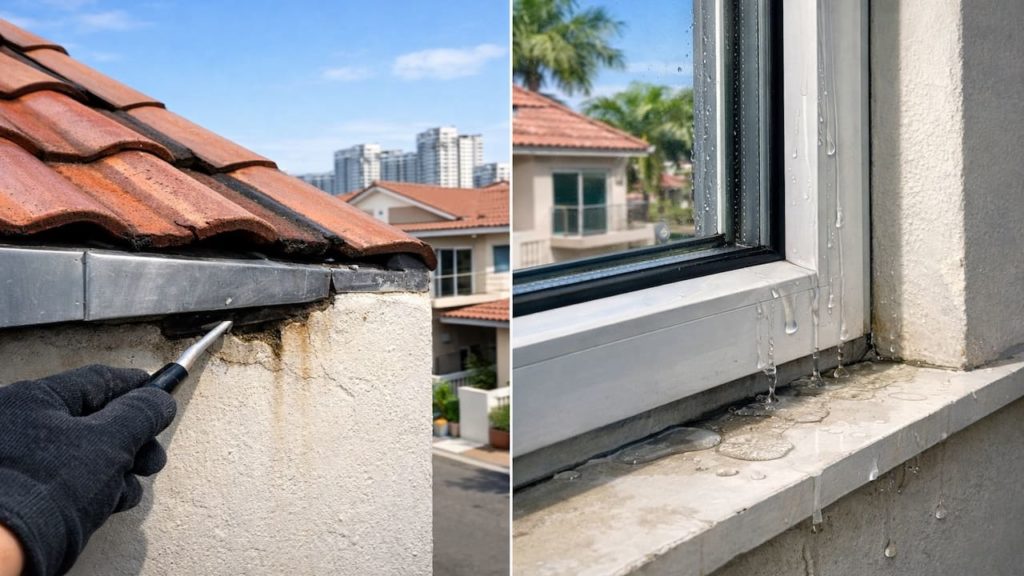
- Check flashing joints near aircond line penetrations
- Inspect gutter back lip for overflow stains
- Look for hairline cracks at parapet wall face
- Check roof joint seam for shrink gap line
- Inspect tile ridge mortar for loose sections
People blame the tape brand and buy a thicker roll, because that is the easiest story to believe.
But the problem is usually surface prep and moving joints, so identify the failure mode and solve that.
4. How to use tape safely while waiting for repairs
Use tape only to divert water not to seal.
If you must use tape during Malaysia wet season, use it to guide water away from joints and openings, then dry and document the area for repair.
Control first—then fix.
- Turn off nearby light circuit at DB
- Dry roof area fully before any patching
- Clean surface with brush and mild detergent
- Create sloped tape flap to shed water
- Remove tape after storm and inspect underside
Some will argue any tape is better than nothing because a dripping ceiling ruins sleep and furniture.
True, but unsafe roof work and trapped water cause bigger loss, so keep tape temporary and schedule a proper waterproofing repair.
5. FAQs
Q1. What tape works best for a roof leak in Malaysia?
Butyl and flashing tapes can hold better than generic duct tape, but surface prep and dry conditions still decide success. Heat and humidity punish shortcuts.
Q2. Can I tape from inside the ceiling instead?
Inside patches rarely stop the entry point and can trap moisture in gypsum. Focus on directing water safely and fixing the roof joint outside.
Q3. Why does my ceiling stain grow even after taping?
Water may be traveling under the tape or entering from a nearby seam, then spreading in the ceiling void. Movement and wind-driven rain make it shift.
Q4. How long is it safe to leave tape on the roof?
Only as short as needed to survive a storm cycle, then inspect and remove if it traps water or lifts. Temporary patches should stay temporary in wet season.
Q5. When should I stop DIY and call a professional?
If the leak repeats after two storms, or you see soft ceilings, musty smell, or damp near wiring, call a roofer or waterproofing specialist quickly.
Pro’s Tough Talk

I’ve been on site for 20+ years and handled hundreds of jobs, and roof tape “quick fixes” in Malaysia are a repeat comedy show. Relatable moment 1 is you holding a roll of tape at midnight, staring at the drip like it might negotiate. Classic.
Cause 1 is people taping the drip spot, not the entry point, because ceilings lie and water travels. Cause 2 is taping on wet dusty surfaces, because wet season never gives you a clean dry window. Cause 3 is trapping water under the patch, because tropical humidity slows drying to a crawl. Reality.
Step 1, protect inside and kill power near the wet area, because wet wiring is a trap door. Step 2, use buckets and plastic to control spread, because the drip is less scary than the moisture footprint. Step 3, document timing and seams, because proof saves money when contractors are busy. Clean approach.
Tape is a raincoat not a roof repair. Don’t blame yourself, because everyone wants the drip to stop now, and not every contractor is a villain either, wet season schedules are chaos. But the structure is cold: tape on a moving joint is like a bandage on a hinge, and trapped water is like keeping a wet sponge in a closed box.
And the “just add more tape bro” guy gets a side-eye, because more layers can mean more trapped water. Relatable moment 2 is peeling the patch later and smelling the damp funk, then pretending you did not. Keep chasing quick wins, and your ceiling will keep collecting brown badges like a game. Congratulations.
Summary
Roof leak tape fails when it hides the real entry point, lifts under heat cycles, or traps water that spreads through ceilings in Malaysia humidity.
If leaks repeat, stains grow, or the ceiling softens, treat it as a joint and drainage problem and plan a proper repair instead of adding layers.
Use tape only to divert water today then dry and document the area, and next read the guides on roof joints and parapet wall leaks for targeted fixes.