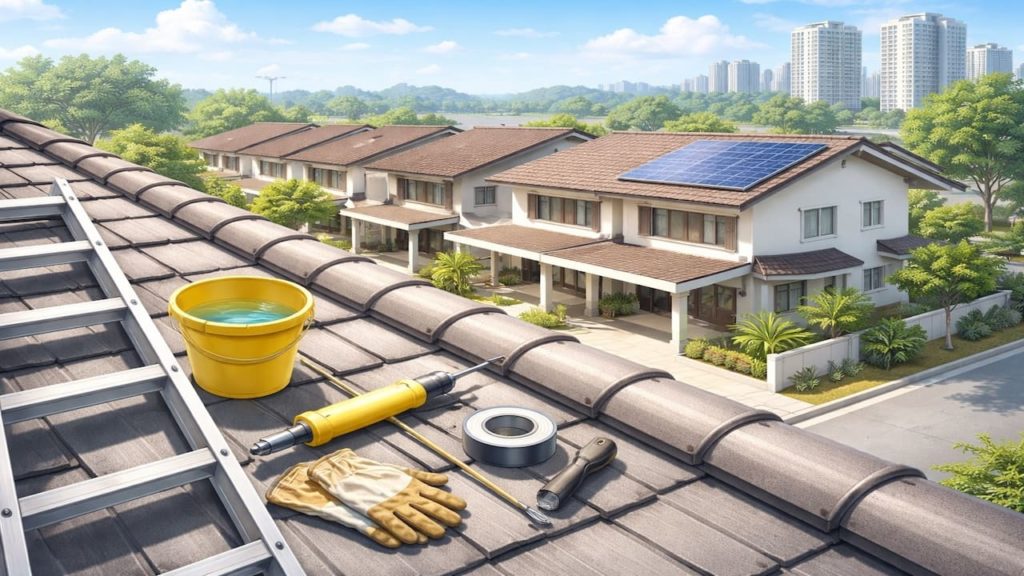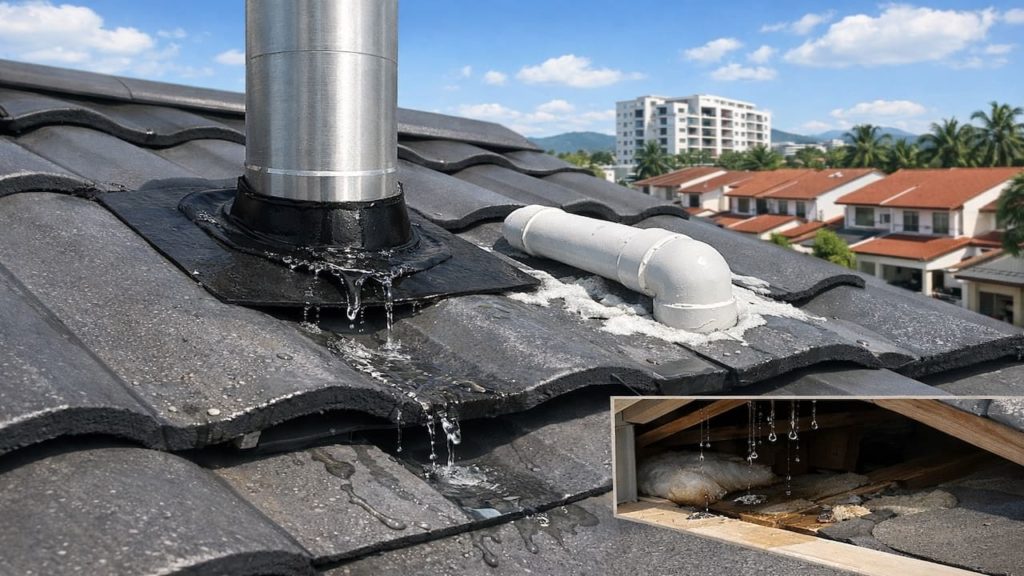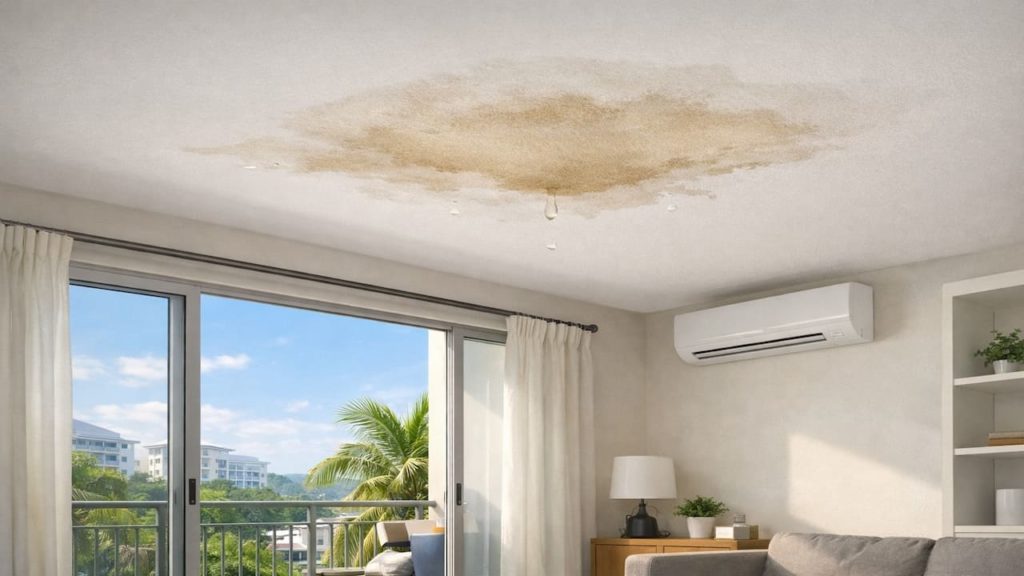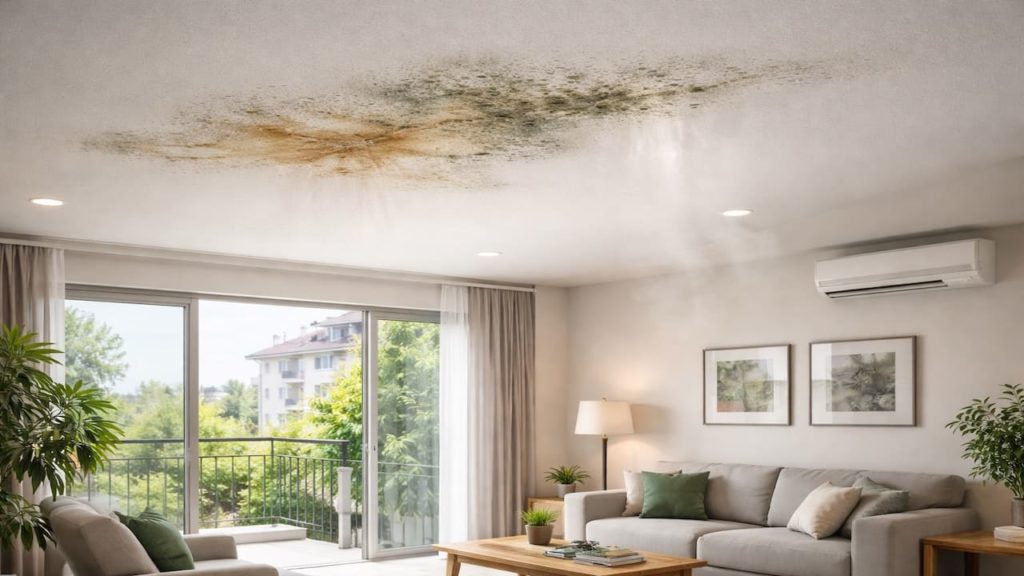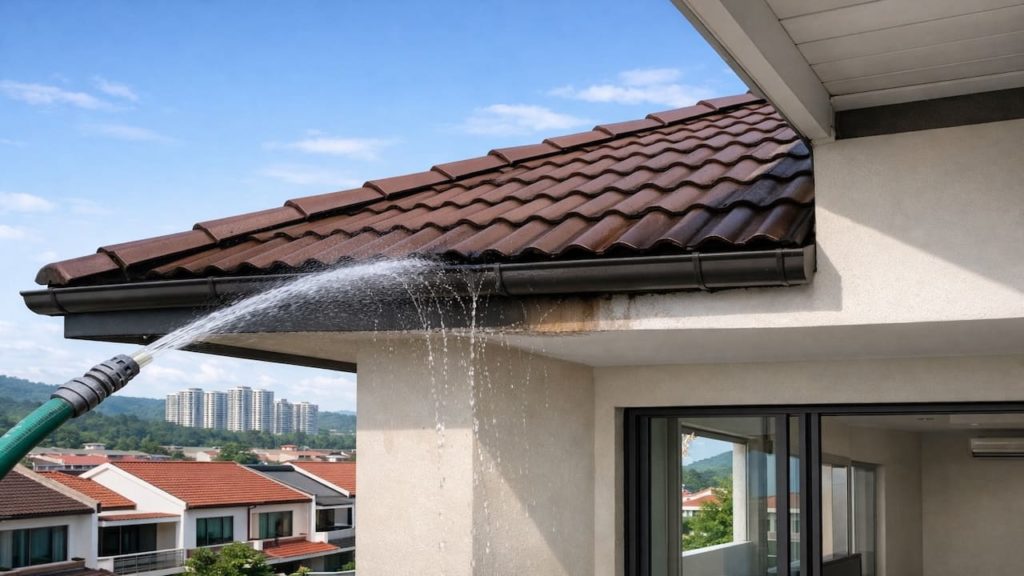
A roof leak test with hose helps when the leak appears only during rain and the entry point is unclear. In Malaysia, wind-driven storms can push water into gaps that look fine on sunny days.
The key is controlled testing, not blasting water everywhere. You want to confirm one entry point carefully so repairs are targeted and not guesswork. Calm method.
In this guide, you’ll learn how to run a hose test safely and confirm the leak entry point for Malaysia terrace houses and condo top floors. Slow and accurate.

Hi, I’m Ken. I write practical home guides for Malaysia—no fluff, just what works.
I hold a formal building design qualification and have spent about 20 years on job sites across hundreds of projects. My goal is simple: help you avoid costly mistakes with clear, safe steps—a quick way to decide what to do next.
1. Roof leak test with hose: 5 steps
A hose test works only when you isolate one roof section at a time.
Malaysia humidity and wet season timing can confuse the drip delay, so you must take notes and test in a sequence. This is a process, not a splash. Discipline.
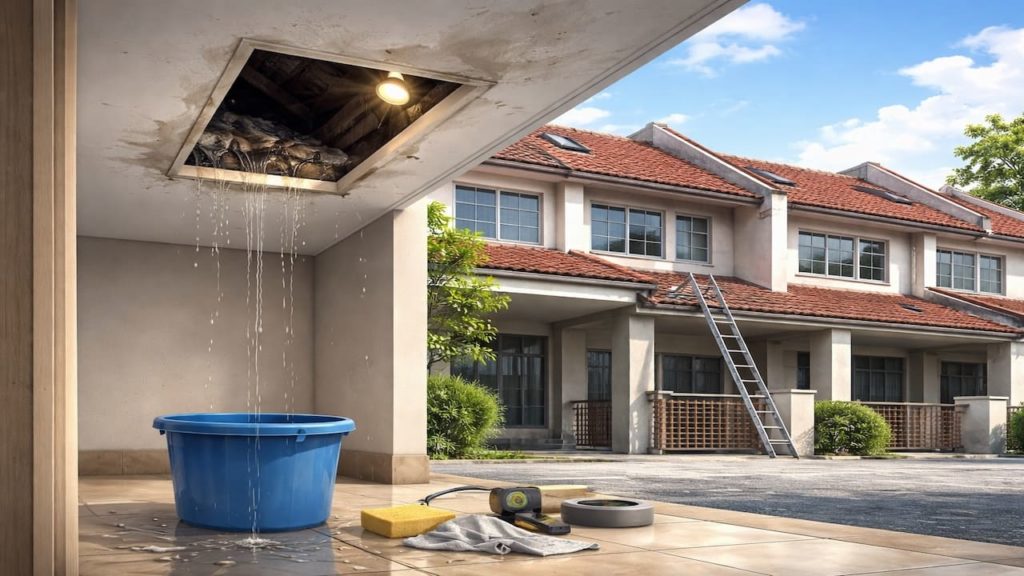
- Choose dry day and gather buckets towels torch
- Assign one person inside to watch and call
- Start low then move upward in small zones
- Run each zone 10 minutes then pause
- Mark time and location when drip starts
Some people say “just spray the whole roof and see.” That creates multiple wet paths and you learn nothing. Isolation is the point, so keep it slow.
2. Confirm the entry point carefully
Entry point confirmation means repeatable drip from one zone.
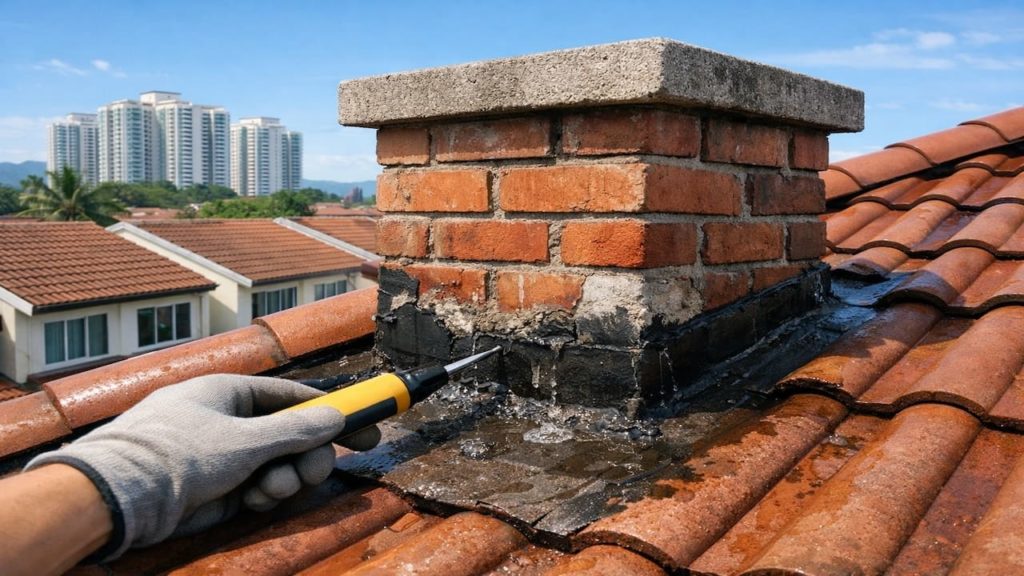
Rain rarely hits evenly in Malaysia storms, so your hose pattern should mimic rain flow, not pressure wash. Use gentle flow and keep the nozzle aimed downslope. Repeatability.
- Use shower nozzle setting not jet stream
- Wet one joint edge only not whole surface
- Pause after drip begins to confirm delay time
- Repeat same zone to verify same drip point
- Photograph the joint and label its position
You might think one drip is enough proof. It is not. Confirm it twice, because water can travel and show elsewhere if you oversoak adjacent zones. Confirm twice.
3. Why hose tests give false results
False results happen when flow pressure and timing are wrong.
A hose can force water into seams that rain would not, or it can miss wind effects that real storms create. Malaysia wind and roof edges matter, so note the storm direction from your real leak event. Context matters.
- Avoid spraying upward under tile overlaps
- Do not test during strong wind gusts
- Wait 15 minutes after soaking before moving
- Stop test if ceiling wiring area gets wet
- Document which zones were already wet earlier
Some say hose tests are useless because storms are different. They are different, but controlled testing still narrows the suspects. You are not recreating a storm, you are isolating a leak.
4. How to test safely without creating new damage
Safety comes first because water plus electricity is a real risk.
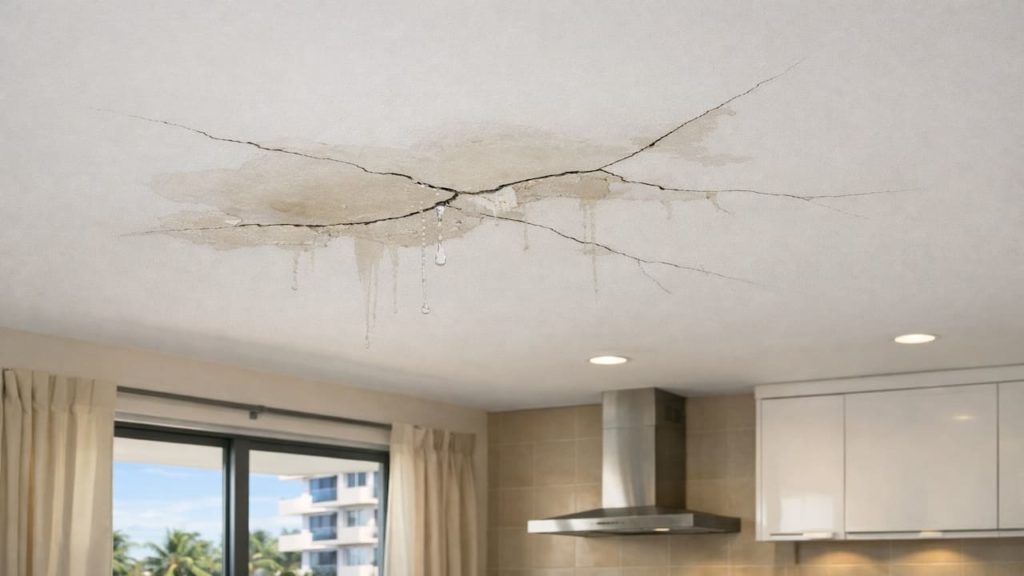
In condos and terrace houses, wiring often runs above the ceiling. Turn off the circuit feeding the wet area, keep ladders stable, and never stand under a bulging ceiling. No hero actions.
- Switch off power for the leaking room circuit
- Cover floors with plastic and thick towels
- Keep hose flow gentle and directed downslope
- Stop immediately if ceiling bulges or cracks
- Use phone video inside to capture drip start
People think safety is optional because it is “just water.” In Malaysia homes with fans and lights, a wet ceiling can hide wiring danger. Treat it as real risk.
5. FAQs
Q1. How long should I spray each test zone?
About 10 minutes per zone, then pause and watch for delayed drips. Some leaks show 20 to 40 minutes later when water travels along structure.
Q2. Where should I start testing on a tiled roof?
Start low near eaves and move upward in rows, because water often enters higher but exits lower. Testing from low to high helps isolate travel paths.
Q3. What if the drip starts but I cannot see the entry point?
Stop and repeat the same zone once more to confirm repeatability, then inspect flashing and overlaps near that zone closely. A repeatable zone is your clue.
Q4. Can a hose test damage my roof?
Yes if you use a jet stream or spray upward under overlaps. Use gentle shower flow and avoid forcing water into seams. Controlled flow prevents new problems.
Q5. When should I stop DIY testing and call a roofer?
Stop if water is near lights, ceiling fans, or a bulging ceiling. Also stop if roof access is unsafe or too high. Safety wins.
Pro’s Tough Talk

I’ve been on site for 20+ years and handled hundreds of jobs, and the hose test is where people either get the truth or create a fake leak. Malaysia humidity already makes leaks slow and sneaky, so do not add chaos.
Cause 1 of bad results is spraying like a fireman, soaking everything at once. Cause 2 is skipping the waiting time, so you miss delayed drips. Cause 3 is using high pressure, so you force water into seams that rain would never enter.
Do 3 steps and act like a detective. Step 1, cut power near the wet ceiling, because shocks ruin your day. Step 2, test one small zone at a time, because isolation is the whole point. Step 3, repeat the same zone to confirm, because one lucky drip is not proof.
Slow testing saves money because it prevents random waterproofing. Blasting the roof is like shaking a soda and blaming the can for exploding. And the guy who says “just spray the whole thing bro” deserves a long stare. Relatable.
Two classic scenes. You rush, you soak the roof, then you swear the leak is everywhere. Or you finish, feel proud, and the drip starts 30 minutes later while you are eating. Cute. The roof loves timing.
Summary
A hose test works when you isolate zones, use gentle flow, and track time delays. Malaysia storms differ, but controlled testing still confirms the likely entry point.
If results are inconsistent, stop oversoaking and repeat one zone twice, then inspect flashing and overlaps near that zone. If ceilings bulge or wiring is involved, call help.
Test one zone today and record the drip timing, then use your contractor red flags and repair cost guides to choose a fix that matches the confirmed entry point.