You searched “repair breaker trips” because the power cuts suddenly, the lights go out, and you do not know what caused it.
In Malaysia, rainy season humidity, wet walls, and strong aircon use can stress circuits, so trips can come from moisture, overload, or a failing appliance.
In this guide, you’ll learn how to check wet points and overloaded circuits safely without guessing so you can reduce risk, protect devices, and know when to call an electrician.

Hi, I’m Ken. I write practical home guides for Malaysia—no fluff, just what works.
I hold a formal building design qualification and have spent about 20 years on job sites across hundreds of projects. My goal is simple: help you avoid costly mistakes with clear, safe steps—a quick way to decide what to do next.
1. Repair breaker trips: 5 checks
Treat repeated breaker trips as a real safety warning.
Breakers trip to stop heat and shock risk—especially in humid Malaysia homes where condensation and corrosion happen quietly. Do not reset on autopilot. Safety.
- Switch off main breaker and unplug high loads
- Smell near DB for burnt plastic odor
- Check if trip happens during rain storms
- Test one appliance at a time after reset
- Look for warm plugs and loose socket faces
Some people think one more reset will “stabilize” it. If the trip repeats, something is wrong, and heat can build behind walls. Reset only to test, then fix the cause.
2. Wet points and overloaded circuits
Most trips come from moisture paths or too much load.
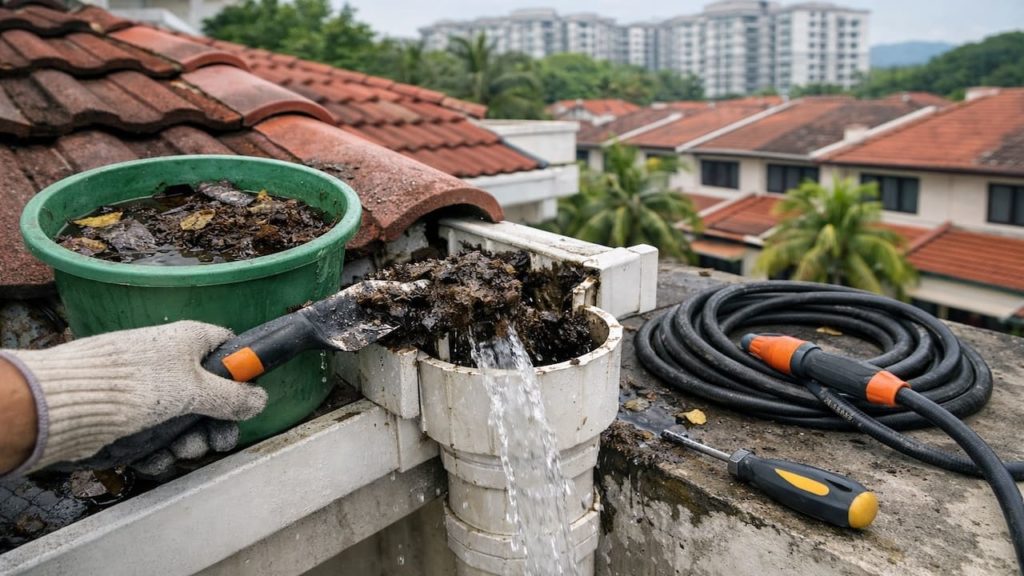
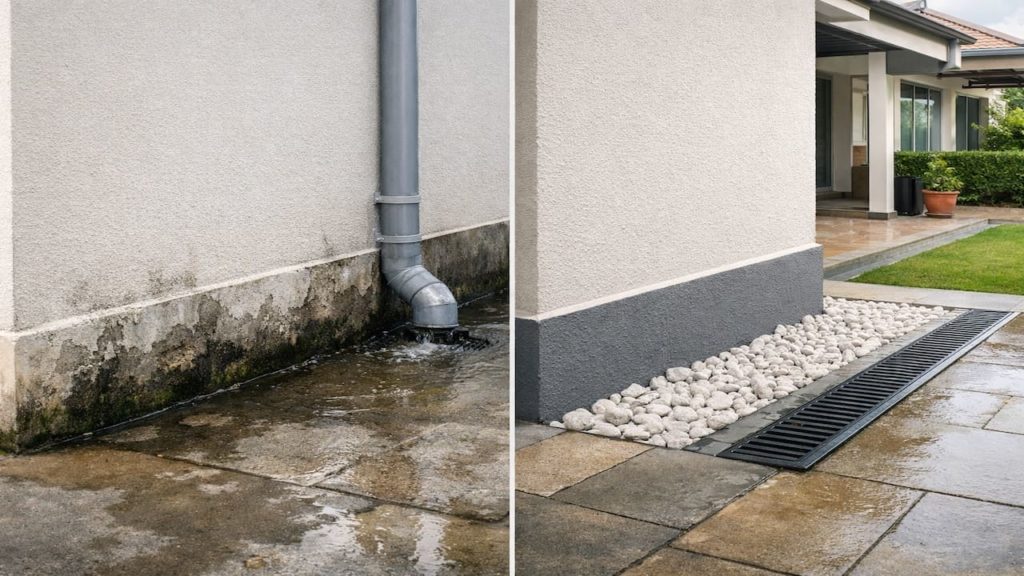
Wet points cause leakage current, while overload causes overheating and nuisance trips. In Malaysia, bathrooms, balconies, kitchen sinks, and AC drain lines are common wet triggers—small damp becomes a big problem fast.
- Inspect bathroom outlet area for damp paint
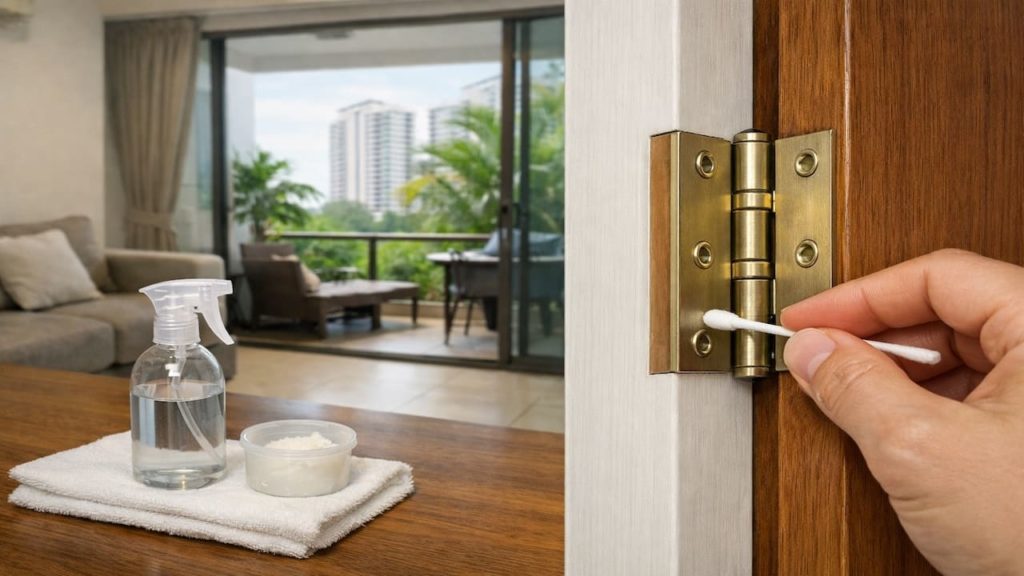
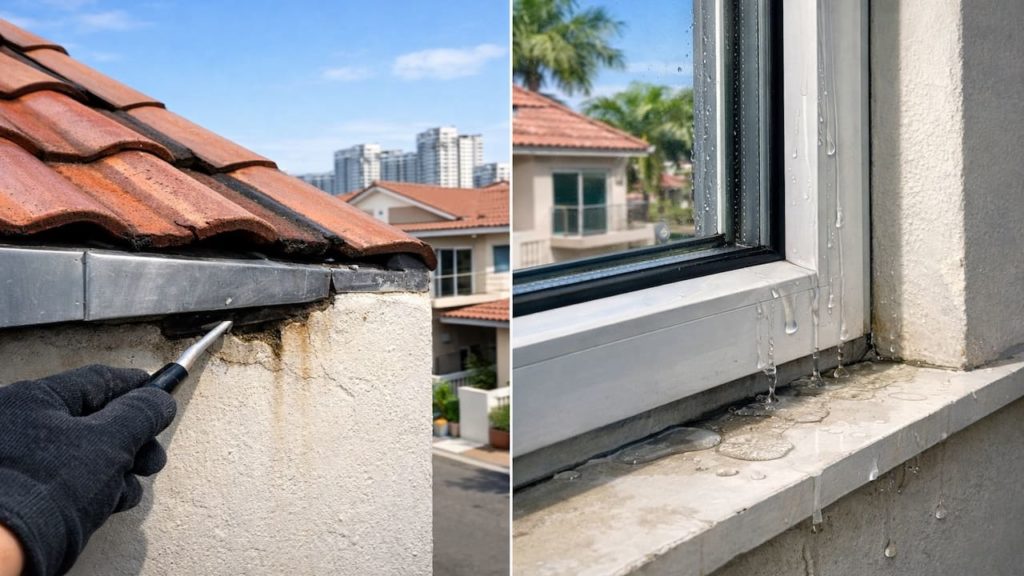
- Check balcony door track for water seepage
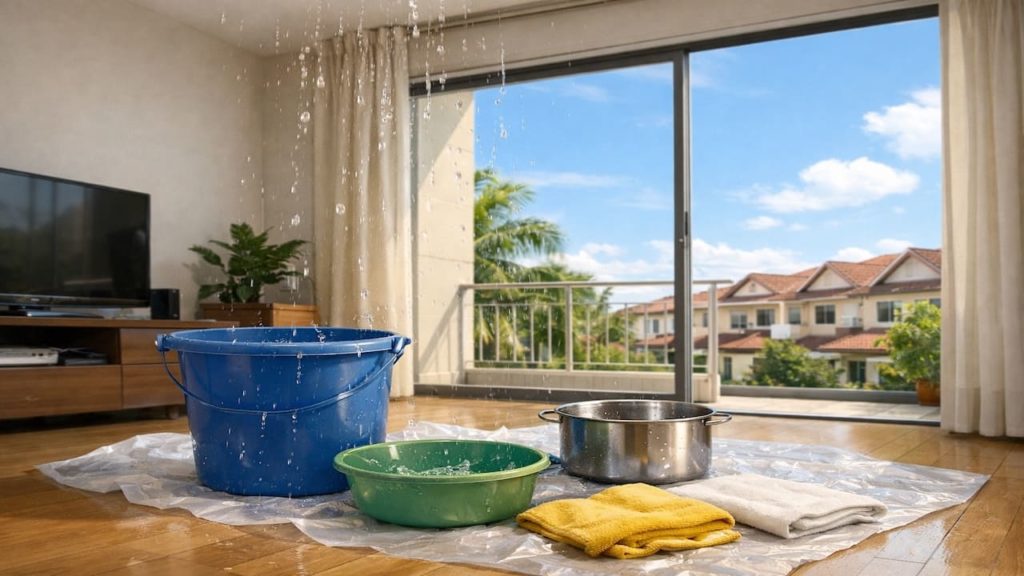
- Dry wet floor and keep feet away
- Unplug kettle heater and hair dryer together
- Stop using multi plug adapters on one socket
You might hear “It is just the breaker being sensitive.” Sometimes the breaker is old, but moisture and overload are more common. Find wet and load first, then judge parts.
3. Why breakers trip in Malaysia houses
Humidity and corrosion raise resistance and leakage over time.
Malaysia heat, salty air in some areas, and daily humidity swings can corrode contacts and weaken insulation. Add aircon condensation and you get random trips that feel like bad luck. Not luck.
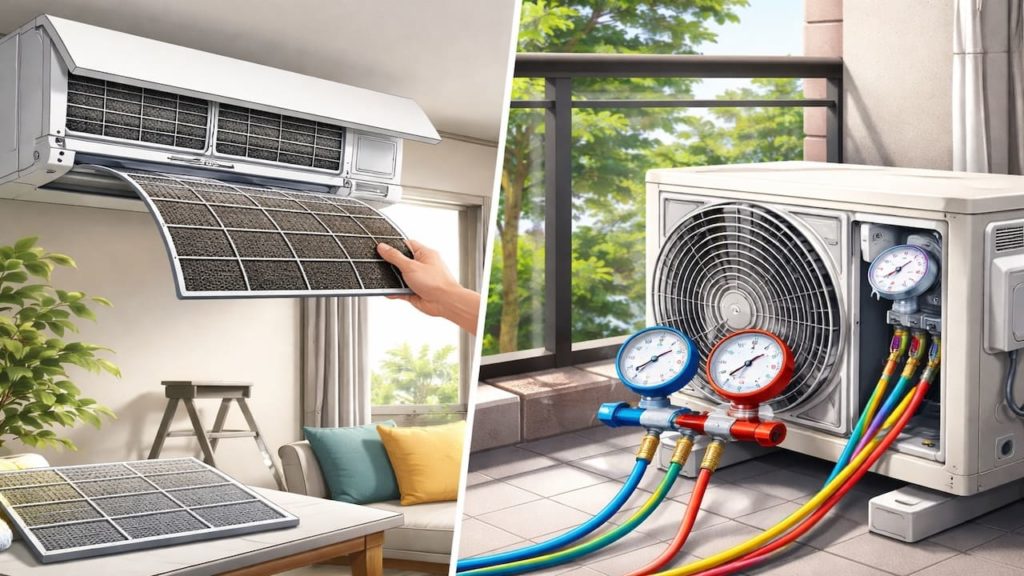
- Check AC indoor unit for hidden dripping
- Inspect outdoor extension cord for water exposure
- Look for ants or insects inside socket plates
- Check ceiling stains near wiring routes above
- Track trip time and note running appliances
People blame “old wiring” and panic. Old wiring can matter, but many trips are from one wet point or one failing appliance. Isolate the pattern, then decide the scale.
4. How to isolate the fault and reduce risk
Isolate circuits step by step then stop when unsure.
Use a calm process and avoid touching live parts. Turn off, dry, unplug, then test in a controlled order—Malaysia humidity makes rushed testing risky. Keep notes.
- Reset breaker and turn on one circuit only
- Plug one device and wait 10 minutes
- Dry suspected wet zones using fan and towel
- Replace damaged extension cords and worn adapters
- Call electrician if trip repeats within minutes
Cost matters, so here are guardrails in Malaysia. An electrician call out can start around RM80 to RM150, simple fault finding may be RM150 to RM400, and replacing a damaged breaker or wet outlet can run RM120 to RM500 depending on access. If there is heat smell, melted plastic, or sparks, stop testing and book help immediately.
5. FAQs
Q1. Is it safe to just keep resetting the breaker?
No, repeated resets can let heat build and damage insulation. Reset only for controlled testing, and stop if it trips again quickly. Treat it as a warning.
Q2. How do I know if it is overload or moisture?
Overload often trips when many high power items run together, like kettle and iron. Moisture trips often show up after rain, in damp rooms, or near AC drip paths.
Q3. What is the first thing I should do right now?
Turn off the main breaker, unplug big loads, and dry any wet areas before you reset. Power off first then test slowly. Malaysia humidity punishes rushed shortcuts.
Q4. Could one appliance cause the whole house to trip?
Yes, a failing appliance can leak current or short internally. Test appliances one by one after a reset and watch for the repeat trip. If one device triggers it, stop using it.
Q5. When should I call an electrician immediately?
Call if you smell burning, see scorch marks, feel hot plugs, or hear crackling. Also call if the breaker trips again within minutes after a careful reset. Do not gamble.
Pro’s Tough Talk

Alright, I’ve been on site for 20+ years and handled hundreds of jobs, and breaker trips in Malaysia are not “annoying,” they’re your house yelling. Humid air plus electricity is like mixing water and fireworks.
Three causes run the show. One, overload from stacking high power stuff on one circuit. Two, wet points from rain seepage, bathroom steam, or AC condensation creeping into sockets. Three, worn contacts and corrosion making heat and leakage grow slowly. That’s the structure.
Do 3 steps, calm and clean. Step one, power off at the main and unplug the heavy hitters, then dry anything wet. Step two, reset and test one circuit and one device at a time, with waiting time. Step three, if it repeats, stop and call a licensed electrician, no hero mode.
You didn’t fail and not every contractor is a villain, but electricity doesn’t care about confidence. Repeat trips mean stop testing and get proper fault finding. Anyone saying “just reset again” is basically telling you to pet a tiger because it looks sleepy, that’s my jab.
Relatable moment one, it trips right when you start cooking and the aircon kicks in. Relatable moment two, it trips after a rainy night and you blame the universe. Fix the cause, or enjoy playing Surprise Blackout Bingo forever.
Summary
Breaker trips usually come from overload, moisture leakage, or a failing appliance, and Malaysia humidity makes wet points and corrosion more likely. Patterns tell the truth.
If trips follow heavy appliance use, reduce load and stop stacking adapters, then retest one device at a time. If trips follow rain, damp walls, bathrooms, or AC drips, dry the area and fix the moisture path before resetting again.
Today, switch off power, unplug big loads, dry suspected wet zones, then test slowly and stop at the first repeat trip. Safety beats speed every single time. If you also have loose sockets or peeling ceilings, follow those guides next and connect the moisture chain.