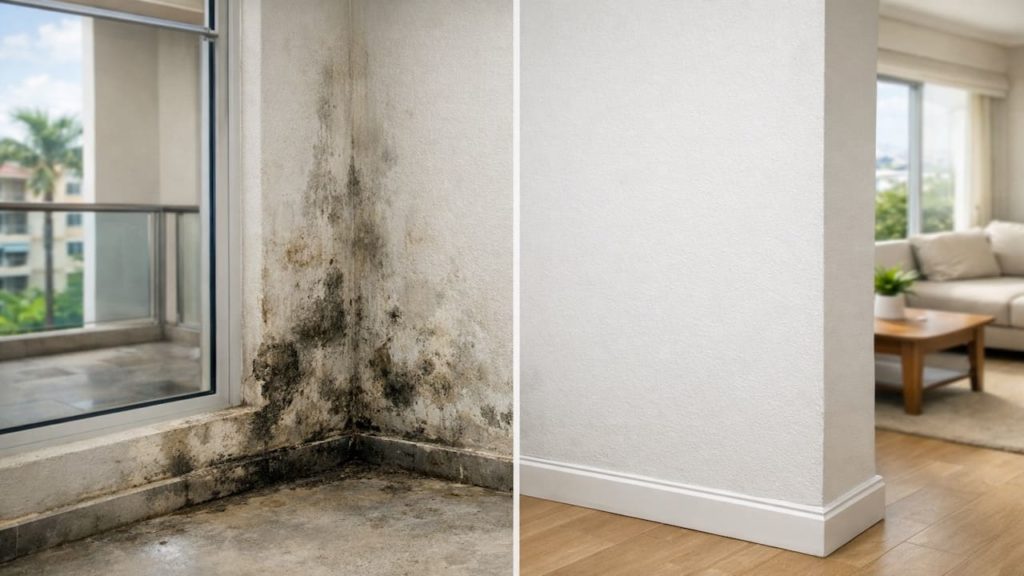
You searched because a wall corner feels damp, paint is bubbling, or the room smells musty even after cleaning. In Malaysia, damp walls happen fast.
Hot humid air, daily rain, and cold AC surfaces can feed moisture from outside leaks, hidden pipe drips, or condensation, especially in condos with shared walls and terrace homes with splashback. It is not always mold. Diagnosis first.
In this guide, you'll learn how to dry damp corners safely and stop the moisture source using simple checks, careful drying, and clear decision points that prevent repeat damage.

Hi, I’m Ken. I write practical home guides for Malaysia—no fluff, just what works.
I hold a formal building design qualification and have spent about 20 years on job sites across hundreds of projects. My goal is simple: help you avoid costly mistakes with clear, safe steps—a quick way to decide what to do next.
1. Malaysia damp wall guide: 5 steps
Follow the 5 steps in order to avoid guessing and you will dry the wall without trapping moisture.
Damp corners can come from rain entry, plumbing leaks, or condensation, and Malaysia humidity makes all three look similar. A calm sequence protects paint, stops smells, and reduces repair costs. Evidence. —
- Mark damp area edge using pencil line
- Check smell and surface temperature with hand
- Inspect nearby pipes and AC drain routes
- Look outside for rain splash and cracks
- Run fan and dry mode then recheck in 24 hours
Some people repaint immediately, but paint traps moisture and the stain returns with bubbles. Dry and confirm source first. Always.
2. Dry corners safely
Dry the wall slowly with airflow not heat blasts so you do not crack paint or grow hidden mold.
In Malaysia, high humidity can make drying feel impossible, but steady airflow and controlled dehumidifying works, especially when furniture blocks corners. Fast heat can drive moisture deeper into plaster. Go steady.
- Move furniture 10 cm away from wall
- Run fan aimed at corner for 6 hours
- Use AC dry mode and keep door closed
- Wipe surface with microfiber cloth then discard
- Open windows only when outdoor air feels drier
People say open windows always helps, but during rainy weeks outdoor air is wetter and can slow drying. Use windows only when it benefits. —
3. Why wall corners get damp in Malaysia homes
Corners stay damp because air movement is weak and moisture finds the coldest spot.
Condensation forms when cold AC air meets warmer humid air, and corners behind wardrobes become micro climates. Rain can also enter through hairline exterior cracks, and small pipe leaks can wet gypsum quietly. Condos add shared wall moisture and limited sunlight. Reality.
- Condensation forms on colder corner surfaces
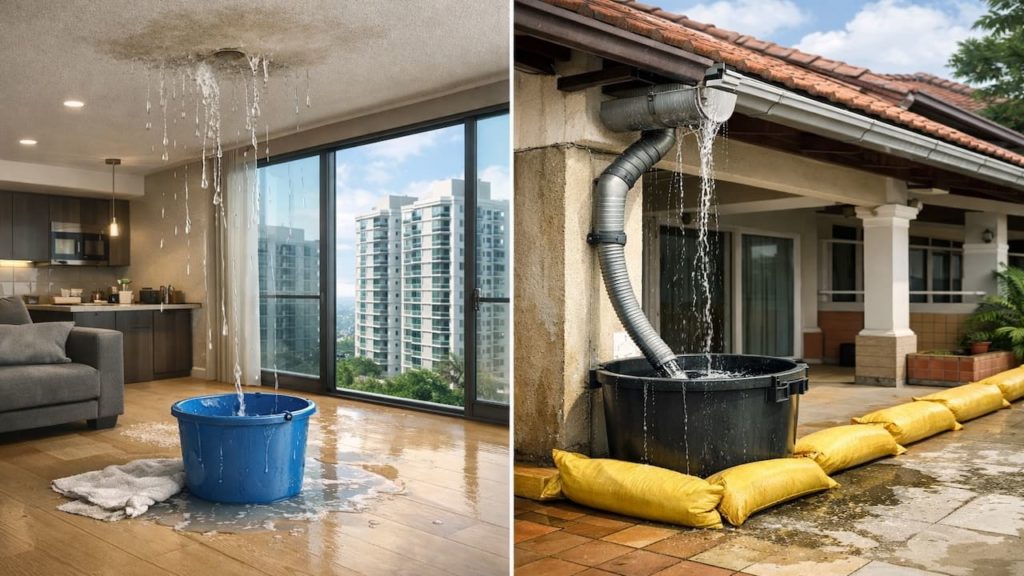
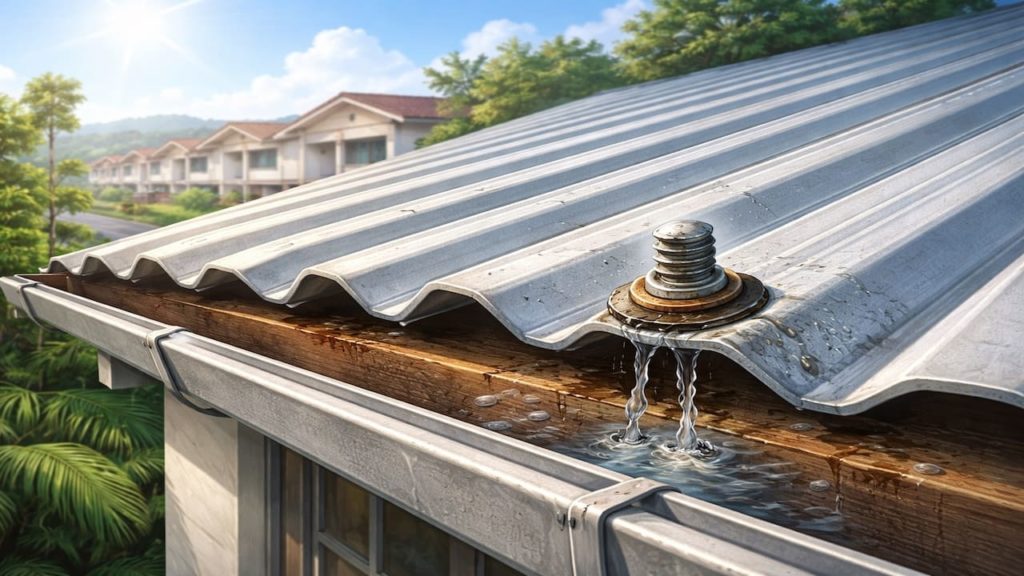
- Rain enters through cracked exterior render
- Leaking pipe joint wets plaster from inside
- Floor splashback keeps lower wall damp daily
- Blocked weep holes trap water in window frames
Some blame cleaning habits, but physics and airflow decide most damp corners. Change airflow and stop entry points. That is the fix.
4. How to stop damp walls and prevent repeat moisture
Fix the source then protect the surface so the corner stays dry through rainy season.
Basic supplies often cost RM10-60 for sealant, a brush, and mild cleaner, while a plumber or waterproofing visit can be RM200-900 depending on access and whether leaks are hidden. Start with cheap checks, then escalate if the damp line grows. Money matters. —
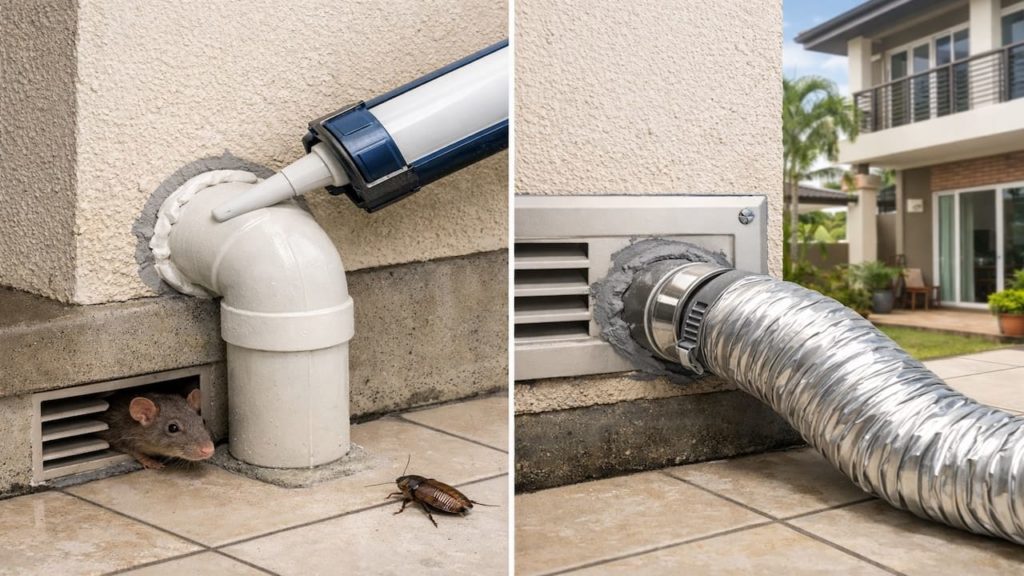
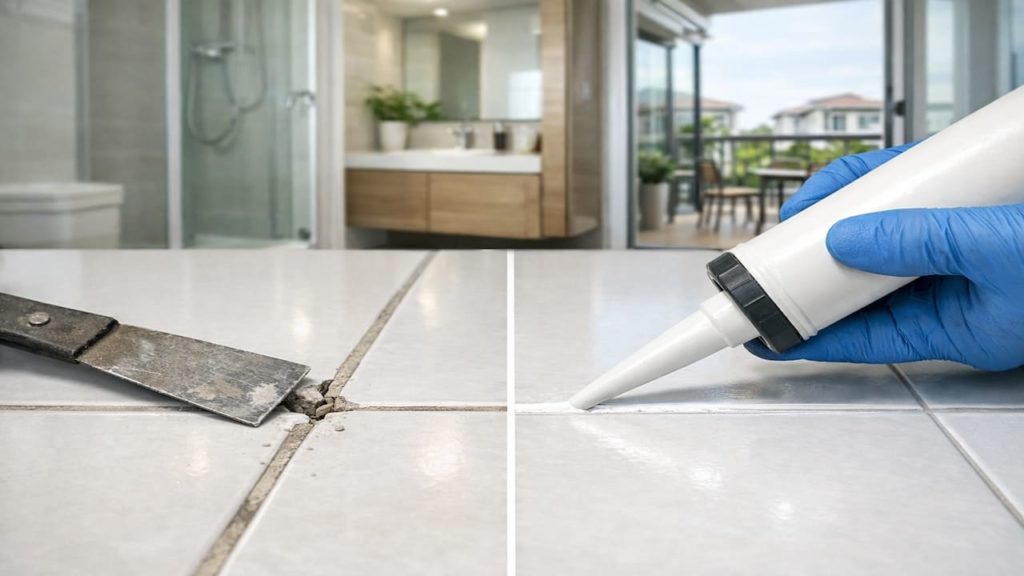
- Seal small exterior crack using flexible sealant
- Clear window frame weep holes with thin wire
- Fix pipe drip and dry wall cavity area
- Apply anti mold wash after wall fully dries
- Call pro if damp spreads after 48 hours
Some say buy a big dehumidifier and forget it, but machines cannot stop a real leak. Stop the moisture source first, then use dehumidifying as support. Smart.
5. FAQs
Q1. How do I tell condensation vs leak?
Condensation appears during AC use and often feels cool and evenly damp, while leaks create localized wet spots that grow after rain or after using a tap. Track timing for 2 days. Evidence wins.
Q2. Is bleach safe for damp wall cleaning?
Bleach is not a fix for moisture and it can damage paint and irritate lungs in small rooms. Use mild cleaners and focus on drying and source control first. Ventilate.
Q3. How long should a damp corner take to dry?
Surface dampness can improve within 24 to 48 hours with fan and dry mode, but deep moisture can take longer in humid weather. If the damp edge keeps growing, suspect a leak. Escalate.
Q4. Should I repaint after it dries?
Repaint only after the smell is gone and the surface feels firm, otherwise bubbles return. Use a suitable sealer primer for damp-prone areas. Do not rush.
Q5. When should I call management or a professional?
Call if the damp wall is on an exterior condo facade, if water appears after rain repeatedly, or if you suspect a shared pipe leak. Photos and marked edges help a lot. Document.
Pro’s Tough Talk

Alright, I have been on site for 20+ years and handled hundreds of jobs, and damp wall corners in Malaysia are like that friend who never leaves. You think it is gone, then rainy week hits and it comes back smiling.
Three causes keep repeating: condensation behind furniture, rain sneaking through tiny exterior cracks, and small pipe drips feeding the wall from inside. All quiet, all annoying.
Do three steps now: move the furniture and blast airflow, run AC dry mode, then mark the damp edge and check if it grows after rain or after using water. Like tracking a stain with a ruler.
If it keeps growing, stop repainting like it is makeup and go after the source because paint cannot fight water. The musty wardrobe corner surprise. The wet sock smell you pretend is “just humidity.” Two classics.
Ignore it and your wall will keep collecting mold like free artwork, so dry it right and kill the source before it owns the room.
Summary
Follow the 5 steps to identify whether the damp corner is from condensation, rain entry, or a hidden leak, then dry safely with airflow and dry mode. Clear order.
If the damp edge grows after 48 hours, after rain, or after using plumbing, treat it as an active moisture source and escalate to repair rather than endless cleaning. Draw the line.
Dry the corner today and mark the edge for proof then read our window leak and bathroom odor guides to remove moisture paths that fuel damp walls.