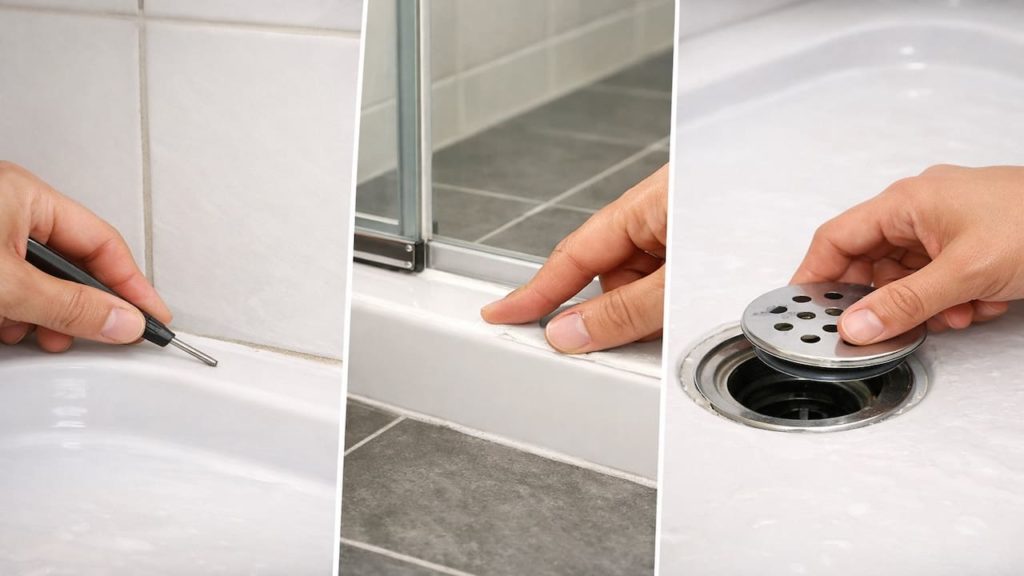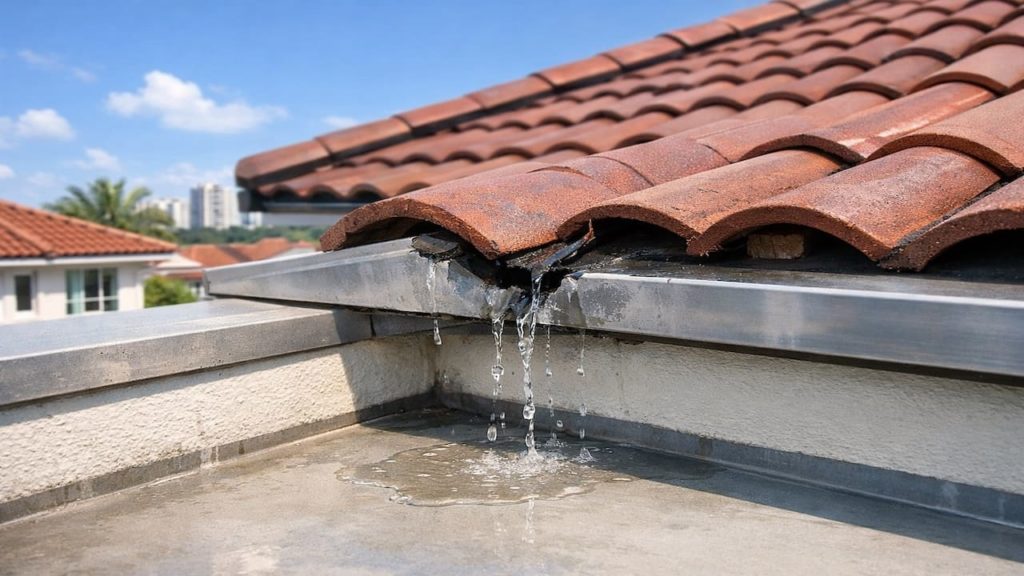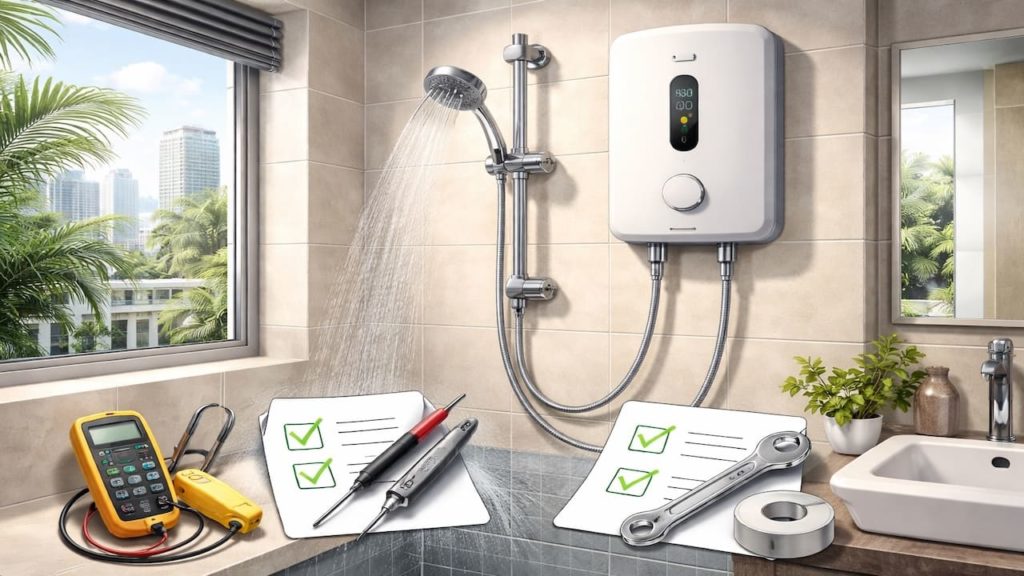
You searched because your shower heater trips, you feel a tiny sting, or you see water dripping near the unit. In Malaysia, this is serious.
Warm humid bathrooms, wet hands, and aging wiring make small faults feel bigger, and cheap fittings can corrode fast. Condos and terrace homes both face it. Safety first.
In this guide, you'll learn how to do safe checks for leaks and shock risk so you can stop using the unit when needed, reduce danger fast, and call the right help without guessing.

Hi, I’m Ken. I write practical home guides for Malaysia—no fluff, just what works.
I hold a formal building design qualification and have spent about 20 years on job sites across hundreds of projects. My goal is simple: help you avoid costly mistakes with clear, safe steps—a quick way to decide what to do next.
1. Malaysia shower heater guide: 5 checks
Do only safe external checks and stop using it if you suspect shock or active leakage.
Shower heaters mix electricity and water, and Malaysia humidity increases corrosion and leakage paths, so you must treat any tingling as a warning. Do not open covers or touch internal wires. Serious. —
- Switch off heater and test shower using cold water
- Check heater casing for cracks and loose cover
- Look for drips from pipe joints and hose fittings
- Press test button on RCD and confirm trip
- Check if tingling happens only when heater on
Some people ignore tiny shocks, but a small sting can turn into a dangerous fault, especially in wet bathrooms. Stop and check. —
2. No shocks no leaks
Eliminate water leaks and confirm earth protection because both reduce shock risk.
Most quick fixes involve buying small parts, usually RM10-60 for new hose washers, PTFE tape, or a replacement shower hose, while a proper electrician or heater replacement can cost much more. In Malaysia, do not cheap out on electrical safety. —
- Replace hose washer and tighten fittings gently
- Wrap PTFE tape on threaded joints to stop seep
- Keep heater area dry and wipe after every shower
- Test RCD monthly and stop if it fails
- Call electrician if any tingling persists
Some people think tightening harder solves leaks, but over tightening cracks plastic fittings and makes leaks worse. Snug plus washer beats brute force. Smart.
3. Why shower heaters become risky in humid Malaysia bathrooms
Humidity and corrosion weaken insulation and earth paths until leakage starts.
Bathroom steam condenses inside covers, mineral scale stresses valves, and rust at terminals can increase resistance and heat. If earth wiring is poor or the RCD is faulty, a small internal leak can become a shock sensation. Condos may have shared grounding issues, while older terrace homes may have aged wiring. Reality.
- Steam condenses inside heater cover and wiring
- Corrosion builds on terminals and increases heat
- Rubber seals age and allow micro water entry
- Loose earth connection allows tingling sensation
- RCD wear reduces sensitivity and delays trip
Some blame only “strong water pressure,” but pressure alone does not cause shocks. Electrical protection and dry sealing decide safety. —
4. How to respond when you feel shocks or see leaks
Stop use and get professional checks fast because this is a high risk item.
Basic parts might cost RM5-30 for washers and tape, but an electrician visit or heater replacement can be RM150-900 depending on wiring condition and unit type. If you feel shocks, treat it as urgent and do not keep testing with your body. Money is cheaper than injury. —
- Turn off heater switch and isolate power at breaker
- Use cold shower until unit is confirmed safe
- Document drip points with photos and short video
- Ask electrician to test earth and RCD function
- Replace heater if casing cracked or repeated trips
Some people keep using it because “it only tingles,” but that is like driving with failing brakes. Do not normalize danger. Stop and fix. —
5. FAQs
Q1. Is a small electric sting in the shower normal?
No, it can indicate leakage current or poor grounding. In wet conditions, even small currents feel stronger. Stop using the heater and get it checked.
Q2. What is the RCD test button for?
The test button confirms the safety trip works and it should cut power immediately. If it does not trip, the heater setup is unsafe. Replace or repair the protection.
Q3. Can a water leak cause an electric shock?
Yes, water can enter the unit or wet wiring paths and increase leakage risk. Leaks also cause corrosion that worsens electrical faults over time. Fix leaks fast.
Q4. Should I open the heater cover to dry it?
No, do not open it unless you are qualified, because live parts may remain risky. Keep the outside dry and call a professional for internal inspection. Safety rule.
Q5. When should I replace the whole shower heater?
Replace if the casing is cracked, RCD fails, shocks persist, or the unit trips often even after fixing leaks. Replacement is often cheaper than repeated risky repairs. Clear line.
Pro’s Tough Talk

Alright, I have been on site for 20+ years and handled hundreds of jobs, and a shower heater in Malaysia that shocks you is not “a little issue.” That is electricity saying hello in the worst way.
Three causes I see nonstop: leaking fittings dripping into the unit, corroded terminals from steam, and bad earth or a tired RCD that does not trip fast. Humidity is the silent villain.
Do three steps now: switch it off and isolate power, use cold water only, then check for drips and test the RCD button. Like pulling the plug before you touch a broken appliance.
If you keep “testing” with your skin, you are using your body as a multimeter and that is insane. The quick shower rush before work. The “it only happened once” lie you tell yourself. Two classics.
Fix it properly or enjoy a bathroom that turns into a shock roulette table, and trust me, the house always wins that game.
Summary
Use the 5 checks to identify shock risk and leak sources without opening covers, then stop using the heater if any tingling or drips continue. Safety.
If RCD fails, shocks persist, or leaks return, escalate to an electrician and consider replacement rather than repeated patching in a humid bathroom. Draw the line.
Switch off and isolate today if you feel any sting then read our breaker tripping and bathroom odor guides to keep wet areas safer in rainy season.