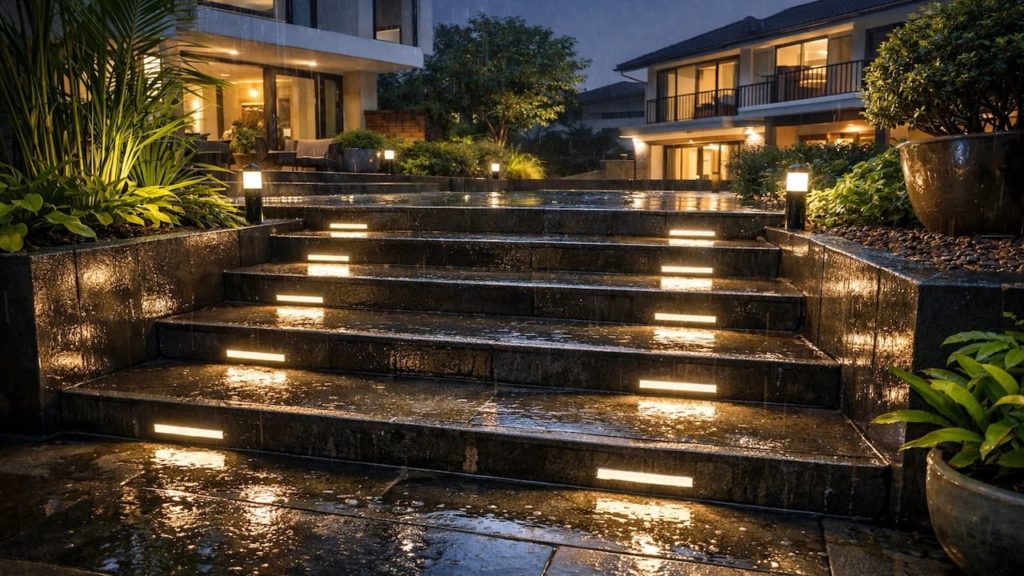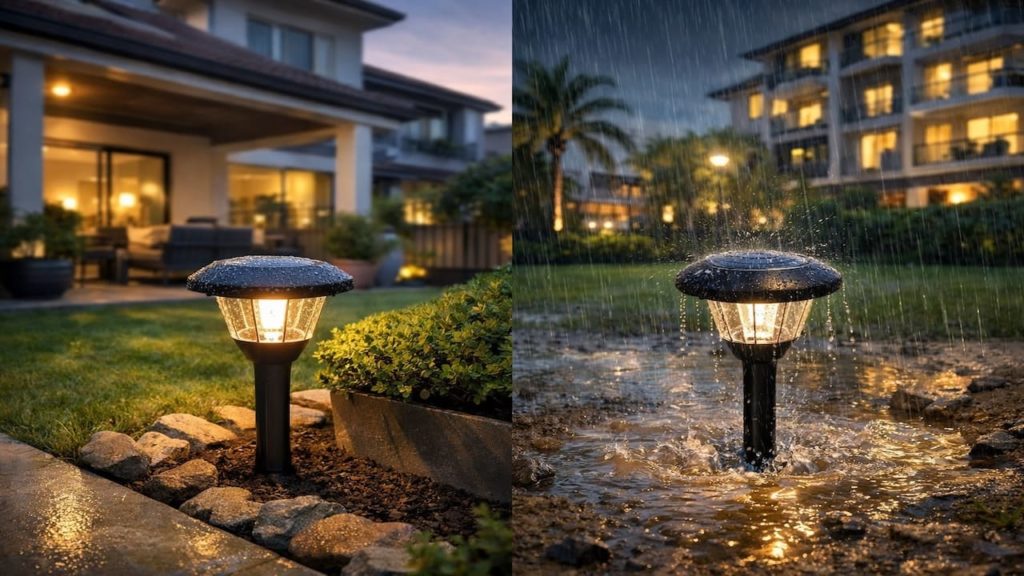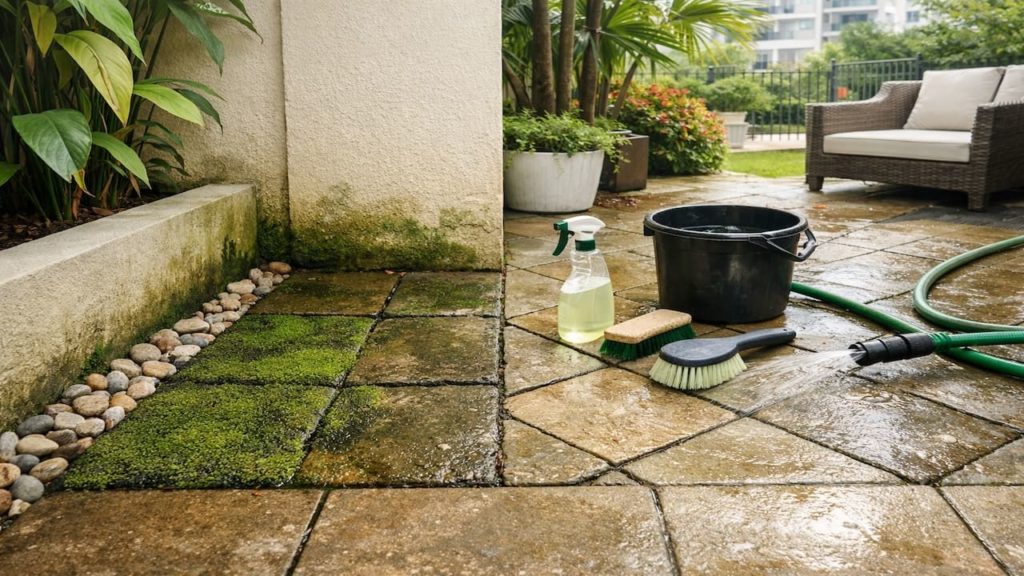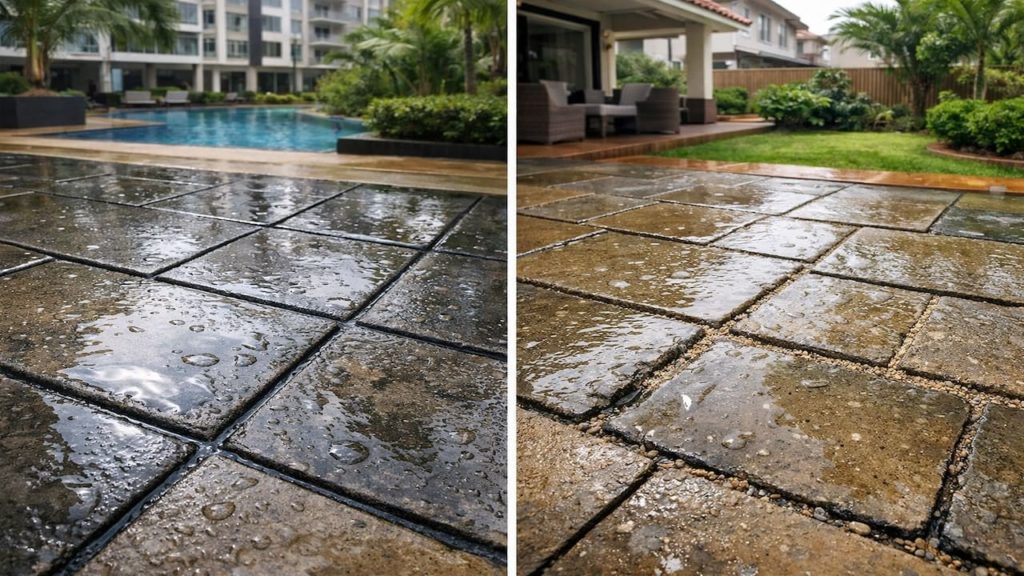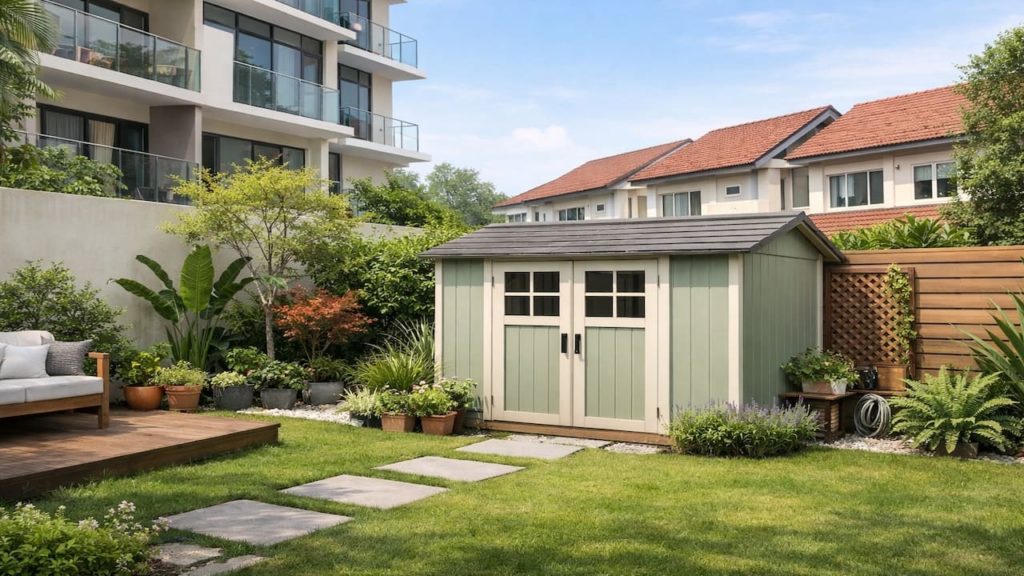
You want a garden shed for storage, but you worry it will look bulky and make the yard feel smaller. In Malaysia, sheds also need to handle rain and humidity, so the “best spot” is not always the obvious one.
Terrace homes and condo ground-floor gardens often have tight edges, strong sunlight, and wet-season splash zones. If the shed is placed wrong or painted the wrong color, it dominates the view and collects stains faster.
In this guide, you’ll learn how to make a garden shed feel lighter through placement and color without losing practical storage. You will also learn quick checks for scale, airflow, and cleaning so the shed stays neat in humid weather.

Hi, I’m Ken. I write practical home guides for Malaysia—no fluff, just what works.
I hold a formal building design qualification and have spent about 20 years on job sites across hundreds of projects. My goal is simple: help you avoid costly mistakes with clear, safe steps—a quick way to decide what to do next.
1. Garden sheds that don’t look bulky: 5 checks
Visual weight is controllable even when the shed size stays the same.
In Malaysia, damp corners grow algae and dirt lines, which makes a shed look heavier and older than it is—appearance. The easiest win is to reduce how much of the shed you see at once and how dark it reads in shade. Start with sightlines from your door, living room, and main walkway. Then check moisture risk so the shed stays clean.
- Stand at entry and note shed blocking view
- Check if shed sits in constant shade and damp
- Measure clear walking space around shed footprint
- Look for splash zones from downpipes and gutters
- Confirm doors open without hitting walls or plants
Some people choose the back corner by default, but the back corner is often the wettest and darkest place. Reality. Put it where it stays cleaner and it will automatically feel lighter.
2. Placement and color make it feel lighter
Place it off-axis and match light tones so it blends instead of shouting.
When a shed sits square-on to your main view line, it reads like a big box and steals attention. In Malaysia sun, dark colors also show heat and streaks, and humid shade makes dark panels look dirty quicker. Choose a position that breaks the box silhouette and a color that reflects light without looking glaring. Your yard will feel wider.
- Rotate shed slightly so you see less flat face
- Align shed with fence lines to reduce visual clutter
- Pick light warm gray or beige to reflect light
- Use matte finish to hide water streak marks
- Add a slim planting strip to soften hard edges
You might think white is always best, but bright white can glare in direct Malaysia sun and look harsh next to greenery. Balance. Choose a light muted tone and the shed disappears more naturally.
3. Why sheds look bulky and messy faster in Malaysia gardens
Humidity highlights dirt lines and tight spaces magnify the box shape.
Rain splash brings soil and algae onto lower panels, then humidity keeps surfaces damp so stains set in. On small terrace lots, a shed is closer to the house and fills more of your view, so any dark color or strong contrast feels heavier. Poor airflow behind the shed also traps moisture, making the back wall grow green faster. Bulk is part visual, part maintenance.
- Spot green algae streaks forming on shaded panels
- Check lower edges for soil splash and mud marks
- Notice contrast against fence making shed pop out
- Find damp trapped behind shed with no airflow
- See clutter around shed increasing bulky appearance
It is easy to blame the shed design, but placement and maintenance conditions decide how “heavy” it looks. Mechanism. Reduce damp and contrast and the shed feels slimmer.
4. How to make a shed look lighter without rebuilding
Raise, ventilate, and simplify the backdrop so the shed stays clean.
Lift the shed slightly or ensure a firm base so rain splash does not soak the bottom edge, because that is where stains make it look bulky. Improve airflow behind it and keep a consistent background color, like matching fence tones, so the silhouette softens. For simple supplies like leveling blocks, gravel base, touch-up paint, and a few plants, RM20–250 is common depending on what you already have. Focus on cleanliness and contrast control.
- Add gravel skirt to reduce mud splash lines
- Leave a ventilation gap behind shed back wall
- Paint fence and shed in similar light tone
- Install a narrow trellis to break up flat panels
- Store items inside to avoid outside clutter piles
Some people add lots of decorations, but more objects usually add more visual weight and more cleaning work. Minimal. Clean lines plus good airflow wins in Malaysia humidity.
5. FAQs
Q1. Where is the best place to put a shed in a small garden?
Place it where it does not block your main sightline and where it can stay dry and ventilated. Avoid the wettest corner if it collects splash and algae.
Q2. What colors make a shed look smaller?
Light muted tones like warm gray or beige reduce contrast and reflect light gently. Matte finishes also hide streaks better than glossy panels.
Q3. Will plants make the shed feel less bulky?
Yes, if you use a slim planting strip or vertical trellis to soften edges without blocking airflow. Avoid dense hedges pressed tight to the shed wall.
Q4. How do I stop algae streaks on shed walls?
Improve drainage and reduce constant damp shade, then clean with a soft brush before streaks set in. Keeping the base dry is the biggest win.
Q5. Do plastic sheds look lighter than metal sheds?
Either can look light if placement and color are right. The bigger factors are panel finish, dirt visibility, and how well the shed stays dry and clean.
Pro’s Tough Talk

Alright, I’ve been on site 20+ years, done hundreds of jobs, and “bulky sheds” are usually a placement problem, not a size problem. Malaysia humidity makes everything look heavier because dirt and algae draw thick lines where water sits.
Three causes. One, people place the shed square-on to the main view, so it looks like a big box parked in your face. Two, they choose dark glossy colors, then heat and streaks show up like a neon sign. Three, the shed sits in a damp corner with no airflow, so the bottom edge goes green and ugly.
Do this in 3 steps. First, change the sightline by rotating or offsetting the shed so you do not see a full flat face. Second, pick a light matte color that matches the fence tone and hides streaks. Third, raise the base, add gravel skirt, and keep airflow behind it.
Don’t blame yourself, and don’t blame every contractor either, but the structure is cold. The boring base work and ventilation gaps get skipped because nobody posts photos of them. Dry base and low contrast make it look slim and that is the truth.
Aruaru: you buy the shed, then you store random stuff outside it, and it becomes a junk corner. Aruararu: the back wall turns green and you pretend you do not see it. Oi, want a “light shed” or a “big box shrine”? Place it smart, or keep staring at it forever.
Summary
Sheds look lighter when placement avoids the main sightline, airflow keeps surfaces dry, and color reduces contrast against fences and plants. In Malaysia humidity, cleanliness is part of design.
If your shed feels bulky, rotate or offset it, match tones with the background, and fix splash and damp base issues before adding decorations. Keep the area uncluttered so the shed reads smaller.
Check one sightline and one damp corner today then move to a drainage-around-the-house guide or an outdoor cleaning guide to keep the shed area dry and tidy. Small placement wins change the whole garden feel.