If you want real privacy in a small garden, a weak hedge feels like a see-through curtain that still needs trimming.
In Malaysia, hedges grow fast in heat and rain, but that same humidity can turn leaf drop, fungus, and pests into constant cleanup. Tight terrace lots also mean less airflow, so messy plants get messier.
In this guide, you’ll learn how to choose a hedge that blocks views without becoming a weekly chore, what “fast but tidy” really means, and how to keep it dense all year.

Hi, I’m Ken. I write practical home guides for Malaysia—no fluff, just what works.
I hold a formal building design qualification and have spent about 20 years on job sites across hundreds of projects. My goal is simple: help you avoid costly mistakes with clear, safe steps—a quick way to decide what to do next.
1. Garden hedges for real privacy: 5 checks
Pick hedges for density and recovery—height alone does not block sightlines in small Malaysia homes.
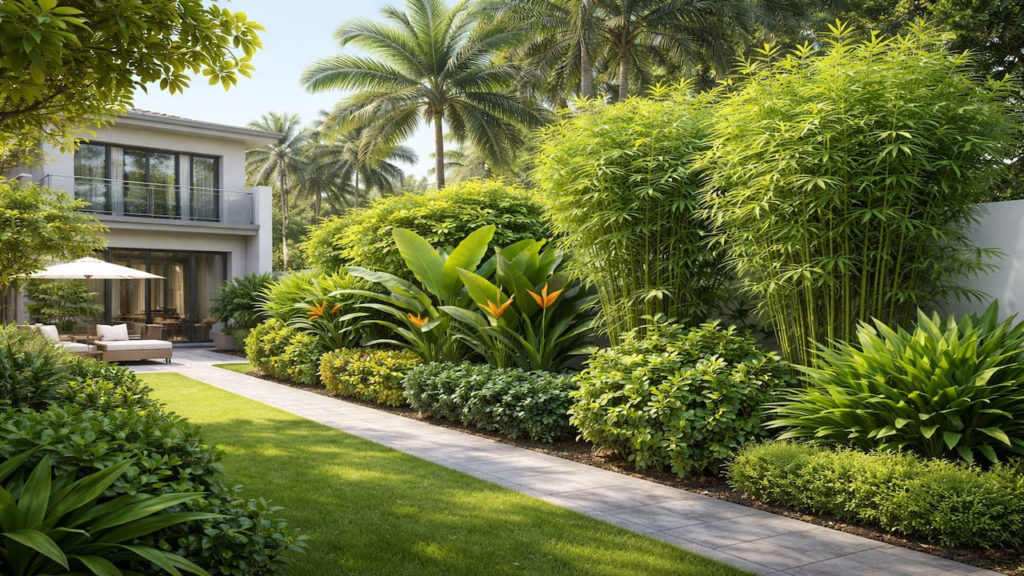
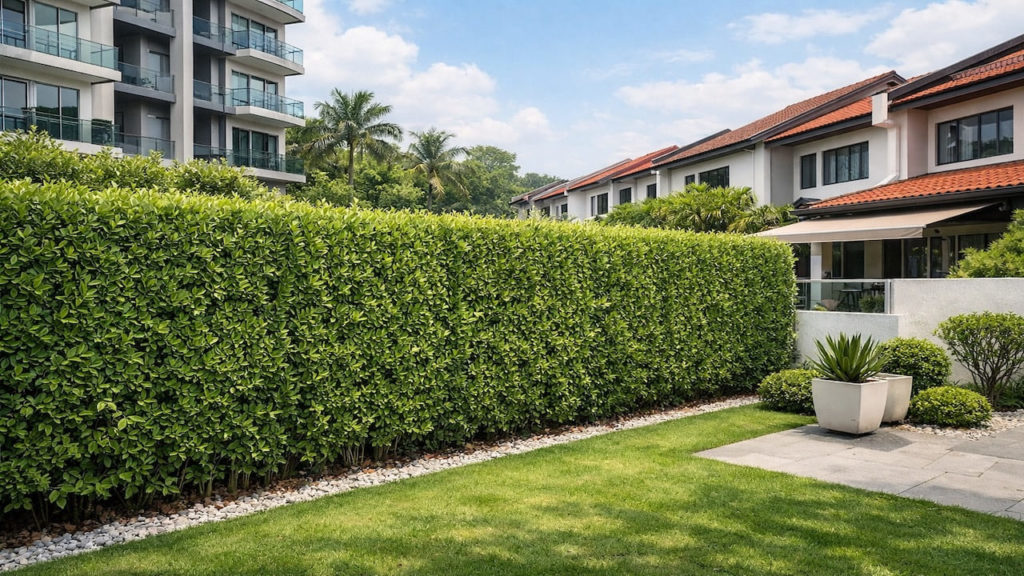
Privacy. You want small leaves, tight branching, and quick regrowth after light trims. Malaysia sun pushes growth, but heavy rain can wash nutrients and thin the hedge if roots stay stressed. In narrow yards, a hedge that tolerates partial shade matters more than a “full sun” label.
- Check leaf size for tighter visual blocking
- Test branch density by looking through the plant
- Choose mature height that matches your fence line
- Confirm tolerance for rain and humid airflow gaps
- Inspect nursery pots for surface roots and stress
Some people chase the tallest species, thinking taller equals better privacy, but gaps at eye level ruin the whole point. Fix the middle, not the sky. A dense hedge at 1.5–2 meters usually beats a tall hedge you can see through.
2. Fast growth with less mess to clean up
Fast growth only helps when the plant stays tidy—otherwise you trade privacy for endless sweeping and clogged drains.
Less mess. Look for hedges with smaller leaves, fewer flowers or fruit drop, and predictable trimming response. In Malaysia’s wet season, some “fast” hedges shed after storms, then you’re clearing leaves from porch corners and drain covers. A hedge that holds foliage through heavy rain is the real win.
- Prefer small-leaf varieties with low litter year-round
- Avoid heavy fruiting shrubs near walkways
- Pick hedges that resprout clean after trimming
- Choose upright forms that do not sprawl sideways
- Skip thorny types where kids pass daily
You might think cleanup is just part of gardening, but the wrong hedge turns “some leaves” into daily hassle. Not worth it. Choose tidy foliage first, then chase speed inside that shortlist.
3. Why privacy hedges fail in humid small gardens
Hedges get thin when roots and airflow are stressed—and Malaysia humidity makes stress show up faster.
Airflow. Tight side yards trap moisture, so fungus and scale insects build up, and leaves drop from the inside first. When soil stays waterlogged, roots stop feeding well, and the hedge grows patchy even if the top looks green. Add hard surfaces that reflect heat, and you get hot days plus wet nights that swing stress hard.
- Watch for yellow inner leaves and bare stems
- Check soil for soggy smell after rain
- Notice ants farming pests on tender shoots
- Look for black spots and powdery leaf film
- See if sprinklers wet leaves every evening
People blame the plant, but the setup usually fails the plant first. Harsh truth. If you fix drainage, spacing, and watering style, many “bad hedges” suddenly behave like good hedges.
4. How to get privacy fast without constant cleanup
Build privacy by training density early—spacing, pruning rhythm, and watering style decide whether the hedge stays neat.
Expect RM120–600 for starter plants plus basic mulch for a short run, depending on species and length. Fast privacy comes from tight spacing that still allows airflow, then light trimming to push side shoots. In Malaysia, water deeply in the morning so leaves dry, and keep a mulch ring to reduce splash and fungus.
- Space plants for airflow not maximum tightness
- Trim tips lightly to force side branching
- Water soil deeply and keep leaves drier
- Mulch bases to stop splash and weeds
- Collect clippings fast to avoid drain clogging
Some owners avoid pruning because they fear slowing growth, but skipping early trims creates tall, thin hedges that never fill in. Do it early. Light, frequent trims are cleaner than one brutal cut that triggers messy regrowth.
5. FAQs
Q1. How tall should a privacy hedge be for a small home?
Most privacy needs are solved when the hedge blocks eye-level views from the street or neighbor windows. In small Malaysia lots, 1.5–2 meters often works without becoming hard to manage.
Q2. What makes a hedge “low mess” in practice?
Low mess means low leaf drop and clean trimming response, not just “evergreen” labels. Avoid heavy flowering or fruiting shrubs near paths and drains.
Q3. How often should I trim to keep it dense?
Light trims every 4–8 weeks during fast growth usually keeps the hedge thick without big piles of clippings. In rainy months, adjust timing so cuts dry quickly and fungus stays low.
Q4. Can I get privacy fast without planting too close together?
You can, if you choose naturally dense varieties and train them early with tip trims. Aim for airflow first—then let the hedge fill in steadily.
Q5. What is the quickest warning sign a hedge will become a chore?
If the inside is already bare or yellow at the nursery, it often stays thin and sheds more later. Also watch for pests and sticky residue, which usually means ongoing cleanup.
Pro’s Tough Talk

Alright, I’ve been on site 20+ years and done hundreds of jobs, and I’ve watched people plant hedges like they’re throwing a blanket over a problem. Malaysia heat and rain will judge you fast. You want privacy, not a second job.
Cause breakdown is simple: wrong plant, wrong spacing, wrong water. A hedge is a living wall, not plastic fencing, so it needs airflow and roots that can breathe. Classic move: jam plants tight, then act shocked when fungus shows up.
Immediate 3-step: fix drainage and splash first, space for airflow second, then tip-trim early and often. Another classic: overfeed, get wild growth, then panic when it drops leaves everywhere. Yeah right, that “no maintenance” hedge exists.
Here’s the cold structure: the hedge will follow your setup, not your wishes. Train density early or you’ll chase gaps forever. You didn’t fail, and the nursery didn’t “scam” you, but the system punishes lazy setup.
A messy hedge is like a feather pillow in a storm: it explodes and you’re cleaning for days. Do the boring basics now, or enjoy waving at your neighbor through your “privacy” hedge.
Summary
Real privacy comes from dense leaves, healthy roots, and airflow that keeps the hedge thick in Malaysia’s humid swings.
If your hedge is thin, messy, or full of pests, fix water patterns and trimming rhythm before you blame the plant and replant again.
Choose tidy foliage and train density early and you can move on to other upgrades like lighting, paths, and seating that make the garden feel private.