Storms can turn a normal garden into a slip risk and a mess zone overnight in Malaysia, especially when wind blows debris into corners and water pushes dirt onto paths.
Heavy rain, gusts, and humidity punish weak anchors, cluttered routes, and blocked drains around terrace homes and condo patios. Small issues become big fast.
In this guide, you’ll learn how to prep a garden so storms cause less damage. You will make paths safer, anchor items better, and keep corners cleaner during wet months.

Hi, I’m Ken. I write practical home guides for Malaysia—no fluff, just what works.
I hold a formal building design qualification and have spent about 20 years on job sites across hundreds of projects. My goal is simple: help you avoid costly mistakes with clear, safe steps—a quick way to decide what to do next.
1. Storm-ready garden design: 5 tips
Prepare storms by simplifying the walking line so Malaysia downpours do not turn your route into a hazard.
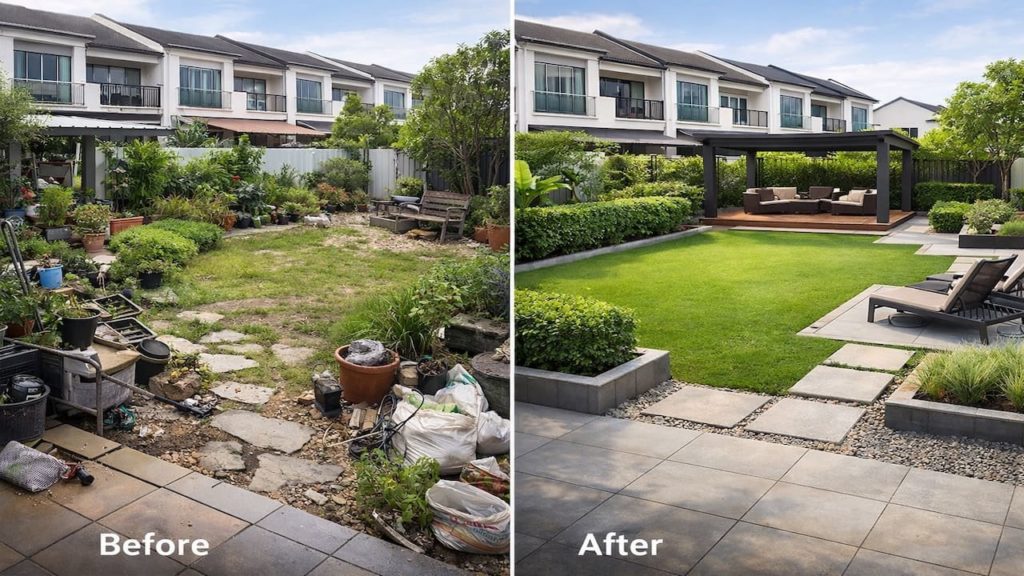
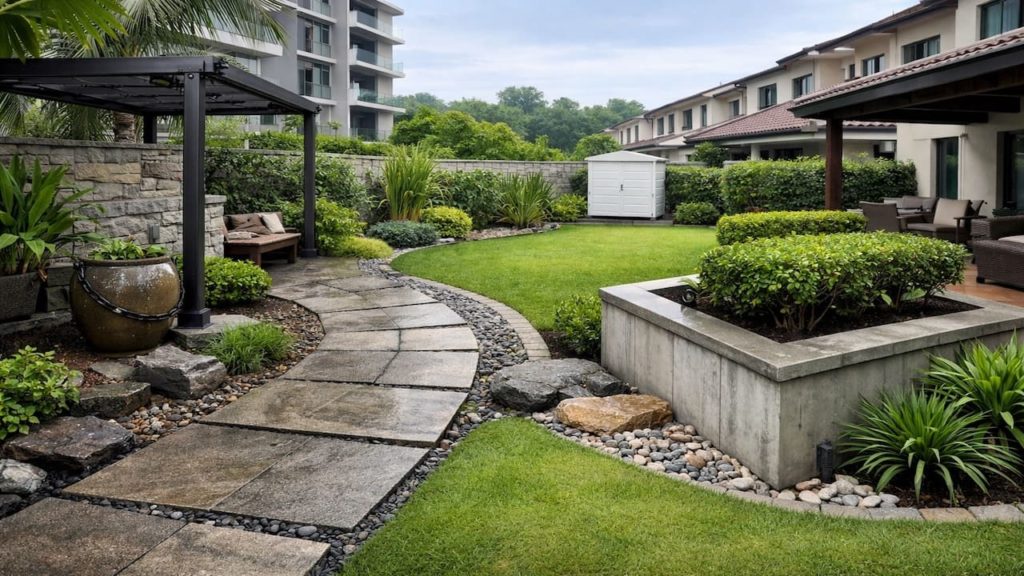
When the path is clear, water can run off, you can rinse quickly, and you can move around safely even with wet shoes. Safety lane. Clutter forces detours into wet pockets, and that is when slips happen. Start by choosing one main route and keeping it free.
- Clear the main path line of all items
- Keep the path widest at door and gate
- Angle the path toward a reachable drain point
- Remove loose mats that shift when soaked
- Store tools inside one closed box
You might think storms are rare, but Malaysia weather can hit hard with little warning. A clear route reduces both risk and cleanup time. Keep the lane open and you win.
2. Safer paths, stronger anchors, cleaner corners
Anchor and group items so wind and runoff do not scatter your garden during Malaysia storms.
Storm mess comes from light objects moving, pots tipping, and soil washing into corners, where it stays damp and grows algae. Anchor logic. Grouping reduces scatter and makes cleanup one quick loop. Plan RM30–180 for basic pot feet, hooks, and a drain screen if you need simple helpers that improve stability and drying.
- Move lightweight decor into indoor storage
- Group pots into one cluster against a stable wall
- Use hooks or straps to secure tall items
- Raise pots with feet to improve drying
- Install drain screen to catch leaves early
You may want to “leave it as is,” but storms punish loose items and you pay later with broken pots and dirty paths. Malaysia wet months reward boring stability. Secure the anchors and your yard stays calmer.
3. Why storms create slippery paths and messy corners
Because storms push water dirt and leaves into the same low points and corners every time.
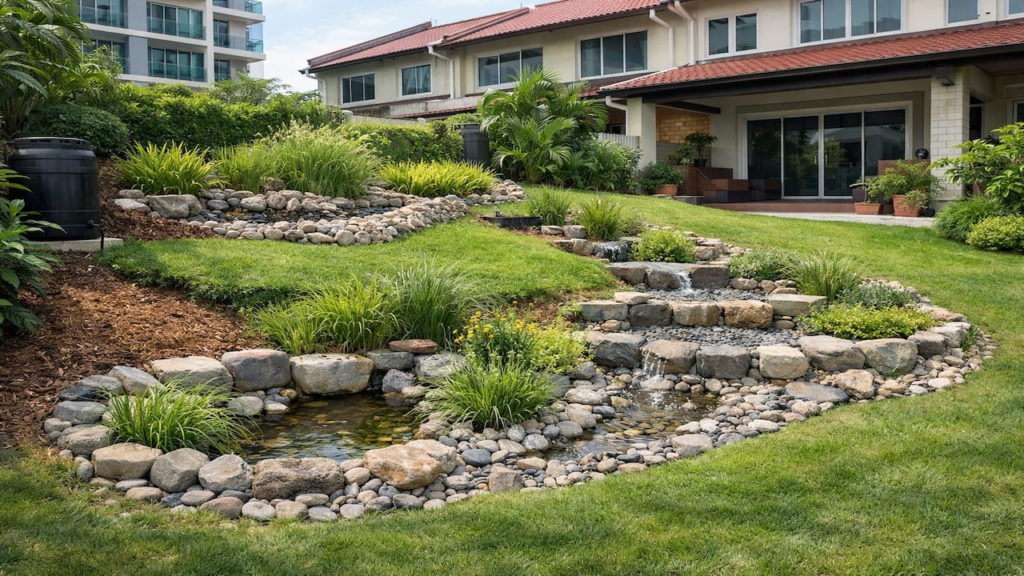
Runoff follows slope and seams, carrying grit onto smooth surfaces, while wind drives leaves into tight edges where drains clog. Repeat pattern. Once drains slow, overflow spreads dirty water across the walking line and corners stay damp longer. In Malaysia humidity, damp corners then grow algae film and smell musty.
- Low seams collect runoff and become slick lanes
- Leaves clog drains and force dirty overflow
- Soil splash stains wall bases and tile edges
- Clutter blocks airflow and slows drying time
- Tall items tip and damage edges when windy
You might think it is just “bad weather,” but the same pattern repeats because the layout repeats. Malaysia storms are random, yet the damage locations are not. Fix the low points and the corners stop suffering.
4. How to set up storm-ready corners and routes fast
Set it up by building a storm cleanup loop so you recover fast after Malaysia downpours.
Clear the path, protect soil edges, and keep drains reachable, then create one corner “catch zone” that you can sweep and rinse in minutes. Recovery loop. The cost is mostly time/effort, because you are rearranging and testing, not rebuilding. After storms, a quick rinse prevents film from bonding and keeps the garden safer.
- Mark one runoff lane and keep it obstacle free
- Flush drains and remove leaf buildup weekly
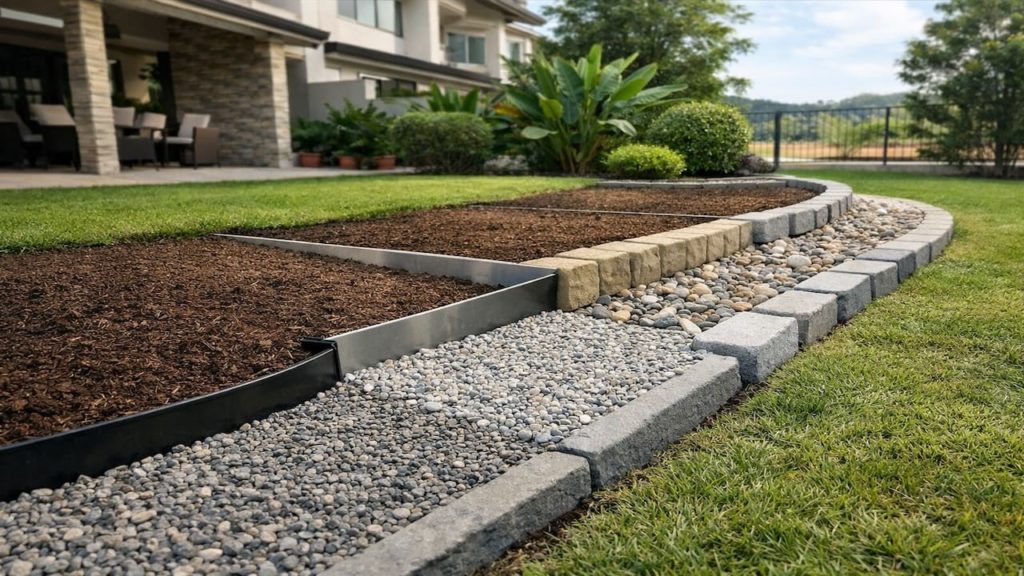
- Set one edging line to contain soil washout
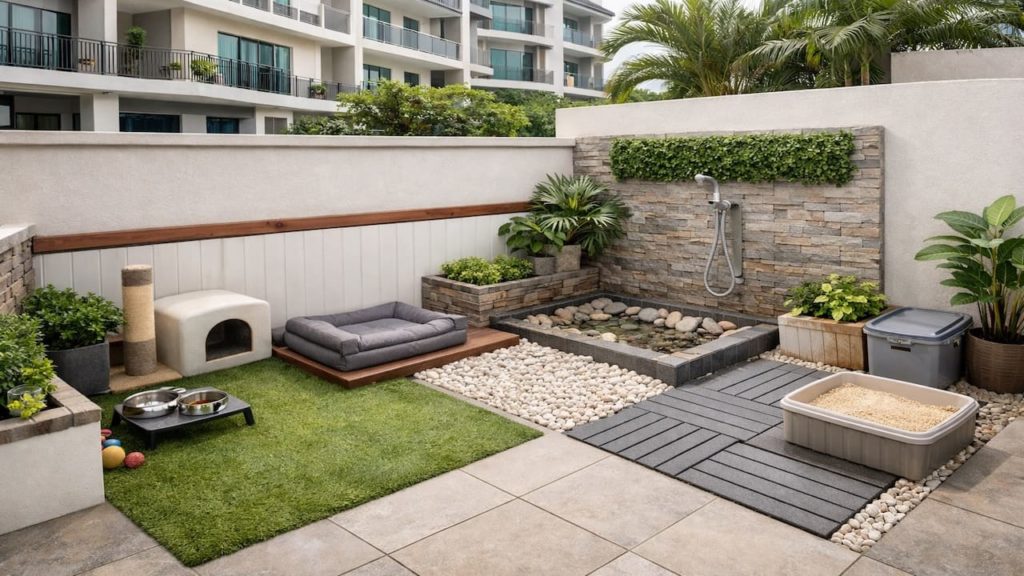
- Designate one corner as a sweepable catch zone
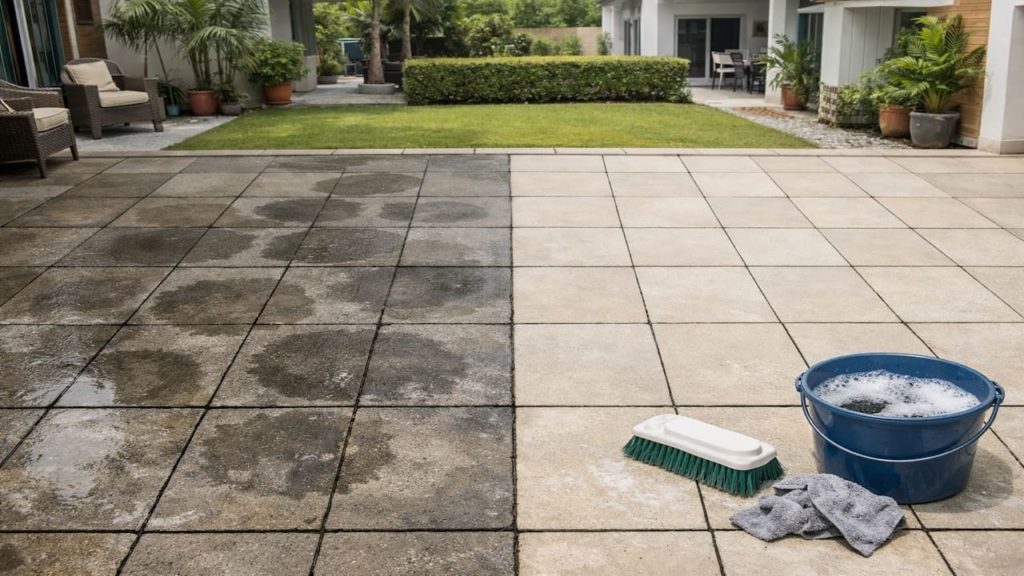
- Rinse paths early after storms to stop film
You may think preparation is overkill, but storm-ready design simply makes normal living easier too. Malaysia rain will keep coming. Build the loop once and stop scrambling every time.
5. FAQs
Q1. What should I secure first before a storm?
Secure tall items and clear the main walking line so nothing tips or blocks your route. Stability and access are the first wins in storm prep.
Q2. How do I reduce slippery paths after heavy rain?
Remove loose mats, rinse early, and scrub algae film before it thickens. Keeping drains flowing prevents dirty overflow that makes surfaces slick.
Q3. What is the best way to keep corners from getting dirty?
Make one corner a catch zone and keep it open so you can sweep and rinse quickly. Avoid stuffing corners with storage that traps damp and leaves.
Q4. Should I remove plants during storm season?
No, but group pots, reduce scattered items, and avoid placing plants in the runoff lane. Plants should frame paths, not block drainage and airflow.
Q5. What weekly habit keeps the garden storm-ready?
Clear drains, trim fast growers, and keep the main path free of clutter. Small weekly resets prevent big storm cleanup later.
Pro’s Tough Talk

Alright, I’ve been on site for 20+ years and I’ve done hundreds of jobs, and storms don’t destroy gardens, weak setups do. In Malaysia humidity, a messy corner becomes a wet trash trap the moment wind and rain team up.
Three causes: loose items that turn into flying junk, drains that clog because nobody checks them, and cluttered paths that force you to step where it’s slick. That’s like leaving tools on a roof and acting surprised they fall. Contractors aren’t all villains, but rushed work skips the boring anchor and drainage thinking.
Do three steps now: clear the walking line, group and secure pots, then flush drains and make one corner a sweepable catch zone. Relatable moment: you hear a crash and it’s a pot tipping. Relatable moment: you step out after rain and your slipper slides.
Here’s the cold system: storm-ready means repeatable recovery, and if your setup needs heroic cleaning, you won’t do it and the mess will compound. (Seriously?) Why are your light decorations sitting out like they want to escape?
Prep once, or keep paying the storm tax with broken pots, slick tiles, and that corner that always smells damp.
Summary
Storm-ready garden design focuses on safer clear paths, secure anchors for tall and light items, and corners that stay open for quick sweeping in Malaysia wet months.
If storms keep creating mess, the causes are repeating low points, clogged drains, and clutter that blocks airflow and cleanup, so build a simple recovery loop.
Today, clear the path and secure loose items, then continue with a drainage-first guide and a rainy-season safety guide for cleaner wet months.