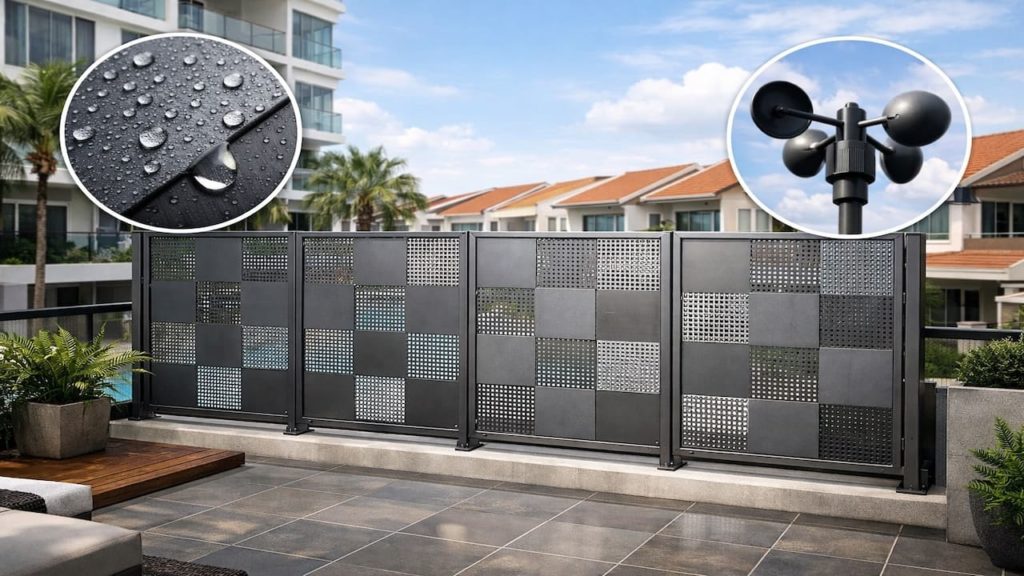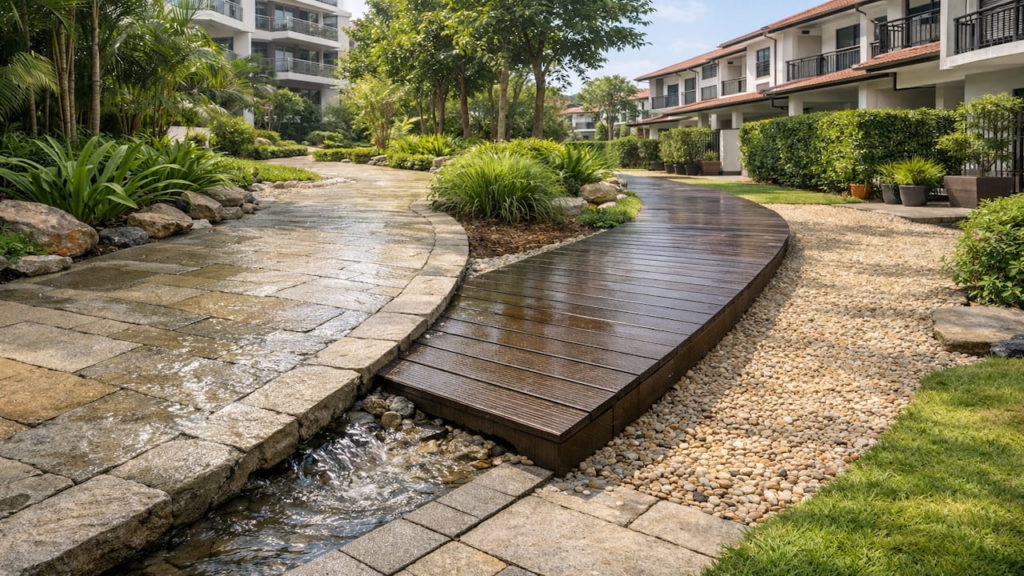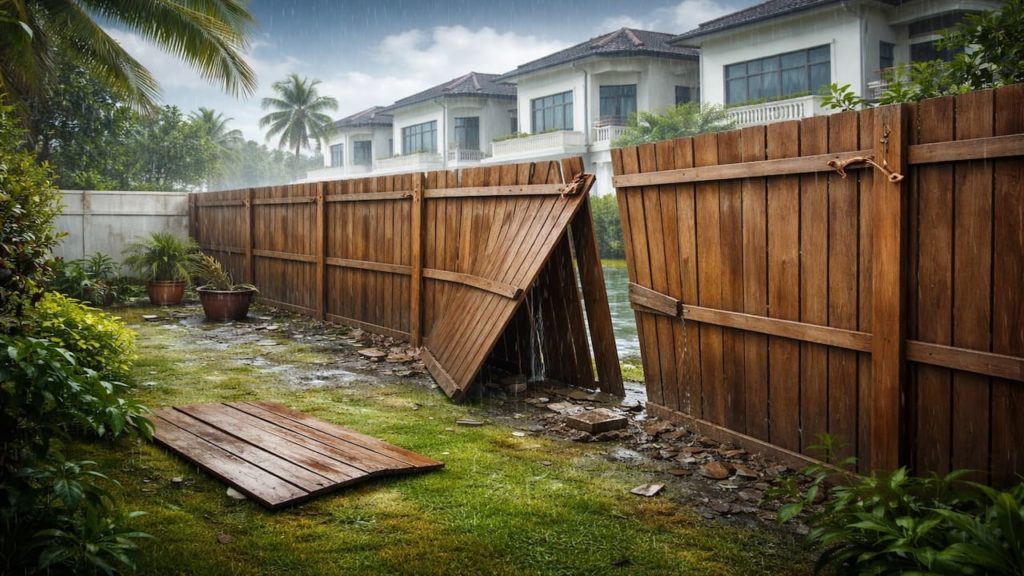
Your fence looks “fine” until you notice people can still see through, or the panels start moving after a few Malaysia storms.
Most privacy fences fail from small joint shortcuts, not one dramatic collapse, and wet heat makes tiny gaps and loose screws grow fast.
In this guide, you’ll learn how to spot cheap joint failure by simple signs, what those signs really mean, and how to act before the damage spreads.

Hi, I’m Ken. I write practical home guides for Malaysia—no fluff, just what works.
I hold a formal building design qualification and have spent about 20 years on job sites across hundreds of projects. My goal is simple: help you avoid costly mistakes with clear, safe steps—a quick way to decide what to do next.
1. Fence privacy mistakes: 5 signs
Small joint flaws reveal big risk long before the fence falls.
In Malaysia housing, rain hits sideways and humidity stays high, so joints are under stress every week—tiny movement becomes a permanent lean. Joint failure. If you catch these signs early, the fix is often simple tightening and alignment instead of replacing whole sections. Money stays in your pocket when you act before holes widen and brackets bend. Look close, not far.
- Push top rail and feel any springy movement
- Check bracket screws for rust and wobble
- Look for gaps growing at slat ends
- Listen for clicking sounds during wind gusts
- Inspect base area for pooling water stains
Some owners think a little movement is normal, but movement is the start of oval holes and loose posts in wet months. Do not panic. Just treat it as a warning light and inspect the joints now.
2. Cheap joints fail in rain and wind
Weak joints fail before materials even when boards still look new.
Cheap joints usually mean thin brackets, short screws, poor alignment, or missing mid supports that let panels act like sails in wind—then rain drives water into the loosened gaps. Wind load. In Malaysia humidity, rust eats threads and reduces grip, so “tight yesterday” becomes “loose today” after repeated wet-dry cycles. The surface can look clean while the joint is quietly dying behind it. That is why noise and wobble matter.
- Check bracket thickness against visible bending marks
- Confirm screws bite solid frame not thin cladding
- Inspect joints for black streaks from trapped water
- Watch for slats rubbing and shaving paint
- Test each panel corner for diagonal twist
Some contractors say the wind is the problem, but wind is normal and joints are built to handle it. You do not need to blame anyone. You just need proof of proper hardware and proper seating, because physics does not care about excuses.
3. Why joints loosen faster in Malaysia weather
Humidity accelerates looseness by keeping joints wet and active.
When metal stays damp, rust forms and threads lose bite, and when wood stays damp, swelling pushes joints out of square and creates repeat movement. Moisture cycle. Heavy rain splash keeps the base wet, so posts shift slightly, and that slight shift makes every bracket work harder on the next gust—this is how “tiny wobble” becomes “leaning fence.” If drainage is poor, the joint never gets a true dry reset.
- Check for rust powder around bolt heads
- Look for oval holes around bracket screws
- Inspect for swelling edges near fastener points
- Find mud buildup trapped behind bottom rails
- Notice algae film where water dries slowly
Some people think joint loosening means low skill, but even good work suffers if water sits and airflow is blocked. Not your fault. Fix water exit and the same joints stay stable longer, because the system finally dries.
4. How to catch and fix joint shortcuts early
Lock the joint before it deforms and you avoid a rebuild.
Start with a push test and a water test, then tighten and re-seat joints while holes are still round and frames are still square. Quick fixes. RM5–20 for basic supplies like washers, replacement screws, and small caps can solve many early issues, while the expensive part is waiting until you need new posts. Photograph every problem joint before and after, because it keeps the conversation clean if a contractor returns. Evidence wins.
- Brace the panel upright before tightening bolts
- Replace spinning screws with larger gauge fasteners
- Add washers to spread load on brackets
- Clear runoff paths so base dries after rain
- Recheck torque after first storm cycle test
Some homeowners tighten everything blindly, but over-tightening can strip threads and make the next failure faster. Go step by step. If a joint keeps moving after proper seating, upgrade the bracket and add a mid support instead of adding height or weight.
5. FAQs
Q1. How much movement is acceptable when I push the fence?
A tiny flex is normal, but the base should not rock and the joint should not click or shift. If it moves more after rain, treat it as an early failure sign.
Q2. What is the biggest shortcut contractors take on privacy fences?
Undersized brackets and fasteners is a common shortcut because it looks fine on handover day. In wet months, those parts loosen first and start the lean.
Q3. Can I fix a loose joint without removing the panel?
Often yes, if you brace the panel upright and can access the brackets safely. If holes are already oval or the base is cracked, you may need partial removal.
Q4. Should I choose solid panels or slats for windy areas?
Slats usually handle wind better because air passes through, which reduces load on joints. Solid panels can work, but they need stronger posts and better bracing.
Q5. How often should I inspect joints in rainy season?
Check after the first big storm, then monthly during wet months. Malaysia humidity and splashback can loosen joints faster than you expect.
Pro’s Tough Talk

Listen, I have over 20 years on site and I have done hundreds of different jobs, and fence joints are where people get lazy because “it looks finished.”
Cause is 3 things. Thin brackets bend. Short screws strip. Water sits at the base and everything stays damp in Malaysia wet heat.
Do 3 steps now. Push the base and feel for rocking, not just panel shake. Run water and watch where it pools. Make them re-seat the joint and tighten into real structure.
This is like hanging a heavy door on soft cardboard, like wrapping a broken chair leg with tape—Stop movement before holes deform and the fence starts acting like a fence.
When you carry laundry past it and when you drag the bins out, you will hear the rattle if they cut corners, tsukkomi: if you want that soundtrack, start selling tickets.
Summary
Fence privacy failures show up early as wobble, clicking joints, growing gaps, and water pooling at the base, especially in Malaysia rain and humidity.
If you catch these signs now, you can tighten, re-seat, and improve drainage before posts loosen and holes go oval. If movement returns after one storm, upgrade the joint and add support.
Do the push test today and then read your related guides on DIY privacy repair and fence contractor privacy checks to keep your fence quiet and straight.