You add plants or screens for privacy, then the garden steps become a tight obstacle course and someone nearly trips carrying laundry or groceries. That is not the upgrade you wanted.
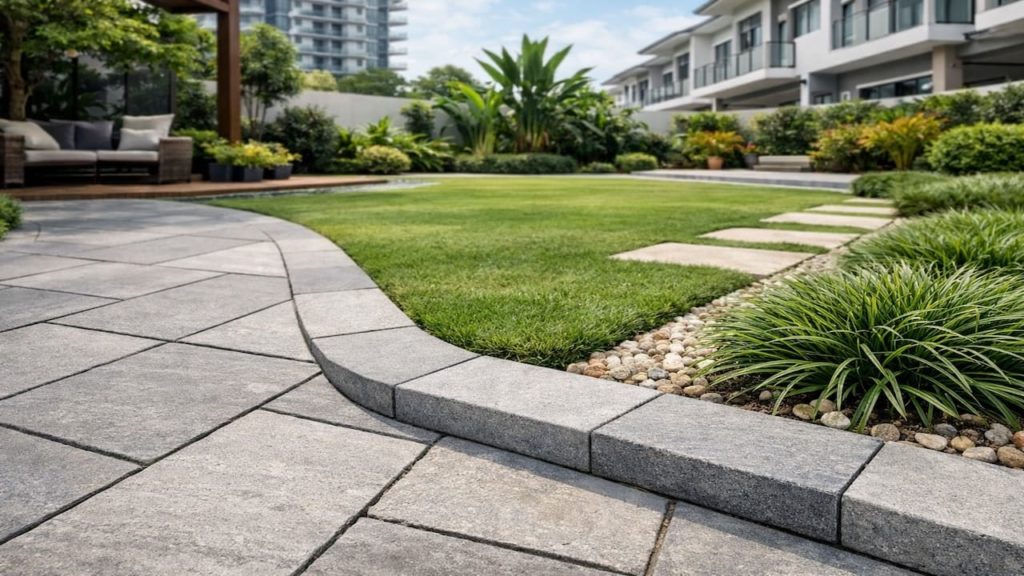
In Malaysia, rain, algae film, and cramped terrace-house side paths make small level changes feel bigger, especially at dusk. A privacy setup can accidentally hide the safest walking line.
In this guide, you’ll learn keep steps safe while improving privacy by checking sightlines, edge clarity, and route width so your garden stays comfortable in Malaysia housing.

Hi, I’m Ken. I write practical home guides for Malaysia—no fluff, just what works.
I hold a formal building design qualification and have spent about 20 years on job sites across hundreds of projects. My goal is simple: help you avoid costly mistakes with clear, safe steps—a quick way to decide what to do next.
1. Privacy around steps: 5 checks
Privacy works only when the route stays clear footing—especially around steps in Malaysia wet weather.
Steps in tight garden routes fail when edges blend into shadows and plants crowd the landing. Malaysia humidity grows slick film fast, and a “pretty corner” becomes a slip corner. Tight routes. You do not need a rebuild, you need smarter placement.
- Stand inside and trace the walking sightline
- Check step edges at dusk and after rain
- Measure route width with shoulders and bags
- Look for hidden hose loops near landings
- Test each step for wobble and loose nosing
You might think adding more screening fixes privacy, but it can hide hazards and force awkward turns. Keep the safe line obvious, then layer privacy beside it. Simple control.
2. Avoid trip points in tight garden routes
Trip points appear when privacy elements create blind corners—pots and screens shift the path without warning.
In Malaysia terrace homes, side yards are narrow, so one planter can cut the walking lane in half. After heavy rain, soil settles and pots lean, and the landing becomes uneven. Small mistakes. You save money by preventing repeated fixes and cracked tiles.
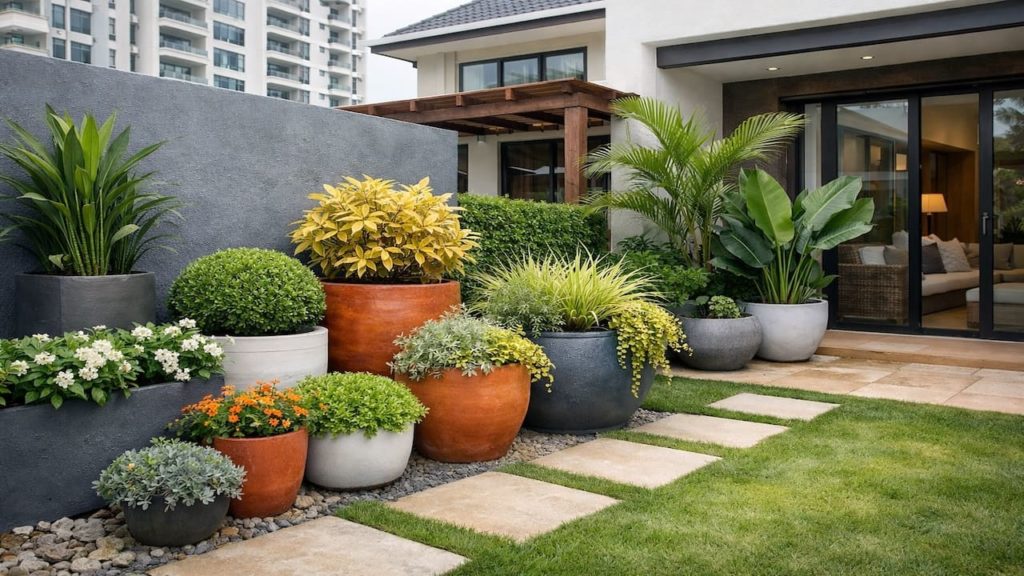
- Move pots away from step landing corners
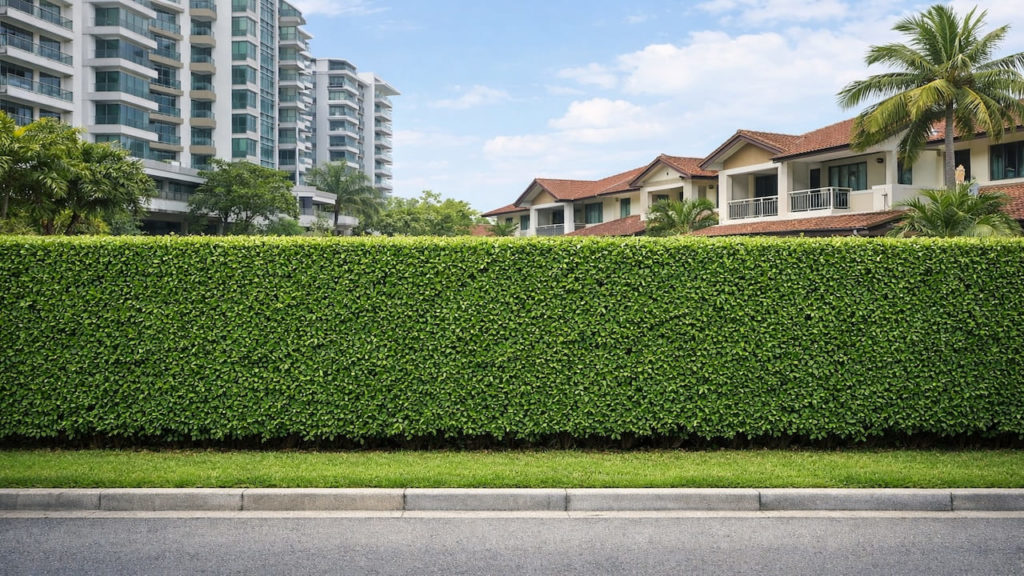
- Trim hedge back to widen shoulder space
- Route hoses along walls using clips
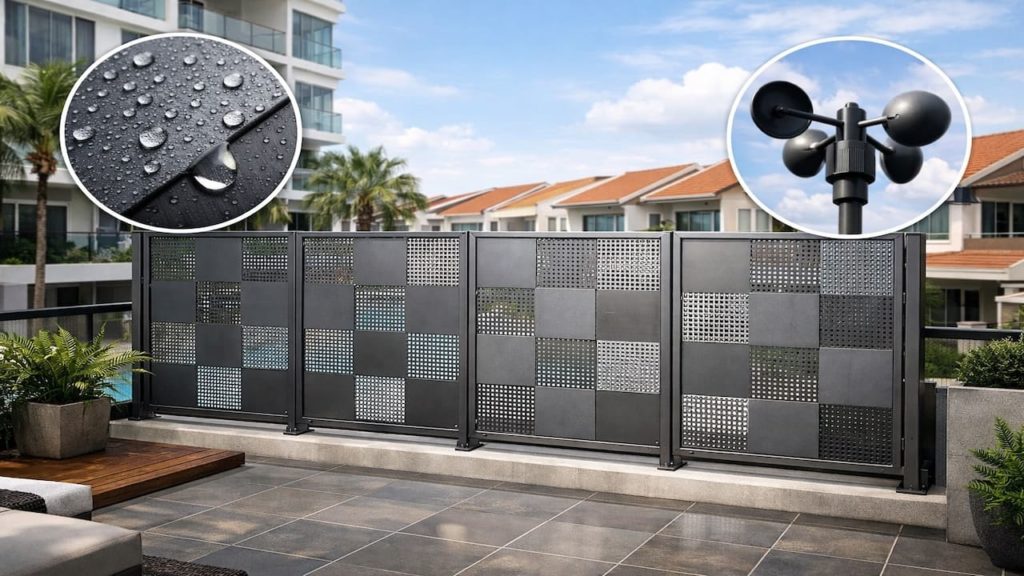
- Remove low screens that block step edge view
- Keep drain covers flush with walking line
Some people say “just walk slower,” but that fails when you carry laundry or chase a child. Fix the layout, not the person. Your privacy can stay, just not in the walking lane.
3. Why privacy upgrades create step hazards
Most hazards happen because privacy blocks light and sight, creating misread levels on steps.
Plants grow into the route, and screens cast hard shadows that hide the step edge. Malaysia rain makes dark tiles look glossy, so depth perception gets worse at night. Visual tricks. When the edge is unclear, feet land wrong even for careful adults.
- Notice shadow lines crossing step edges daily
- Check algae film on treads after wet days
- Spot wet splash zones from downpipes nearby
- Identify narrow turns where feet cannot align
- Watch where visitors hesitate before stepping down
You may blame the step design, but layout and maintenance decide safety more than style. Make edges readable and the route wide enough. Then privacy feels relaxing, not risky.
4. How to add privacy without making steps dangerous
Design privacy so the step route stays edge visible even in Malaysia rain and evening light.
Start with a clear walking channel, then place screens and plants to the side, not on the turn. Add simple edge markers and low lighting so steps read correctly at night. Budget RM30–120 for basic supplies like anti-slip tape, clips, and small step lights. Quick wins. This keeps privacy strong without turning your garden into a trap.
- Mark step edges with bright non slip tape
- Add low lights aimed at each riser
- Anchor screens so they cannot swing inward
- Set pots on pavers to stop shifting
- Scrub treads weekly to remove algae film
It can feel like extra work, but one fall costs more than all these fixes. Keep the route simple, then build privacy layers beside it. Safety first, and the space still looks premium.
5. FAQs
Q1. How wide should a garden step route be in a tight yard?
Keep at least shoulder width so you can carry laundry or bags without turning sideways. In Malaysia terrace-house side paths, even a small pinch point creates trips.
Q2. Are plants a bad idea near steps?
No, but keep them off the landing and away from the step edge line. Choose placement that will not creep into the walking channel.
Q3. What makes steps slippery during wet months?
Algae film and fine dirt create a smooth layer, especially on dark tiles. Scrub texture zones and improve drainage so water does not sit.
Q4. Should I use screens or planter walls near steps?
Screens work if they are anchored and do not swing into the route. Planter walls must stay stable and never block the step edge view.
Q5. How do I test safety quickly after changes?
Walk the route at dusk, then again after rain, while carrying something bulky. If you hesitate, the layout needs a small reset.
Pro’s Tough Talk

Listen, I’ve been on site for 20+ years and handled hundreds of jobs, and step accidents are not “clumsy people,” they are predictable in Malaysia humidity. I don’t blame you, and I’m not saying every installer is bad, but the structure is cold.
Cause is 3 things. Privacy stuff blocks the view, so your brain misreads the edge. Wet season grows slick film, so traction disappears fast. And tight routes force weird turns, so feet land crooked. Risk.
Do 3 steps now. Clear the landing so you can plant your whole foot. Mark the edge and add low light so the step reads at night. Scrub the tread and fix water flow so it dries faster.
This is like putting a curtain over a staircase, like driving with fogged glasses, so tsukkomi: what did you expect? Make the edge obvious and the route stops punishing you when rain hits.
The “laundry basket dash” moment and the “one hand on groceries” moment are when you slip, so fix it now or keep collecting near-miss stories like trophies.
Summary
Privacy around steps should never hide the walking line, especially in Malaysia wet weather where slick film and shadows grow fast. Check edges, landings, and route width first. Safety.
If you still hesitate at dusk or after rain, treat it as a layout problem and move screens and pots away from turns. When the step edge reads clearly, comfort returns quickly.
Do one dusk walkthrough today, mark the worst edge, and then open the next guide on rainy season garden safety to keep privacy and movement working together—no surprises.