You plant for privacy, stand back, and still see straight through the gaps. Weeks later it looks almost the same, and you start wondering if you bought the wrong plants.
In Malaysia, fast growth is possible, but humidity also punishes crowded roots and poor airflow. If spacing is wrong, plants either stay thin or shoot tall and leave the base see-through.
In this guide, you’ll learn avoid privacy plant spacing mistakes that keep gaps visible by spotting common errors and fixing spacing, pruning, and placement for Malaysia housing.

Hi, I’m Ken. I write practical home guides for Malaysia—no fluff, just what works.
I hold a formal building design qualification and have spent about 20 years on job sites across hundreds of projects. My goal is simple: help you avoid costly mistakes with clear, safe steps—a quick way to decide what to do next.
1. Privacy plant mistakes: 5 mistakes
Most privacy planting fails because people copy nursery spacing and ignore mature width and lower branching needs in Malaysia gardens.
Nursery plants look compact because they are trimmed and supported, but they change shape once planted. Malaysia rain and heat also create uneven growth, so one plant dominates while another stalls. Spacing mistakes. Fixing them early saves you from years of staring at the same holes.
- Planting by pot size not mature spread
- Placing plants too close to fences and walls
- Mixing sun and shade plants in one line
- Skipping early pruning that forces side shoots
- Overwatering one section and starving another section
You might think more plants means fewer gaps, but bad spacing can create weaker growth and more visible holes. Plan for airflow and branching, not just density. Better screen.
2. Wrong spacing makes gaps stay visible
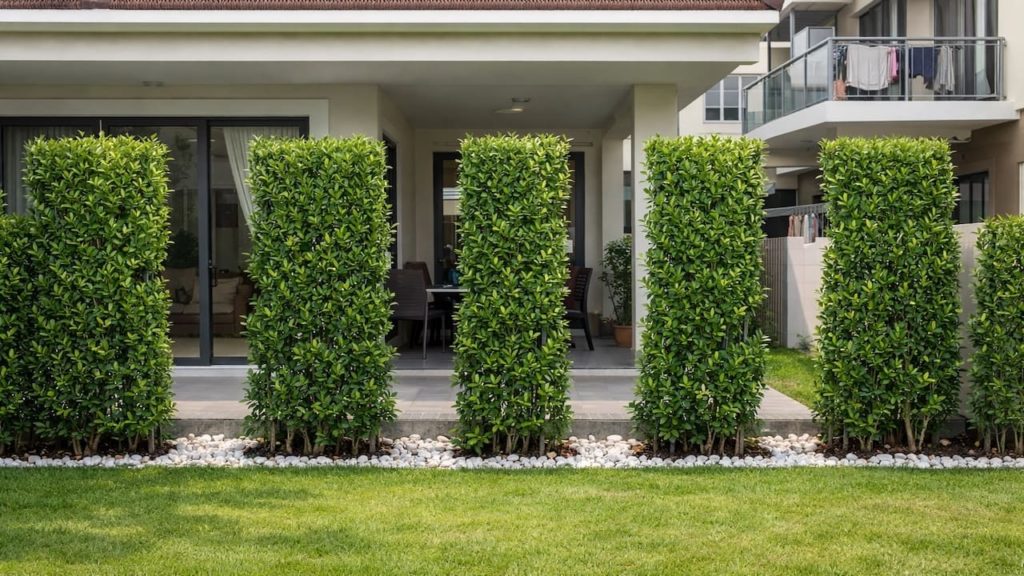
Wrong spacing keeps gaps visible because plants do not branch low and cannot fill sideways—your line becomes tall stems with empty base sightlines.
If you space too far apart, the plants never touch, so the gap becomes permanent. If you pack too close, roots compete, leaves drop low, and the base stays thin, especially in Malaysia humidity. The sweet spot is spacing by mature width and forcing lower growth early. If you purchase supplies, budget RM10–60 for basic items like mulch, simple stakes, and pruning shears to guide density.
- Measure center to center spacing with a tape
- Target overlap at mature width not nursery width
- Prune tips early to trigger side branching growth
- Keep lower stems in light not deep shade
- Mulch roots to reduce heat and water swings
Some people wait for plants to “naturally fill in,” but without early shaping and correct spacing, the gap line stays a gap line. Fix spacing now, then prune for thickness. Faster cover.
3. Why spacing mistakes show up more in Malaysia
Spacing mistakes show up faster because humidity and rain amplify problems—crowded lines trap moisture and create fungus driven thinning.
In wet months, leaves stay damp longer in dense planting, so fungus spots and leaf drop start at the bottom. Heat from concrete edges also stresses roots, so one plant slows and creates a permanent hole. Uneven growth. The result is a tall green top with a see-through lower section, which is the exact opposite of privacy.
- Check lower leaves for drop and bare stems
- Look for fungus spots after rainy week cycles
- Notice one plant growing faster than neighbors
- Inspect soil moisture differences along the line
- Watch for wind tunnel zones that dry one side
You may blame the species, but spacing, drainage, and sun match decide thickness more than the label. Correct the conditions and the screen improves without replacement. Smarter fix.
4. How to fix gaps without ripping everything out
You can fix gaps by improving conditions and shaping growth with lower branching focus and strategic gap filling for Malaysia gardens.
Start by identifying whether the gap is from slow growth, leaf drop, or dead roots, then adjust spacing and airflow. Use one or two filler plants only where needed, and prune existing plants to thicken outward. Budget RM40–250 if you purchase a few filler plants, better potting mix, or larger planters for weak sections. Practical. The goal is to make the lower 1 m dense, not just the top.
- Prune the top to push energy sideways
- Add one filler plant in the true hole area
- Open airflow by removing crowded inner branches
- Improve drainage to stop bottom leaf drop
- Shift one plant slightly if spacing is extreme
You might worry pruning reduces privacy short term, but it forces the plant to build the lower wall you actually need. Short pain, long gain. Better coverage.
5. FAQs
Q1. How do I know my spacing is too wide?
Visible daylight between plants after a few months is the clue, especially at seated eye level. If side branches are not reaching, the spacing is likely too wide.
Q2. Can planting closer fix the gap faster?
Closer can backfire in Malaysia humidity because airflow drops and leaf disease increases. Better to space correctly and prune for thickness than to overcrowd.
Q3. Should I choose one species or mix species?
One species is easier to manage for spacing and water needs. Mixing can work if sun needs and growth speed match closely.
Q4. Why is the bottom of my screen always thin?
Because light is blocked, trimming is late, or moisture stress causes lower leaf drop. Focus on early tip pruning and keep the base in brighter air.
Q5. What is the fastest way to cover a single gap?
Add one filler plant or a slim planter in the hole, then prune surrounding plants to push growth sideways. Fix the conditions first so the filler survives.
Pro’s Tough Talk

Listen, I’ve been on site for 20+ years and handled hundreds of jobs, and privacy plants failing is not “bad luck,” it is spacing and base care in Malaysia humidity. I don’t blame you, and I’m not saying every nursery sold trash, but the structure is cold.
Cause is 3 things. You space by nursery look, so the mature plant never overlaps and the gap stays forever. Or you cram them, so airflow dies, fungus eats the bottom, and you still see through. Then drainage is ignored, so roots drown or cook and one plant stalls. Predictable.
Do 3 steps now. Measure center to center spacing and compare to mature width, not pot size. Prune the tips to force side shoots and keep light at the base. Fix drainage and mulch so roots stay stable through rain swings. Done.
This is like building a wall with missing bricks, like tying your shoelaces loose and blaming the floor, so tsukkomi: why act surprised. Space for overlap prune early and protect the root base and gaps finally stop shouting at you in Malaysia.
The “hanging laundry and still feel watched” moment and the “you stare at the same hole every day” moment are when you regret guessing, so fix spacing now or keep donating money to plants that never do the job.
Summary
Wrong spacing keeps privacy gaps visible because plants cannot overlap and lower branches stay thin, especially in Malaysia humidity. Space by mature width, match sun needs, and start tip pruning early.
If your line stays see-through, treat it as a spacing and root condition issue before you buy more plants. Improve drainage, restore airflow, and use filler plants only where the hole is real.
Measure your spacing today, prune one line for lower growth, and then read the next guide on privacy plant trimming for thicker lower coverage to turn tall green tops into real privacy.