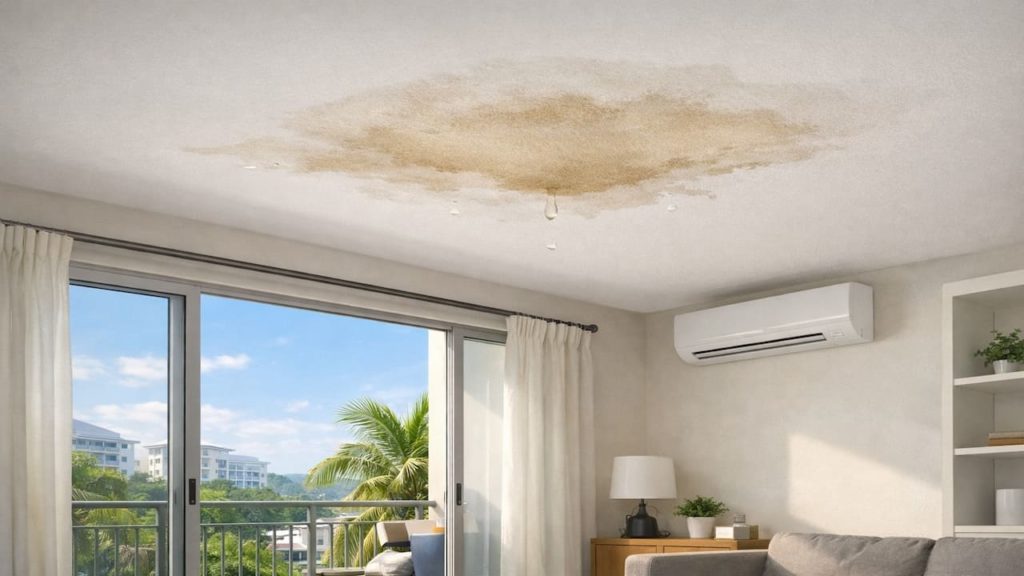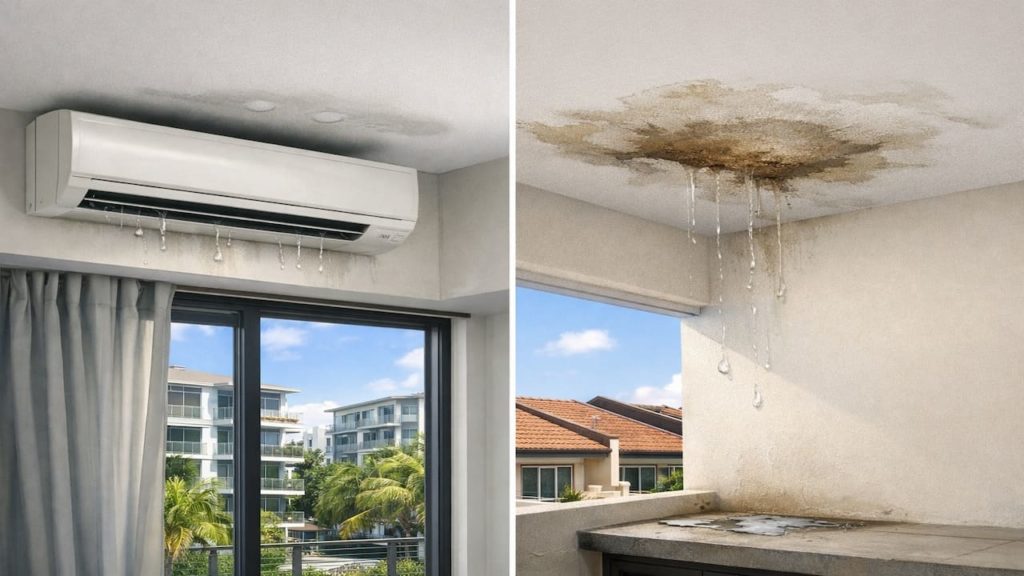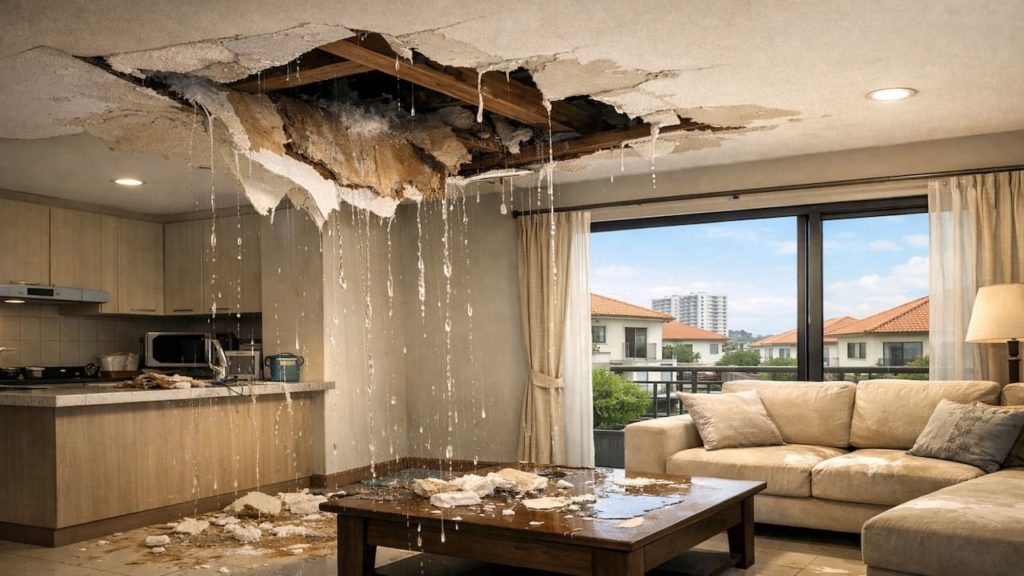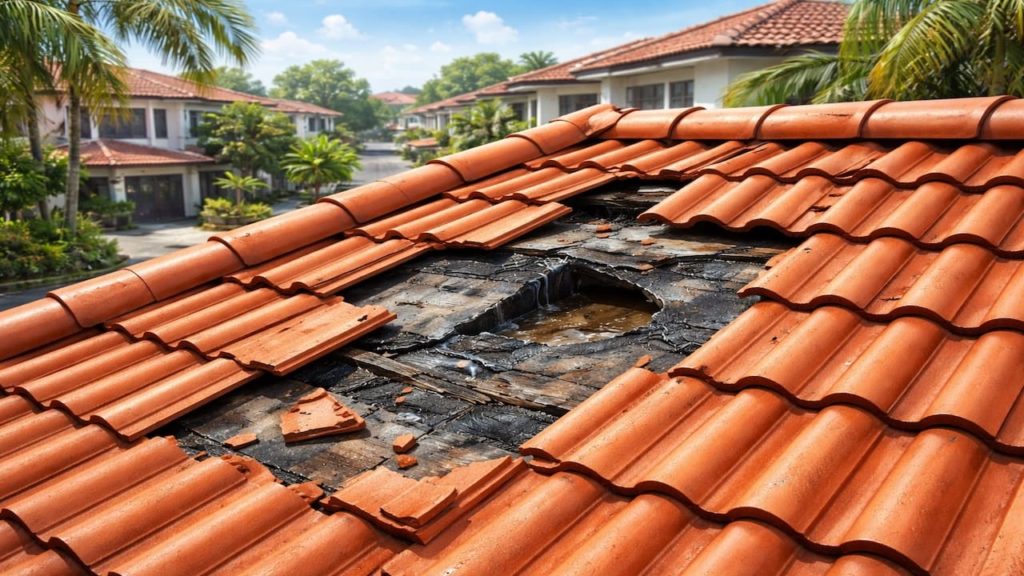
A roof leak around a chimney in Malaysia can feel confusing, because the stain may show far from the brickwork after a heavy wet season storm. Stress.
Chimneys collect wind driven rain, and humid air keeps sealant soft while heat cycles crack old joints, so small gaps become active only in downpours. Common.
In this guide, you’ll learn how to confirm the real chimney leak path by checking flashing, mortar, and roof joints in a clear order before the stain spreads.

Hi, I’m Ken. I write practical home guides for Malaysia—no fluff, just what works.
I hold a formal building design qualification and have spent about 20 years on job sites across hundreds of projects. My goal is simple: help you avoid costly mistakes with clear, safe steps—a quick way to decide what to do next.
1. Roof leak around chimney: 5 checks
Most chimney leaks start at flashing seams.
In Malaysia wet season storms, rain hits the chimney like a wall and gets pushed under laps—then it rides rafters and drops later in the ceiling void. Delayed travel.
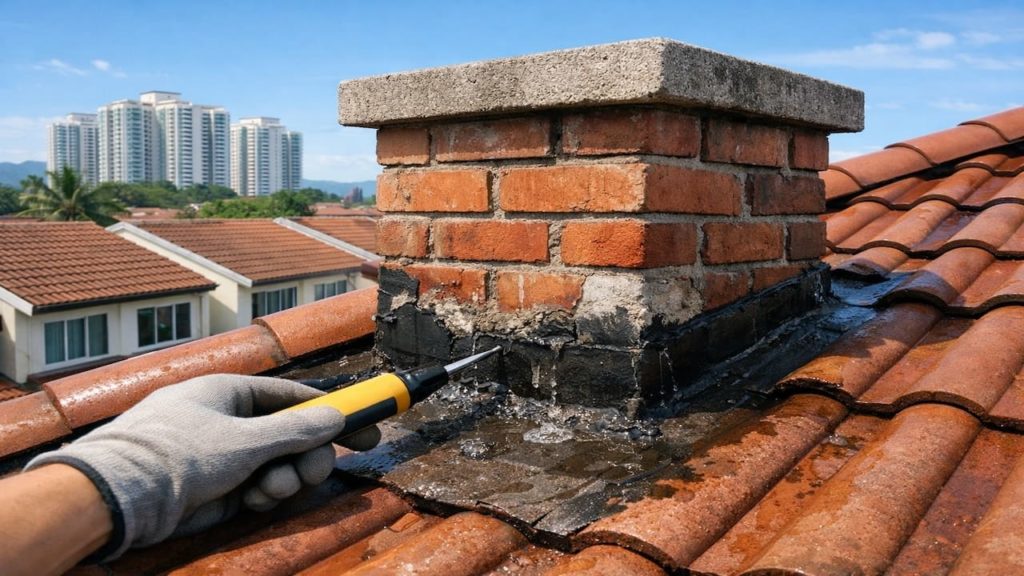
- Check step flashing edges for lifted metal corners
- Inspect counter flashing groove for open gaps
- Look for rust trails on flashing and screws
- Check cricket saddle area for trapped debris
- Inspect roof tiles near chimney for shifted overlap
Some people say the chimney is fine because it never leaks in light rain. Storm pressure changes everything, and the weak seam shows only then. Proof first. Fix second.
2. Seal failures that appear in wet season
Heat and humidity break seal lines fast.
Malaysia sun bakes sealant all day, then night cooling tightens metal and cracks old beads—wet season water finds the split and keeps it wet for days. Slow rot.
- Press sealant bead and check for brittleness
- Inspect seal edge for hairline split lines
- Check flashing laps for missing overlap seal
- Look for bubbling paint on chimney side wall
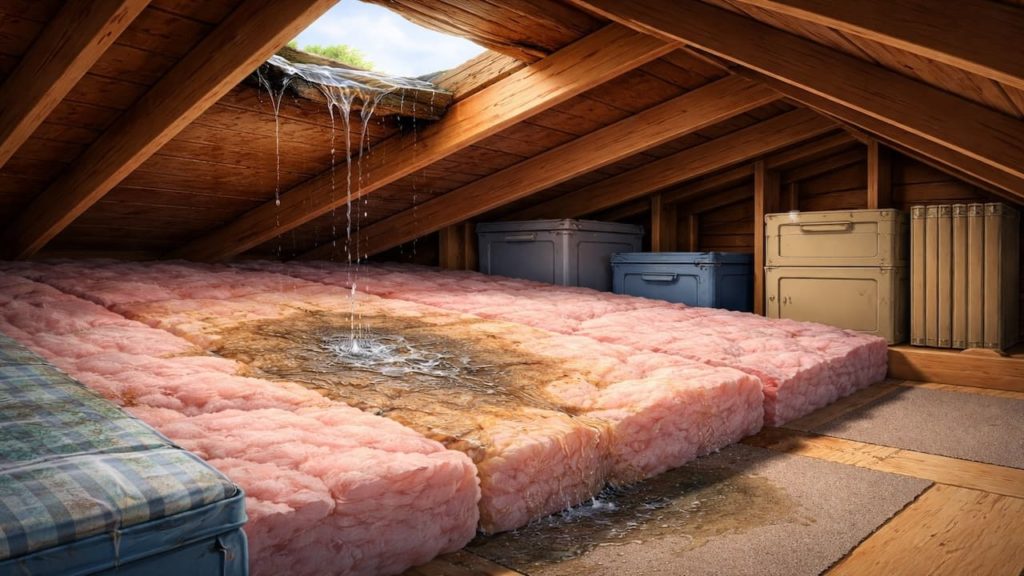
- Check ceiling insulation near chimney for dampness
You might think a fresh silicone layer solves it, and sometimes it helps for a week. If the bead is on dirty wet surfaces, it peels and leaks again. Temporary. Seal failure repeats.
3. Why + Water tracks down inside the wall cavity
Water follows framing not the shortest route.
Chimney leaks often enter high and travel along timber, wiring trays, or roof underlay—then they drop at a low point far from the chimney face. Malaysia humidity keeps that channel alive. Hidden path.
- Use torch to spot shiny trails above ceiling
- Check wet nails and rusty heads near chimney
- Inspect underlay tears beside chimney curb area
- Look for damp line along rafter direction
- Check wall top edge for faint drip marks
Some assume the biggest brown patch marks the hole, because it is the loudest clue. In boxed ceilings, the first wet line is more truthful. Focus there. The source is upstream.
4. How + Test and reseal chimney flashing safely
Reproduce the leak then seal one confirmed joint.
Random patching fails in Malaysia because trapped moisture feeds mold—controlled tests keep you from sealing the wrong place and wasting money. One target.
- Photograph stain and record storm time and wind
- Dry area fully then wait for new wet
- Angle spray one chimney side for ten minutes
- Inspect flashing joint after spray for fresh seep
- Apply roof grade compound on cleaned dry joint
Some people want to coat the whole chimney base at once to feel done. If you seal over wet dirt, it fails and hides the true gap. Clean first, test second, seal last. Final.
5. FAQs
Q1. Why does it leak only during heavy storms?
Wind driven rain can push water under flashing laps that stay dry in calm showers. Malaysia squalls create sideways pressure that exposes tiny gaps.
Q2. Can a chimney leak show up far away on the ceiling?
Yes, water can travel along rafters and underlay before it drops at a low point. Track the highest wet sign, not the darkest stain.
Q3. Is cracked mortar the main cause in Malaysia?
Sometimes, but flashing seams fail more often than people expect. Mortar cracks still matter when they open a path behind the counter flashing.
Q4. What if the leak is near lights or a ceiling fan?
Cut power to that circuit and stop using the area until checked. Water near wiring is dangerous and humidity raises the risk.
Q5. When should I call a professional?
If the ceiling is soft, bulging, or dripping heavily, call help fast. If access is unsafe or the roof is steep, do not climb and risk a fall.
Pro’s Tough Talk

I’ve been on site for 20+ years and handled hundreds of roof and ceiling jobs, and chimney leaks are the classic wet season prank. You swear it is fixed, then the next storm laughs.
Cause is usually 3 things in Malaysia. Flashing seams open up from heat cycles. Sealant gets brittle and peels off dirty wet metal. Debris builds at the cricket and forces water sideways. Predictable.
Two relatable moments. You put a bucket under the stain and it drips 30 cm away anyway. You seal one corner and the leak shows up on the other side like it learned teleport. Annoying.
Find the seam then seal the seam with 3 steps. Mark the stain edge and time it. Check the ceiling void for shiny trails and wet nails. Angle spray one chimney side only and watch.
Do not blame yourself, and do not label every contractor a villain, but the structure is cold: water travels sideways and your money runs straight out. The “just slap silicone everywhere” guy gets my jab. Keep ignoring it and enjoy your midnight bucket collection.
Summary
Chimney leaks in Malaysia usually come from flashing seams, failing seal lines, or debris forcing storm water sideways. The stain is only the symptom. Fact.
Map the first wet line, check the ceiling void for shiny trails, and isolate spray tests on one chimney side before resealing anything. If it keeps returning, focus on counter flashing detail.
Log the next storm then test one chimney side and continue with our guides on roof flashing repair, gutter overflow splashback, and ceiling mold control for wet season homes.