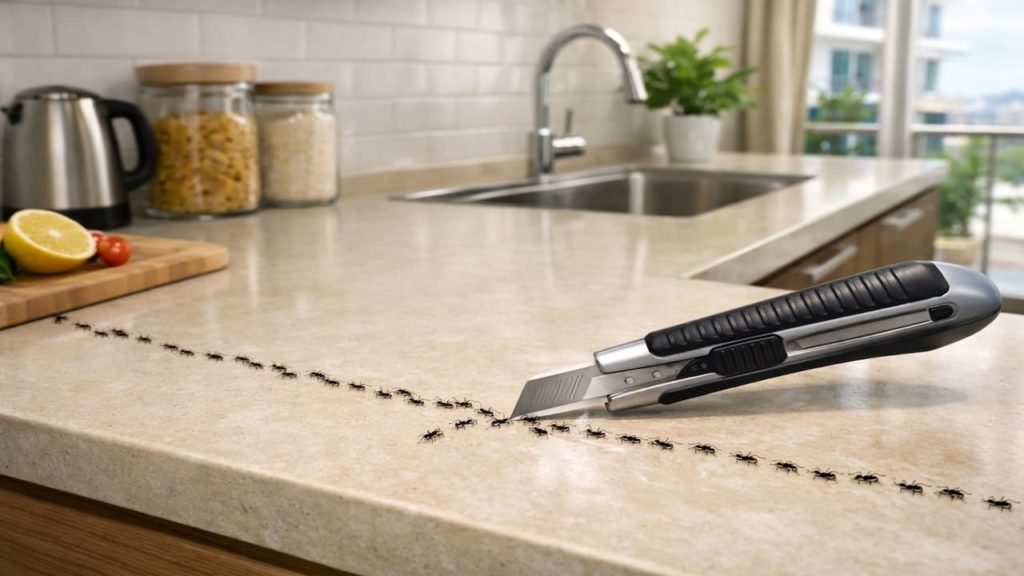
You searched because ants keep showing up on your counter, crawling into sugar jars, or forming a line near the sink. It makes you feel your kitchen is never clean. In Malaysia, that can happen overnight. Once a trail forms, it can restart every morning.
Hot weather, rain, and tight condo or terrace kitchens help ants find water and food fast, then they mark trails for others. Annoying, but predictable. Today.
In this guide, you'll learn how to cut ant trails and stop repeat raids with quick checks, cleaning, and prevention habits for Malaysia homes. Fast.

Hi, I’m Ken. I write practical home guides for Malaysia—no fluff, just what works.
I hold a formal building design qualification and have spent about 20 years on job sites across hundreds of projects. My goal is simple: help you avoid costly mistakes with clear, safe steps—a quick way to decide what to do next.
1. Malaysia ant problem guide: 5 checks
Confirm the trail source before you chase every ant and you will stop the colony faster.
Ants in Malaysia kitchens rarely wander randomly—most are scouts following a scent line to water or sugar, especially when humidity keeps surfaces slightly damp. Clear checks save time and reduce wasted sprays.
- Watch ant direction for 2 minutes near counter
- Check under sink for drips and damp paper
- Inspect sugar rice and snacks for crumbs
- Look for entry gaps at window frames
- Check rubbish bin lid and sticky rim
Some people think killing visible ants is enough, but new ones arrive if the trail stays active. Find the route, block it, and you win. Proof.
2. Cut trails in kitchens
Erase the scent trail and ants stop marching because the line is their map.
In warm humid Malaysia air, scent trails last longer on greasy tiles and laminated cabinets—wipe wrong and you smear it wider. Clean with the right method so the trail ends where it started.
- Wipe trail lines with soapy water twice
- Rinse area then dry with clean towel
- Spray vinegar solution on skirting and corners
- Seal sugar containers and wipe lids daily
- Remove wet sponges and dry sink ledge
People say bleach alone fixes it, but bleach can miss oily film and the trail returns. Clean, dry, then repeat the wipe once. Done.
3. Why ants keep returning in Malaysia kitchens
Ants return when food water and shelter stay easy even if you cleaned once.
Malaysia kitchens often have small water sources like sink leaks, condensation, and wet dish racks—ants treat that like a drink station during hot days. If one scout succeeds, the colony upgrades the route fast.
- Sink drain smells attract ants to moisture
- Grease film builds near stove backsplash seams
- Condensation forms on cold bottles in fridge
- Crumbs hide under toaster and cutting board
- Wall gaps connect to exterior soil nests
Some blame the building only, but even in a clean condo the smallest water drip feeds repeat trails. Remove the easy rewards and they fade. Reality.
4. How to stop ants and prevent new trails
Combine bait sealing and dry habits to end it so ants do not rebuild routes.
Basic supplies are easy to find in Malaysia, usually RM5-25, while a one-time pest control visit can cost more depending on access. If you rent, choose removable tape and keep proof photos. Start with bait for the colony, then seal entry points and keep the sink zone dry.
- Place gel bait stations along active trail
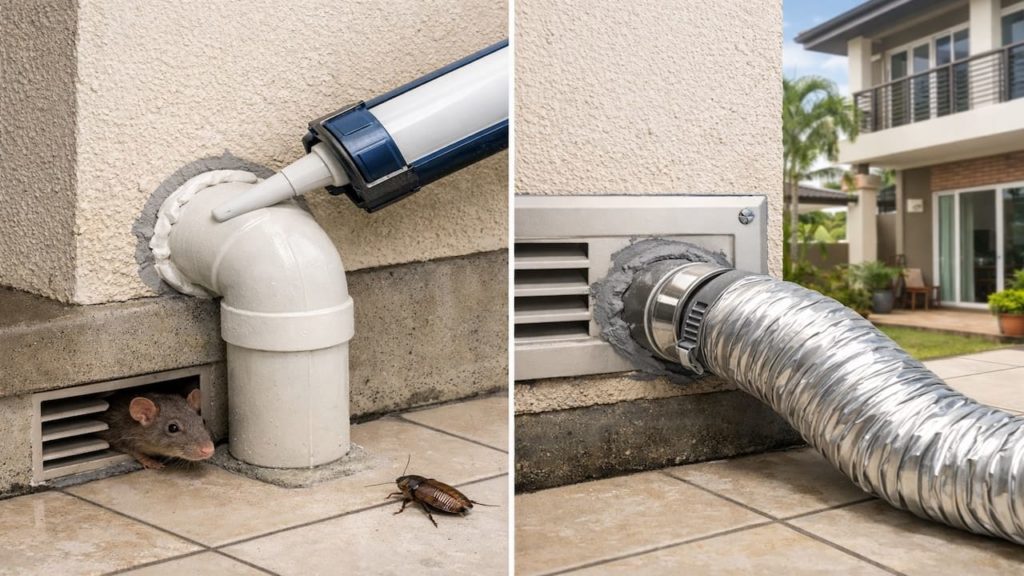
- Seal gaps with silicone around pipe penetrations
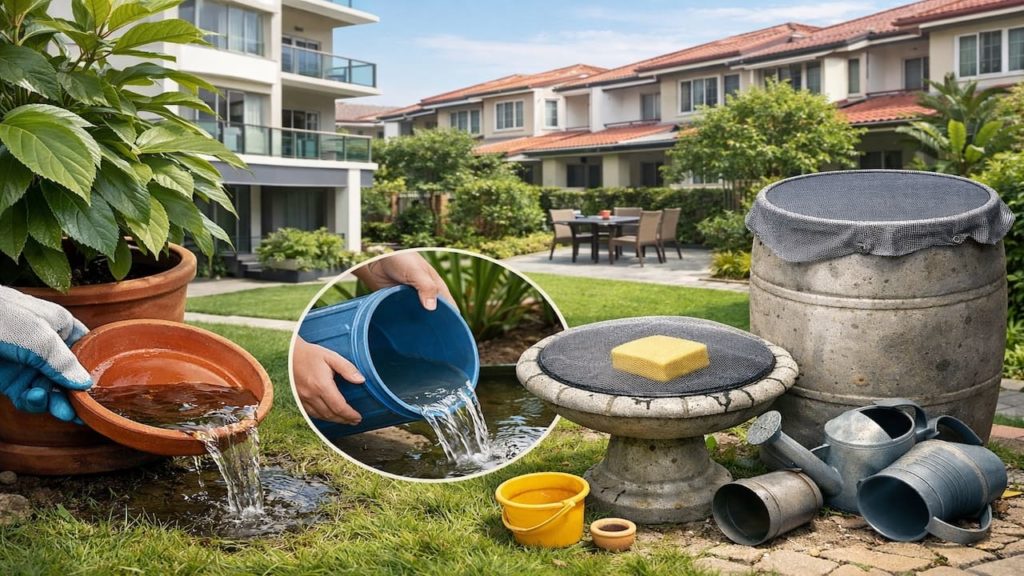
- Fix sink drips and dry cabinet base
- Store pet food in airtight box off floor
- Rinse bin and keep lid fully closed
Some people want to spray everything, but spray kills scouts and leaves the colony alive behind walls. Use bait, block gaps, and keep surfaces dry—then the line breaks for good.
5. FAQs
Q1. Why do ants appear more during rainy weeks?
Rain floods outdoor nests and pushes ants indoors to find dry shelter and steady food. Humid air also keeps trails stronger on tiles and counters. Timing matters.
Q2. Should I use bait or spray first?
Use bait first so the colony gets poisoned and then wipe trails after activity drops. Sprays can scatter ants and make them choose new hidden routes.
Q3. Is it normal to see more ants after placing bait?
Yes, because bait attracts foragers and they recruit more workers for a short time. Give it 2 to 3 days and keep the bait undisturbed. Patience helps.
Q4. Can ants come from my neighbor in a condo?
They can travel through wall voids and shared pipe routes, especially if one unit has constant moisture. Still, your local trail control and sealing reduces your own problem fast.
Q5. When should I call professional pest control?
Call if ants return every week despite bait and sealing, or if you suspect a nest inside walls or under floor tiles. Professionals can locate nests and apply targeted treatment safely.
Pro’s Tough Talk

Alright, I have been on site for 20+ years and handled hundreds of jobs, and Malaysia kitchen ants are the same story every time. You wipe the counter, and five minutes later the parade is back.
Three causes: tiny water around the sink, tiny sugar dust around storage, and tiny gaps at pipes and skirting. Ants are like Wi Fi, they find the weakest signal leak and connect.
Do three steps now: wipe the trail with soapy water, drop gel bait on the route, then seal the entry gap once the traffic slows. Like shutting a door instead of yelling at the wind.
If you keep spraying randomly, you are feeding the problem with chaos and you will keep chasing scouts forever. Yeah, keep spraying and acting surprised. The late night kitchen patrol in slippers. The sticky jar lid you promise to clean tomorrow.
Fix the trail today or enjoy living with tiny roommates who never pay rent, and yeah that is the joke on you.
Summary
Do the 5 checks to find the trail source, then erase scent lines and remove the food and water reward that fuels the route. Control beats anger.
If ants return after a few days, upgrade to bait plus sealing and treat moisture as the real trigger, especially during wet monsoon weeks. Clear criteria.
Cut the trail today and the kitchen stays calm then read our bathroom odor and slow drain guides to keep pests away from water.