You searched because your breaker trips during rain, power cuts happen after storms, or one circuit keeps dropping when you run a few appliances. That is scary.
In Malaysia, heavy rain, humidity, and warm wiring spaces can expose weak joints, water ingress, or overloaded circuits, especially in older terrace homes and some condo units with shared risers. Electricity is not a DIY toy. Safety first.
In this guide, you'll learn how to do safe checks and avoid storm related breaker trips so you can isolate the cause, reduce risk, and know when to call an electrician fast.

Hi, I’m Ken. I write practical home guides for Malaysia—no fluff, just what works.
I hold a formal building design qualification and have spent about 20 years on job sites across hundreds of projects. My goal is simple: help you avoid costly mistakes with clear, safe steps—a quick way to decide what to do next.
1. Breaker tripping guide: 5 checks
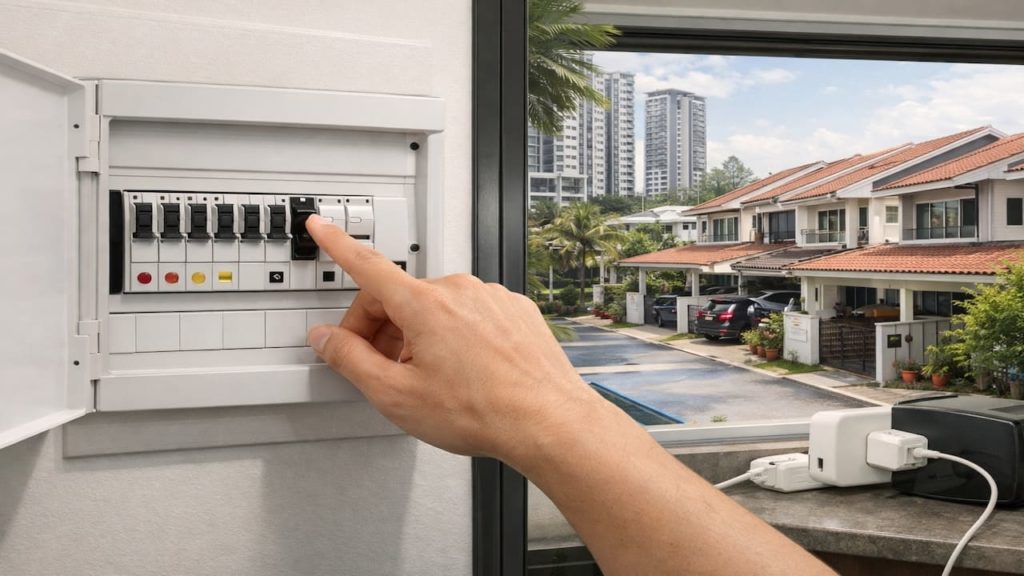
Do safe checks first and never open live panels because shock risk is real.
Breaker trips usually come from overload, short circuit, or earth leakage, and rain can trigger the last two when moisture enters sockets or outdoor lines. In humid Malaysia air, small corrosion can become a fault during storms. Calm checks only. —
- Note which breaker trips and label the circuit
- Unplug high load appliances then reset once
- Check if trips happen only during heavy rain
- Look for wet outdoor sockets and extension cords
- Smell for burnt odor near outlets and plugs
Some people keep flipping the breaker repeatedly, but repeated resets can overheat wiring if a fault is active. Reset once, then diagnose. —
2. Avoid storm cuts
Remove moisture paths and reduce load before storms so the breaker stays stable.
Storm trips often happen when outdoor moisture reaches wiring or when many appliances restart after a brief voltage dip. Malaysia rain plus humid porches can wet plugs and junctions quietly. Simple habits reduce risk without tools. —
- Move extension cords off wet floors immediately
- Cover outdoor plug points using weatherproof cap
- Separate high load appliances across different sockets
- Turn off water heater before lightning heavy rain
- Dry damp outlets using fan and keep unused
People say it is just the utility, but if only your unit trips, you likely have an internal load or moisture issue. Treat it seriously. Proof.
3. Why breakers trip more during Malaysia storms
Storms add moisture and voltage stress together and weak points fail under pressure.
Rain can enter outdoor lights, porch sockets, and roof spaces, and humidity can condense inside boxes, leading to earth leakage trips. Voltage dips can also cause appliances to draw higher current on restart, pushing borderline circuits over the edge. Older wiring and loose connections raise heat fast. Reality. —
- Water enters outdoor light fittings and junction boxes
- Condensation forms inside poorly sealed outlet boxes
- Loose connections heat up under surge restart loads
- Old insulation cracks and leaks current to earth
- Overloaded extension strips trip when compressors start
Some blame “bad breaker” only, but breakers usually trip because they are doing their job. Find the stress point, then fix it. —
4. How to respond when a breaker keeps tripping
Isolate the faulty circuit and call a pro early so you avoid fire risk.
Basic supplies might cost RM10-40 for a weatherproof cover, new extension strip, or dry box, but electrical troubleshooting and repairs by a licensed electrician can be RM150-600 depending on fault location and access. Spend on safety, not on repeated replacement of cheap plugs. Money matters. —
- Unplug everything on that circuit and reset once
- Plug items back one by one to find trigger
- Stop using any outlet that feels warm or smells
- Keep wet areas dry and avoid outdoor usage
- Call electrician if trip repeats within 2 resets
Some people want to open the panel and tighten screws, but that can kill you if you do not know what you are doing. Do safe isolation only, then call a pro. Period.
5. FAQs
Q1. Is it dangerous if the breaker trips during rain?
It can be, because it may indicate moisture ingress or insulation breakdown. The breaker may be preventing shock or fire. Treat repeated trips as urgent.
Q2. What is the difference between overload and leakage trips?
Overload happens when too many devices draw current, while leakage trips happen when current escapes to earth through wet or damaged insulation. Storm timing often points to leakage. Evidence helps.
Q3. Can wet sockets cause trips even if nothing is plugged in?
Yes wet fittings can leak current to earth and trip RCD or ELCB devices. Outdoor lights and sockets are common suspects in Malaysia rain. Dry and isolate.
Q4. Should I keep resetting the breaker until it holds?
No, because repeated resets can overheat wiring if a fault is active. Reset once or twice max, then stop and isolate the circuit. Safety rule.
Q5. When should I call an electrician immediately?
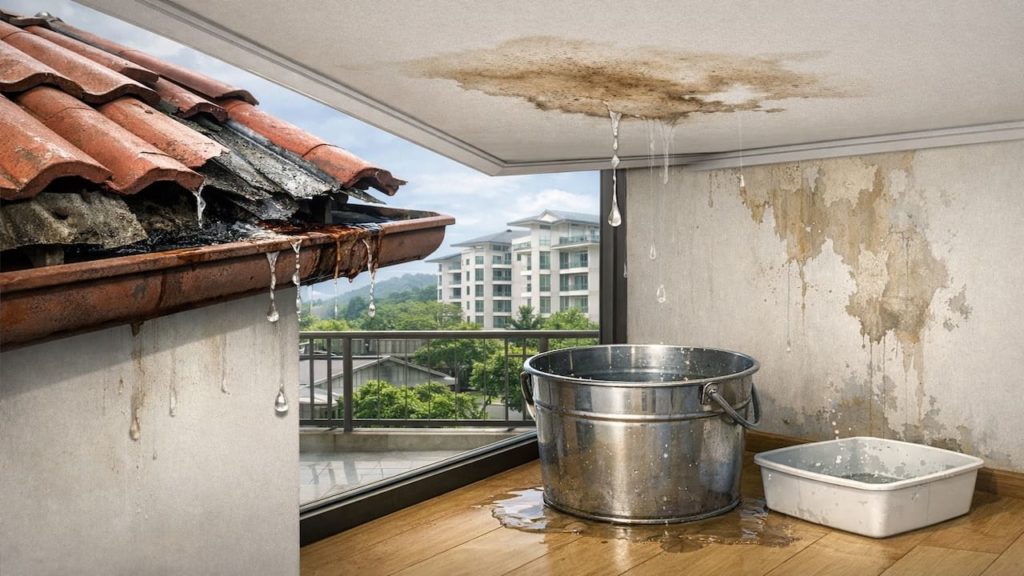
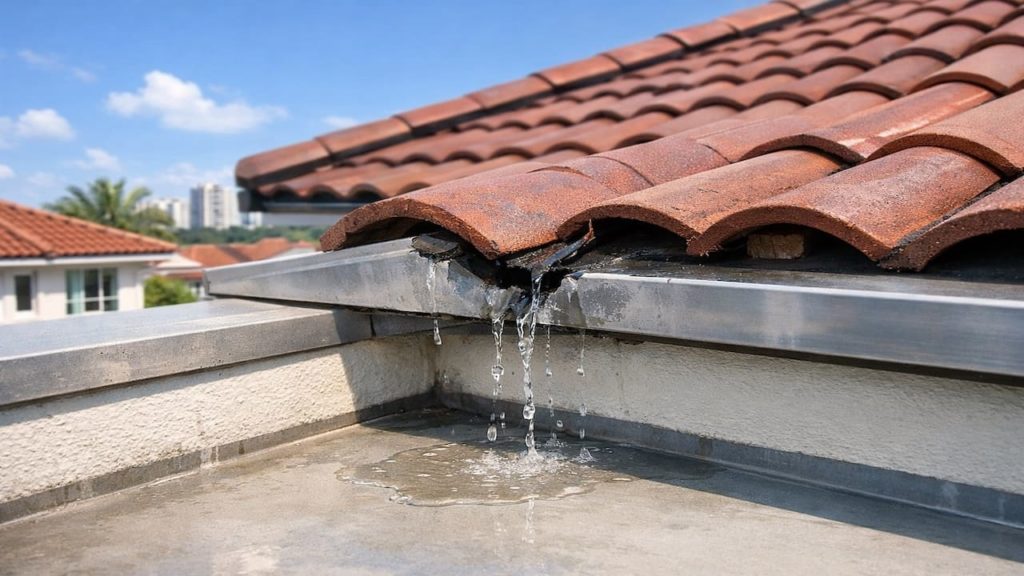
Call if you smell burning, see sparks, feel heat at an outlet, or the breaker trips instantly after reset. Also call if a top floor roof leak may be wetting wiring. Do not wait.
Pro’s Tough Talk

Alright, I have been on site for 20+ years and handled hundreds of jobs, and a breaker that trips in Malaysia storms is not “random.” It is a warning bell, and you do not ignore bells.
Three causes keep repeating: overloaded circuits from too many appliances, moisture sneaking into outdoor sockets and lights, and loose connections heating up when voltage dips and comes back. Storms just expose the weak link.
Do three steps now: unplug everything and reset once, bring back loads one by one, then check any outdoor or damp area outlet and stop using it until dry. Like isolating a sick person before the whole house catches it.
If you keep flipping the breaker like a game, you are gambling with fire to save pride and that is a terrible deal. The midnight reset in the dark. The extension strip sitting in a puddle “just for a minute.” Two classics.
Fix the cause or enjoy your home playing blackout roulette, and yeah, the house always wins if you stay stubborn.
Summary
Use the 5 checks to see whether trips are tied to rain, moisture, or overload, then do safe isolation without opening panels or touching live parts. Safety.
If trips repeat after basic isolation, treat it as a fault and call a licensed electrician, especially if outdoor sockets or roof leaks are involved. Clear line.
Isolate the circuit today and stop risky resets then read our roof leak and damp wall guides to remove water ingress that can trigger electrical faults in humid season.