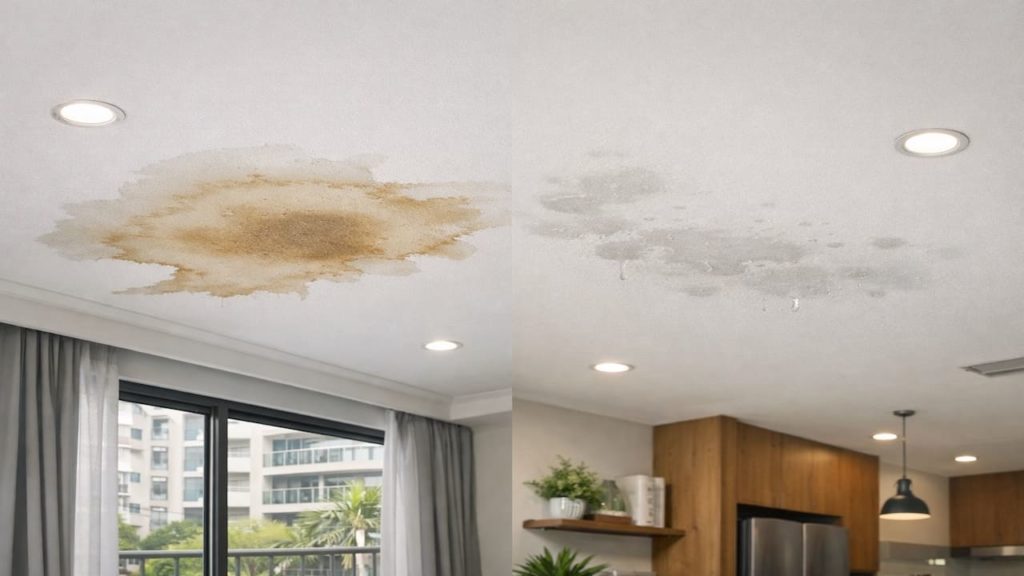
You searched “ceiling stain” because you spotted a brown patch, a ring mark, or a damp-looking shadow and you do not want it to grow.
In Malaysia, this is tricky because heavy rain can cause roof or balcony leaks, but high humidity and cold aircond can also create condensation that looks like a leak. The right checks stop wasted repainting.
In this guide, you’ll learn the 5 checks that tell leak vs condensation before you repaint so you can fix the real cause and keep the stain from coming back.

Hi, I’m Ken. I write practical home guides for Malaysia—no fluff, just what works.
I hold a formal building design qualification and have spent about 20 years on job sites across hundreds of projects. My goal is simple: help you avoid costly mistakes with clear, safe steps—a quick way to decide what to do next.
1. Malaysia ceiling stain guide: 5 checks
Ceiling stains always have a pattern that points to the source — you just need to read it.
Malaysia’s climate creates two common pathways: rainwater intrusion and indoor moisture buildup. Condos add another layer because water can travel from upper units or shared pipes and appear far from the source. Pattern.
- Measure stain edge and mark it with pencil
- Press tissue on stain and check moisture transfer
- Smell area for musty damp odor after drying
- Check if stain grows after rain or shower use
- Look for bubbling paint and soft plaster around ring
You might think the safest move is to repaint fast. But paint can hide the symptom while moisture keeps feeding it, and then it returns darker.
2. 【Tell leak vs condensation before repainting】
You can avoid repeat stains by testing the trigger first — rain timing and aircond timing matter.
Before you spend on paint, confirm if water is entering or forming inside. cost is mostly time/effort, because these checks use simple observation and a few household items. Clarity.
- Compare stain size before and after heavy rain
- Run aircond cold two hours and inspect ceiling after
- Switch aircond to dry mode and compare next day
- Check bathroom fan use and steam near stain area
- Ask upstairs about recent leaks or bathroom overflow
You might feel awkward asking neighbors in a condo. But one quick question can save weeks of guessing, and it prevents water migration blame later.
3. Why ceiling stains happen in Malaysia homes
Most ceiling stains are from water pathways not dirty paint — water brings tannins and dust through plaster.
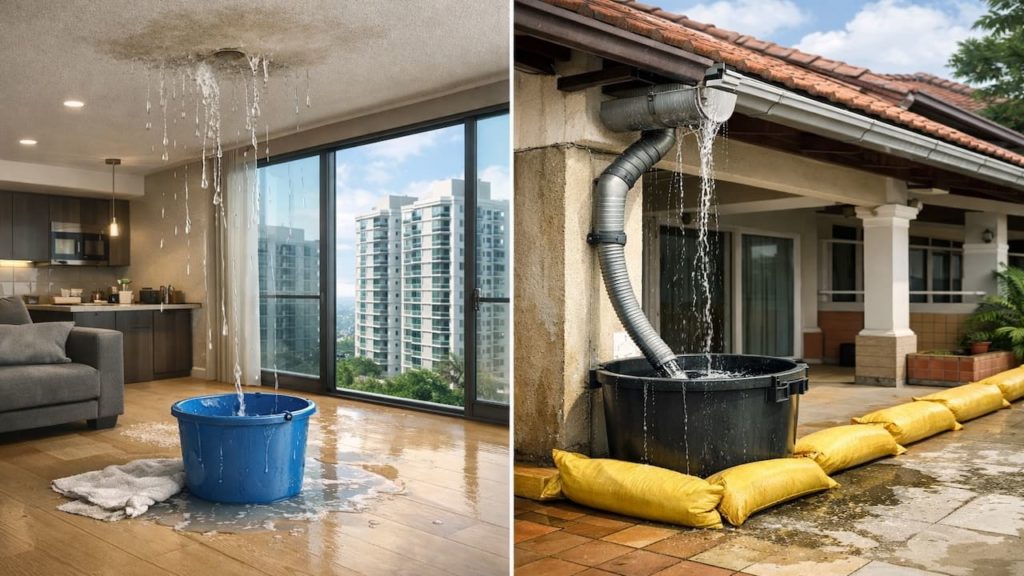
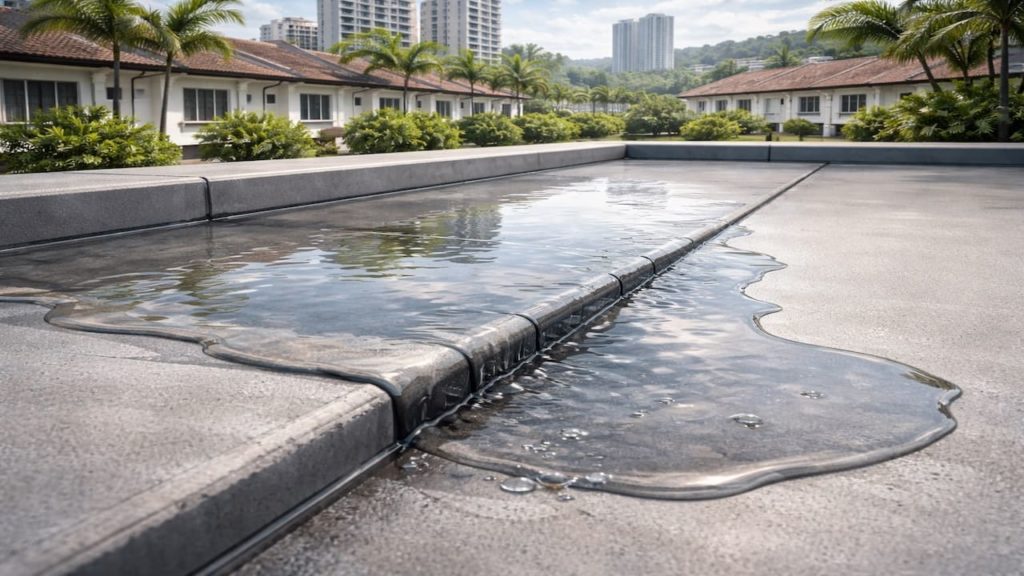
In Malaysia, warm humid air meets cooler surfaces, especially with strong aircond. During monsoon rain, small gaps at roofs, balconies, window frames, or AC drain lines can drip into the slab or ceiling void. Moisture.
- Roof leak drips through insulation and stains plaster
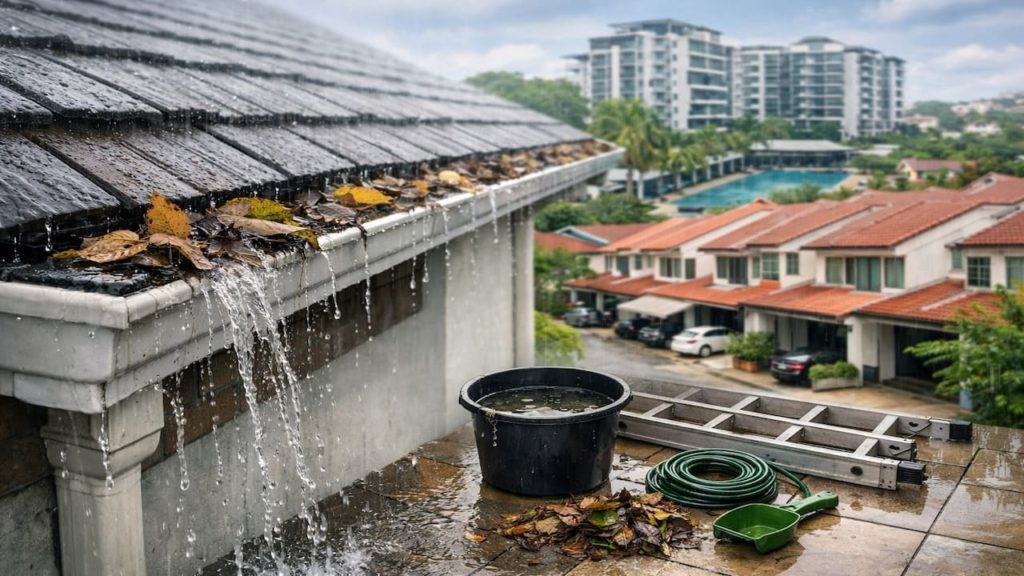
- Balcony drain overflow seeps into slab edges
- AC drain clog backs up and wets ceiling area
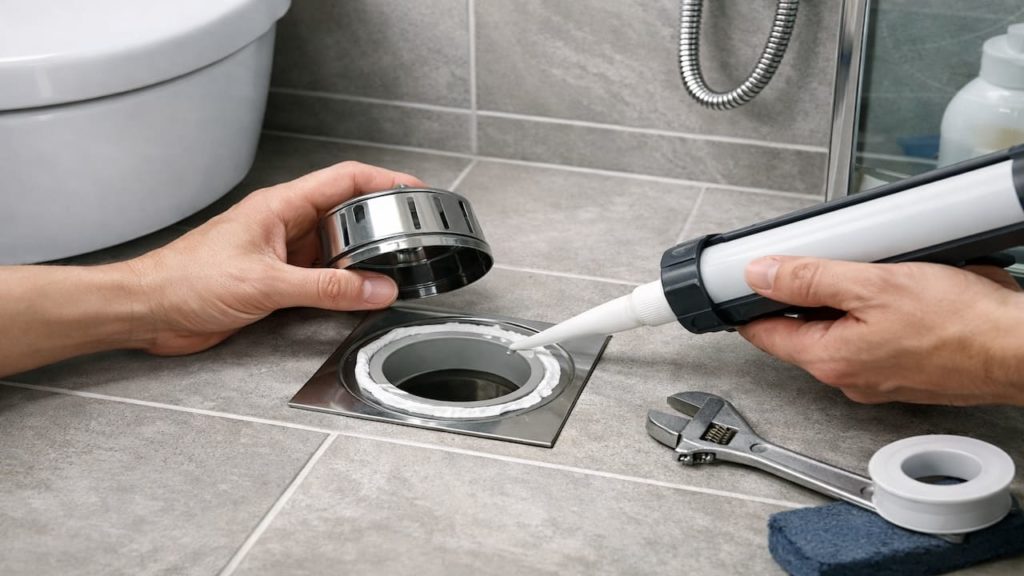
- Bathroom waterproofing failure leaks around pipe sleeves
- Condensation forms where cold ducts touch warm air
You might assume a stain directly under the mark is the source. Water can travel along concrete, beams, or wiring paths, so the real entry point may be offset.
4. How to diagnose and act before repainting
Dry it then track the recurrence so you fix the real cause — diagnosis beats cosmetics.
Start with drying and monitoring, then repair the upstream issue. If you end up buying sealant, a dehumidifier tub, or a small drain-cleaning tool, expect RM10–80 depending on what you pick. Practical.
- Dry the area with fan and avoid trapping moisture
- Mark stain edge and note date for tracking
- Inspect AC drain line and clear slime blockage safely
- Check above area plumbing and look for active drips
- Only repaint after two weeks with no growth
You might want to patch the ceiling immediately. But if moisture remains, the patch can trap water, weaken plaster, and make the next failure bigger.
5. FAQs
Q1. How do I know if the stain is active right now?
An active stain feels cool damp and grows past your pencil mark. If it stays dry and stable for days, it may be old damage or a one-time event.
Q2. Can aircond alone cause a ceiling stain?
Yes, strong cooling can create condensation on cold surfaces or ducts. In Malaysia humidity, that moisture can drip and leave a ring over time.
Q3. The stain appears only after rain. What does that imply?
That points to rain intrusion from roof, balcony edges, window frames, or exterior cracks. Track which wind direction and rainfall intensity triggers it.
Q4. Should I use stain-blocking primer immediately?
Use it only after you confirm the moisture source is fixed and the area is fully dry. Otherwise, the stain often returns through the new paint film.
Q5. What if I live in a condo and the stain might be from above?
Document it with photos and dates, then inform management or the unit above. Water can travel across slabs, so early reporting prevents disputes later.
Pro’s Tough Talk

Okay, real talk. I’ve been on site 20+ years, and I’ve done hundreds of jobs. A ceiling stain in Malaysia is like a bruise on a wall. It’s not the paint’s problem, it’s what happened underneath.
It’s usually 3 buckets. Rainwater coming in, plumbing leaking from above, or condensation from aircond and humidity. Contractors aren’t all trash, but the structure is brutal: warm wet air plus cold ceilings equals water where you don’t want it.
Do this now. Dry the spot with a fan, mark the edge with a pencil, then watch what triggers growth. Rain day? Leak path. Aircond cold night? Condensation path. Simple.
Don’t repaint until the cause stops feeding the stain. Otherwise you’re just putting makeup on a problem. Aruaru: people repaint and feel proud for 3 days. Aruaru: then the ring comes back like a ghost.
If you love repainting the same spot forever, carry on lah, champion.
Summary
Ceiling stains in Malaysia are commonly caused by rain intrusion, plumbing leaks from above, or aircond-driven condensation.
Dry and track recurrence using pencil marks, rain timing, and aircond testing before you spend money on repainting.
Do the pencil mark check today and confirm the trigger then read a related guide on AC drain clogs or roof leak signs to prevent repeat stains.