You’re tired of waking up to damp air, musty smells, and towels that never fully dry, so you’re searching for a dehumidifier that actually works.
In Malaysia, high humidity is normal, and condos with closed windows or terrace homes with rainy-season airflow issues can keep moisture trapped indoors. That moisture quietly damages cabinets, paint, and fabrics.
In this guide, you’ll learn how to choose the right dehumidifier for your space in a Malaysian home, how to size it, and how to avoid common buying mistakes that waste money.

Hi, I’m Ken. I write practical home guides for Malaysia—no fluff, just what works.
I hold a formal building design qualification and have spent about 20 years on job sites across hundreds of projects. My goal is simple: help you avoid costly mistakes with clear, safe steps—a quick way to decide what to do next.
1. Malaysia dehumidifier guide: 5 checks
Pick based on moisture load not brand hype—that’s the real shortcut.
In Malaysia’s humid climate, the same room can feel “fine” at noon and turn sticky at night, so choosing blindly gets expensive. Wrong size means longer run time and higher bills. Reality.
- Measure room size and ceiling height first
- Check daily extraction rating for your conditions
- Confirm airflow rate matches your room volume
- Look for auto humidity control and restart
- Verify drainage options for long running sessions
You might think any unit will help, but undersized machines run forever and still leave corners damp—then you pay twice. One good match beats endless struggling.
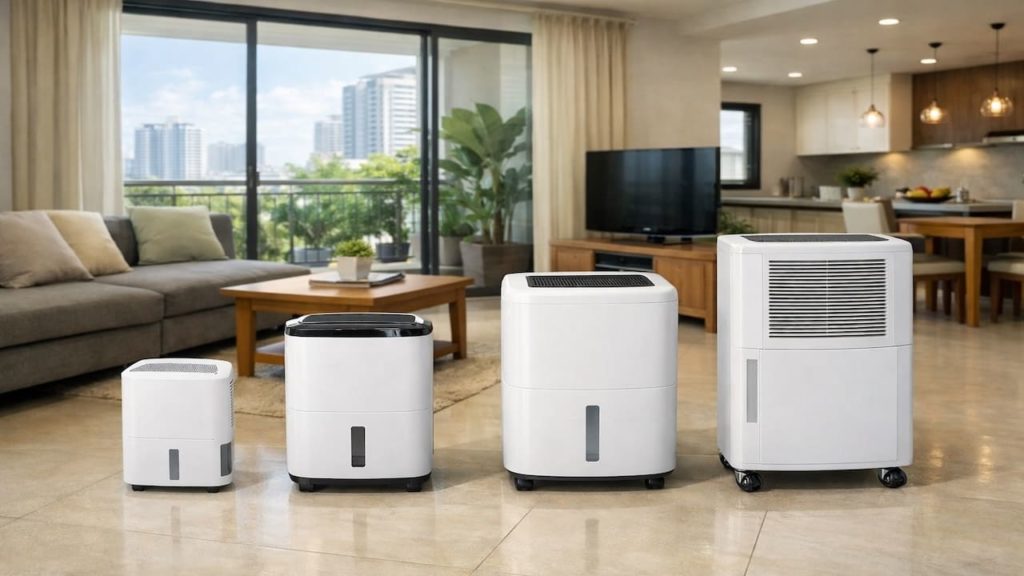
2. Choose right size
Right size means faster drying with lower runtime and less frustration.
Size is not only square meters—wet laundry, cooking steam, and poor ventilation add load, especially in Malaysian condos with limited cross-breeze. A small unit can work, but only in a small job. Match it. Simple.
- Count wet laundry loads dried indoors weekly
- Note bathroom moisture spilling into hallway
- Check if sunlight heats the room daily
- See if windows stay closed most days
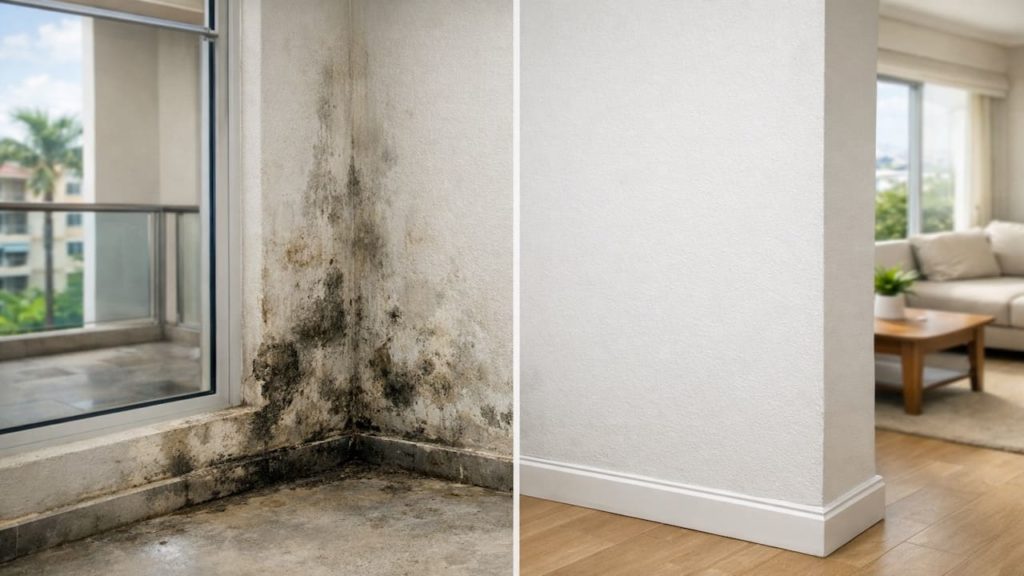
- Identify mold spots or musty odor zones
Some people oversize “just in case,” but big units cycle harshly and can feel noisy and wasteful. Buy for your real room, not your fear.
3. Why dehumidifier sizing matters in Malaysia homes
Humidity control fails when the unit cannot keep up with the room’s moisture source.
Malaysia gives you warm air and frequent rain, so moisture is always trying to move in. Add indoor drying, shower steam, and tight wardrobes, and the room’s demand jumps. Quiet damage.
- Rainy season keeps windows closed longer
- Wardrobes trap damp air behind back panels
- Kitchen steam spreads through open layouts
- Bathroom exhaust weakens moisture removal indoors
- Concrete walls hold moisture and release slowly
Yes, you can “just use aircond,” but dry mode is not the same tool for every room. If you want stable comfort and fewer repairs, sizing is the foundation.
4. How to choose and set it up for best results
Choose the unit then design a routine around it so it works with your home.
Expect RM250–900 for a typical home unit depending on capacity and features—buying too small costs more in electricity and replacement. In Malaysia, drainage convenience matters because you’ll run it often. Practical.
- Place unit away from walls for airflow
- Close doors to isolate the target room
- Set humidity target and let auto mode work
- Use continuous drain for long rainy weeks
- Clean filter monthly to keep performance stable
You may think placement doesn’t matter, but corner placement can starve airflow and leave the opposite wall damp. Put it where air can circulate, then keep the room sealed.
5. FAQs
Q1. Do I need a dehumidifier if I already use aircond?
Aircond can remove moisture, but it may not run long enough to control Malaysia humidity every day. A dehumidifier keeps humidity steadier without overcooling the room.
Q2. What humidity level should I aim for at home?
Aim for 50 to 60 percent indoors for comfort and fewer musty smells. If you see mold dots or wardrobe odor, go lower and keep the room closed while it runs.
Q3. Where should I place it in a condo unit?
Put it in the worst room and shut the door—open doors make it fight the whole unit and lose. Keep it away from walls so air can circulate around cabinets and corners.
Q4. Is a bigger unit always better?
Not always, because oversized units can feel noisy and cycle too often in small rooms. Match capacity to room size and your moisture load like indoor laundry.
Q5. How do I know it is working properly?
You should see the tank filling, less window condensation, and faster drying of towels in Malaysia’s humid nights. If humidity stays high, check door gaps, filter dirt, and whether the unit is undersized.
Pro’s Tough Talk

I’ve been on sites for over 20 years, and I’ve handled hundreds of damp-room problems from “just sticky air” to full mold cleanup. A dehumidifier isn’t magic, it’s a tool—use the wrong one and it’s like bringing a teaspoon to bail a boat.
Cause splits into 3 parts. One, people buy by price, not capacity. Two, they run it in an open-plan space with doors wide open, so humidity keeps walking in like it pays rent. Three, they ignore filters and placement, then complain it’s “weak.”
Immediate fix is 3 steps. Pick the right size for the real room load. Seal the room and let it run long enough to stabilize. Set a sane target and stop fiddling every 10 minutes. And no, pointing it at a wet wall doesn’t make it “work harder,” c’mon.
Here’s the deal. Right size plus closed room wins. Common pattern: laundry rack indoors during rain, dehumidifier tiny, and everyone shocked it can’t keep up. Another classic: tank full alarm at midnight because nobody set a drain hose. Comedy.
Keep buying the wrong size and you’ll collect dehumidifiers like sad trophies.
Summary
Dehumidifiers work best in Malaysia when you size for the room and moisture load, not just the label or the cheapest deal.
If the room stays damp, tighten the setup: isolate one room, improve airflow, maintain filters, and use drainage so you can run it consistently.
Choose the right size first and you’ll cut musty odors, protect cabinets and walls, and move on to the next Malaysia humidity guide with less trial and error.