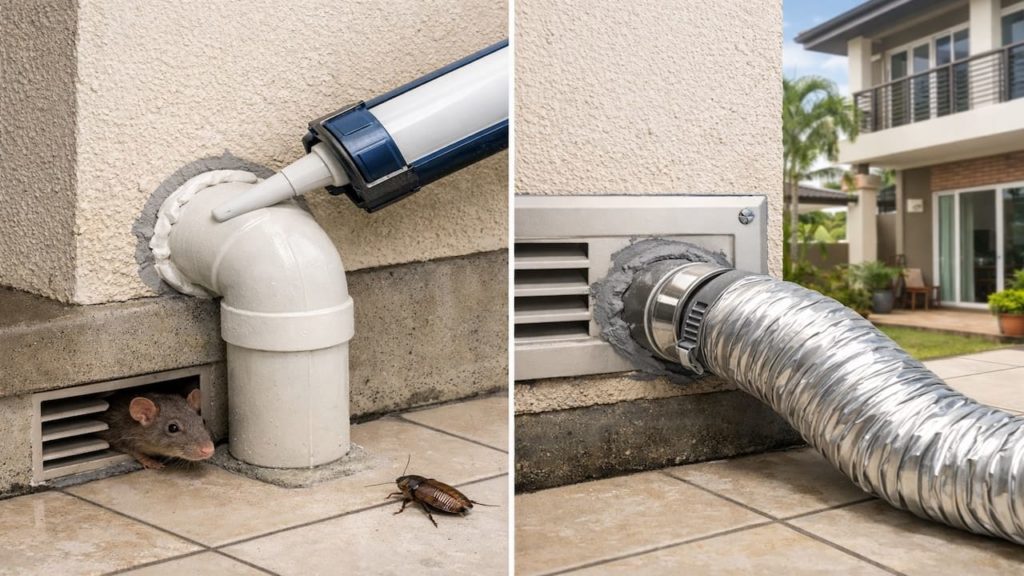
You keep seeing ants, roaches, or tiny lizards show up “from nowhere,” and now you are searching because you want to stop the entry points fast.
In Malaysia, warm nights, high humidity, and frequent rain push pests to look for dry shelter. Condos and terrace homes both have hidden gaps around pipes, vents, and doors that act like open highways.
In this guide, you’ll learn how to find and seal pest entry gaps safely, so you stop repeat invasions without overdoing chemicals or wasting money.

Hi, I’m Ken. I write practical home guides for Malaysia—no fluff, just what works.
I hold a formal building design qualification and have spent about 20 years on job sites across hundreds of projects. My goal is simple: help you avoid costly mistakes with clear, safe steps—a quick way to decide what to do next.
1. Pest entry gaps guide: 5 checks
Seal the gaps and pests lose the map.
Most pests do not “appear,” they enter through predictable openings—Malaysia humidity drives them toward cool indoor spaces. Small gaps become big problems, and small fixes save big headaches. Cheap wins.
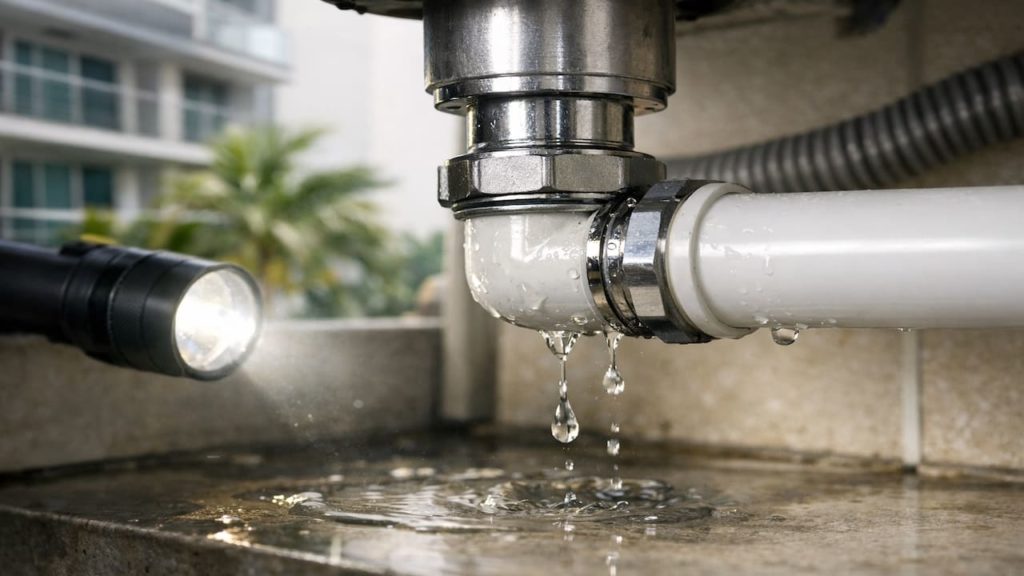
- Inspect under sinks and behind toilet lines
- Check aircond pipe holes and trunking edges
- Look for light under doors at night
- Scan window tracks for loose brush seals
- Follow ant trails to their entry point
You might think you need stronger spray, but spray does not close entry routes. Do the checks, close the gaps, and you break the repeat cycle.
2. Seal pipes and vents
Pipes and vents are the main entry lanes.
In Malaysia homes, service penetrations are everywhere—kitchen sink pipes, bathroom drains, and air vents. When those edges are unsealed, pests move in quietly, and you end up spending more on traps and cleaning. Small holes. Big traffic.
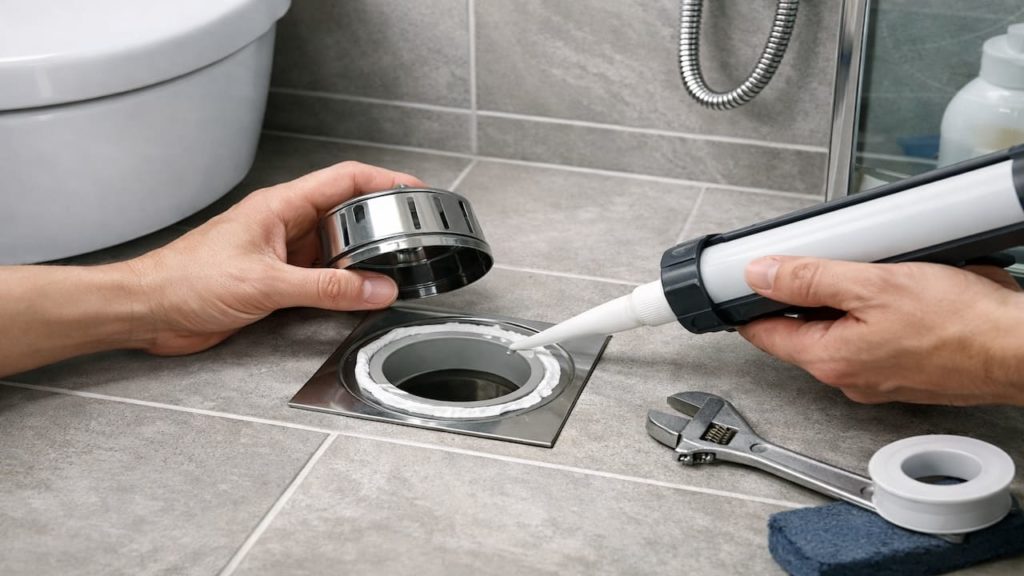
- Seal pipe gaps with silicone around edges
- Pack larger voids using foam then silicone
- Cover vents with fine mesh screen securely
- Cap unused drain openings with tight plugs
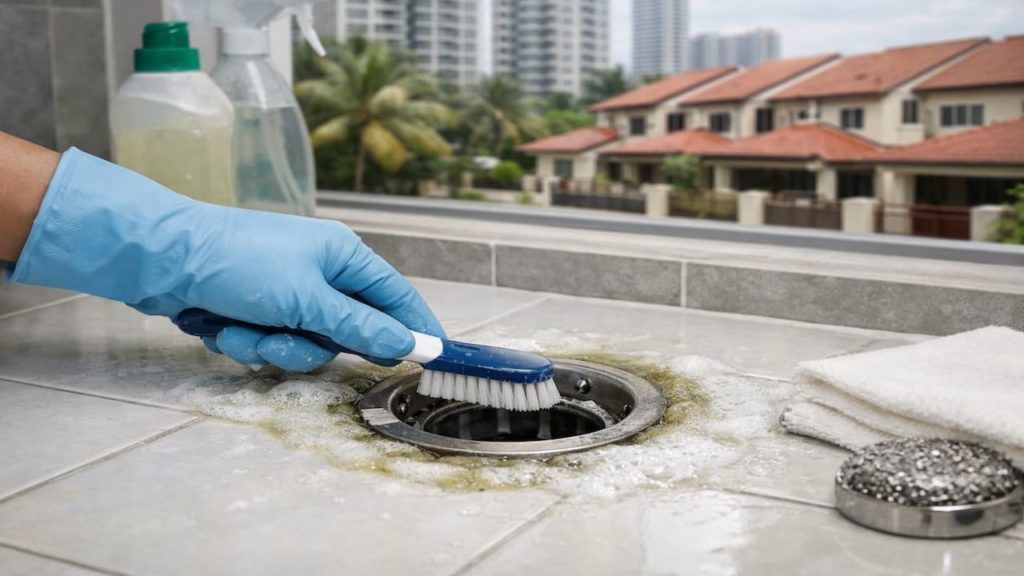
- Repair cracked grout around floor drain rings
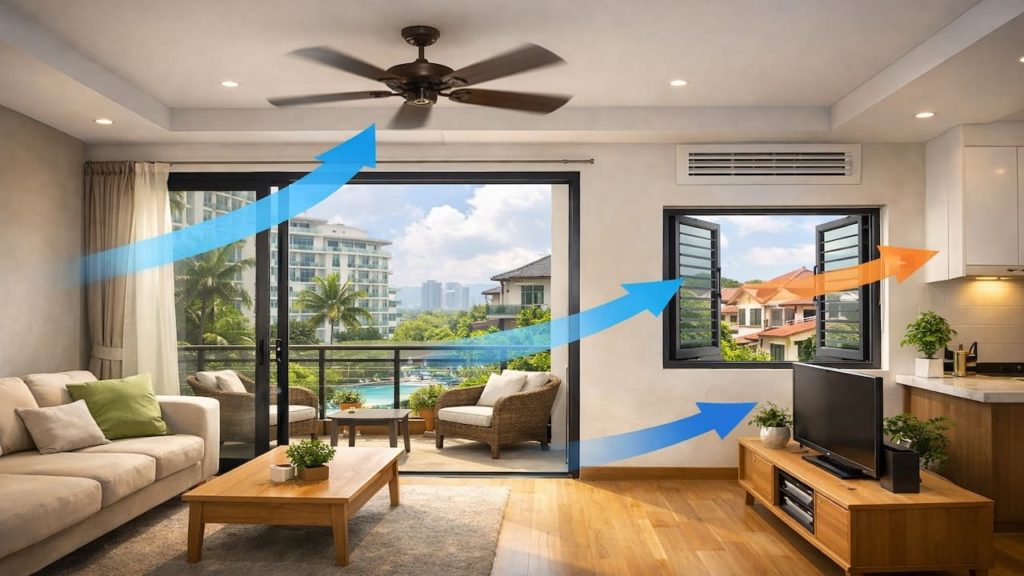
You may worry sealing blocks airflow, but you are sealing the perimeter, not choking the system. In humid Malaysia, keep ventilation working while closing the edges.
3. Why pests enter through gaps in Malaysia homes
They want food water and dry shelter.
Malaysia heat keeps pests active year round, and rain pushes them away from wet ground into wall cavities and ceilings. Condos also share risers and ducts, so one gap can connect multiple units—annoying truth. It adds cost too.
- Warm nights keep roaches active indoors
- Rain floods nests and forces relocation
- Food crumbs attract ants to hidden routes
- Condensation near pipes creates water sources
- Shared shafts spread pests between units
Some people blame “dirty homes,” but clean units still get pests if gaps stay open. Fix the access first, then your cleaning effort finally pays off.
4. How to seal gaps and keep them sealed
Use layered sealing and recheck monthly.
Basic supplies are usually RM10–60 for silicone, foam, mesh, and a simple caulk tool—small money compared to repeat infestations. In Malaysia humidity, choose mold resistant sealant and let it cure fully. No rush.
- Clean and dry surfaces before applying sealant
- Seal small gaps using silicone bead smoothly
- Fill big holes using foam then trim flush
- Install door sweep to block under door gap
- Recheck after rain and after pest sightings
You might think one sealing round is enough, but materials shrink and buildings shift. Do it once properly, then do quick rechecks and stay ahead.
5. FAQs
Q1. How small of a gap can pests use to enter?
Smaller than you think—ants need tiny cracks and roaches use thin gaps along pipes and frames. In Malaysia condos, even a small service hole can connect to a shaft — so treat every opening seriously.
Q2. Should I spray first or seal first?
Seal first when you can because entry routes cause repeat infestations. Use spray only as a short cleanup step while you close the access points.
Q3. Is it safe to seal around aircond pipes?
Yes if you do not crush the pipe or block drainage. Seal the perimeter where the pipe passes through the wall, and keep the drain line slope clear.
Q4. What if my unit is clean but pests still appear?
Clean does not matter if access is open. Check pipes, vents, window tracks, and door gaps, especially if you share shafts with other units.
Q5. When should I call pest control?
If you see heavy activity, nests, or repeated sightings after sealing, call a professional. Use them to reduce the population, then keep gaps sealed to prevent return.
Pro’s Tough Talk

I’ve been on sites for 20+ years and I’ve dealt with hundreds of pest complaints. People love to blame “bad luck,” but pests are not magicians, they are commuters. In Malaysia humidity, they just follow the easiest route to dry comfort.
It breaks into 3 causes. Open gaps around pipes and vents. Food and water that keep them coming back. And shared building pathways that move pests between units. You can mop all day, but if the highway is open, they will keep arriving.
Immediate fix is 3 moves. Find the entry point, not the insect. Seal the gap with the right material, not random tape. Then remove food and water sources so they stop scouting. Pests are like water, they flow to the easiest opening.
Here is the rule. Close access then reduce the population. Common scene one: someone sprays, kills a few, celebrates, then the next night it is back. Common scene two: they seal nothing and complain the spray is “weak.” Seriously?
Keep the gaps open and you are basically running a free hotel, and the guests never check out.
Summary
The fastest way to stop pests is to find entry gaps and seal them—especially around pipes, vents, doors, and window tracks in Malaysia homes.
If pests keep returning, focus on service holes and shared pathways, then recheck after rain and humidity shifts so your work does not fail quietly.
Seal the gaps this week and you will cut repeat invasions, save money on constant sprays, and move on to the next Malaysia home pest guide with less stress.