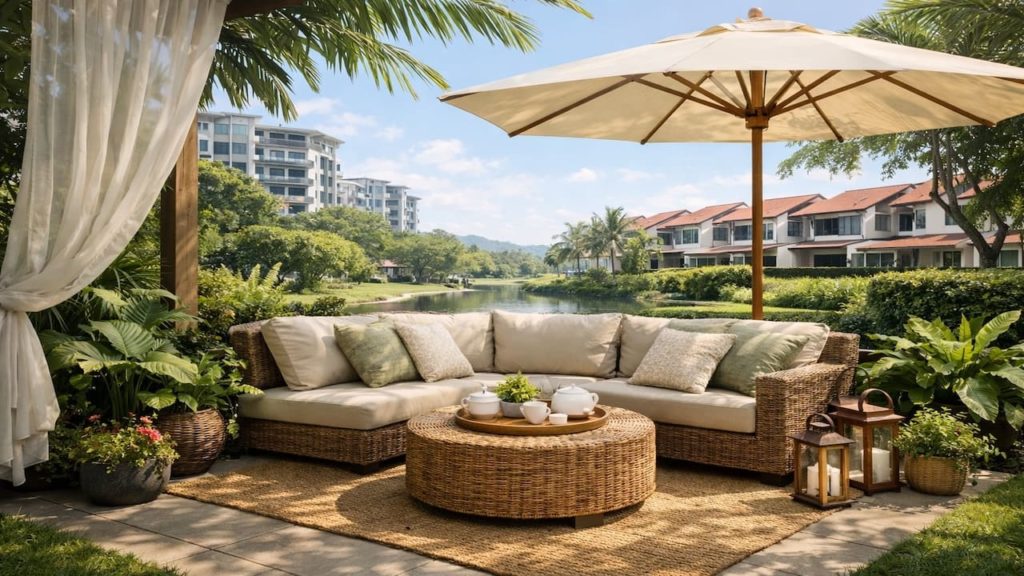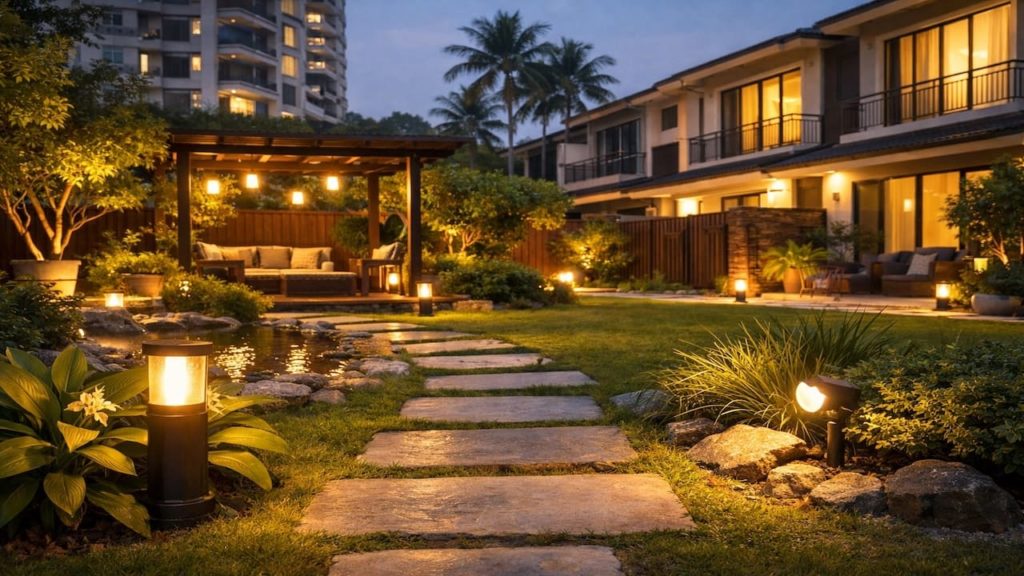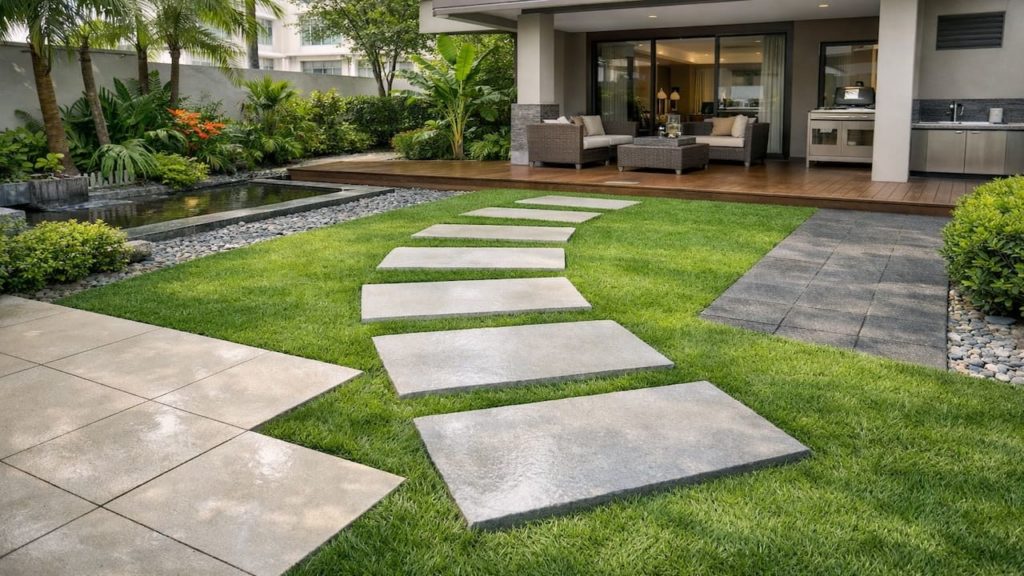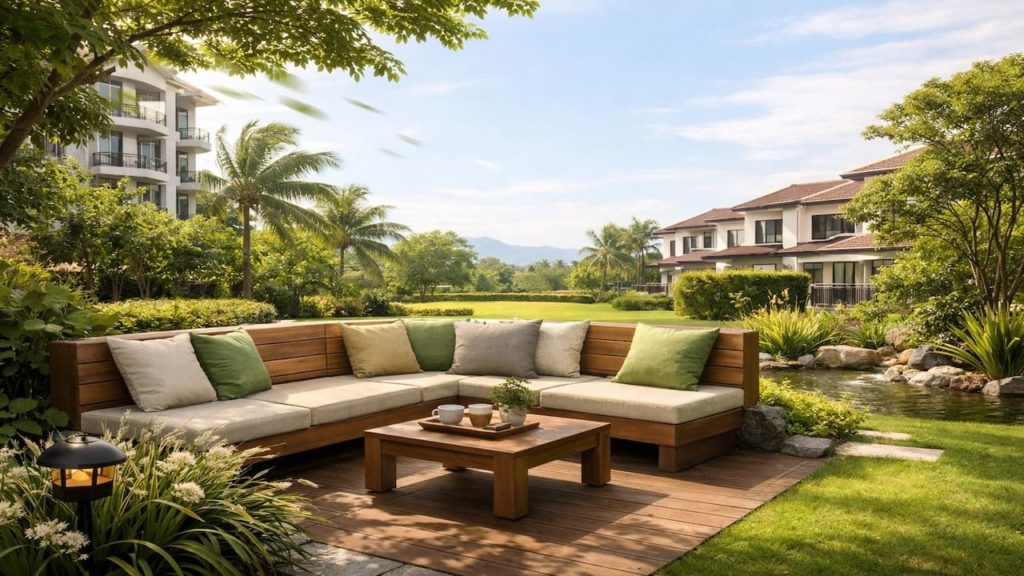
You put a bench in the garden corner, but afternoons feel too hot, too bright, or weirdly stuffy, so nobody sits there long. In Malaysia, corner seating needs smart orientation or it becomes decoration only.
Heat builds on walls, tiles store warmth, and humidity slows cooling around terrace homes and condo patios. If the bench faces sun glare or sits in dead air, the corner turns into a small oven even when the garden looks green.
In this guide, you’ll learn how to place a bench corner to stay cooler by facing wind not sun and how to adjust shade and view without rebuilding anything. You will also learn quick checks, small upgrades, and what to avoid in humid weather.

Hi, I’m Ken. I write practical home guides for Malaysia—no fluff, just what works.
I hold a formal building design qualification and have spent about 20 years on job sites across hundreds of projects. My goal is simple: help you avoid costly mistakes with clear, safe steps—a quick way to decide what to do next.
1. Garden bench corners done right: 5 tips
Corner benches need airflow planning because corners trap heat.
In Malaysia, a corner is often sheltered, which sounds nice until it blocks breeze and traps warm air—microclimate. Heat reflection from walls and paving adds to the problem. Bench placement. Start by noticing where wind actually moves in the afternoon and where sun hits the seat and backrest.
- Sit at 3 pm and feel airflow direction
- Check wall glare hitting your eyes at bench height
- Avoid corners that stay damp and smell musty
- Keep a clear gap behind bench for air movement
- Face the bench toward the calmest view line
Some people choose corners for privacy, but privacy without airflow becomes sticky and uncomfortable. Tradeoff. Choose a corner that breathes and you get both calm and comfort.
2. Face wind not sun for cooler afternoons
Angle the bench into the breeze and away from direct sun reflection.
Afternoon comfort is not only shade, it is how your body loses heat, and breeze is the fastest helper in Malaysia humidity. If the bench faces sun, your face and chest take the heat load and you feel tired quickly. If it faces wind, sweat evaporates better and mosquitoes struggle more. Small angle changes can feel like a different garden.
- Rotate bench so breeze hits your front side
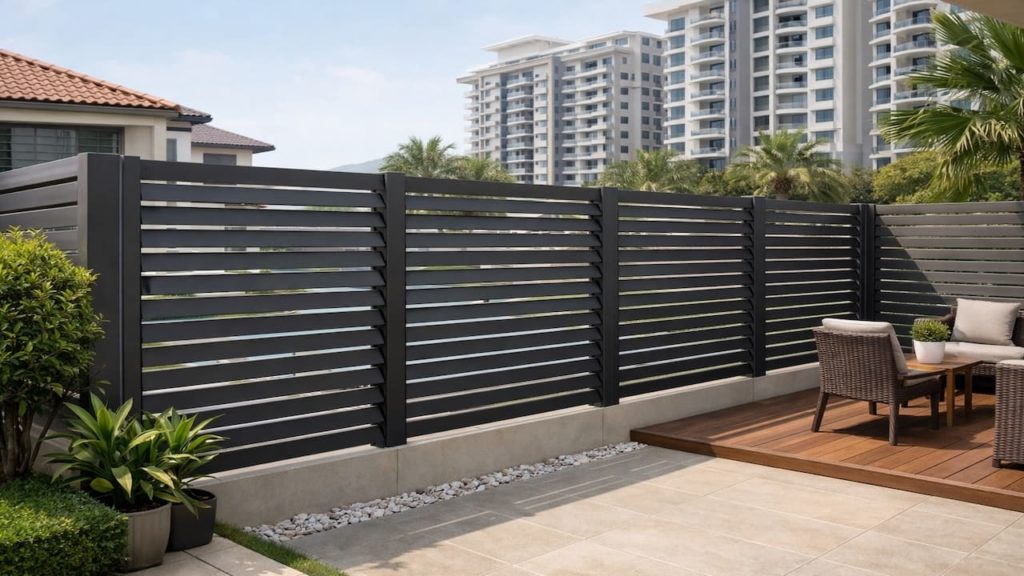
- Use side screens that block sun but pass wind
- Place bench away from hot tiles and reflective walls
- Add overhead shade with a ventilation top gap
- Keep plants low in front to avoid blocking breeze
You might think facing wind means losing the view, but you can often angle 10–20 degrees and keep both. Simple win. Aim for breeze first, then tune the view.
3. Why bench corners feel hotter than open areas in Malaysia
Walls store heat and block wind so humidity feels heavier.
Corners collect warm air because two surfaces reduce airflow and reflect heat back toward the seating zone. In Malaysia, even shaded corners can feel hot if tiles and walls are warmed earlier in the day. Wet surfaces also dry slowly, so corners can feel muggy and attract mosquitoes. The corner becomes a comfort trap, not a retreat.
- Feel heat radiating from walls after late afternoon
- Notice still air where mosquitoes gather near plants
- Check if paving stays warm long after sunset
- Spot glare bouncing from light paint and windows
- Find rain splash zones that keep the corner damp
It is easy to blame “summer heat,” but the real cause is blocked airflow plus stored heat from surfaces. Mechanism. Change orientation and airflow and the corner cools down noticeably.
4. How to set up a cooler bench corner with light changes
Shift position, add shade, then soften surfaces in the right order.
First, move the bench slightly off the tight corner so air can pass behind it and heat is not trapped. Then add partial shade that vents hot air, and reduce reflected heat by adding plants or a mat that does not hold water. For simple items like shade clips, a small outdoor rug, and quick-dry cushion covers, RM20–200 is common depending on what you choose. Keep everything easy to dry in Malaysia weather.
- Pull bench 20–40 cm off the wall corner
- Install shade sail with airflow gap above seat
- Add gravel strip to reduce damp splash zones
- Use light cushion covers that dry quickly
- Place a small fan for still humid evenings
Some people decorate first, but decoration fails when the bench is still hot and muggy. Order matters. Fix airflow and sun angle, then make it cozy.
5. FAQs
Q1. How do I know which way the wind usually comes from?
Stand outside at your sitting time and feel it on your face and arms, or hang a light ribbon and watch movement. Check on a few days because breezes shift with storms.
Q2. Is shade more important than wind for comfort?
Both matter, but wind often decides comfort in Malaysia humidity because it helps your body cool. Shade without airflow can still feel sticky in a corner.
Q3. Can plants block sun without blocking breeze?
Yes, use light planting like tall narrow shrubs or trellis vines that filter sun but keep gaps. Avoid dense hedges right in front of the bench.
Q4. What bench materials stay cooler in hot afternoons?
Wood and breathable mesh often feel cooler than solid metal, especially in direct sun. Use cushions that dry fast and do not trap dampness after rain.
Q5. What if my corner always feels damp and smells musty?
That is a drainage and airflow issue, not just a seating issue. Improve runoff, open a breeze path, and keep the wall base clear so the area can dry.
Pro’s Tough Talk

Alright, I’ve been on site 20+ years, done hundreds of jobs, and corner benches fail for the same reason every time. People put them in the “nice corner” and forget Malaysia heat and humidity turn corners into little heat boxes.
Three causes. One, the bench faces sun and glare, so you cook from the front while walls radiate from the side. Two, the corner blocks breeze, so sweat cannot evaporate and mosquitoes throw a welcome party. Three, damp splash and poor drying keep the corner muggy, like a wet towel that never leaves the rack.
Do this in 3 steps. First, sit at your real time and feel wind direction, then rotate the bench into the breeze. Second, pull it off the wall and add shade that vents hot air. Third, clear damp zones, reduce heat reflection, and add one quick-dry soft layer.
Don’t blame yourself, and don’t blame every contractor either, but the structure is cold. People pay for “nice tiles” and “nice walls,” then nobody thinks about airflow because it is invisible. Face wind and you win afternoons and that is the whole game.
Aruaru: the bench becomes a plant stand because nobody sits there. Aruararu: you sit for 2 minutes, then you stand up sweaty and annoyed. Oi, want a cool corner or a photo corner? Rotate it, or keep sweating for the vibes.
Summary
Bench corners feel cooler when you face wind instead of sun, keep airflow behind the seat, and reduce heat reflection from walls and paving. In Malaysia humidity, breeze is comfort.
If the corner stays hot or damp, adjust position and shade first, then address drainage and surface heat storage. Fix one corner before you buy new furniture.
Rotate your bench today and test at 3 pm then follow with a shade-and-breeze seating guide or a drainage-around-the-house guide to keep the corner dry and usable. Small angle changes create real comfort.