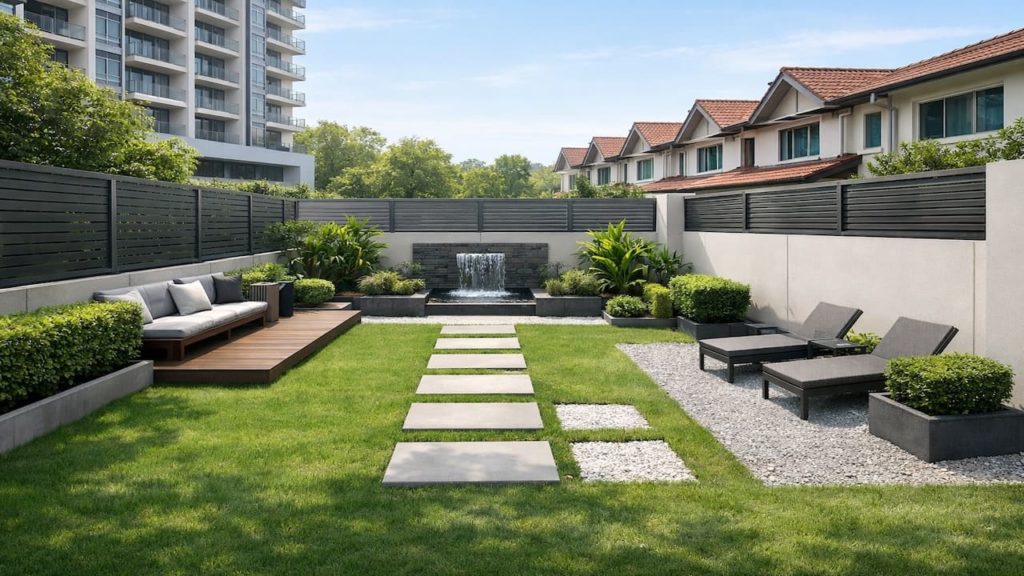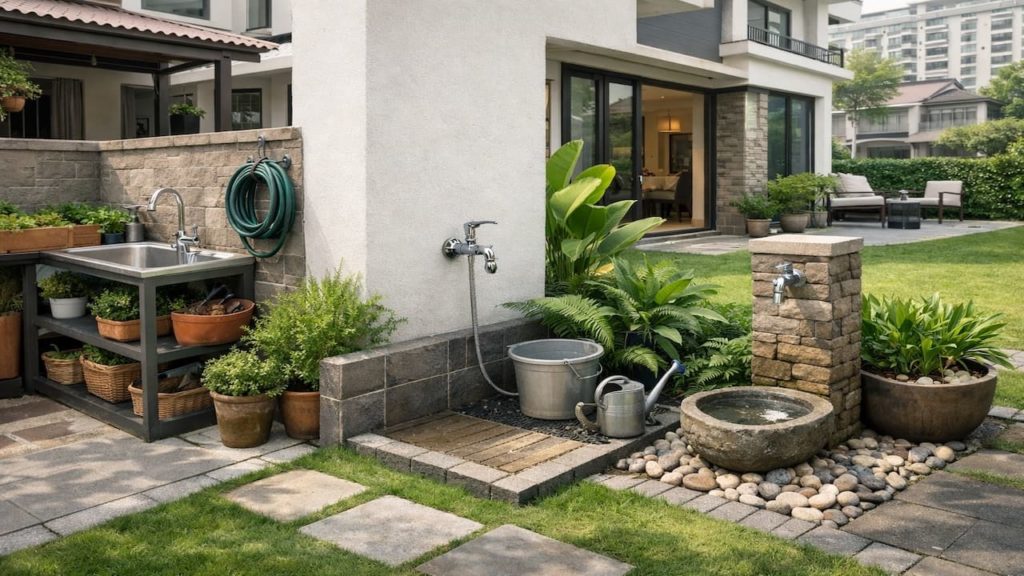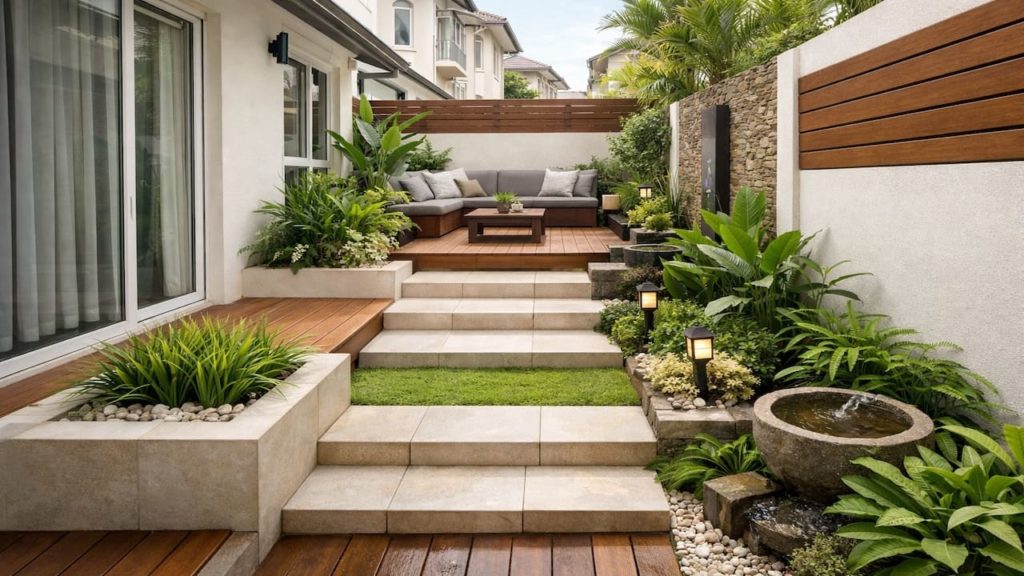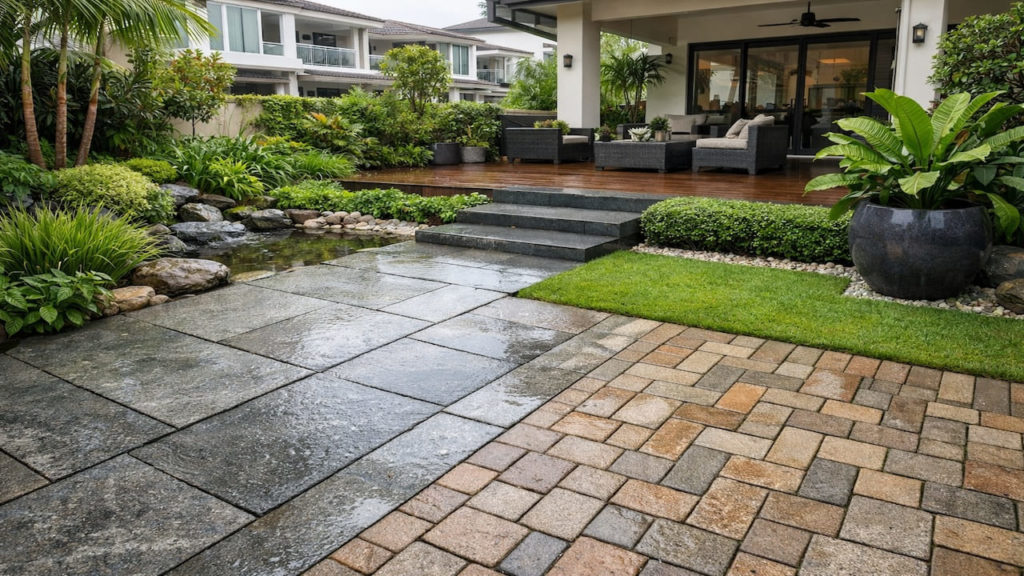
Your gravel area looked sharp on day 1, then the wet weeks came and it started spreading, sinking, and mixing into soil like it never had a plan.
In Malaysia, heavy rain, fast algae growth, and soft ground around terrace homes and condos make gravel fail when layering is thin and edges are weak.
In this guide, you’ll learn how to layer gravel properly and edge it so lines stay crisp longer while keeping drainage, cleaning, and daily walking comfort realistic.

Hi, I’m Ken. I write practical home guides for Malaysia—no fluff, just what works.
I hold a formal building design qualification and have spent about 20 years on job sites across hundreds of projects. My goal is simple: help you avoid costly mistakes with clear, safe steps—a quick way to decide what to do next.
1. Garden design with gravel: 5 checks
Gravel works best when the base and borders do most of the work not your broom.
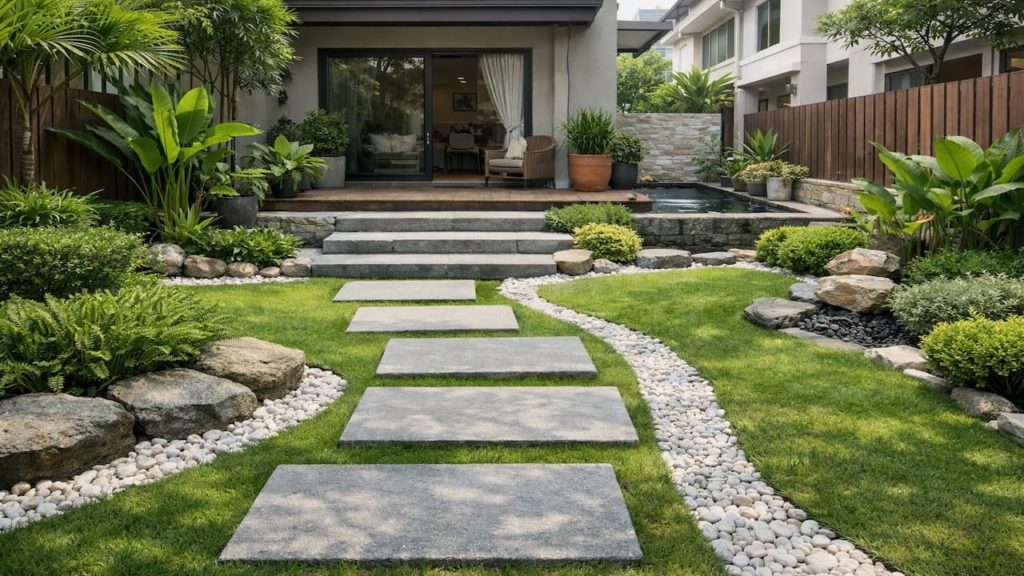
Gravel looks premium in small gardens, but Malaysia downpours can push stones into drains and scatter them into planting beds. Humidity also keeps soil soft, so thin builds sink and tilt over time. Clean borders. Real function.
- Define the gravel zone around daily walking routes
- Check ground firmness after rain before building
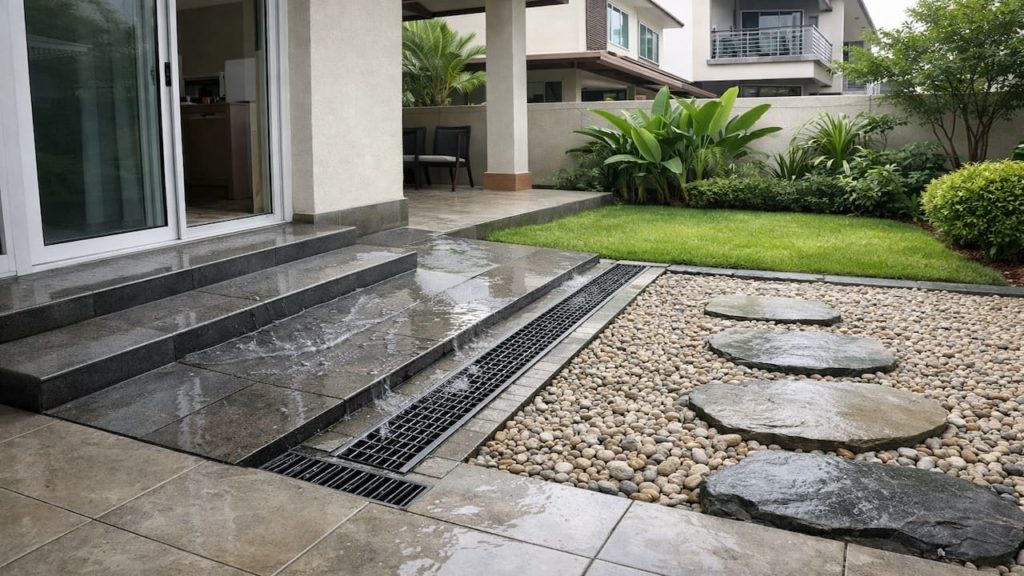
- Plan drainage exits so stones do not drift
- Match gravel size to foot traffic and pets
- Keep gravel away from door thresholds and drains
Some people say gravel is always messy, so it is not worth it — that is only true when you skip the base, skip edging, and expect luck to hold the shape.
2. Layering and edging that stays sharp longer
Sharp gravel lines come from deep edging and stable layers not from perfect raking.
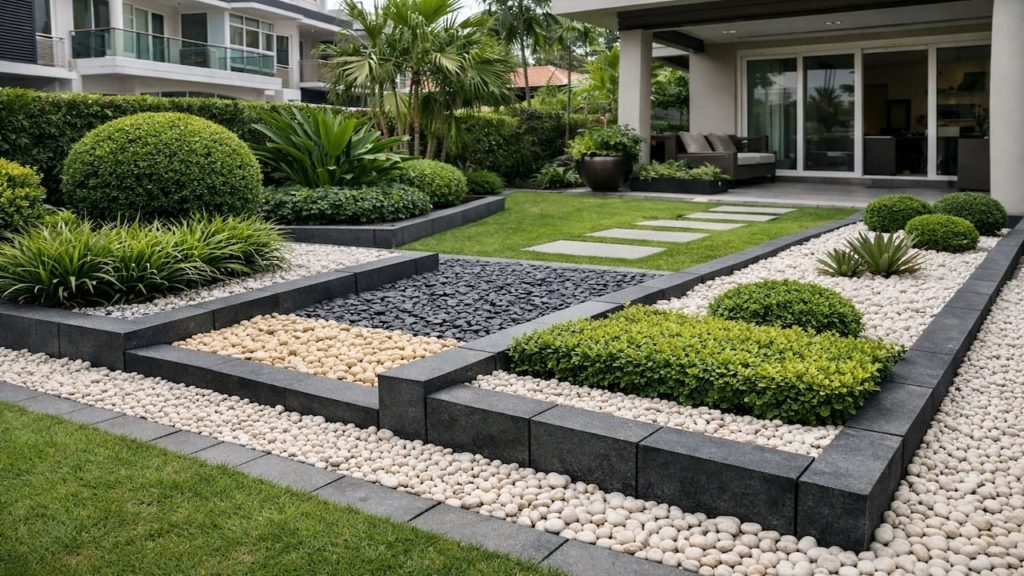
Layering gives the stones a firm bed so they stop sinking and stop migrating, even when Malaysia rain hits in bursts. Edging keeps the border from bulging outward when you walk, sweep, or roll bins past it. Straight edges. Less rework.
- Install geotextile fabric to stop soil mixing
- Add compacted base layer before decorative gravel
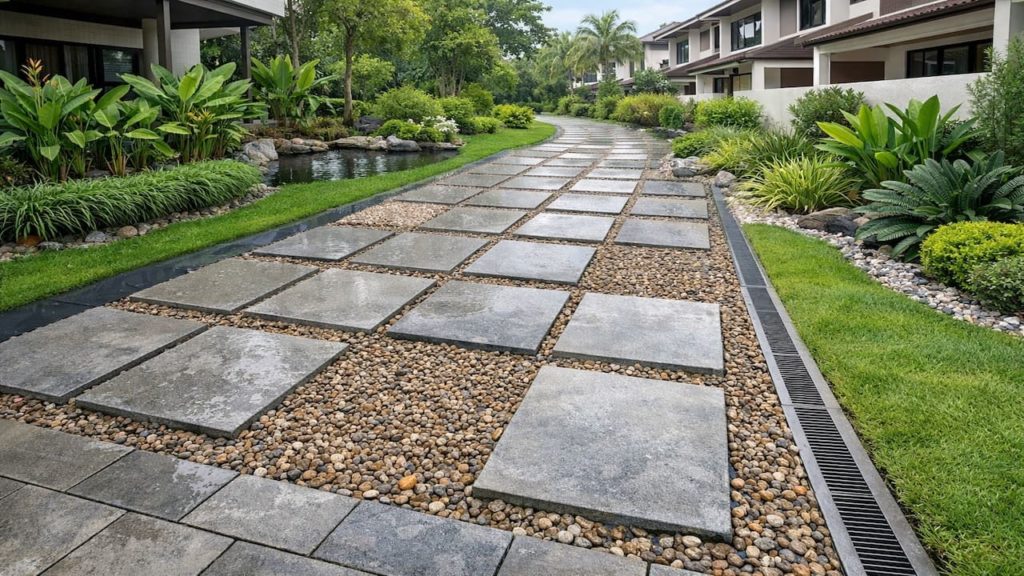
- Use two gravel sizes for stable top layer
- Set metal edging deep to lock gravel lines
- Seal edge gaps so ants cannot tunnel under
It is easy to think edging is optional because the gravel “looks contained” on day 1 — once the ground softens and water runs, that invisible border problem becomes a visible mess.
3. Why gravel beds lose shape in Malaysia wet months
Gravel loses shape when water moves underneath it and carries fines away.
Fast rain creates tiny channels under shallow gravel, then the top layer slides toward low spots and drains. In humid weather, nearby soil stays loose, so stones press into it and the border creeps outward. Small gardens feel it first. Quiet damage.
- Watch where runoff crosses the gravel surface
- Check for soft spots near planters and walls
- Look for missing fines under the top layer
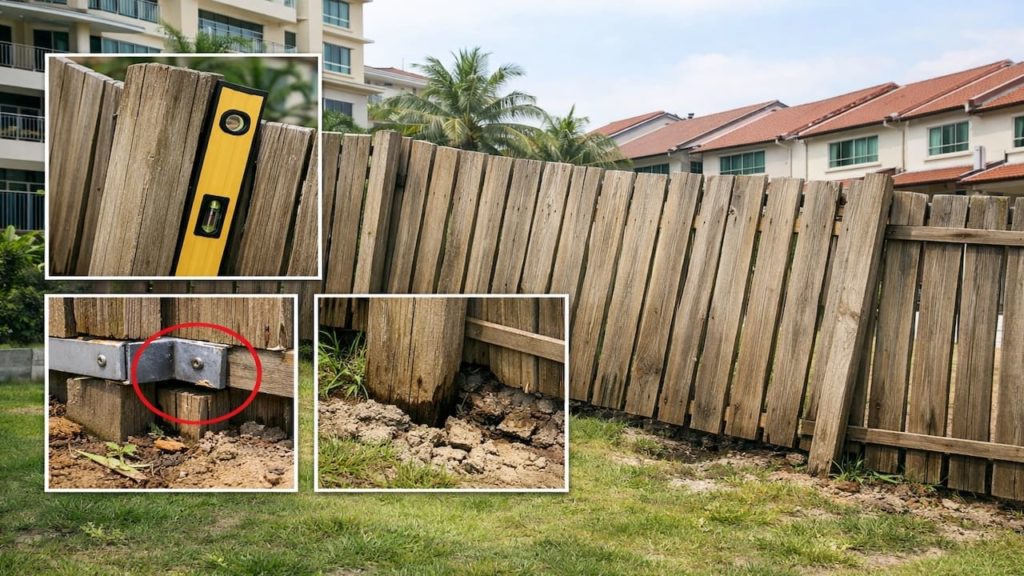
- Inspect edging for tilt after two storms
- Notice stones collecting near drain covers
You might blame the gravel quality, but the cause is usually the build, not the stone. Fix the water path and the edges, and the same gravel suddenly behaves like a finished surface.
4. How to build gravel that stays neat and drains well
Build the base like paving, then finish with gravel for long-term shape.
Start by digging to a consistent depth, compacting the ground, and adding a base layer that drains without washing out. In Malaysia, most people end up buying fabric, edging, and base material, and a small DIY zone can cost RM120–600 depending on size and choices. Worth it.
- Excavate evenly to keep depth consistent everywhere
- Compact soil firmly before any base goes down
- Add crushed rock base then compact again
- Lay geotextile flat without wrinkles or gaps
- Install edging first then spread top gravel
People worry this is overkill for a small garden, like building a road. It is not about strength, it is about control — you are buying fewer cleanups, fewer refills, and fewer embarrassing scattered stones.
5. FAQs
Q1. What gravel size stays neat for small home gardens?
Medium stones usually stay put better than tiny pebbles in heavy rain and foot traffic. Choose a size that does not stick in shoe treads near the door.
Q2. Do I need geotextile fabric under gravel?
Yes if you want clean separation from soil in humid wet conditions. Fabric reduces sinking, mixing, and weeds, but it still needs a firm base.
Q3. Can gravel be used on a slight slope?
Yes if the base drains and the edging holds because slope failures happen from water flow under the gravel. Use deeper edging and break long runs with small level steps.
Q4. How do I stop weeds without spraying often?
Weeds drop in from above, so total prevention is unrealistic. Fabric plus thicker gravel reduces growth, and quick pulling after rain keeps it under control.
Q5. Why does gravel end up inside my drain?
Runoff is crossing the gravel zone and pushing stones toward the outlet. Redirect the water path and add a small buffer strip before the drain cover.
Pro’s Tough Talk

Alright, I’ve been on site 20+ years and done hundreds of jobs, and gravel fails the same way every time when people build it like a decoration.
First cause: no base, so the ground turns to porridge in Malaysia rain and the gravel sinks. Second cause: weak edging, so the border spreads like toothpaste when you walk on it. Third cause: water cutting underneath, like a sneaky thief stealing your neat lines.
Do this, in order: dig to one depth, compact hard, then build the base before the pretty stones. Put edging in deep, not just “standing there” for photos. And stop letting runoff cross the gravel, because that’s basically inviting chaos into your yard.
Gravel is not the villain, the shortcut is and I’m not blaming you for trusting a quick install. Some contractors will do what you ask to hit budget and time, but the structure is cold and simple: weak layers always lose, no matter who meant well.
You know that moment when you step out after a storm and the gravel feels like it “moved overnight,” and that other moment when you sweep and the stones keep coming back like unpaid debts—oi, what is this, a magic trick or a garden, hah.
Summary
Gravel stays sharp when you control two things: the layers under it and the border around it. Clean lines.
If your gravel keeps spreading or sinking, the fix is rarely more raking — it is base compaction, separation fabric, and edging depth that match Malaysia rain.
Pick one zone and rebuild it properly this week then link to your drainage and slippery-surface guides so readers solve the whole wet-season chain.