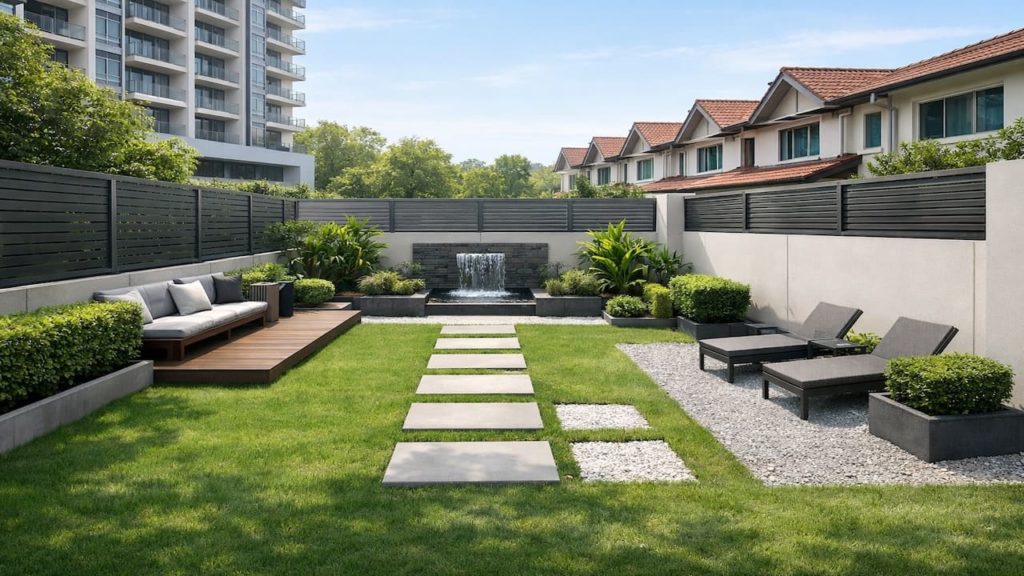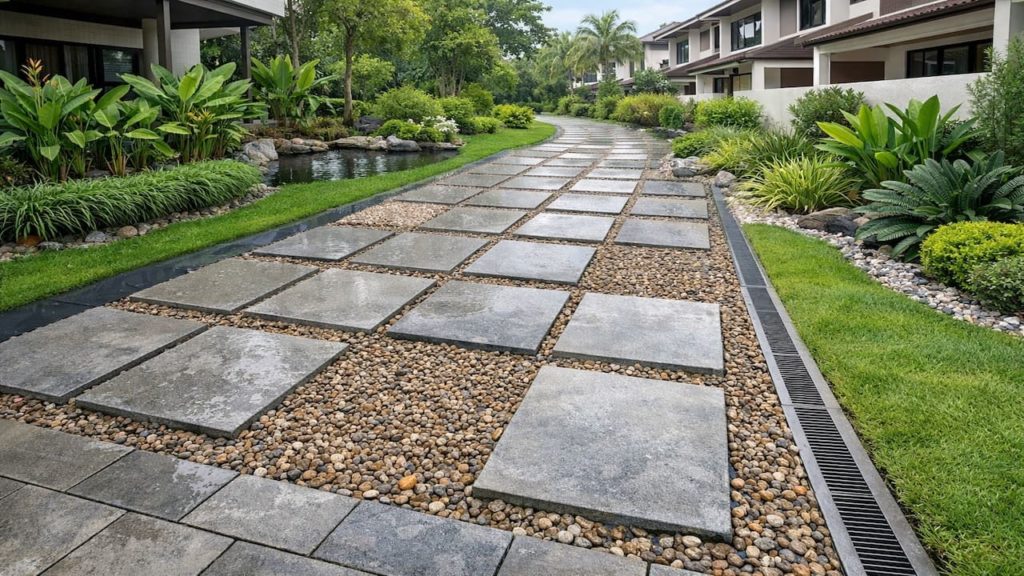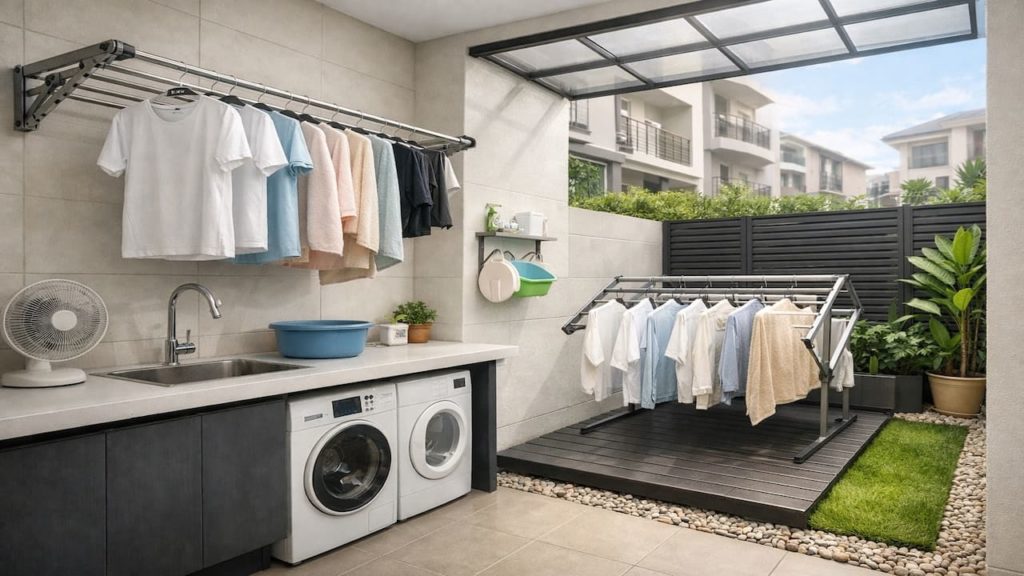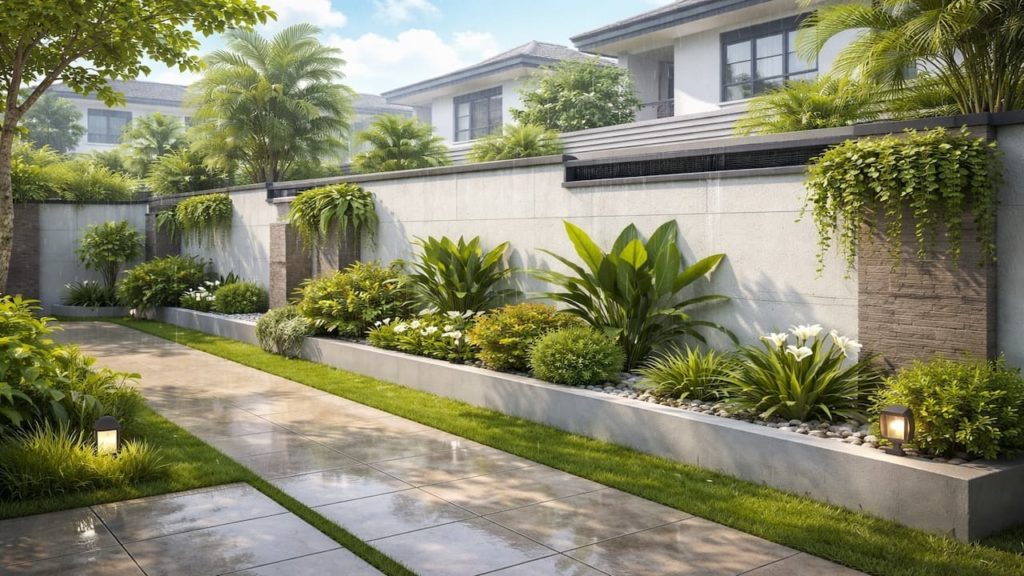
You want a garden that works, not a random mix of pots that looks fine once and then annoys you every day in Malaysia.
Heat, humidity, and sudden heavy rain change everything, so planning matters more than decoration in terrace homes and condo patios. Mistakes show up as puddles, algae, and plants that struggle.
In this guide, you’ll learn how to plan a garden layout that stays comfortable. You will check sun, wind, and drainage flow first, then design around what your site already does.

Hi, I’m Ken. I write practical home guides for Malaysia—no fluff, just what works.
I hold a formal building design qualification and have spent about 20 years on job sites across hundreds of projects. My goal is simple: help you avoid costly mistakes with clear, safe steps—a quick way to decide what to do next.
1. Planning a garden design: 5 checks
Plan with site checks before shopping so your Malaysia garden stays dry, breezy, and simple to maintain.
Most “design problems” are actually site problems you did not measure—sun hits the wrong spot, wind dies in a corner, water runs where you walk. Control. When you catch these early, you avoid wasting money on plants that fail and surfaces that turn slippery. In small yards, one bad corner affects the whole space.
- Map sun patches across morning and late afternoon
- Feel wind direction at gate and back wall
- Trace drainage path after heavy rainstorm
- Check tap location and hose reach range
- Note privacy lines from neighbors and road
You might think checks slow you down, but skipping them creates rework that costs more time and more ringgit. Malaysia weather will expose weak planning fast. Do the checks once, then build with confidence.
2. Start with sun, wind, and drainage flow
Start with sun wind and drainage flow because they decide comfort in Malaysia before any style choice.
Sun sets the “hot zone” and “cool zone,” wind sets where you can sit, and drainage sets where you must keep surfaces clear—this is the real layout. Flow. When these three align, the garden feels larger and calmer even with fewer items. You also spend smarter because you stop buying fixes for the wrong problem.
- Mark shade lines on the floor with tape
- Place seating where breeze still reaches you
- Keep low plants out of drainage channels
- Put storage on the driest wall section
- Set a main path on highest ground
Some people chase a theme first, but themes collapse when the seat is always hot and the floor never dries. Malaysia humidity makes comfort non negotiable. Nail the flows, then the style becomes easy.
3. Why gardens fail when you skip site planning
They fail because small mistakes compound in humidity and a Malaysia yard punishes slow drying.
When water lingers, algae forms a thin film, dirt sticks, and your “clean” surface becomes a weekly scrub—then you stop using the space. Wet corner. If wind is blocked, plants stay damp, pests feel safe, and smells build up near walls. Skipping sun checks also bakes furniture and weakens plants, so you replace things more often.
- Blocked airflow keeps leaves wet and spotted
- Poor slope creates puddles on walking lines
- Hidden drains overflow and stain walls quickly
- Wrong sun exposure stunts plants and burns pots
- Cluttered corners trap grime and invite pests
You may blame materials or “bad luck,” but the real cause is predictable: water and air did what they always do. Malaysia rain is honest about layout. Plan for drying and access, and the garden lasts longer.
4. How to plan your garden layout in one afternoon
In one afternoon, measure first then sketch zones so you design around Malaysia sun and rain instead of fighting them.
Take photos from the door, mark the sun and shade edges, note wind direction, then draw three zones: path, plants, and a use area—keep it simple. Quick plan. The cost is mostly time/effort. This prevents waste spending because you buy only what supports your zones, not what “might work.”
- Take doorway photos and mark main view line
- Record sun shade spots at two times
- Pour water and watch where it runs
- Sketch three zones with clear boundaries
- Test layout with tape before moving items
You might think you need a perfect drawing, but you only need a clear decision on zones and flow. Malaysia homes reward simple plans that dry fast and clean fast. Once zones are set, upgrades become optional, not urgent.
5. FAQs
Q1. How do I check sun patterns without special tools?
Use your phone camera and take two quick photos, morning and late afternoon. Two timestamps are enough to plan zones in most small Malaysia yards.
Q2. What if my yard gets almost no wind?
Create a clear corridor by removing clutter along one line and using slim vertical plants. Even small airflow improves drying and comfort after rain.
Q3. How can I tell where drainage should go?
After rain, watch the water path and look for where puddles stay longest. Keep paths and seating off that line and keep drains reachable.
Q4. Should I plan plants first or hard surfaces first?
Plan the path and drainage first, then place plants where they will not block airflow. Plants are flexible, but slope and access are not.
Q5. How often should I review the plan in wet season?
Do a quick review monthly and after any big storm, focusing on puddles and algae spots. Small adjustments beat a full redo later.
Pro’s Tough Talk

Oi, I’ve been on site for 20+ years and I’ve done hundreds of jobs, and I can tell in 10 seconds when someone “designed” without checking the site. In Malaysia humidity, the yard will snitch on you fast. Truth.
Three causes, always the same: you ignore where water runs, you block airflow with clutter, and you pick plants for looks instead of survival. It’s like building a roof without caring about slope, then acting surprised when it leaks. And no, the contractor isn’t always evil, but rushed work skips checks because time is money.
Do three moves now: take two sun photos, pour a bucket and trace drainage, then clear one wind corridor and one walking line. Relatable moment: you step out after rain and the tile feels slick. Relatable moment: you lift a pot and find a green slimy patch underneath.
Here’s the cold system: planning is cheaper than fixing, and fixing in Malaysia is endless because weather repeats the same test weekly. You can still enjoy style, but style sits on physics. Bro, why are you placing seating in the hottest dead air corner?
Plan first, buy later, or keep donating weekends to algae and mosquitoes like it’s your chosen hobby.
Summary
Start garden planning with five checks: sun, wind, drainage flow, access, and privacy, because they decide comfort in Malaysia homes.
If the space feels hot, damp, or messy, fix airflow and drying speed first, then simplify into clear zones before you add more items. Structure wins.
Today, take two sun photos and trace drainage, then continue with a low-upkeep layout guide and a slippery-surface cleaning guide.