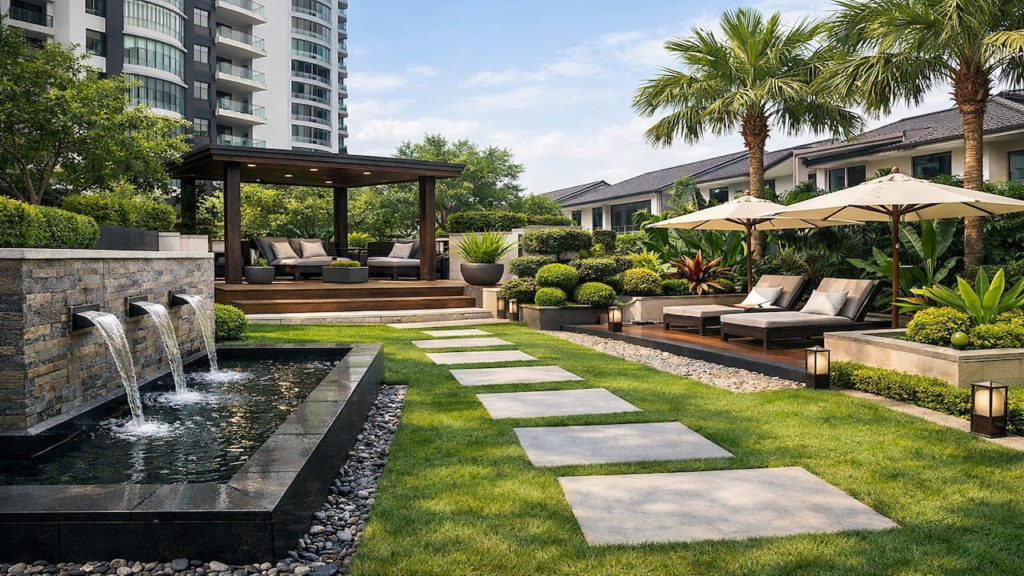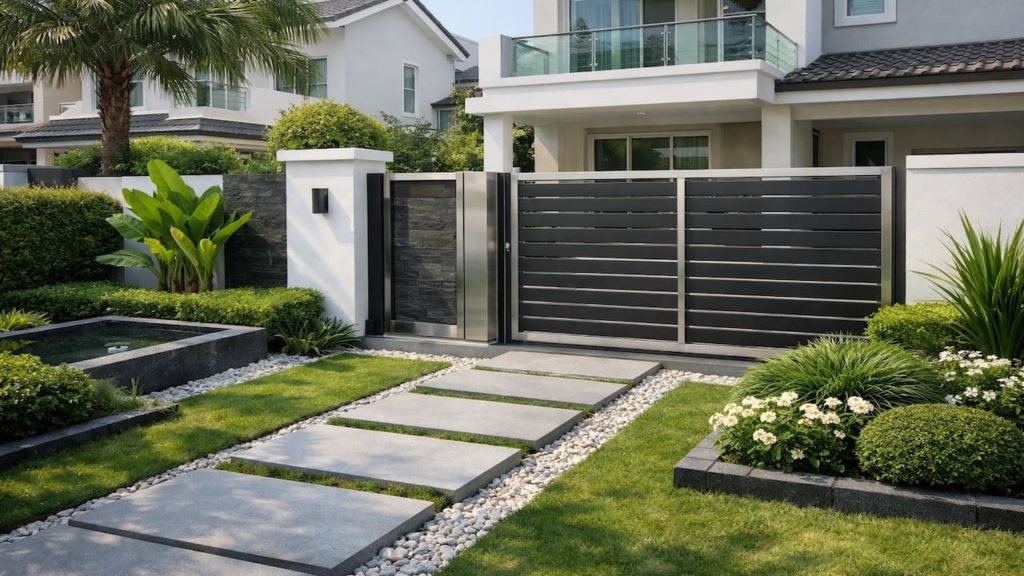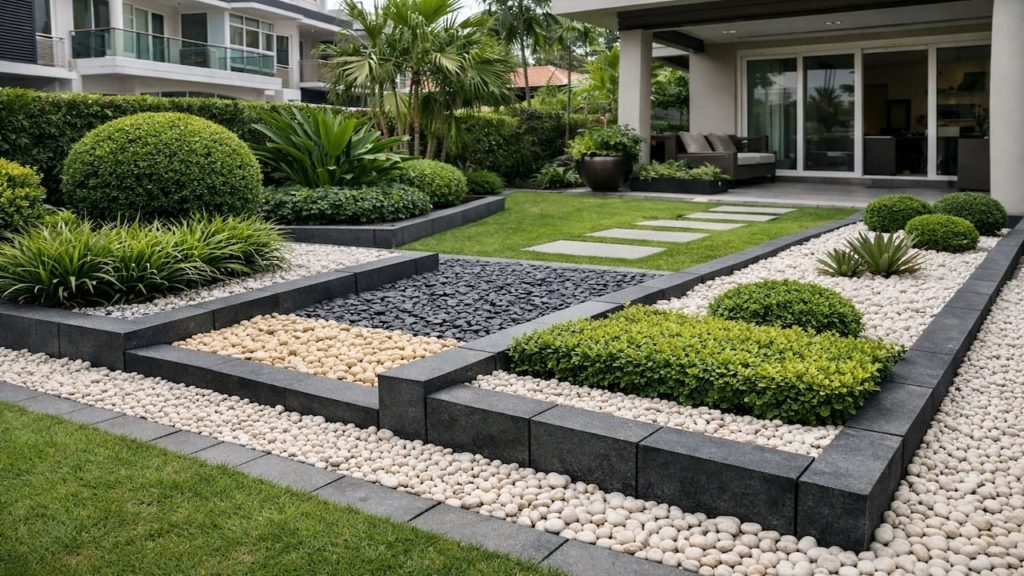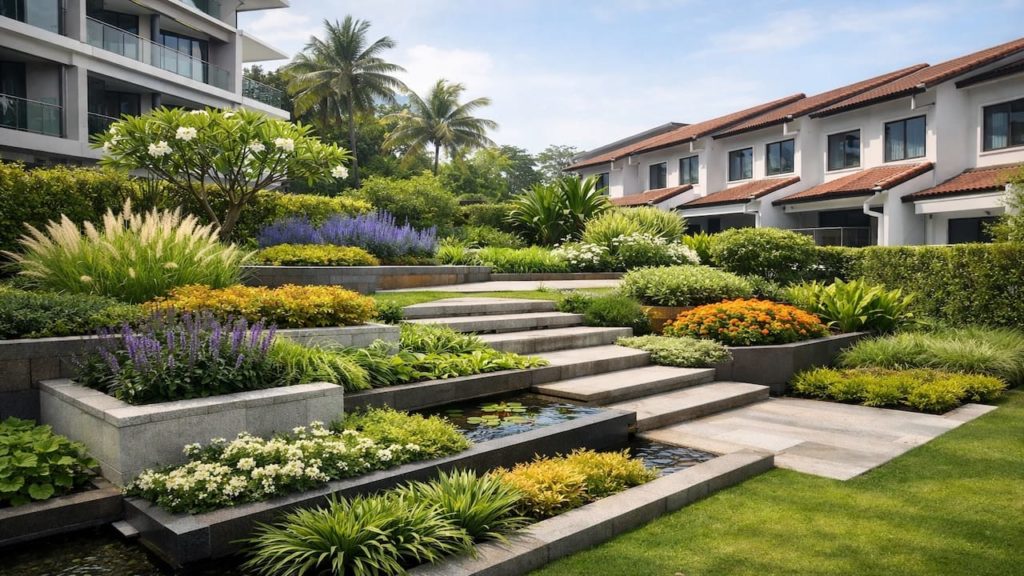
You can buy nice plants and still feel your garden looks flat, random, or unfinished in a Malaysia terrace home or condo. The pots look alive, but the layout feels off.
In hot, humid weather with sudden rain, growth is fast, algae shows up, and a busy mix can turn into a green blur. Wet-season reality.
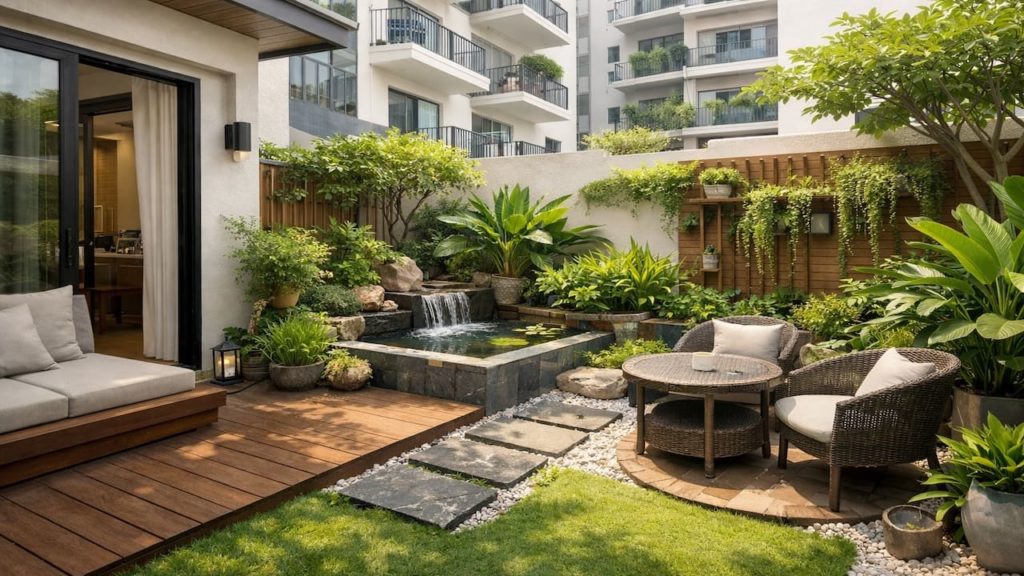
In this guide, you’ll learn how to layer plants for a tidy designer look so the space feels bigger, stays cleanable, and still works in wet months. You will also learn how to choose contrast that survives tropical growth.

Hi, I’m Ken. I write practical home guides for Malaysia—no fluff, just what works.
I hold a formal building design qualification and have spent about 20 years on job sites across hundreds of projects. My goal is simple: help you avoid costly mistakes with clear, safe steps—a quick way to decide what to do next.
1. Planting-led garden design: 5 tips
The fastest upgrade is design the layers before you buy plants so every pot and bed has a job.
Malaysia light changes quickly with clouds, and wet-season glare makes messy planting look even noisier. A simple layer map. When height is planned, you can rinse floors and still keep greenery looking intentional. Budget control.
- Sketch three height bands for every planting zone
- Pick one texture theme for walls and ground
- Repeat two plant forms across the whole garden
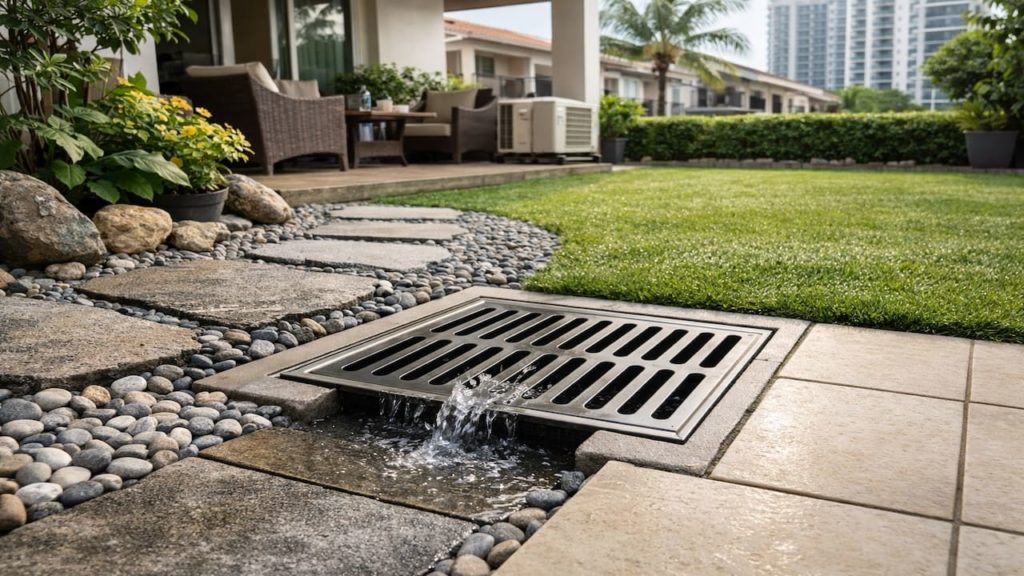
- Reserve an empty strip for airflow and cleaning
- Place tall plants away from window sightlines
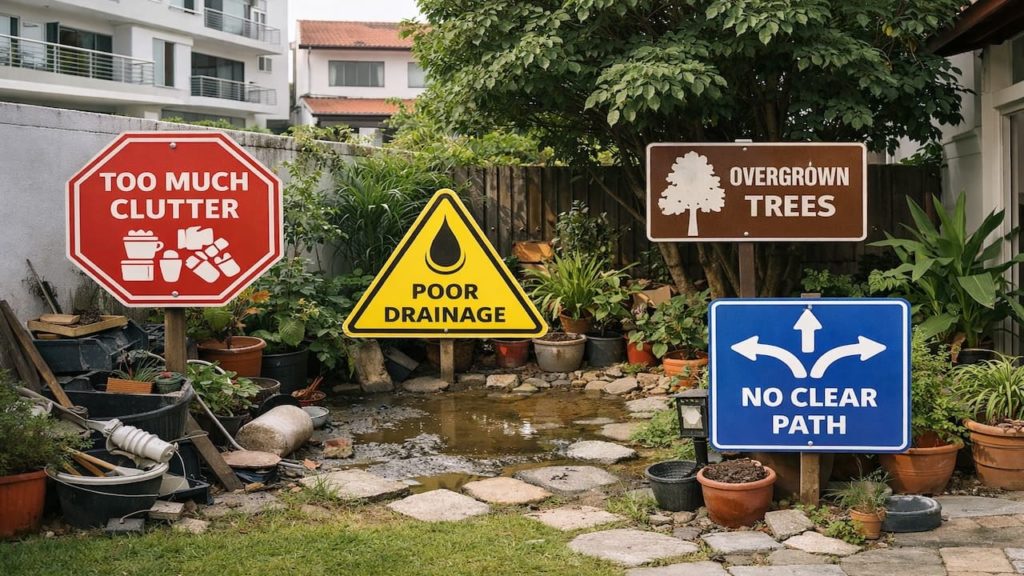
You might think “more plants” fixes everything—too many unplanned shapes just reads like clutter. In Malaysia humidity, you will clean more often, so gaps and access matter. Start with structure, then add variety slowly. That is the cheat code for small wet gardens.
2. Layer height and texture like a designer
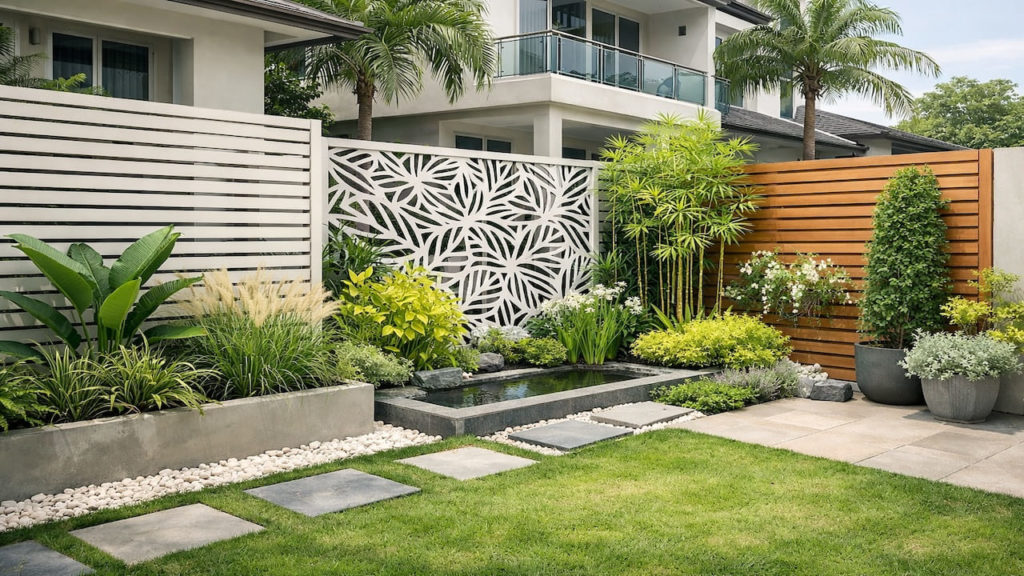
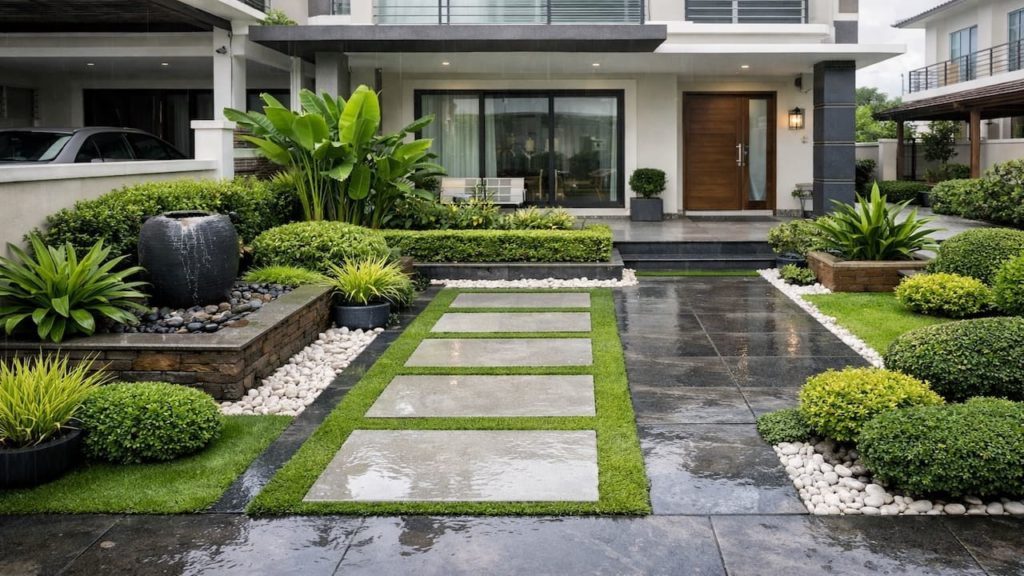
Use three heights and two textures per bed to make planting look styled, not accidental.
Designers win by controlling contrast, not by chasing rare plants, and that matters in Malaysia where growth explodes after rain. Texture discipline. A starter refresh can be RM50–300 for soil, mulch, and a few sturdy plants. Even on a small balcony, repetition reads expensive at a glance.
- Set back row at shoulder height near fences
- Keep middle layer at knee height for fullness
- Use low edging plants to show clean boundaries
- Mix one bold leaf with fine grass texture
- Repeat the same pot finish to unify tones
People say “I don’t have space for layers”—space is exactly why you need them. Height creates depth without widening the footprint. Keep the palette tight and the garden will look curated fast. Fewer decisions later.
3. Why planting layers collapse in Malaysia rain and humidity
Layers fail when water splash and shade erase your contrast and everything merges into one dark mass.
In many Malaysia homes, beds sit close to walls, eaves, and downpipes, so splash-back stains leaves and soil jumps onto tiles. Scale mismatch. If all plants are the same medium size, nothing reads as “front” or “back” anymore. Small homes amplify the problem.
- Check sun direction between monsoon clouds and shade
- Measure splash zone from roof edge and downpipes
- Notice moldy corners where air never moves
- Avoid dense shrubs tight against damp terrace walls
- Plan a walking strip for pruning and rinsing
Some people blame the plant choice—most of the time it is placement and airflow. Tropical growth punishes tight corners fast. Fix the layout first, and even common plants can look premium. Less scrub work.
4. How to layer height and texture in small Malaysia gardens
Build the look by placing one anchor then framing it in thirds so the eye reads order immediately.
Start with the tallest element, then step down toward your walking line, and leave a service gap you can actually reach. Small steps. In Malaysia wet months, the ability to rinse and prune without stepping into mud keeps the design alive. Narrow side yards included.
- Start with one anchor tree or tall screen
- Add two medium shrubs to frame the anchor
- Fill front edge with low plants and groundcover
- Leave gaps for hose access and floor rinsing
- Top with mulch to reduce weeds and splash
You may worry it will look “too simple”—simple is what reads expensive. The layers create depth, and repetition creates calm. Do one bed properly, then copy the system to the next zone. Consistency wins.
5. FAQs
Q1. How many plant types should I use?
In Malaysia humidity, fewer types stay crisp, so start with 5–8 and repeat them across zones. Too many types makes pruning feel endless.
Q2. What contrast makes beds look designed?
Choose one bold leaf and one fine texture and repeat that contrast in every bed and pot. Put the bold leaf at the back and the fine texture at the front.
Q3. Will tall plants make my yard feel smaller?
Not if they sit at the back, because height creates depth while the front stays open for walking and cleaning. Keep the tall layer narrow, not bulky.
Q4. How do I reduce splash onto tiles—fast?
Keep a low edging row, add mulch, and point downpipes away from planting edges. Leave a narrow rinse strip so water runs off cleanly.
Q5. Do I need full sun for a bright look?
No, use lighter foliage and cleaner pot colors, because shade plus tight packing is what makes corners feel dark. Brightness comes from contrast, not sunlight alone.
Pro’s Tough Talk

Listen, I’ve been on site for 20+ years and done hundreds of jobs. I see the same “plant mess” story in Malaysia humidity.
Cause is 3 things: no height plan, no airflow gap, and water splash from roofs and hoses. Plants are like furniture, not stickers you slap anywhere. Wet season chaos.
Do this now in 3 steps: pick one anchor, set two frames, lay a low border, and leave a strip for your feet. You know that moment when you rinse the patio and the mud jumps back onto the wall. You know that moment when a “cute pot” turns green with algae in two weeks.
The fix is boring and that’s why it works: build layers, repeat forms, and keep access clear, then your garden stops fighting you. Order beats hype every single time.
If you keep buying random plants, your yard will look like a buffet table after rain, and you’ll be the one carrying plates. Seriously.
Summary
Layering is not fancy, it is simply height order plus texture contrast that stays readable in Malaysia rain and humid heat. A calmer view overall. Less visual noise.
Start with one anchor and a service gap—if you cannot reach it to rinse and prune, the design will fail even with great plants.
Do one small bed with clear layers today and then reuse the same pattern across the rest of the garden for a calm, designed look. You will feel the difference the next time you clean.