If you want a garden that looks good all year, low upkeep matters more than fancy plants, especially when you are busy and the weather keeps changing.
In Malaysia homes, hot afternoons, sudden rain, and humid nights can turn pretty areas into algae, weeds, and stains fast, even in small terrace fronts. Condos face the same grime on balconies.
In this guide, you’ll learn how to design a garden that stays clean with fewer chores by choosing smarter surfaces, guiding water flow, and planning edges that do not crumble into mess.

Hi, I’m Ken. I write practical home guides for Malaysia—no fluff, just what works.
I hold a formal building design qualification and have spent about 20 years on job sites across hundreds of projects. My goal is simple: help you avoid costly mistakes with clear, safe steps—a quick way to decide what to do next.
1. Garden designs that stay low upkeep: 5 steps
Low upkeep starts with surface choices and clean edges so Malaysia rain does not turn your garden into a weekly scrub job.
Design is maintenance. If the surface holds water, dirt sticks, algae grows, and you end up cleaning more than enjoying the space. In Malaysia, humidity keeps shaded areas damp longer, so slip risk rises on smooth tiles. Maintenance math. A simple layout that drains well will look “new” longer even with basic plants.
- Map daily walking paths before choosing any surface
- Use textured pavers to reduce slips in rain
- Keep soil away from slabs with solid edging
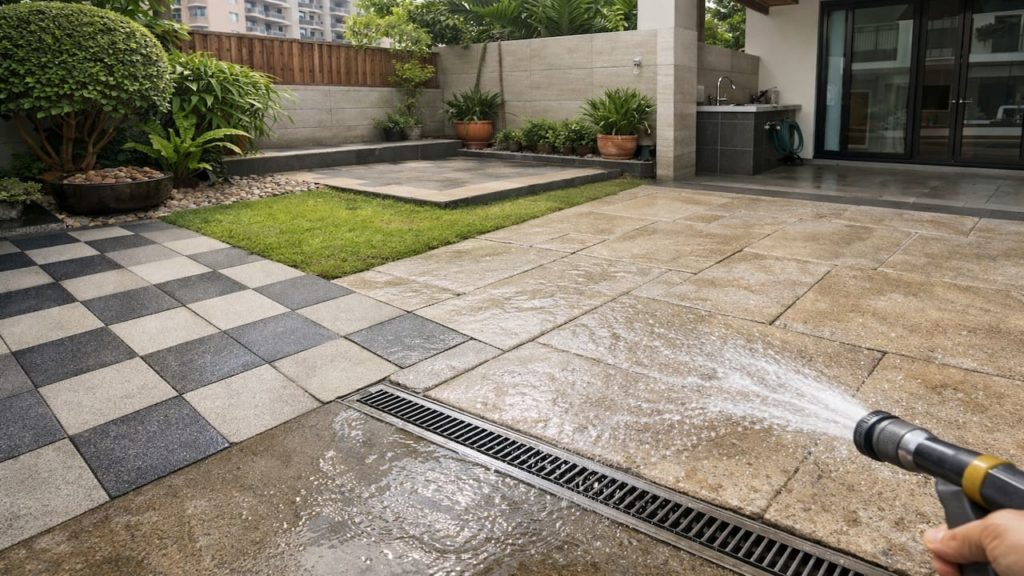
- Plan a single hose route for quick rinsing
- Leave access gaps for sweeping and drain checks
Some people think low upkeep means no plants at all, but bare hardscape still stains and grows algae in humid Malaysia. Not zero work. The win is choosing surfaces and edges that clean fast, then adding plants that do not drop constant litter.
2. 【Less cleaning later with smart surface】
Smart surfaces stay cleaner because water escapes and dirt has fewer places to lodge in tight Malaysia home layouts.
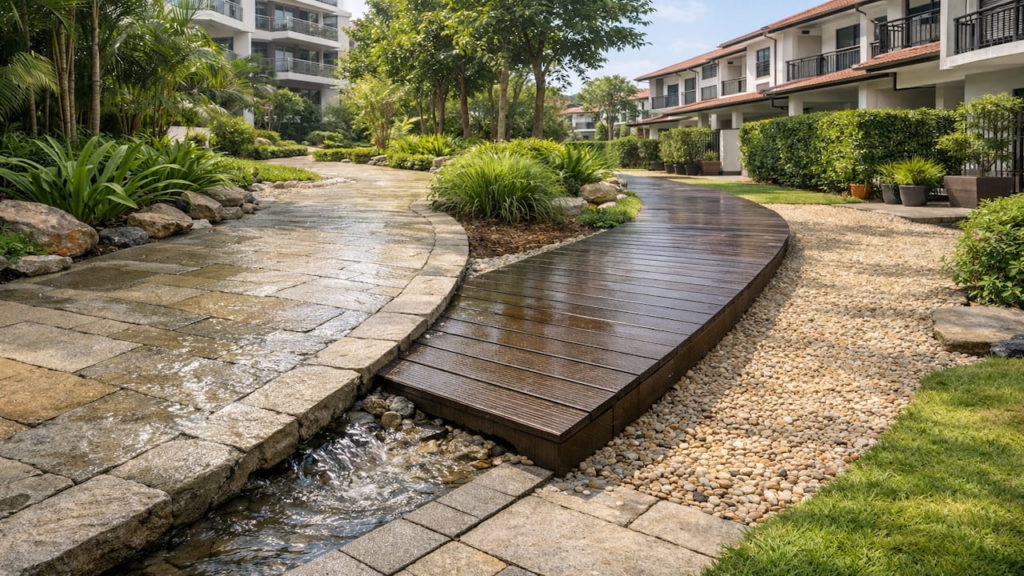
Surface behavior matters more than surface price. Smooth tiles look sharp on day 1, then become streaky and slippery when rain and dust mix. Wet-season reality. A slightly textured finish hides minor stains and gives grip, while proper slope stops puddles that feed algae. The best surface also matches how you actually live, like kids running in and out.
- Choose matte finishes to hide water spotting
- Pick smaller pavers to reduce visible staining
- Use gravel strips to catch soil at edges
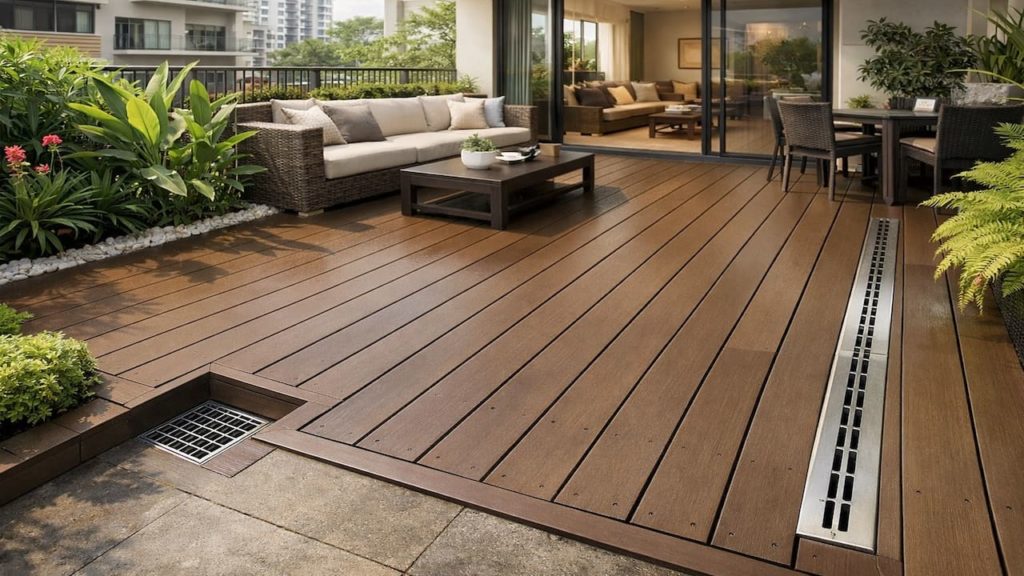
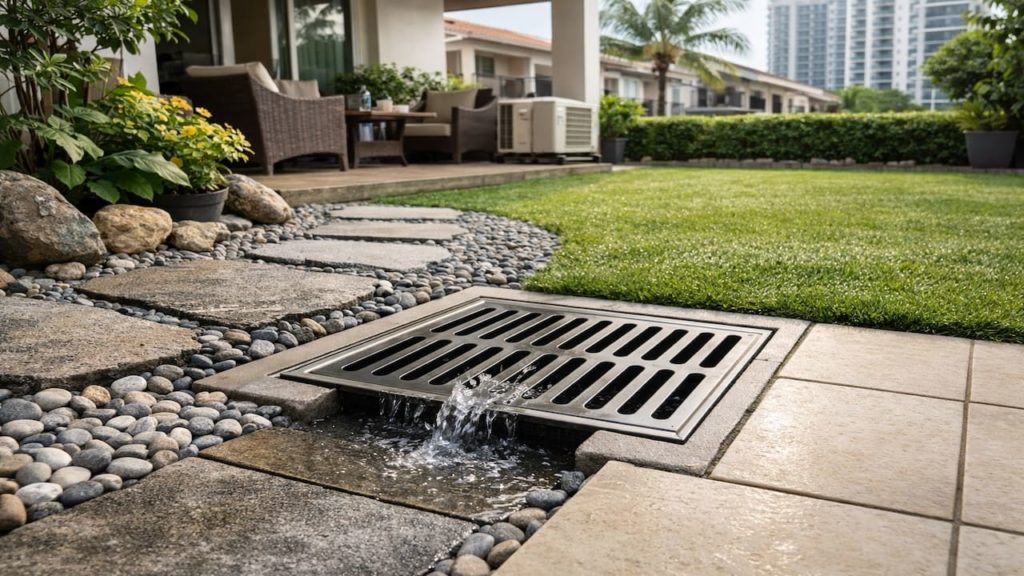
- Install drain covers that block leaf buildup
- Keep joints tight to prevent weed sprouting
You might worry texture looks “rough,” but the right texture reads premium and feels safer in Malaysia rain. Safety upgrade. When your surface grips and drains, you stop fighting slime, and cleaning becomes a quick rinse instead of a deep scrub.
3. Why low upkeep gardens still get dirty fast
Most cleaning problems come from water and soil movement rather than “bad luck,” especially in Malaysia’s humid cycles.
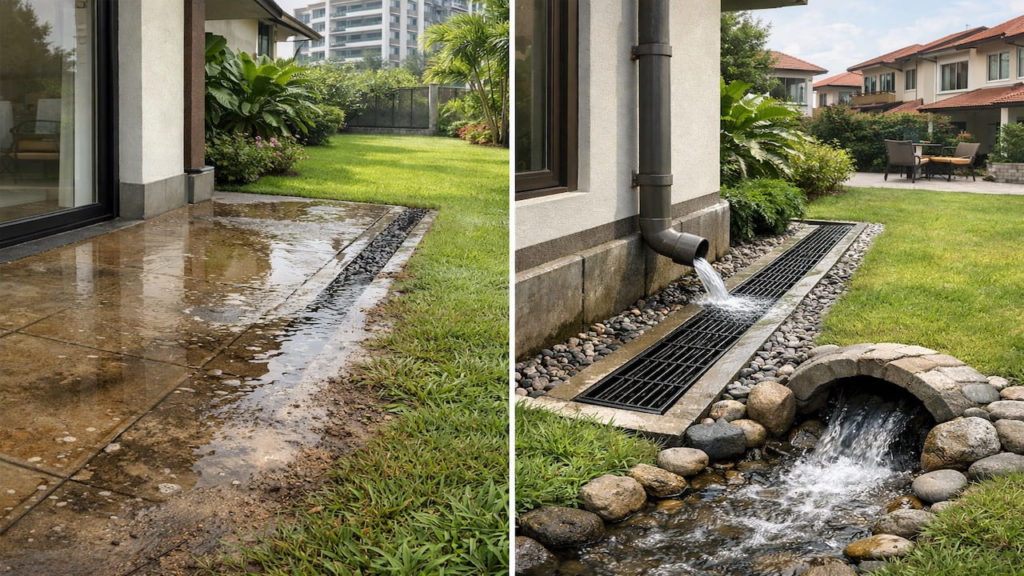
Water carries dirt, and dirt feeds weeds and algae. Root cause. In terrace homes, downpipes splash into beds, beds wash onto tiles, and the front looks messy even if you planted well. In Malaysia, a week of rain can undo a month of neatness if the slope is wrong and the edges are weak. Add shade from walls and you get damp corners that never fully dry.
- Trace rainwater paths during one heavy shower
- Fix splash zones where soil hits walls
- Stop puddles by correcting slope near entry
- Cover bare soil to reduce runoff mess
- Remove leaf traps that clog small drains
Some people blame the gardener or the plants, but water routing is the silent boss that decides upkeep. Cold truth. Once you control where water goes, the same garden suddenly feels easier, cleaner, and more predictable to maintain.
4. How to build a low upkeep layout with smart surfaces
Build the layout around drainage and cleaning access so your Malaysia garden stays tidy even when rain and heat take turns.
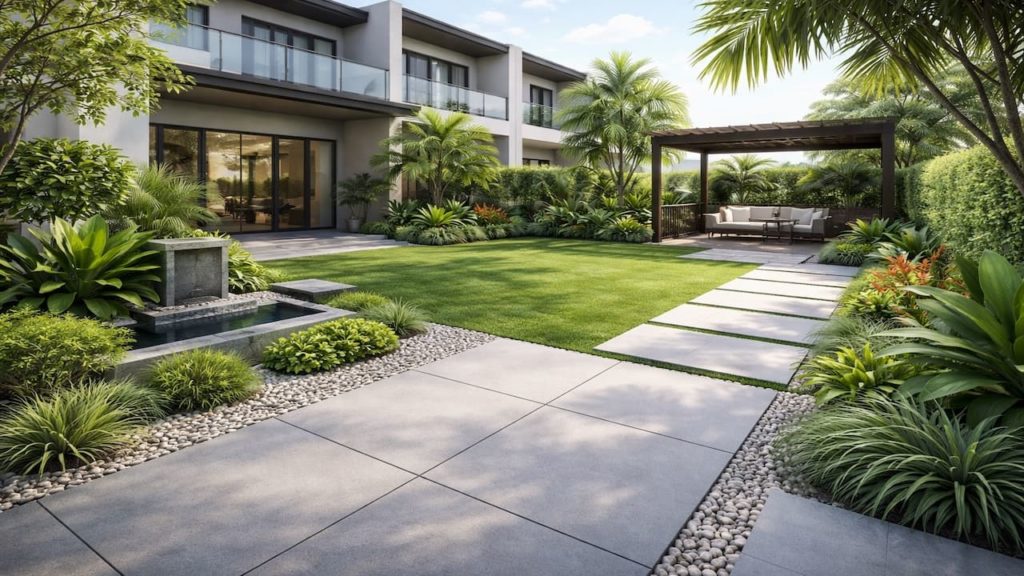
Start with a simple plan: hard path where you walk, soft bed where you plant, and a clear border between them. Expect RM200–1,200 for basic edging, drain covers, and a small surface refresh, depending on size and access. Budget guardrail. In Malaysia humidity, add a slight slope away from the house, then choose a finish you can rinse fast without harsh chemicals.
- Set a clear border line along every walkway
- Lay surfaces with slope toward a safe drain
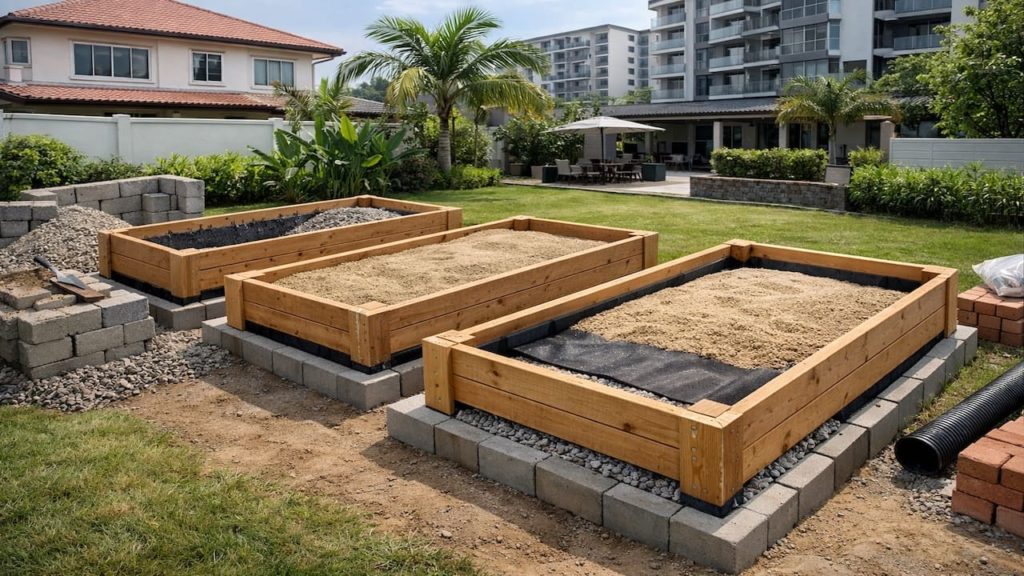
- Use edging to lock gravel and soil in place
- Place stepping zones where mud usually forms
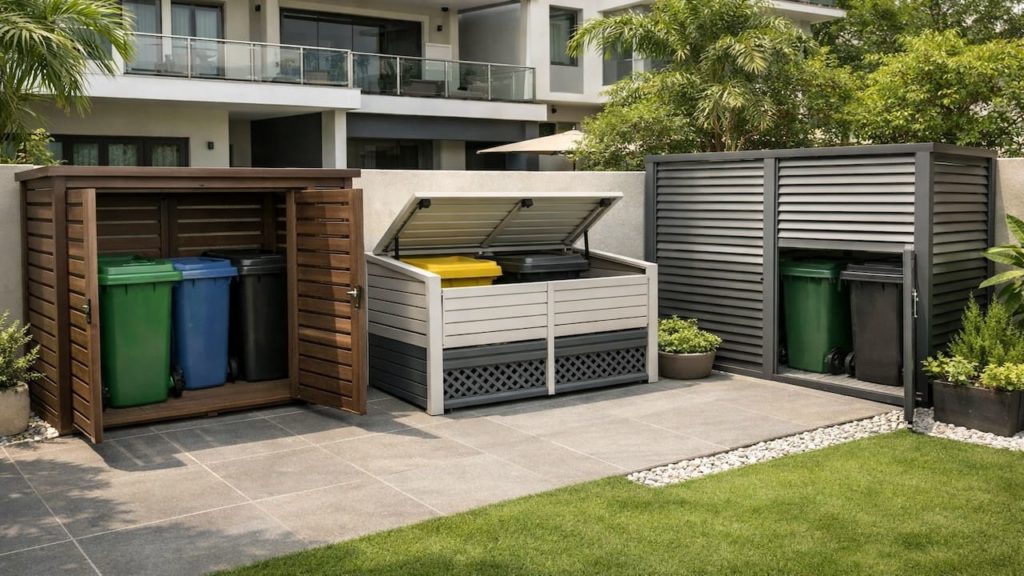
- Keep one storage spot for broom and hose
You may think this is overplanning, but skipping structure makes you pay later with constant cleaning and patch fixes. No shortcuts. A layout that drains, separates materials, and gives access for quick rinsing is the real low upkeep system.
5. FAQs
Q1. What is the easiest surface to keep clean in a humid garden?
Textured pavers and compacted gravel areas often stay cleaner than smooth tiles because they hide spots and drain faster. In Malaysia, the best choice is the one that dries quickly in shade.
Q2. Do I need to seal outdoor surfaces to reduce stains?
Sealing helps when your surface is porous, but drainage and slope still matter more than any coating. If water pools, stains and algae return no matter what you apply.
Q3. How do I reduce weeds without spraying every week?
Cover bare soil with mulch or groundcover and tighten joints where weeds start. Weeds love open gaps, especially after Malaysia rain softens everything.
Q4. Why does my entry tile get slippery even when it looks clean?
Humidity leaves a thin film that feeds algae in shaded corners, and smooth tiles show the effect first. Improve drying with airflow, reduce puddles, and pick a grippier finish where people step.
Q5. Can a low upkeep garden still look “designed”?
Yes, if you repeat a few textures, keep edges sharp, and limit material types. A simple plan looks more premium than a crowded mix that needs constant fixing.
Pro’s Tough Talk

Alright, I’ve been on site 20+ years and done hundreds of jobs, and “low upkeep” is not a wish, it’s a build choice. Malaysia humidity is sticky like a wet towel on your face, and it never apologizes.
Causes split clean into 3: bad slope, weak edges, and the wrong surface finish for wet shade. Classic move number 1: smooth shiny tiles everywhere, then you slip like a cartoon. Classic move number 2: leave bare soil touching the path, then act shocked when rain paints it brown.
Here’s the 3-step fix: watch one heavy rain and mark puddles, lock your edges so soil stays put, then switch the main walking zone to a grippy surface. No, “just scrub harder” is not a plan. You want a system, not punishment.
The structure is brutal but fair: water will always win, and your job is to guide it, not fight it daily. Control slope and edges and chores drop hard. You didn’t fail, and contractors are not all villains, but sloppy planning is the real enemy.
A low upkeep garden is like a good kitchen layout: you don’t notice it until it’s wrong, so fix it now or enjoy your weekend as a full-time cleaner.
Summary
Low upkeep garden design comes from smart surfaces, proper slope, and clean edges that stop soil and water from turning into stains and weeds.
If your area keeps getting dirty, track water flow in rain, fix splash zones, and rebuild borders before you buy more plants or decorative items. Structure first.
Set one clean path and one stable bed line today, then you can naturally move into privacy planting, lighting, and seating upgrades without increasing maintenance.