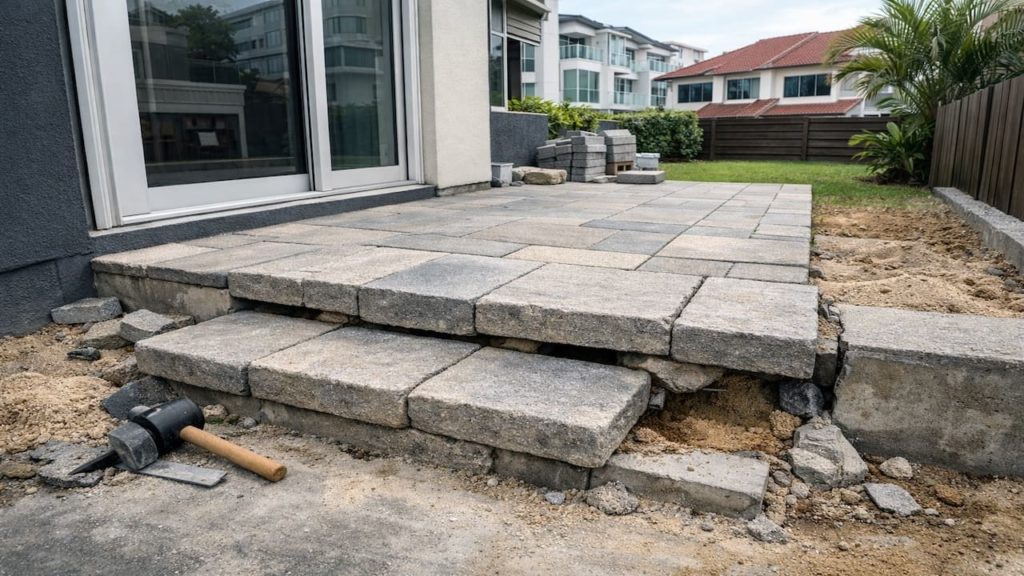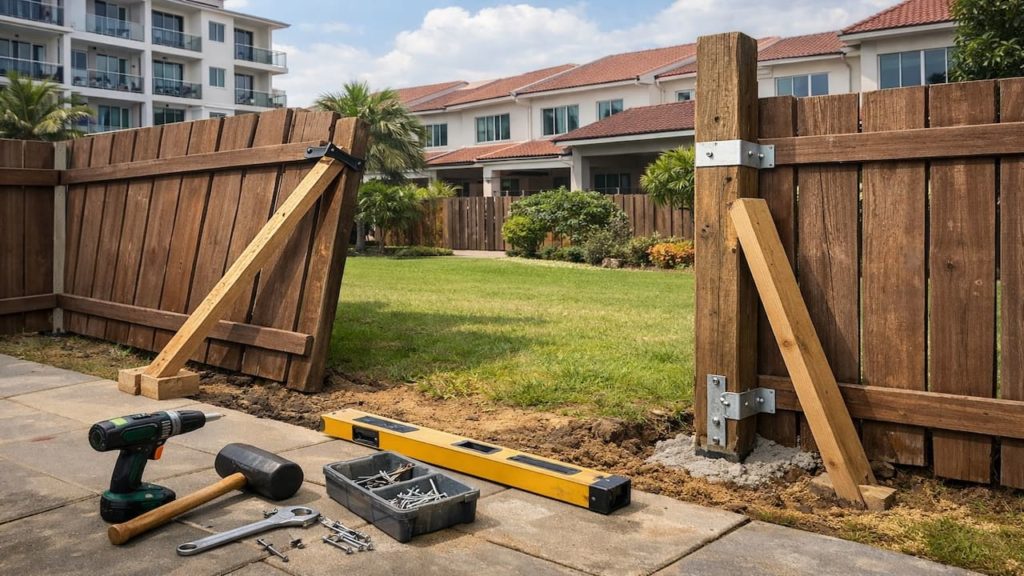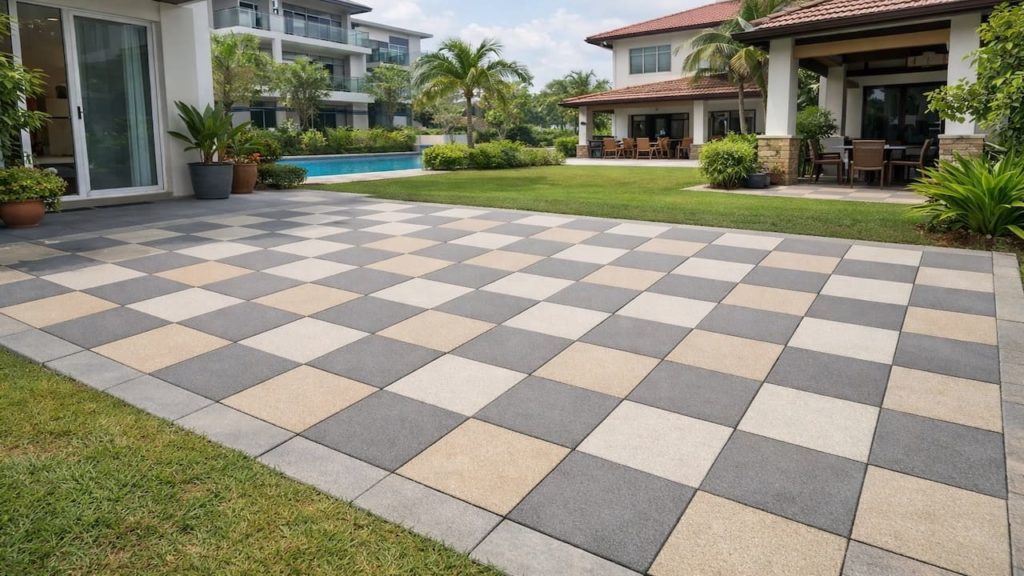
A garden paving job can look perfect for a month, then Malaysia rain hits and the surface starts sinking, rocking, and opening ugly edges.
Most long-term problems come from the base layer, not the paver brand, because the base controls support, drainage, and movement.
In this guide, you’ll learn how to check a base layer properly so sinking, rocking, and uneven edges do not show up later in Malaysia’s wet months.

Hi, I’m Ken. I write practical home guides for Malaysia—no fluff, just what works.
I hold a formal building design qualification and have spent about 20 years on job sites across hundreds of projects. My goal is simple: help you avoid costly mistakes with clear, safe steps—a quick way to decide what to do next.
1. Base layer for garden paving: 5 checks
The base is the real floor and the pavers are just the finish on top.
In Malaysia, heavy downpours and constant humidity push water into weak spots, then soft soil shifts and the surface starts moving. A good base spreads loads, drains water away, and keeps joints tight so weeds and washout slow down. Fixing base mistakes later costs more than doing it right once. Hidden structure.
- Check ground soil firmness before any base goes in
- Check base depth matches the yard use type
- Check compaction is done in thin layers
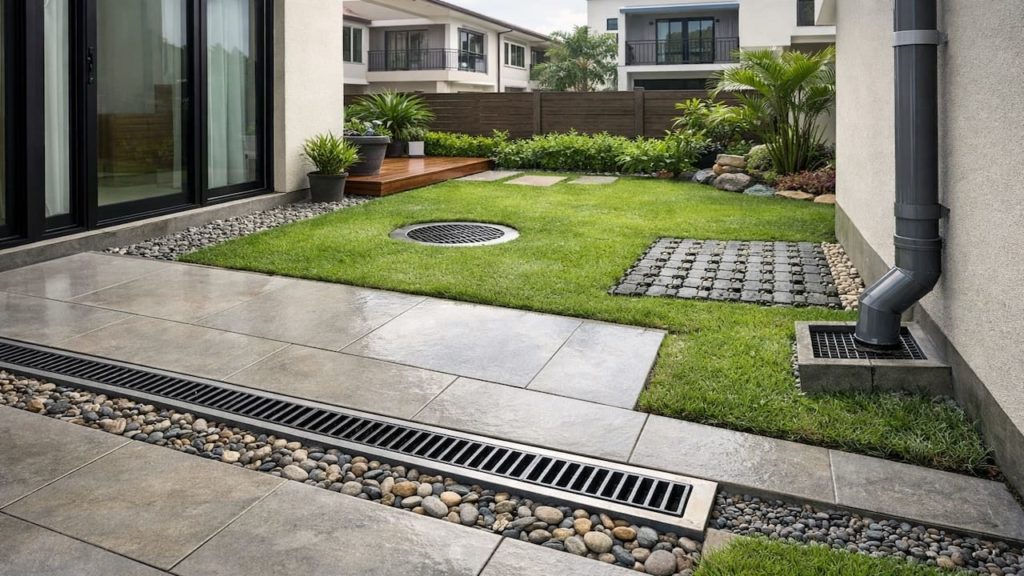
- Check base drains and does not hold water
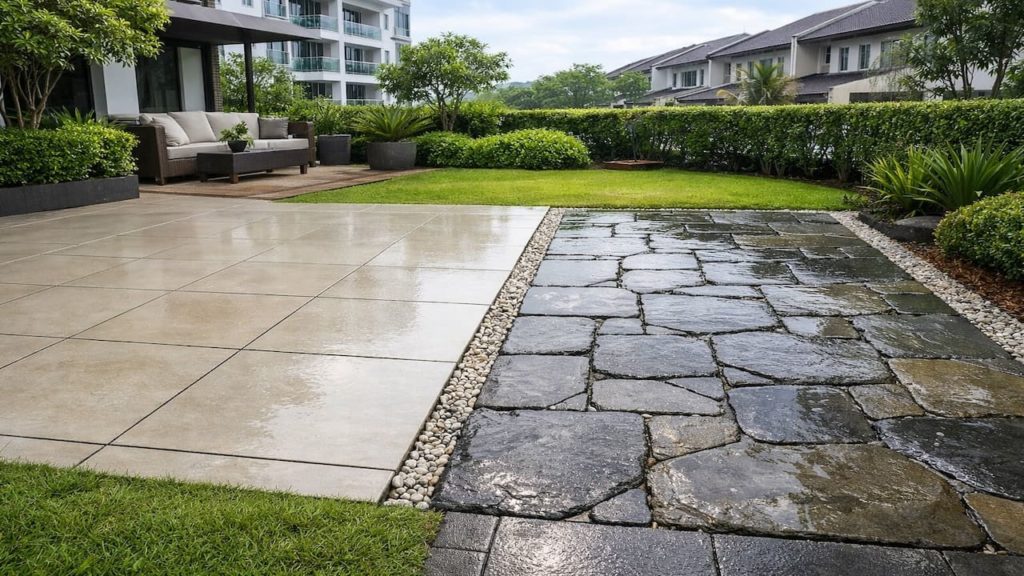
- Check edges are restrained to prevent spreading
You might think the base is “extra” because you cannot see it. In wet Malaysia weather, the base is what decides whether your paving lasts or becomes a rocking mess. Build the invisible part. Always.
2. Stop sinking, rocking, & uneven edges later
Compact in layers and lock edges so the surface stays stable through rain cycles.
Compaction only works when material is placed in thin lifts and packed evenly, otherwise you get soft pockets that collapse later. Edge restraint matters because pavers spread outward over time, especially when joints wash out in wet months. This is mostly labor and discipline, and cost is mostly time/effort if you already have basic tools. Stability.
- Compact subgrade first before adding base aggregate
- Lay base aggregate in thin layers and compact each
- Keep base thickness consistent across the whole area
- Install edge restraints on all open edges
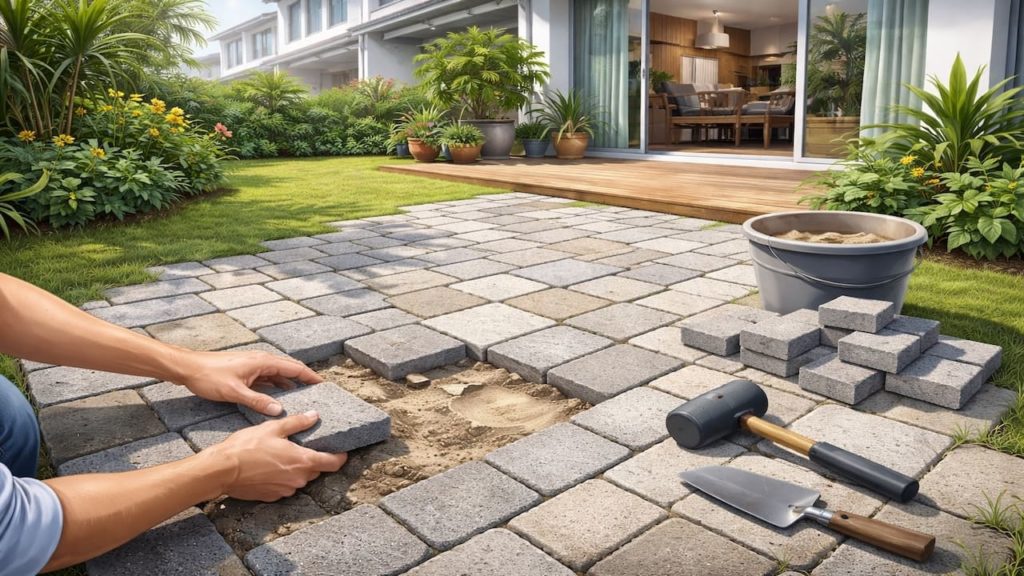
- Confirm pavers sit flat with no corner rocking
Some people try to “fix” sinking by adding more sand on top. That hides the problem briefly, then Malaysia rain pumps it out again and the rocking returns. Base stability comes before surface tweaks. Proper order.
3. Why paving shifts faster in Malaysia homes
Water turns weak base into mush and the surface moves even with light foot traffic.
Downpipes, outdoor taps, and aircond drains can soak one zone daily, washing fine material out of the base. Terrace side yards stay shaded, so the ground stays damp longer and compaction never fully “sets.” Ant tunnels and soil wash from garden beds create voids under edges, then pavers sink and joints open. Wet-season stress.
- Track concentrated runoff onto the paving area
- Check shade hours that keep the base damp
- Check soil wash from beds crossing onto paving
- Check ant activity removing sand from joints
- Check edges where pavers creep outward over time
You may blame the installer, but sometimes the site conditions were ignored. Malaysia climate demands drainage planning with the base, not after the fact. If water has an exit and the base is compacted, the surface stays flat. That is it.
4. How to build a base layer that holds up
Separate soil, base, and bedding so each layer does one job well.
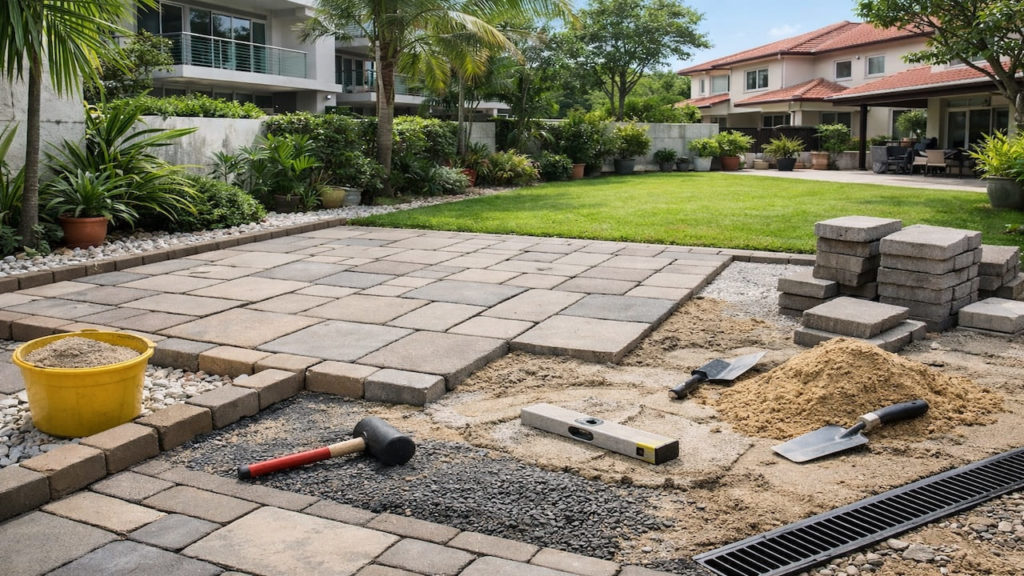
Use a separation layer to stop soil mixing into your base, then place compactable aggregate for strength, then a thin bedding layer for leveling. In Malaysia, this layered system prevents soft spots and reduces washout during storms. If you need geotextile, base aggregate, or edging, plan RM80–500 depending on size and delivery access. Durable build.
- Excavate to stable soil and remove soft organic spots
- Lay geotextile to stop soil mixing upward
- Add compactable aggregate base and compact in lifts
- Screed a thin bedding sand layer for final level
- Fill joints fully and top up after rain week
You might want to skip geotextile to save money. In Malaysia, soil mixing is a common failure path, and once the base is contaminated, it holds water and settles unevenly. Spend small now to save big later. Smart choice.
5. FAQs
Q1. How do I know if the base is compacted enough?
The surface should feel firm with no footprints or tool marks, and it should not “bounce” when you walk. If it ruts easily, it will settle later after rain.
Q2. What causes rocking pavers after installation?
Usually uneven bedding or a void in the base from poor compaction. Water washout in Malaysia wet months makes the void bigger and the rocking gets worse.
Q3. Do I need geotextile under garden paving?
Use it when soil is soft or when you have fine clay that mixes easily. It helps keep the base clean and draining, which is critical in humid climates.
Q4. Is thicker bedding sand a good idea?
No, bedding sand should be thin and consistent. A thick sand layer can shift, hold water, and create uneven settling over time.
Q5. How do I prevent edges from sinking first?
Use proper edge restraint and compact the edge base well. Also stop soil wash from beds and direct runoff away from the perimeter.
Pro’s Tough Talk

Listen. I’ve got 20+ years on site and I’ve handled hundreds of jobs, and the base layer is where you either win or suffer.
The causes are three. People skip excavation, they “compact” once and call it done, and they leave edges unrestrained. Then Malaysia rain turns the ground into pudding.
Do these 3 moves now. First, dig to firm soil and remove anything soft. Second, compact base aggregate in thin layers until it feels like a road. Third, lock every open edge so pavers cannot creep and gaps cannot grow. You know that wobble that makes a chair dance. You know the corner that always sinks after storms. Seriously, are you paving on a sponge?
I’m not blaming you, and I’m not saying every contractor is careless, but the structure is cold: base, separation, and restraint decide the future. Good base stays flat so spend effort under the surface where it counts.
Ignore this and enjoy re-leveling the same edges again and again like it is your weekend sport.
Summary
A strong base layer means firm subgrade, compacted aggregate in thin lifts, clean separation from soil, and locked edges.
If you see sinking or rocking later, treat it as base compaction and drainage first, not a surface finish issue. Rebuild sections when needed.
Build the base like a road and your Malaysia garden paving stays flat for years. Next, read a drainage planning guide or an uneven paving fix guide.