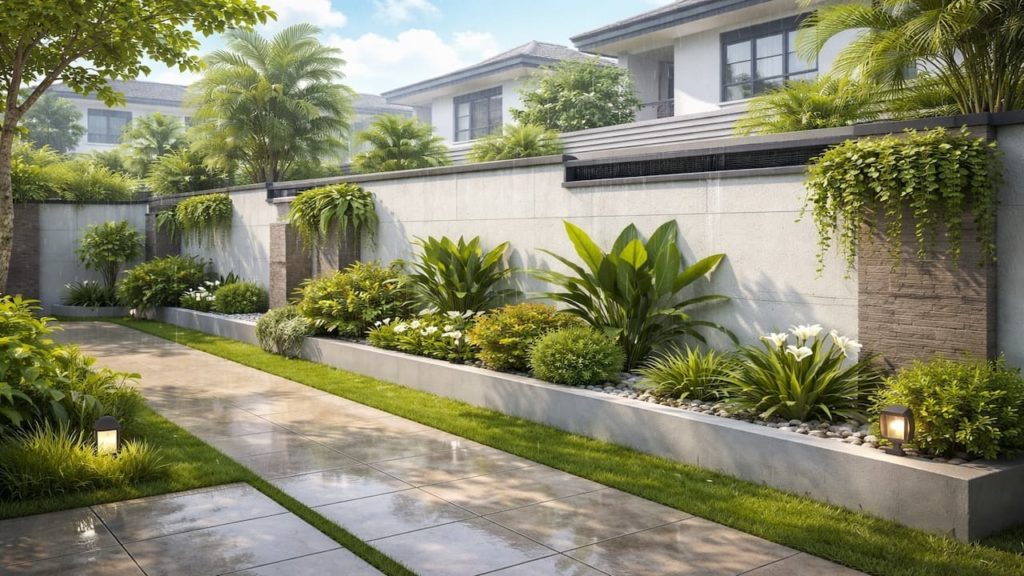
You finally have a little garden seating spot, but the floor under the chair feels hot, dusty, or annoying to keep clean. When the surface is wrong, you stop using the space, even if the chair is perfect.
In Malaysia, heat, sudden rain, and humid shade change how paving behaves around a seating nook. Condo patios and terrace-house backyards also trap damp air, so mold film and ants show up faster than expected.
In this guide, you’ll learn which paving checks matter most for a seating area so it stays comfortable, airy, and easy to maintain through wet months. You will also know what to avoid so the spot stays inviting.

Hi, I’m Ken. I write practical home guides for Malaysia—no fluff, just what works.
I hold a formal building design qualification and have spent about 20 years on job sites across hundreds of projects. My goal is simple: help you avoid costly mistakes with clear, safe steps—a quick way to decide what to do next.
1. Best paving for garden seating: 5 checks
Pick paving that stays comfortable under bare feet so the seating area feels usable, not punishing.
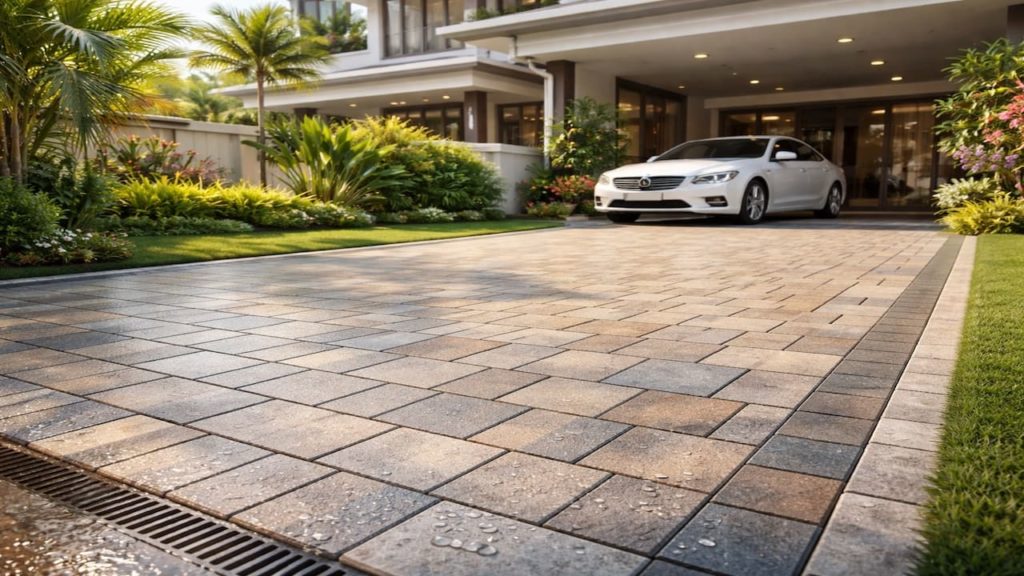
Garden seating is where you linger, so surface temperature, edge feel, and glare matter more than driveway strength. In Malaysia sun, dark dense materials can feel harsh, while slick finishes turn risky after rain. Comfort first. Check the surface when it is dry and when it is freshly wet.
- Choose lighter tones to reduce heat buildup
- Pick textured finishes that stay grippy wet
- Use slightly rounded edges near seating feet
- Test glare by viewing from chair height
- Confirm drainage direction away from chair legs
Some people chase the cheapest tile and call it a day, but the seating area punishes shortcuts because you feel it every time. If it is too hot or too slick, you will avoid the spot — and then the garden becomes decoration only. A usable nook. That is the real win.
2. Comfort, airflow, and easy maintenance
Choose a surface that dries fast and breathes so humidity does not turn the nook into a musty corner.
Airflow is a design material in Malaysia, especially near walls, fences, and planters that block wind. If paving stays wet, algae film builds, chairs stain, and the floor smells “old” after storms. Airflow matters. Keep a small gap from walls and avoid sealing everything tight.
- Leave airflow gap between paving and walls
- Avoid fully enclosed corners behind tall planters
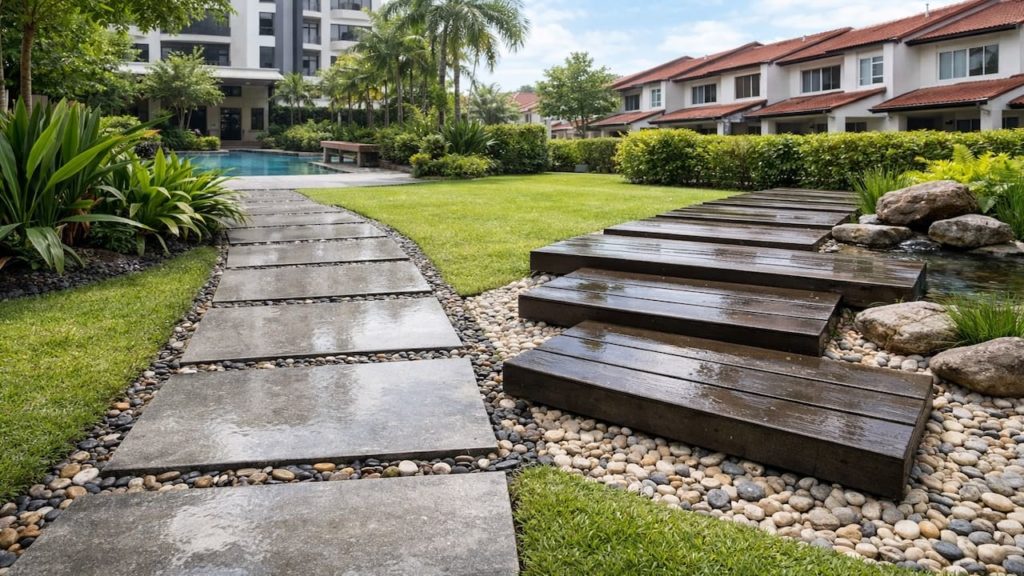
- Use gravel strips to break splash zones
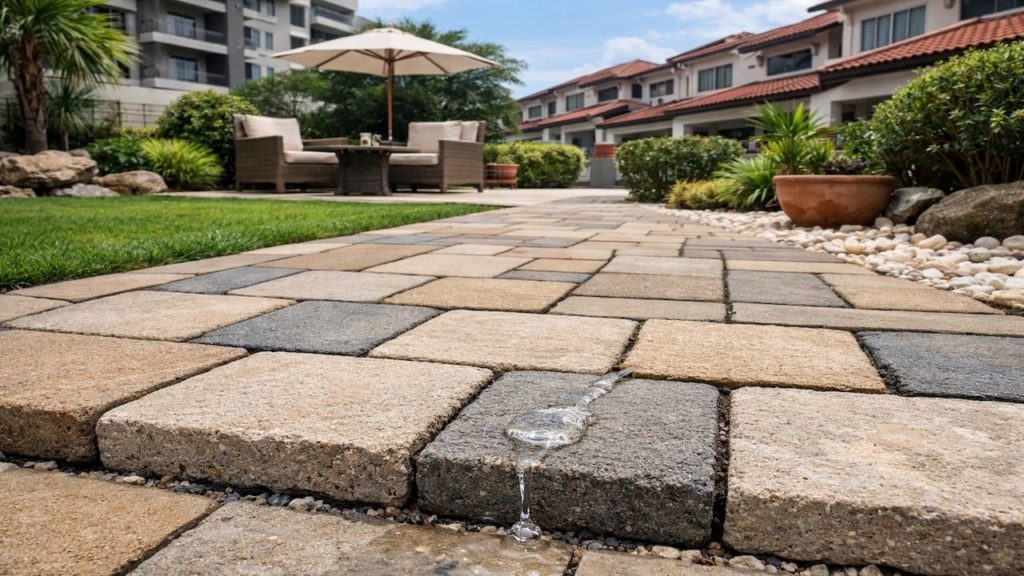
- Select joints that rinse clean without trapping grit
- Prefer matte textures to hide water marks
People assume maintenance is just scrubbing, but smart airflow and fast drying reduce the need to fight slime. If you can rinse and walk away, the space stays welcoming — even in wet season. Less work. More sitting.
3. Why seating areas get dirty and uncomfortable fast
Seating zones fail when water and dirt have no exit so grime concentrates exactly where you want comfort.
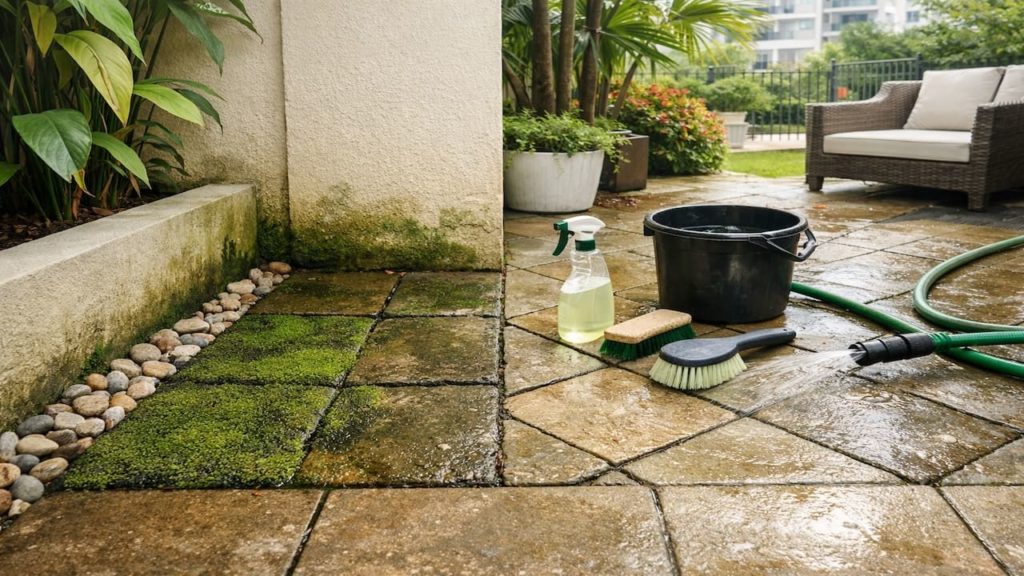
Chairs create dead zones where rain splashes and dries slowly, and foot traffic grinds dust into pores. In Malaysia humidity, that damp layer feeds algae and makes the color look permanently dull, especially in shaded terrace yards. Dirt trap. If slope is flat, every rinse leaves a thin film behind.
- Flat paving holds puddles under chair legs
- Planter runoff stains slabs with soil tea
- Smooth tiles show every dusty footprint mark
- Tight joints collect grit and grow dark lines
- Sealed surfaces trap moisture under furniture pads
Some blame “cheap materials,” but the bigger issue is layout and water behavior, not brand. Fix the exit path for water, then dirt stops sticking so hard — and the seating area stays pleasant longer. Flow control. Not magic.
4. How to choose paving for a seating nook
Use a simple selection process before you buy so the surface matches real life, not showroom lighting.
Start by measuring shade patterns, then pick texture, then pick tone, and only after that pick the exact product. RM120–600 is a common range for small-area materials and basic prep, depending on finish and base quality. Decision order. In Malaysia, prioritize drying speed and grip over fancy gloss.
- Map shade areas across morning and afternoon
- Test one sample wet and let it dry
- Pick texture that grips without tearing mop pads
- Choose joint material that resists washout
- Confirm slope with a simple water pour test
Some people pick color first, then regret the slippery feel after the first storm. If your choice passes wet grip and fast drying, it will feel “easy” day to day — and that is what makes you use the seating nook. Practical comfort. Not just looks.
5. FAQs
Q1. Should I use the same paving as the rest of the garden?
Yes, but treat the seating footprint as a higher-comfort zone. If you keep the same product, upgrade texture and drainage where chairs actually sit.
Q2. Is decking better than pavers for seating?
Decking can feel cooler, but it needs airflow underneath and regular cleaning in humidity. For most Malaysia homes, matte pavers are simpler after rain.
Q3. What is the easiest paving to maintain near chairs?
Matte textured pavers with cleanable joints usually stay lowest effort in Malaysia weather. They hide wet marks better and reduce slick film when water drains.
Q4. How do I stop chair legs from wobbling on pavers?
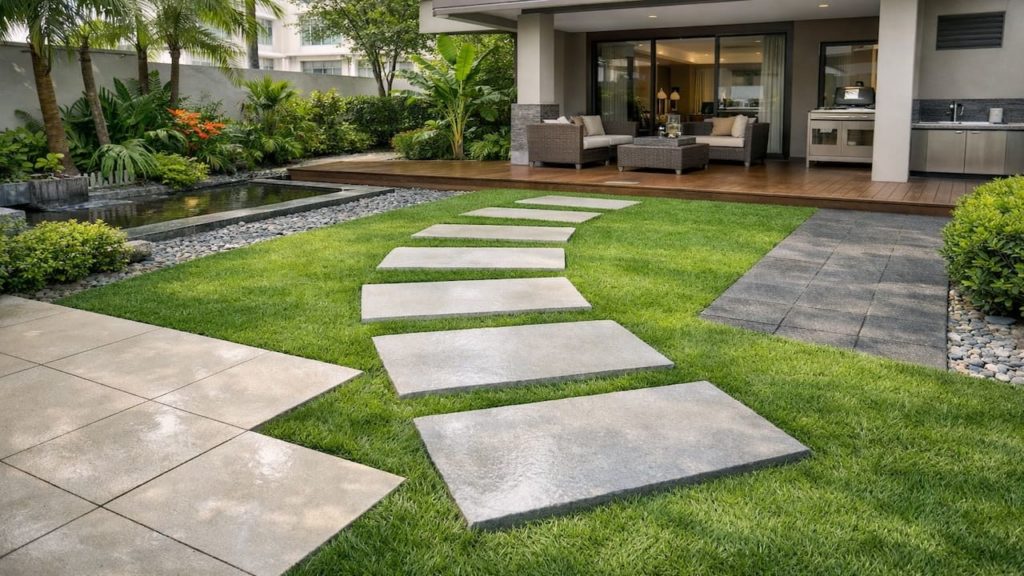
Level the seating footprint as one flat pad, not just a narrow path. Compact the base well and avoid mixed thickness pavers that create tiny steps.
Q5. Do I need to seal paving in a humid garden?
Not always, and the wrong sealer can trap moisture or increase slip risk. Prioritize slope, texture, and airflow first, then seal only for real staining.
Pro’s Tough Talk

Listen, I’ve been on site for 20+ years and done hundreds of jobs, and a bad seating floor makes people stop using the spot. After rain you drag the chair out, feel the damp grime, and shove it back.
Cause is 3 things. Water has no exit so the chair zone stays wet. Humidity grows a slick film fast. Airflow dies in corners, so smell and stains stack up.
Do 3 steps now. Pour one cup of water and watch where it escapes. Scrub the slick patches and let them dry fully. Upgrade only the chair footprint with grippier texture.
This is not a doormat, it is where your body rests, and building it wrong is like setting a chair on jelly and calling it stable Build a drying system first. Lock that in and maintenance drops.
The “guests arrive in 10 minutes” panic rinse, and the “laundry in both arms” near-slip, you know those moments, so here’s the tsukkomi: seriously. Keep the corner damp like cling wrap on a sponge if you enjoy losing every wet season.
Summary
The best paving for seating is the one that stays comfortable, dries quickly, and does not punish you with constant scrubbing in Malaysia humidity. Comfort and drainage lead.
If your nook still feels unpleasant, check slope and airflow before changing materials, and treat the seating footprint as a dedicated zone. A small upgrade. Big impact.
Choose texture and drying speed over glossy looks then move to the next guide on drainage checks or algae slick prevention for safer outdoor living.