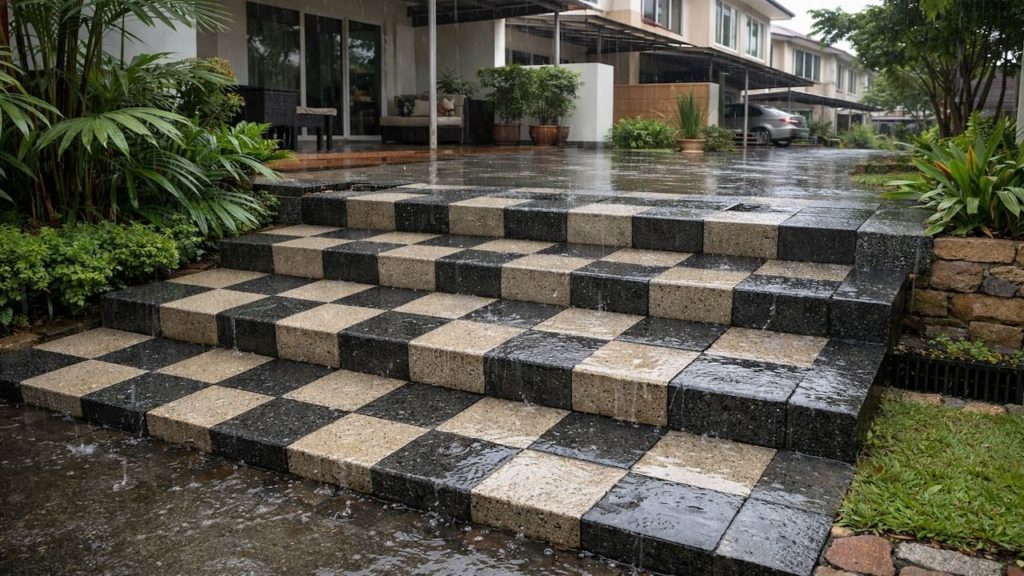
If your garden steps feel fine on dry days but turn scary in rain, you are dealing with grip and water flow, not just “being careful.”
In Malaysia, sudden storms, warm humidity, and shaded side yards keep steps damp, so slick film and tiny trip lips show up in normal terrace-home routines. Wet season reality.
In this guide, you’ll learn how to check step paving for real grip so rainy steps stay predictable, cleaner, and safer without chasing shiny showroom looks.

Hi, I’m Ken. I write practical home guides for Malaysia—no fluff, just what works.
I hold a formal building design qualification and have spent about 20 years on job sites across hundreds of projects. My goal is simple: help you avoid costly mistakes with clear, safe steps—a quick way to decide what to do next.
1. Garden paving for rainy steps: 5 checks
Rainy steps must give consistent grip even when water and silt hit together.
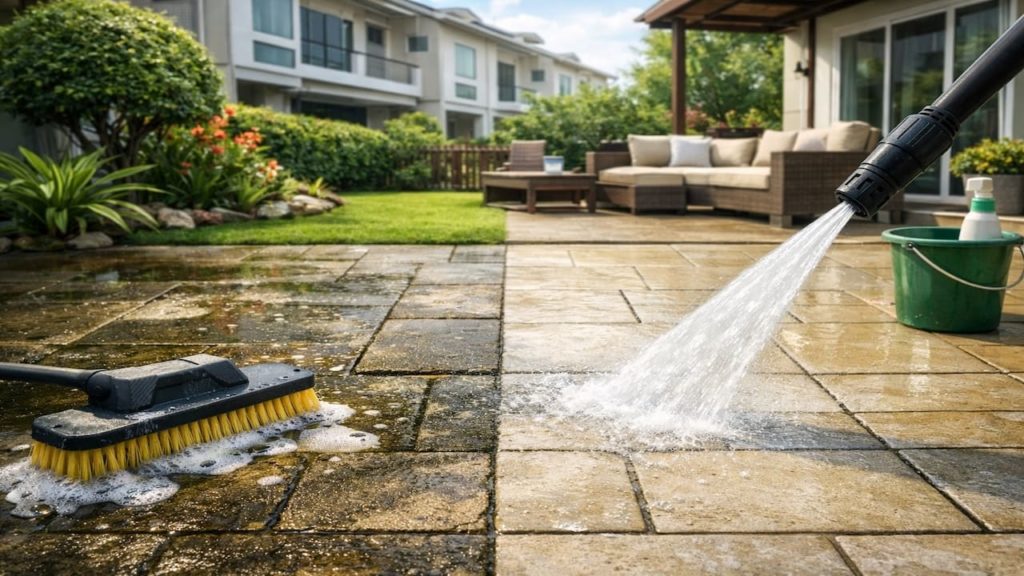
Do these checks right after a storm, because Malaysia humidity keeps the surface film alive longer and reveals the true slip zones—no guessing. cost is mostly time/effort, using a bucket pour, a shoe twist test, and a simple visual scan. Night slips. The goal is to find where grip disappears first.
- Test step grip using wet shoe twist
- Check nosing edges for smooth shiny wear
- Pour bucket and watch water sheet behavior
- Inspect joints for slime lines and silt
- Feel step height consistency with slow walk
Some people blame the tile brand, then keep scrubbing harder and still slip in the same spot. The pattern matters—wet film plus the wrong finish beats effort every time. Find the trigger zone, then fix the detail that creates it.
2. Grip matters more than shiny showroom
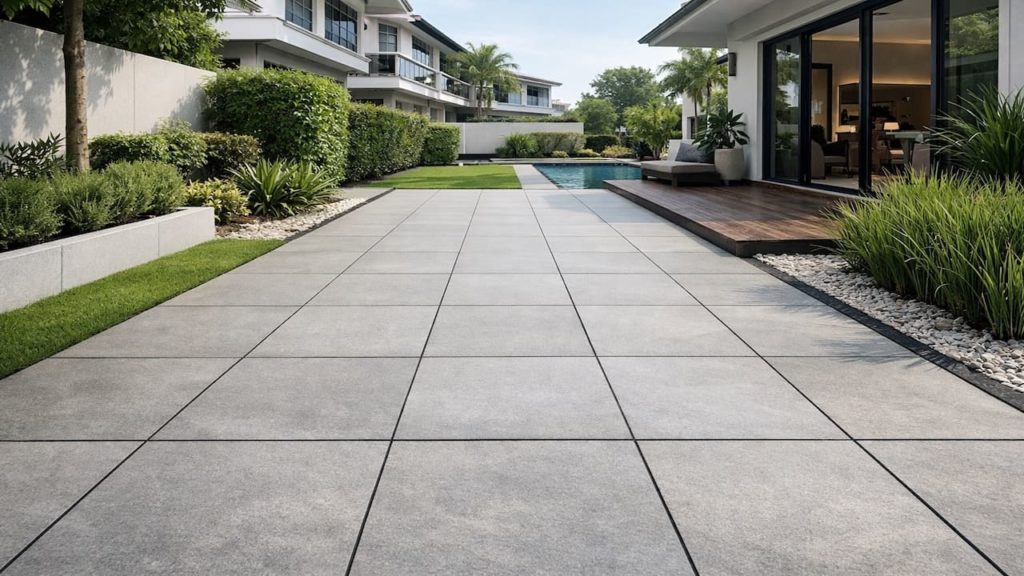
Choose texture that stays safe when wet even if it looks less glossy in daylight.
Showroom shine hides real behavior, and Malaysia rain turns glossy finishes into mirrors that mask edges and puddles—bad news on steps. Budget RM30–180 for anti slip nosing strips or a small surface treatment on the worst step run, depending on length and material. One safe route. You can keep the modern look by controlling glare and keeping joints calm.
- Pick matte texture over glossy showroom shine
- Add step nosing with grippy durable finish
- Use mid tone paving to show wet patches
- Keep step edges sharp enough to read
- Light steps from side to reduce glare
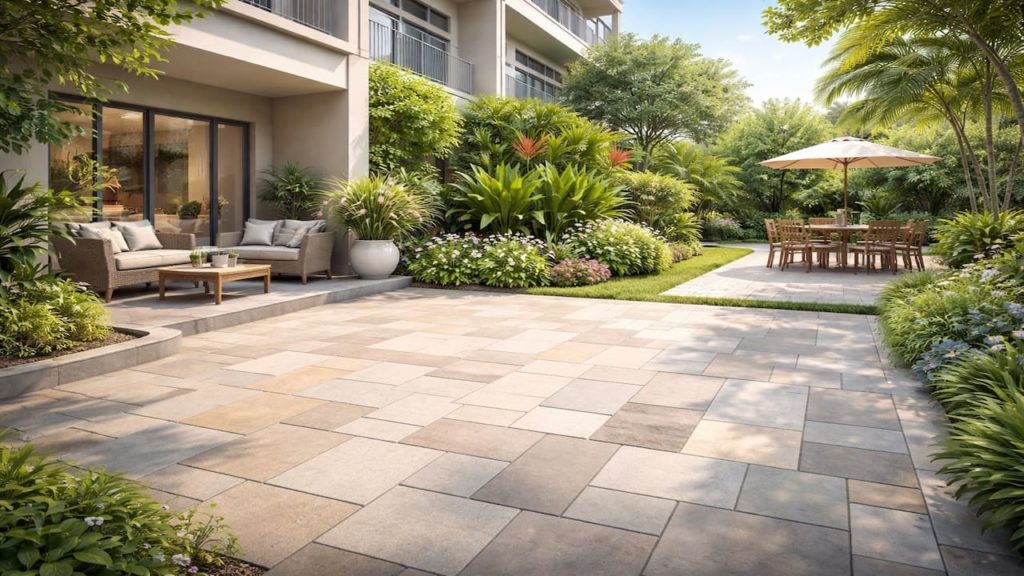
You might think a shiny surface looks premium, but premium is walking without fear in rain. A slightly textured finish can still look clean and modern if joints are straight and stains are controlled. Safety first, then aesthetics will follow.
3. Why rainy steps get slippery in Malaysia homes
Steps get slippery when damp film builds and water cannot exit fast enough.
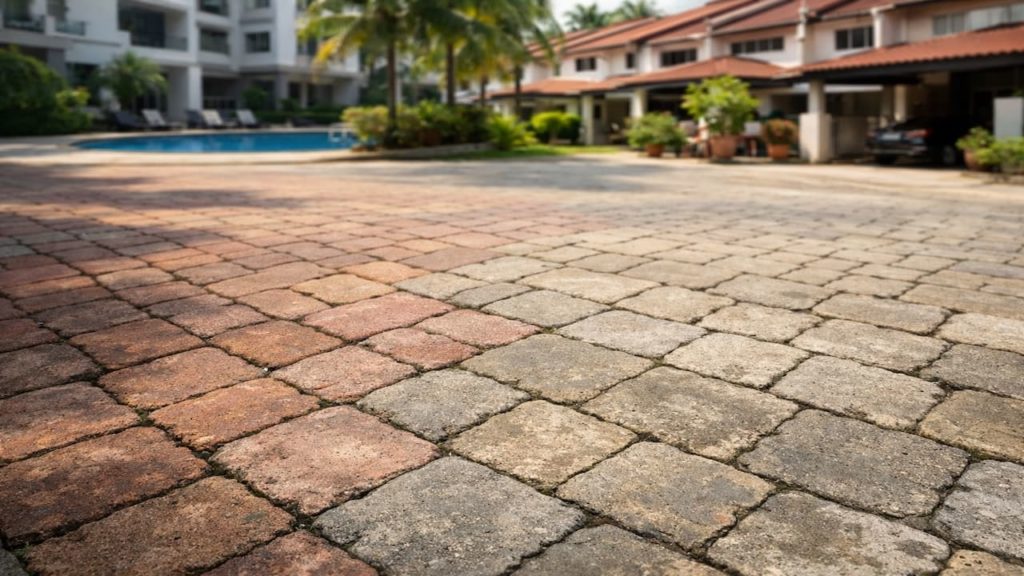
Malaysia storms deliver silt, leaf dust, and warm moisture that settles on step treads, then humidity slows drying and the film bonds into a slick layer—especially in shaded terrace-house side passages. Budget RM20–120 for brushes, joint refresh materials, and a simple drainable edge strip to stop repeated feeding. Biofilm growth. The real enemy is repeat dampness, not one spill.
- Shade keeps steps wet and film active
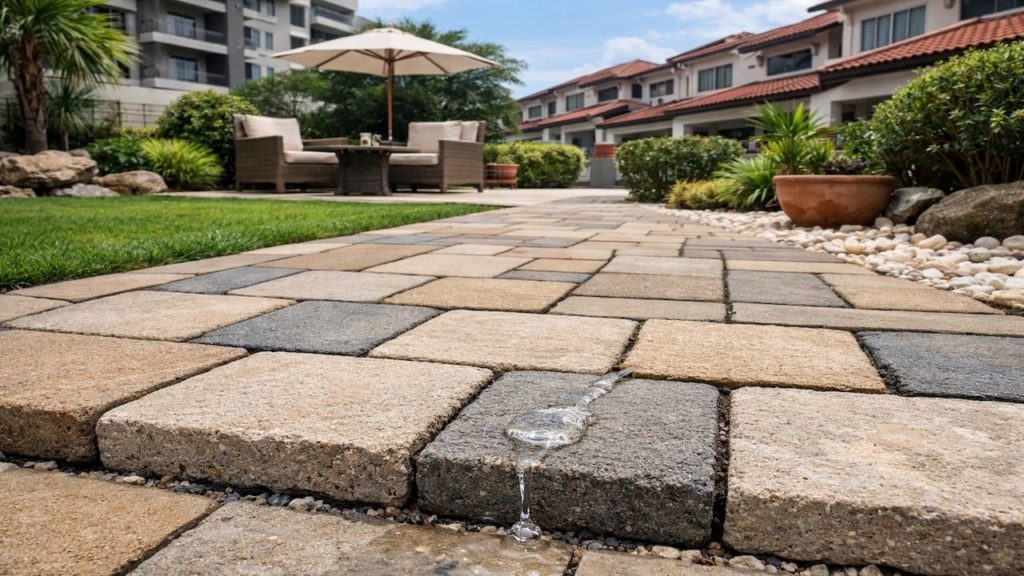
- Silt packs joints and holds water longer
- Flat treads let water sheet without exit
- Downpipe splash adds grit onto step lines
- Smooth finishes amplify glare and hide puddles
It is easy to blame “rain season,” but the same steps can be safe if water leaves and texture stays readable. Contractors are not always careless, they often follow standard materials and slopes. The structure is cold: if the step stays wet, it stays risky.
4. How to make garden steps safer in wet season
Fix grip and drainage at the same time so the step stays safe after the first storm.
Start with the worst two steps, because one slick tread is enough to ruin the whole route in Malaysia rainy months—targeted fixes work. Budget RM80–350 for nosing upgrades, joint tightening, and small slope corrections, depending on whether pavers need resetting. Quick improvements. Keep water moving away from the riser and stop slime from living in the joints.
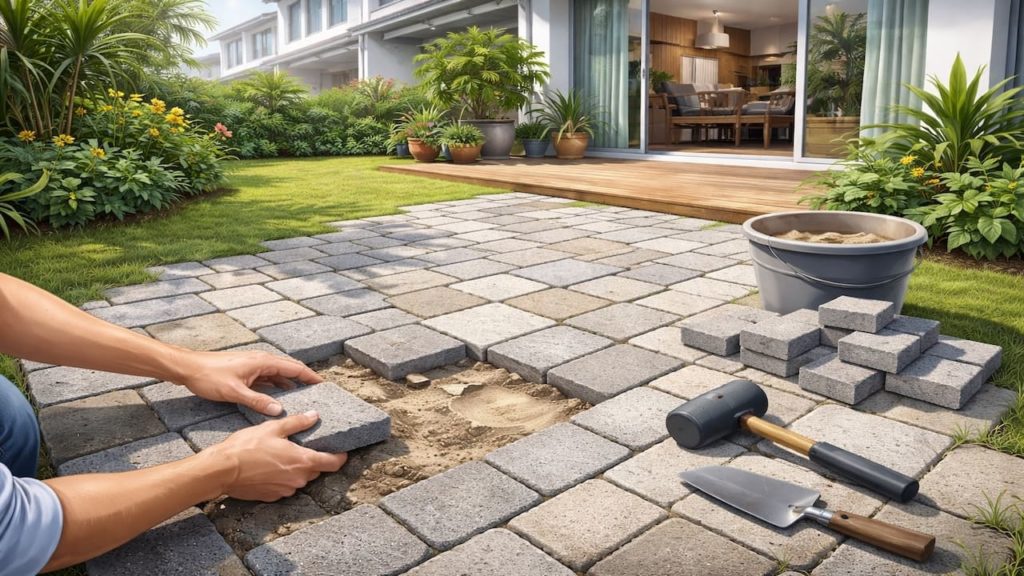
- Reset loose pavers to remove rocking edges
- Install anti slip nosing on leading edges
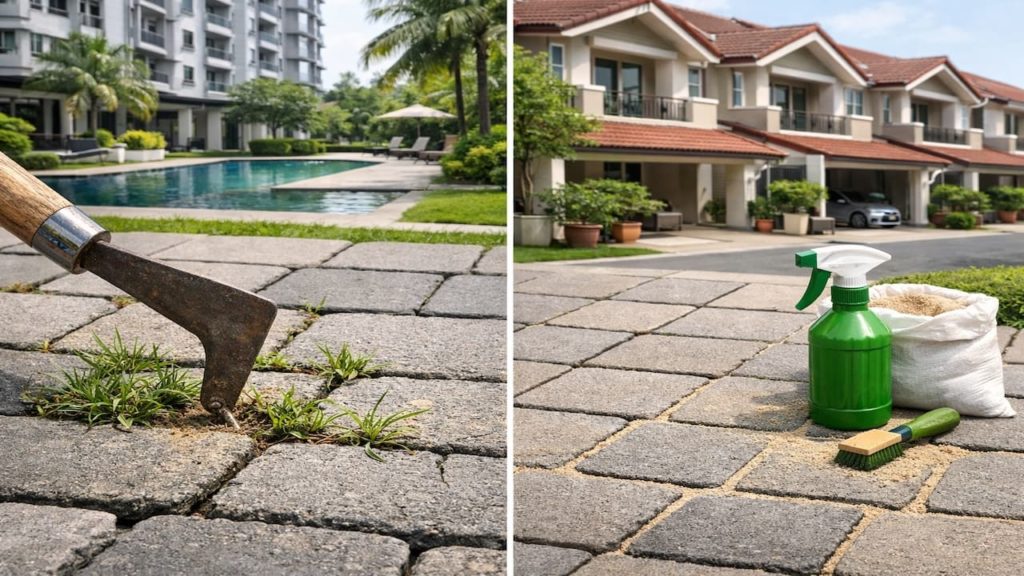
- Brush joints clean and compact fresh filler
- Add drainable strip beside walls near steps
- Rinse silt after storms before film bonds
Some owners jump straight to sealing, then trap moisture and create patchy slick zones. Do the boring base and edge work first—then any surface upgrade performs better and lasts longer. Your feet will feel the difference immediately.
5. FAQs
Q1. What is the quickest way to spot a dangerous step?
Test right after rain by twisting your shoe gently on each tread. In Malaysia humidity, the slick step will reveal itself before it looks dirty.
Q2. Are glossy outdoor tiles safe on garden steps?
Glossy tiles can turn risky because wet film reduces traction and glare hides puddles. If you already have them, add nosing grip and improve drainage instead of hoping.
Q3. Should I use anti slip coatings on steps?
Coatings can help, but only after deep cleaning and full drying so they cure evenly. Test one small tread first because humid weather can make patchiness obvious.
Q4. Why do my steps get slimy even when I rinse often?
Rinsing can spread silt into joints and keep the surface damp longer. Improve exit flow and brush biofilm early so the tread dries faster.
Q5. When should I call a contractor for step safety?
Call when pavers rock, edges lift, or step heights vary, because those are structural trip risks. A small reset and edge restraint often fixes it without full replacement.
Pro’s Tough Talk

Listen, I have been on site for over 20 years and handled hundreds of jobs, and slipping on rainy steps is not “bad luck.”
It breaks into 3 causes: the surface is too smooth, mud and humidity grow a slick film, and water has no exit route. In Malaysia humidity, the floor can feel like soap.
Do 3 steps now: after rain, twist your shoe to find the dangerous tread, then scrape the slimy joint gunk and tighten it back up, and finally add anti slip grip at the leading edge. The moment kids sprint for a delivery, and the moment you rush with laundry in your arms, that is where people fall.
Do not blame the person who slipped and do not trash every contractor, but the structure is cold: wet steps will slide. Come on, and you still choose gloss.
Leave it and it will repeat every time, like feet sliding on a wet plate with soap, and like driving in rain on bald tires.
Summary
Rainy garden steps stay safe when grip is consistent, edges are stable, and water exits fast, which matters more in Malaysia humidity and storms.
If slips repeat, start with the worst tread and fix the cause chain: surface film, joint sludge, and poor drainage near walls and downpipes.
Test your steps after the next rain and then move to the guides on outdoor tile grip tests and paving joints to keep routes safer and easier to wash.