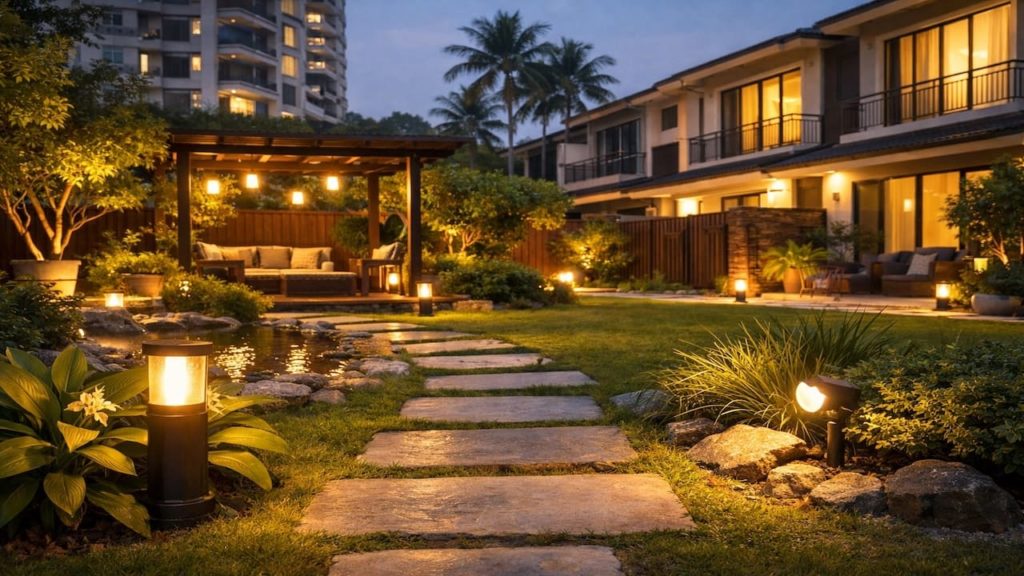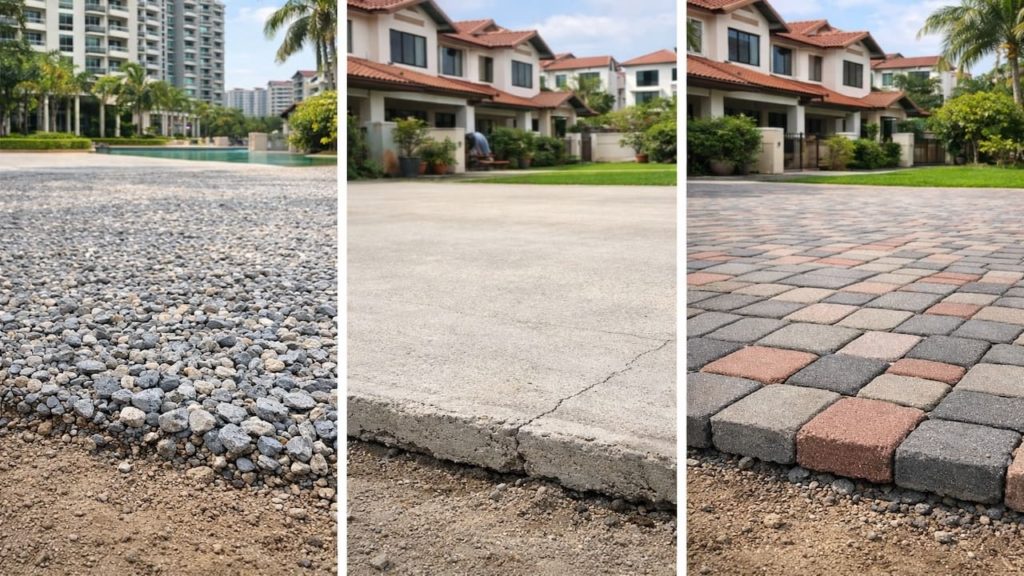
You pick paving thickness once, then you live with the outcome every rainy month, every chair scrape, and every unexpected heavy delivery.
In Malaysia, humid air, sudden storms, and soft ground after long rain can expose weak choices fast around terrace homes and condo patios. Tropical stress.
In this guide, you’ll learn how to choose paving thickness that survives your real use by reading load, soil, and rain like a checklist, not a guess.

Hi, I’m Ken. I write practical home guides for Malaysia—no fluff, just what works.
I hold a formal building design qualification and have spent about 20 years on job sites across hundreds of projects. My goal is simple: help you avoid costly mistakes with clear, safe steps—a quick way to decide what to do next.
1. Choose paving thickness: 5 checks
Thickness is a structural choice not a style choice and it should match what the area actually carries.
Outdoor paving fails when the top looks fine but the slab flexes or the base compresses under repeat loads in wet months—Malaysia makes that cycle faster. Load reality. Thicker units can forgive minor base variation, but they still need proper support and edges. Budget matters too, because thicker is heavier to move and set.
- Match thickness to vehicle load and turning
- Check soil softness after rain and drying
- Confirm base depth suits your chosen thickness
- Use thicker pieces at edges and corners
- Choose textured surfaces to reduce wet slip
Some people say “all pavers are the same,” but they are not when water, weight, and time stack up. If you under-spec thickness, you pay later with rocking and patch repairs. If you over-spec everywhere, you waste money and effort. Pick thickness by zone, then the design stays calm.
2. Load, soil, and rain decide what survives
Your site conditions decide survivability more than brand so read the ground before you buy the finish.
A condo patio on a concrete slab has different needs than a terrace side yard on soft soil that stays damp for days. Ground truth. Malaysia rain can saturate the sub-base, then foot traffic pumps fines into joints and weakens support. The same thickness can win in one area and fail in another.
- Identify soft spots by heel test after rain
- Track runoff paths from roof and downpipes
- Note shade zones where drying stays slow
- Mark heavy use routes like bins and bikes
- Plan edge restraint to stop lateral spread
You might want one thickness everywhere for simplicity, but simplicity can hide risk where loads concentrate. Use one look if you want, yet tune thickness and base under the look. That is how pros keep a clean finish without surprise dips. Quiet performance wins long-term.
3. Why thin paving cracks and rocks in wet months
Thin paving fails when the base moves even slightly because flex and voids turn into rocking and joint washout.
In humid Malaysia, trapped moisture keeps bedding sand soft, so thin units bridge less and telegraph every tiny hollow. Failure chain. Once one corner rocks, joints open, water enters, and the base loosens faster with each storm. This is why “just add sand” fixes rarely last.
- Thin units flex over small voids easily
- Soft bedding compresses unevenly under footsteps
- Pooled water washes joint sand out quickly
- Missing edges let the field creep outward
- Smooth faces hide early movement until danger
People blame poor installation, but thickness and base work as one system. A good base can support thin units in light-use zones, yet the same thin units fail under bins, bikes, and turning loads. Diagnose the use and the ground first. Then thickness becomes obvious.
4. How to choose thickness by zone and use
Choose thickness by the heaviest moment not the average day so the paving survives deliveries, parties, and wet-season stress.
Split your yard into zones: foot-only paths, seating pads, bin routes, and any vehicle or trolley area, then match thickness and base depth accordingly—do not guess. Expect RM150–800 for thicker pavers and base upgrades in small zones, depending on materials and prep. Smart spend. In Malaysia, upgrade corners, edges, and low spots first because water and load meet there.
- Use thinner units for light foot traffic
- Use medium thickness for seating and tables
- Use thicker units for bins bikes and carts
- Increase base depth where soil stays soft
- Lock edges with restraint before joint filling
Some homeowners fear mixed thickness will look odd, but you can keep the same surface style while strengthening only the hidden layers. That approach controls budget and avoids overbuilding the whole yard. Keep the visible pattern consistent, then reinforce the stress points. Practical engineering.
5. FAQs
Q1. Is thicker paving always better?
No, thicker only helps when loads are higher or the ground is softer after rain. For light foot paths on a firm base, medium thickness can last well and save budget.
Q2. What if my paving is on a concrete slab?
A concrete slab reduces base movement, so thickness becomes more about surface durability and comfort. Still manage drainage, because Malaysia humidity can keep the surface slick even on slab.
Q3. How do I know my soil is too soft?
If your heel sinks after rain or the ground stays squishy for days, treat it as soft soil. Increase base depth and compaction first, then choose thickness to match the zone.
Q4. Do I need thicker paving near the gate?
Thicker near the gate protects corners and edges because turning loads and concentrated traffic hit there. Even without cars, bins and delivery trolleys can overload thinner units in that pinch point.
Q5. What is the fastest mistake homeowners make?
They pick thickness by looks and ignore the base and water path. In wet months, movement below starts clicking and rocking on top, especially in Malaysia rain cycles.
Pro’s Tough Talk

Listen, I’ve been on site for 20+ years and done hundreds of jobs, and thin paving on a lazy base is the fastest way to buy the same work twice.
Cause is 3 things. You underestimate load spikes, you ignore soft soil after rain, and you pretend Malaysia wet season will “dry out soon.” Reality check.
Do 3 steps now. Walk the route after rain and mark squishy spots, pour water and trace the exit path, then upgrade thickness and base only where stress is real.
This is like building a chair with one short leg, like wearing flip-flops on a muddy slope Choose thickness for the worst day. Do that and the yard stops arguing with you.
The “groceries in both arms” stumble and the “kids sprinting barefoot” moment are when failure shows up, so here’s the tsukkomi: seriously. If you want weekly wobble drama, keep guessing.
Summary
Thickness should follow load, soil softness, and how rain moves across your site in Malaysia, not just what looks neat in a catalog. Structural clarity.
If you are unsure, strengthen edges, corners, and low spots first, then test after rain before committing across the whole yard. Small proof beats big regret.
Pick thickness by zone and reinforce the base then continue with guides on drainage layout and algae slip prevention for wet-month safety.