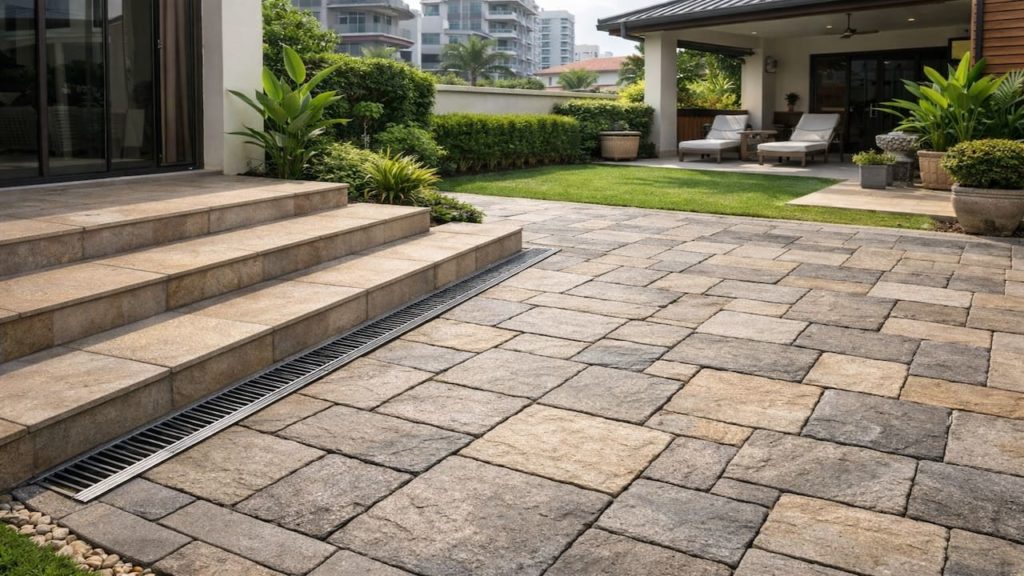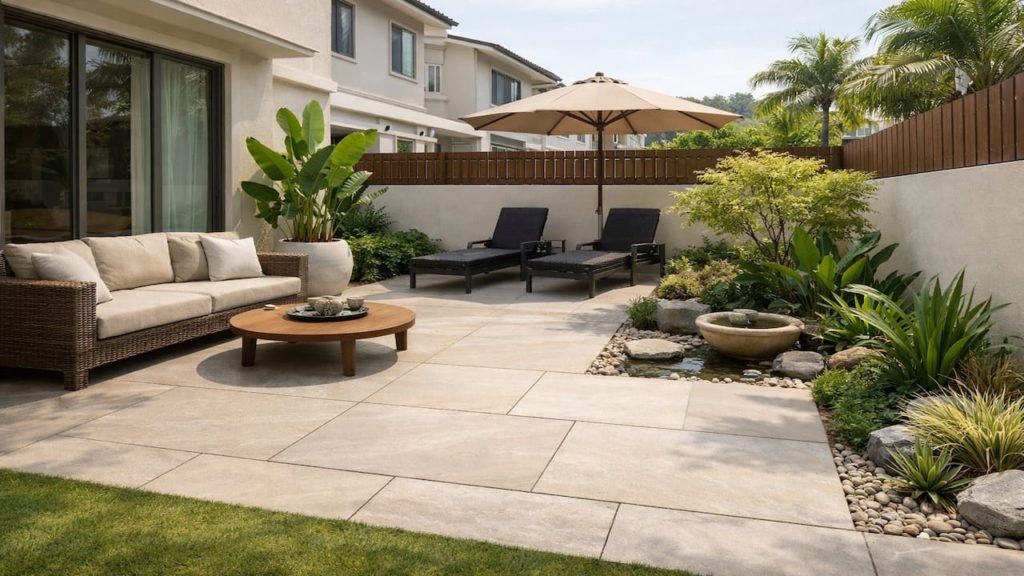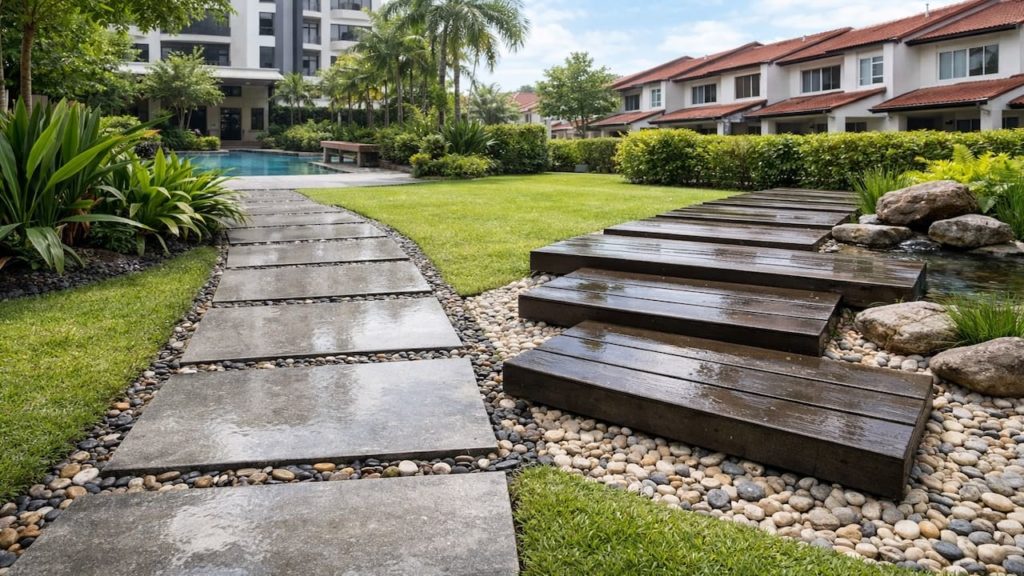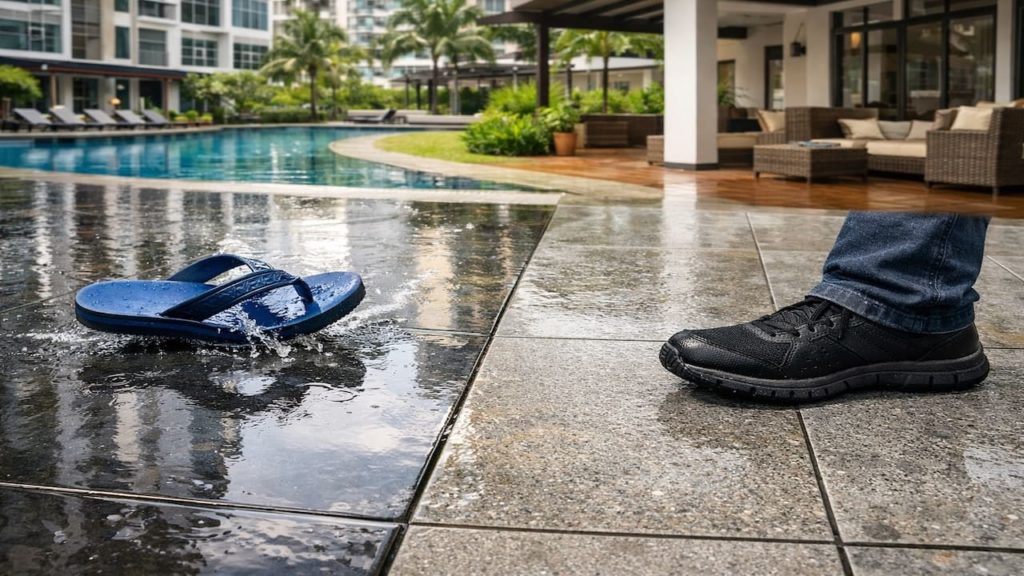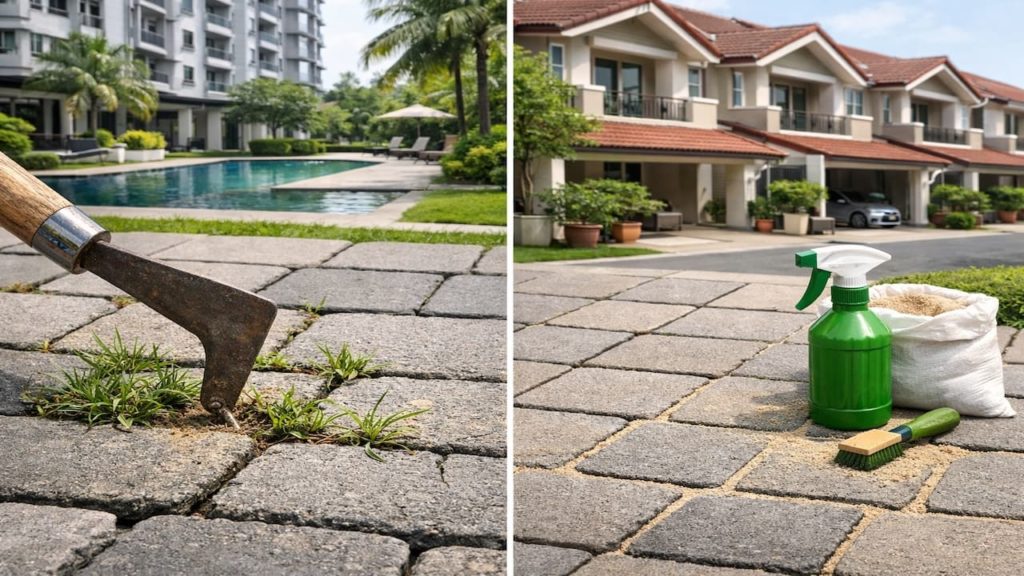
Weeds in paved joints are frustrating because they pop up right where you want a clean, easy-to-rinse garden surface.
In Malaysia, warm rain and humidity make joints stay damp, and fine dirt collects there like a seed tray, so growth returns fast if the structure is weak.
In this guide, you’ll learn how to block weeds in joints long term without harsh effort, using 5 checks that fit Malaysia terrace homes and condo gardens.

Hi, I’m Ken. I write practical home guides for Malaysia—no fluff, just what works.
I hold a formal building design qualification and have spent about 20 years on job sites across hundreds of projects. My goal is simple: help you avoid costly mistakes with clear, safe steps—a quick way to decide what to do next.
1. Weed control for paved gardens: 5 checks
Stop soil from feeding the joints because weeds need dirt more than they need cracks.
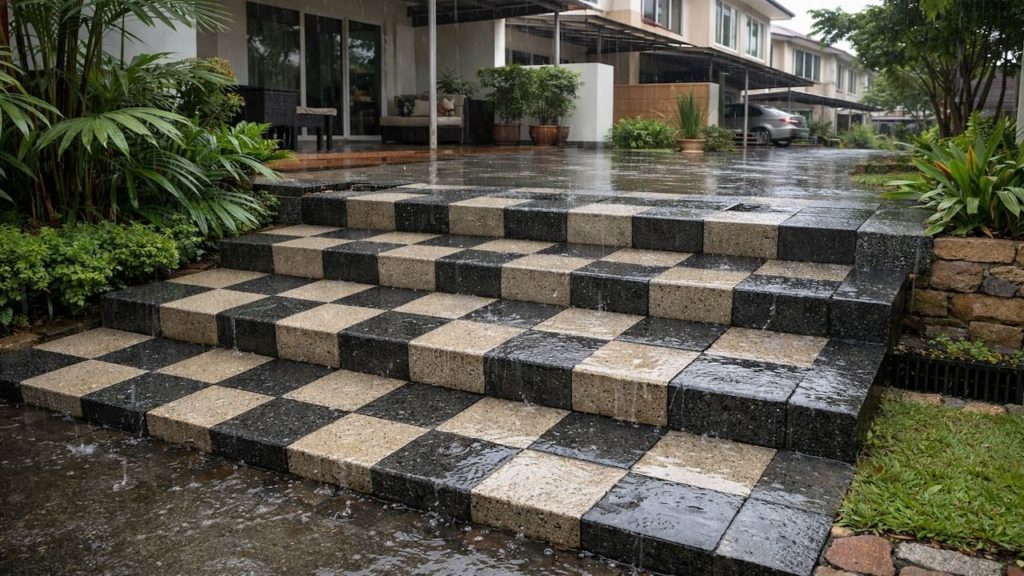
Most weeds do not push up from underneath solid paving, they start from seeds landing in dirt trapped on top of joints. Malaysia storms wash fine soil across paving edges, and humidity keeps it damp enough for fast sprouting. If you block the dirt supply, the weed cycle collapses and cleaning gets easier. Dirt source.
- Check soil splash from beds onto paving edges
- Check leaf litter collecting in joint lines
- Check muddy runoff from downpipes or taps
- Check gaps where mulch spills onto paving
- Check low spots that stay damp after rain
You might think weeds mean the paving is “broken.” Often the surface is fine, but the environment is feeding the joints daily. Fix the dirt inputs first, then deal with joint fill once. Smarter work.
2. Block growth in joints without harsh effort
Keep joints full and tight so seeds cannot settle and roots cannot anchor.
When joint sand washes out, weeds get a pocket to hold moisture and dirt. In Malaysia wet months, repeated rain can pump sand out if the base is soft or the joints are too wide. A simple top-up and light rinse routine prevents the harsh “big scrub day” cycle. Gentle maintenance.
- Remove weeds fully including roots from joints
- Sweep out loose dirt and old washed sand
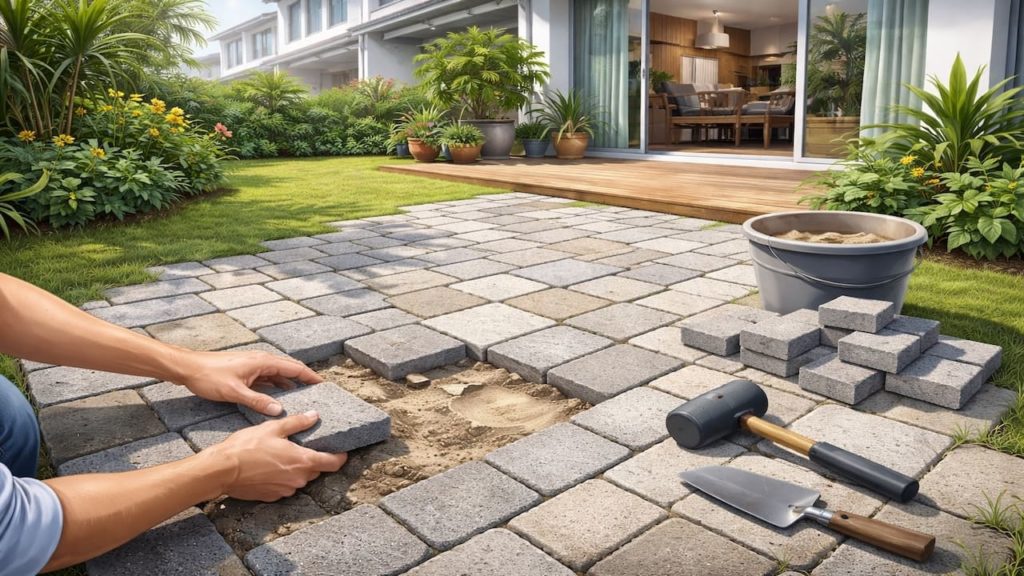
- Refill joints with clean jointing sand fully
- Compact joints by sweeping and light tamping
- Top up joints again after first heavy rain
Some people try to seal weeds in with paint-like coatings. In Malaysia humidity, trapped moisture can turn joints black and slippery, and the weeds return through any weak spot. Full joints beat fragile coatings. Reliable.
3. Why weeds return fast in Malaysia paved areas
Warm moisture keeps seeds alive and joints act like mini planters.
Seeds blow in, birds drop them, and fine dirt settles in the gaps, then rain triggers quick germination. Shaded strips along walls dry slowly, so weeds get more time to root. If you also have ponding water, the joints stay wet and soft, and weeds get a permanent advantage. Tropical speed.
- Count shade hours where joints never fully dry
- Inspect joint sand level after each storm week
- Look for ants moving sand out of joints
- Check for hairline movement opening wider gaps
- Check for algae film that traps extra dirt
You may blame “strong weeds,” but the structure is the real reason. Moisture plus dirt plus gaps equals weeds, in any climate, and Malaysia just accelerates it. Remove one input and the problem drops. Simple logic.
4. How to build joints that resist weeds long term
Use the right jointing material and control runoff so joints do not wash out.
If your joints keep emptying, fix drainage and edge restraint first so water does not pump material out. For higher resistance, polymeric joint sand can lock better than plain sand, but it needs proper installation and a stable base. If you need jointing sand, a stiff brush, or a small bag of polymeric sand, plan RM20–120 depending on area size. Long hold.
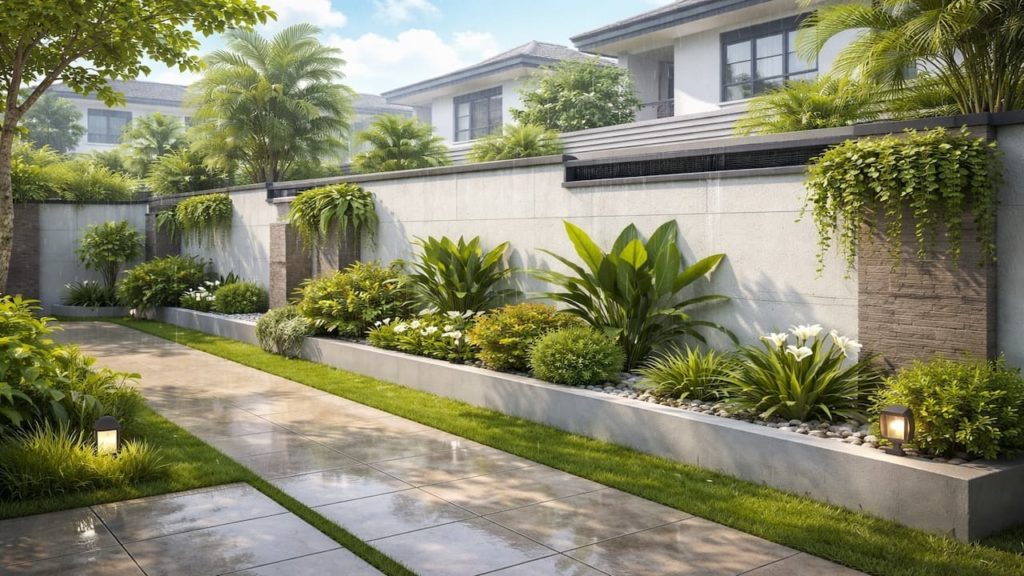
- Improve slope so water leaves the paved area
- Add edging to stop pavers spreading and gaps widening
- Use polymeric sand where washout keeps happening
- Keep joint width consistent for better locking
- Rinse lightly then let joints cure fully dry
You might think chemicals are the only way. In reality, chemicals treat symptoms, while structure prevents the habitat that weeds love. Build the joints right, then your routine becomes quick and light. Less effort.
5. FAQs
Q1. Do weeds grow up from under pavers?
Usually no, most weeds start from seeds on top that settle into dirt in the joints. True undergrowth is more common when the base is soil-heavy and not separated well.
Q2. Is boiling water a safe weed control method?
It can work on small weeds, but it is temporary and risky around kids and pets. It also does not solve joint washout or dirt buildup in Malaysia wet months.
Q3. Should I use weed killer on paved joints?
Use structure before chemicals because chemicals do not stop new seeds landing. If you use any product, follow label rules and focus on prevention with full joints.
Q4. What joint sand works best for weed prevention?
Polymeric joint sand can resist washout and reduce weed rooting if installed properly. Plain sand can work too if joints stay full and runoff is controlled.
Q5. How often should I top up joint sand in wet season?
Check after the first few heavy storms, then top up where levels drop. Regular small top-ups beat big weeding sessions later.
Pro’s Tough Talk

Listen. I’ve got 20+ years on site and I’ve handled hundreds of jobs, and joint weeds are not a “cleanliness” problem, they are a structure problem.
The causes are three. Dirt keeps landing in the joints, water keeps washing the sand out, and shade keeps everything damp. Malaysia humidity makes that combo grow like it is on a schedule.
Do these 3 moves now. First, pull weeds and sweep every bit of dirt out of the joints. Second, refill joints fully with the right sand and compact it in. Third, stop runoff and soil splash from feeding the seams again. You know that weekend “five minutes” weeding that turns into one hour. You know the tiny green sprout that becomes a jungle after one rainy week. Seriously, why are you farming in your paving?
I’m not blaming you, and I’m not saying every contractor is lazy, but the structure is cold: joints are either full and locked or they are planters. Full joints block weeds so fix the habitat and your effort drops hard.
Ignore it and enjoy your new hobby: gardening inside the cracks you paid for.
Summary
Weed control in paved gardens starts by blocking dirt and moisture from turning joints into mini planters.
If weeds keep returning, refill and lock joints, control runoff, and add edging so gaps do not widen in Malaysia wet months.
Fix joints then block dirt and you stop weeds without harsh effort. Next, read a runoff control guide or a joint cleaning guide for humid months.