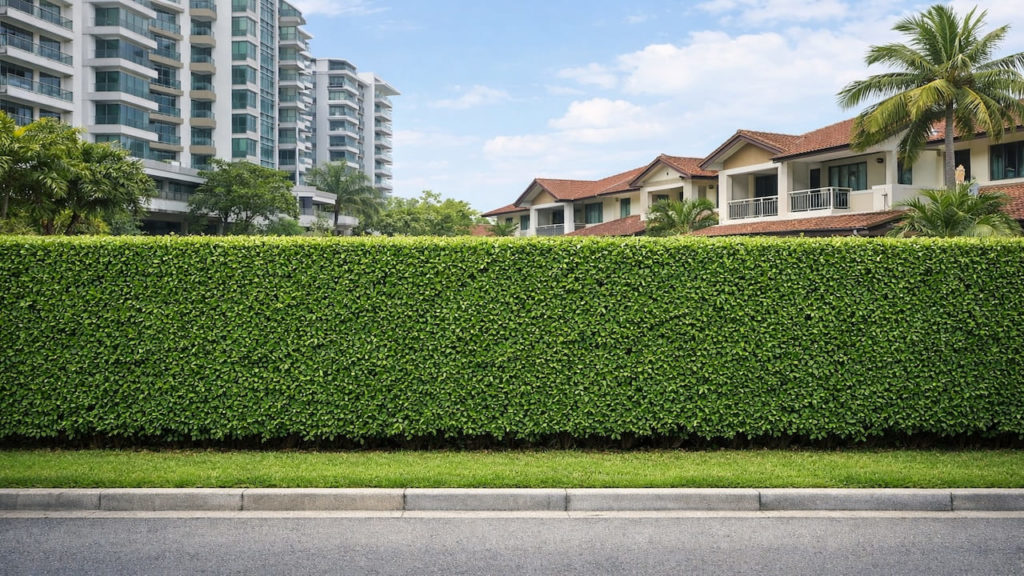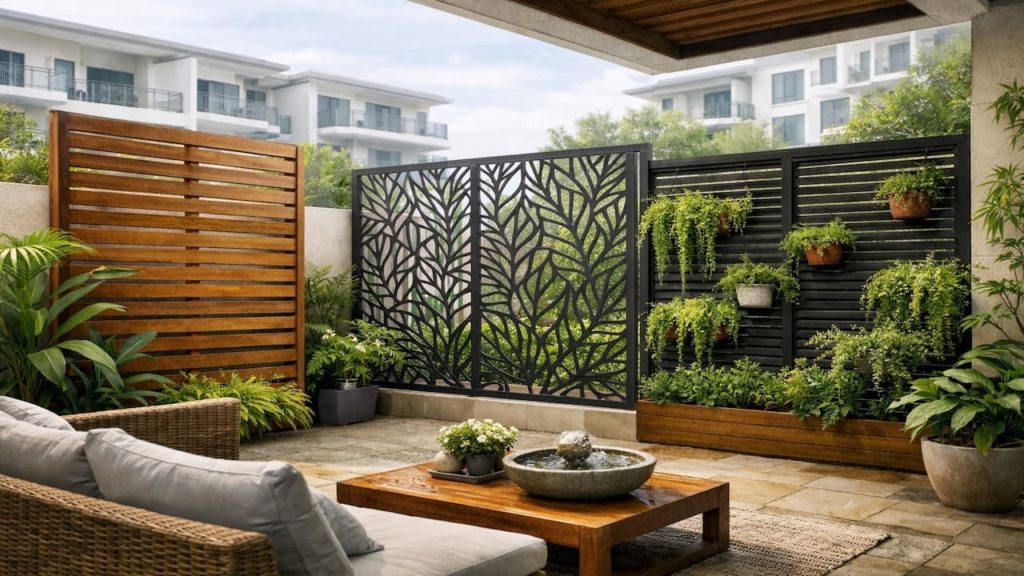
If you searched “garden screens that hide views” you probably want privacy without making your yard feel hot and trapped.
In Malaysia, wet season humidity and sudden storms can turn enclosed corners into damp, smelly spots fast. If a screen blocks wind, it often blocks comfort too.
In this guide, you’ll learn how to use privacy screens that block sightlines not airflow so your yard stays bright, breezy, and easier to keep clean after rain.

Hi, I’m Ken. I write practical home guides for Malaysia—no fluff, just what works.
I hold a formal building design qualification and have spent about 20 years on job sites across hundreds of projects. My goal is simple: help you avoid costly mistakes with clear, safe steps—a quick way to decide what to do next.
1. Garden screens that hide views: 5 tips
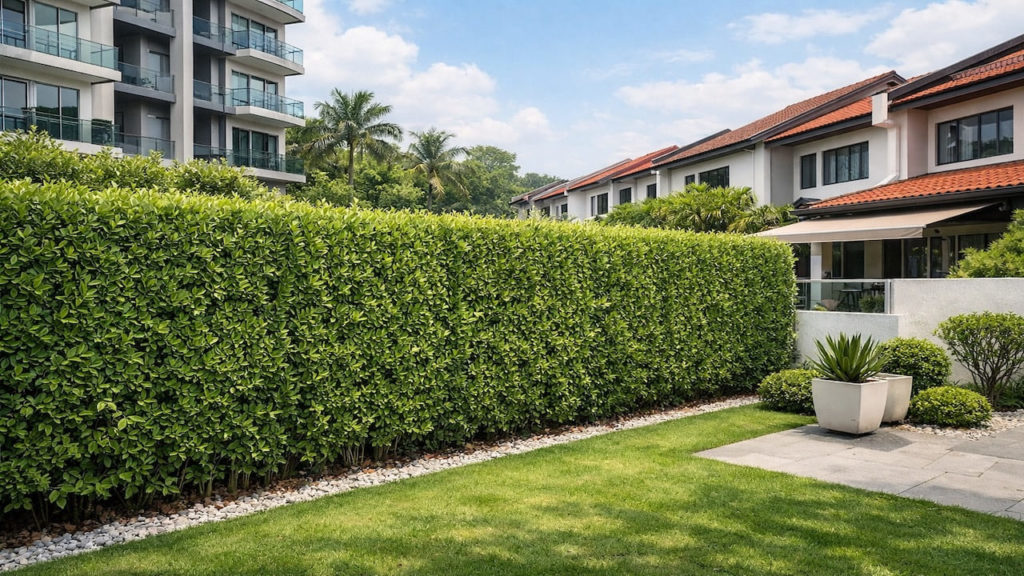
The best screens block eye level views while staying breathable.
Most privacy problems are angles, not full exposure—Malaysia terrace yards are tight, so one smart screen can solve it without turning the space dark. Angles.
- Identify the exact sightline from neighbor windows
- Place screens only where people actually sit
- Keep top sections open to let light in
- Use slats or mesh to maintain cross ventilation
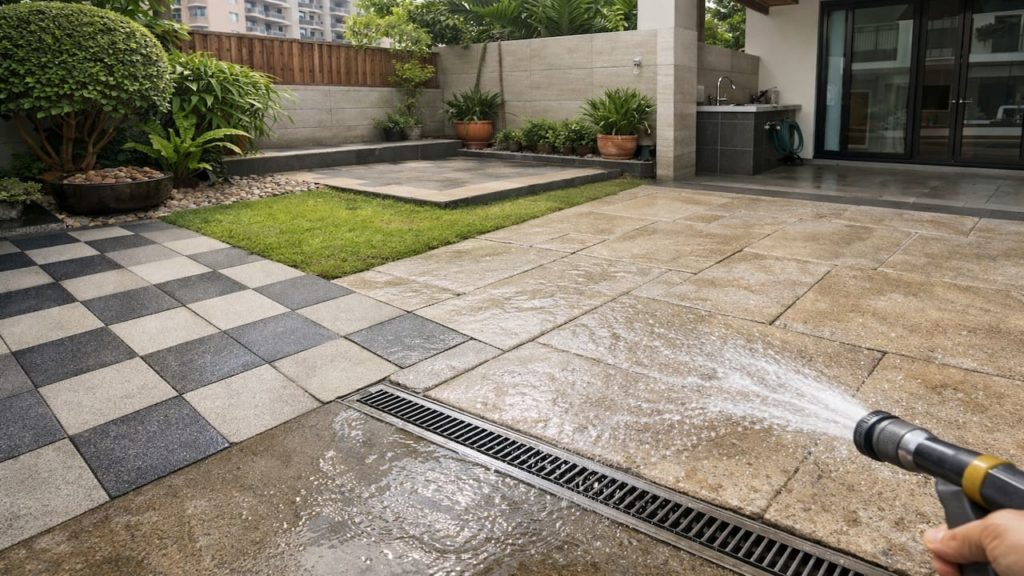
- Leave a cleaning gap behind screens for drainage
You might think more coverage means more peace. Over-coverage kills airflow and makes wet season maintenance worse, so aim for targeted privacy instead.
2. Block eyes not the breeze in wet season
Use semi open panels and plants to soften the view line.
In Malaysia wet season, air movement is your best friend for drying—blocking breeze invites algae, mold smell, and mosquitoes around corners. Keep it moving.
- Choose horizontal slats to block direct eye level
- Angle panels slightly to break straight view lines
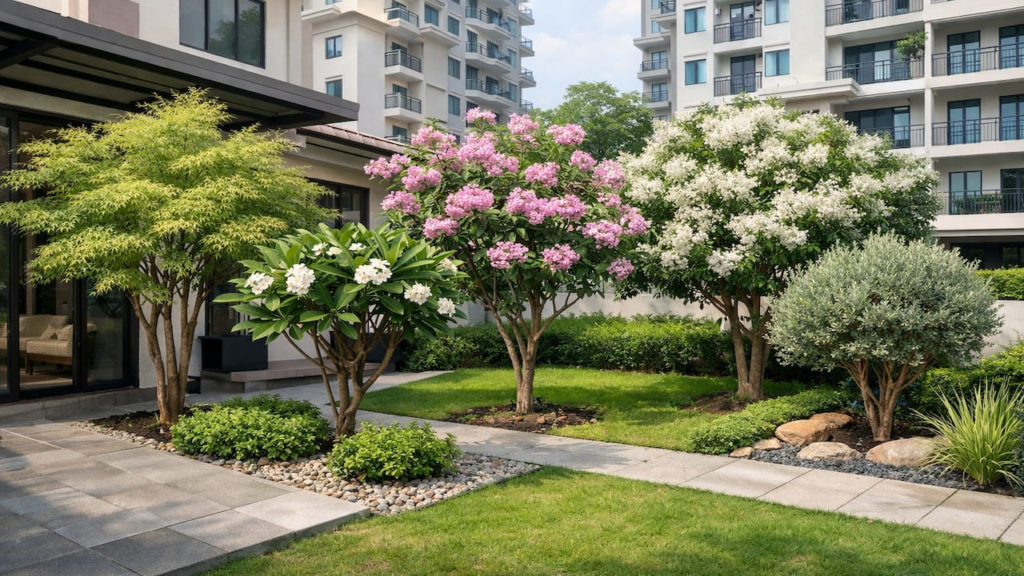
- Combine screens with tall planters for layered privacy
- Use light colored finishes to reflect daylight inward
- Keep screen bases raised to avoid trapped splash water
You may worry semi open means people can still see in. If your screen targets the view angle and seating height, privacy improves while airflow stays alive.
3. Why privacy screens backfire in Malaysia homes
They backfire when they create dark damp pockets that never dry.
Humidity slows drying and storms add splash, so a solid barrier can turn into a wet wall that stains, smells, and makes the yard feel smaller. Damp pocket.
- Solid panels reduce wind and trap humid air
- Dark corners encourage algae and mildew streaks
- Blocked access makes cleaning and drain checks harder
- Wet soil splash leaves marks that look like rot
- Clutter behind screens becomes a hidden junk zone
People blame “bad materials” when screens fail. The real cause is airflow and access, so design for drying and cleaning and the screen stays pleasant.
4. How to place screens for privacy and airflow
Place screens at the sitting zone and keep a wind corridor.
Start with the seat view first, then build around it; RM200–1200 is a typical range for basic outdoor screening panels depending on size and material. Spend smart.
- Set one screen near seating not along whole fence
- Leave an open lane from gate to back corner
- Keep 10–20 cm gap from walls for airflow
- Mount panels on posts for easy future replacement
- Test privacy by walking outside at eye level
You might want to cover the entire boundary for “full privacy.” In small Malaysia yards, full coverage often becomes full stuffiness, so keep a corridor and breathe.
5. FAQs
Q1. What screen type works best for wet season privacy?
Slatted screens work best for wet season airflow. They block direct views but still let wind through so surfaces dry faster after rain.
Q2. Should the screen be taller than the fence?
Only if the sightline is from higher windows. Otherwise, a lower screen at eye level is enough and keeps more light and breeze.
Q3. Can I use fabric outdoor curtains as a screen?
You can, but in Malaysia humidity they can hold moisture and get musty. If you use them, choose quick-dry fabric and keep them open when not needed.
Q4. How do I stop screens from looking cluttered?
Keep the area behind the screen clear and avoid storing tools there. One simple plant cluster looks better than lots of small items.
Q5. How do I reduce mosquitoes around screened corners?
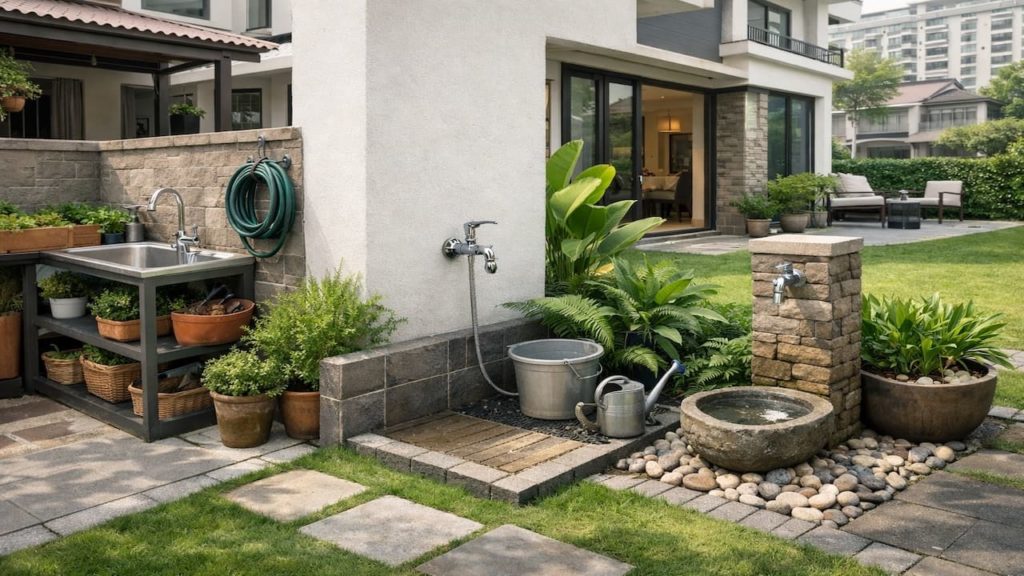
Maintain airflow and remove any hidden water traps along the base. A quick weekly drain and splash-zone check keeps breeding spots away.
Pro’s Tough Talk

Alright, straight talk. I’ve been on site for 20+ years, done hundreds of jobs, and people keep building “privacy” that turns into a damp jail cell. Malaysia wet season will roast that decision.
Three causes. First, you block everything like you’re sealing a container, then wonder why it smells. Second, you install screens with zero cleaning access, so grime and algae move in like squatters. Third, you cover the whole fence line and kill cross breeze, like putting a blanket over a fan.
Do this now. Step 1: stand where you sit and trace the exact view line you want to block. Step 2: use slats or mesh and keep the top open for light. Step 3: leave a corridor for wind and a gap for cleaning and drains.
This is the rule block angles not airflow. Aruaru #1: you buy a big solid panel, then the corner smells like wet shoes. Aruaru #2: behind the screen becomes the secret junk stash. What is this, a garden or a hiding game?
I’m not blaming you, and I’m not saying every contractor is useless, but the structure is cold: if you pay for a wall, you also pay for damp unless you plan wind. Go on, block eyes, not the breeze, champion.
Summary
You can hide views with targeted screens placed at eye level, while keeping the top open and preserving airflow for Malaysia wet season.
If the yard feels dark or damp, your next step is to reopen a wind corridor and add cleaning access, then test after the next storm.
Do one sightline test today and choose breathable privacy that dries fast after rain then move to a mosquito or drainage guide to keep the yard comfortable.