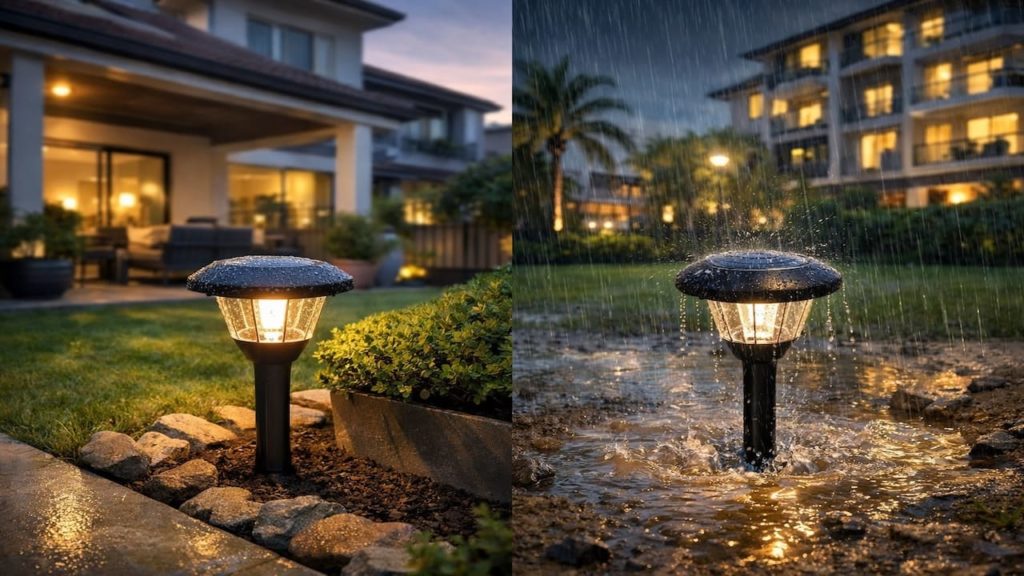
You install solar lights, they look great for a week, then rain hits and they turn dim, flicker, or die. In Malaysia, wet months and high humidity punish weak seals fast.
Cloudy days reduce charging, rain splash creeps into housings, and shaded terrace paths keep panels from getting enough sun. If placement is wrong, even good lights feel disappointing because they never charge fully.
In this guide, you’ll learn how to choose solar lights that last with rain proof seals and how to place them so they actually stay bright. You will also learn quick checks, small maintenance habits, and what to avoid in humid weather.

Hi, I’m Ken. I write practical home guides for Malaysia—no fluff, just what works.
I hold a formal building design qualification and have spent about 20 years on job sites across hundreds of projects. My goal is simple: help you avoid costly mistakes with clear, safe steps—a quick way to decide what to do next.
1. Garden solar lights that last: 5 checks
Durability comes from seals and charging reality not from big lumen claims.
In Malaysia, solar lights live in heat, rain, and constant moisture cycling—weak points fail early. Reliability. Check how water is kept out, how the battery is protected, and whether the panel can face real sun hours. A good light is one you forget about because it keeps working.
- Inspect rubber gaskets for full contact and no gaps
- Check battery compartment latch and water channel design
- Look for drainage holes that do not invite water inside
- Confirm panel angle can face sun without shade blocks
- Test switch and sensor cover for tight sealing
Some people buy based on brightness numbers, but water entry and weak charging are what kill performance first. Reality. Check seals and sun access before style.
2. Rain proof seals and good placement matter
Water protection and sun exposure decide whether lights last past wet season.
Rain proof is not only “water resistant,” it is how the design keeps water from pooling at seams and how seals stay compressed over time. In Malaysia, panels also need real sun, not bright shade, or batteries will stay half-charged and degrade faster. Placement is half the product. Choose spots that dry faster and avoid constant splash zones.
- Place panels where they get direct sun for hours
- Avoid mounting under eaves that drip onto housings
- Keep lights away from sprinkler spray and hose splash
- Install on firm bases so seals are not twisted
- Angle panels to shed water instead of holding puddles
You might think “any daylight charges,” but weak sun plus wet season clouds often means chronic undercharging. Truth. Give the panel real sun and the light stays healthier.
3. Why solar lights fail faster in Malaysia weather
Moisture gets in and batteries suffer when charging is inconsistent.
When water enters a housing, it corrodes contacts and fogs lenses, reducing output. Malaysia humidity can also condense inside if vents are poorly designed, even without direct leaks. At the same time, cloudy periods reduce charging, so batteries spend more time low, which shortens lifespan. This is why lights flicker or die after a few wet weeks.
- Check for foggy lens indicating moisture inside housing
- Spot green corrosion on metal contacts and springs
- Notice dim output after several cloudy days in row
- Find cracked seals from heat cycles and UV exposure
- See water pooling around light bases after storms
It is easy to blame “cheap solar,” but the real cause is water pathways plus undercharging plus heat cycles. Mechanism. Block water and improve charging and failure rates drop.
4. How to keep solar lights working through wet months
Clean panels and protect seals so charging stays strong and water stays out.
Start by cleaning panels because dust, pollen, and rain film reduce charging more than most people expect. Then check seals and mount stability so housings do not twist and open micro-gaps. For basic supplies like silicone grease, spare gaskets, and a gentle cleaner, RM10–60 is common depending on what you already have. Keep maintenance quick and monthly in rainy periods.
- Wipe solar panels weekly during rainy dusty periods
- Re-seat gaskets and tighten screws without overtightening
- Move lights out of deep shade for better charging
- Raise bases to reduce splash and standing water
- Replace batteries with matching type when output drops
Some people throw lights away when they dim, but many recover with cleaning, resealing, and better placement. Practical. Treat charging and sealing as routine, not mystery.
5. FAQs
Q1. How many hours of sun do solar lights need daily?
More direct sun generally means better performance, especially during Malaysia wet season. If panels only get bright shade, expect shorter runtime and faster battery wear.
Q2. What is the easiest sign that a seal is failing?
Fogging or water droplets inside the lens is a clear sign moisture is entering. Corrosion on contacts is another warning that water is getting in.
Q3. Are solar lights okay under a covered porch?
Only if the panel still gets direct sun, which many covered porches do not provide. Consider placing the panel in sun and running the light wire, or choose non-solar lighting.
Q4. Why do lights flicker after rainy weeks?
Flicker often comes from low battery charge combined with moisture affecting contacts. Improve sun exposure, clean the panel, and check for leaks in the housing.
Q5. Should I bring solar lights indoors during storms?
If storms are severe and the lights are portable, bringing them in can extend life. But long-term reliability should come from good seals and smart placement, not constant moving.
Pro’s Tough Talk

Alright, I’ve been on site 20+ years, done hundreds of jobs, and solar lights “dying early” is not bad luck. Malaysia rain finds weak seals, and humidity finishes the job when charging is weak.
Three causes. One, gasket gaps and poor lens seams let water in, then contacts corrode quietly. Two, panels sit in shade or under eaves, so batteries never fully charge and age fast. Three, people install lights in splash zones and on soft ground, so the housing twists and opens micro-gaps.
Do this in 3 steps. First, place panels in real sun and angle them to shed water, not hold it. Second, check seals, tighten mounts, and keep housings stable on firm bases. Third, wipe panels regularly and replace batteries when output drops instead of buying new sets blindly.
Don’t blame yourself, and don’t blame every contractor either, but the structure is cold. Sellers shout about “brightness,” then hide seal quality and charging reality because it is boring. Seals and sun decide lifespan and that is the truth.
Classic: they look bright on day 1, then after one wet week they flicker like a haunted movie. Classic: you line the path with them, then half go dim and you start playing “which one is dead.” Oi, want reliable lights or a nightly guessing game? Fix seals and placement, or keep buying replacements.
Summary
Solar lights last longer when rain proof seals keep moisture out and panels get enough direct sun to charge fully. In Malaysia wet months, undercharging and leaks are the main failure causes.
If lights are dim or flickering, clean the panels, move them to better sun, and check for fogging and corrosion before replacing anything. Improve splash protection and mount stability so seals stay tight.
Check one panel for shade and one housing for fog today then move to a path lighting guide or a drainage guide to keep the whole outdoor area safer and easier to maintain. Small checks save repeat spending.