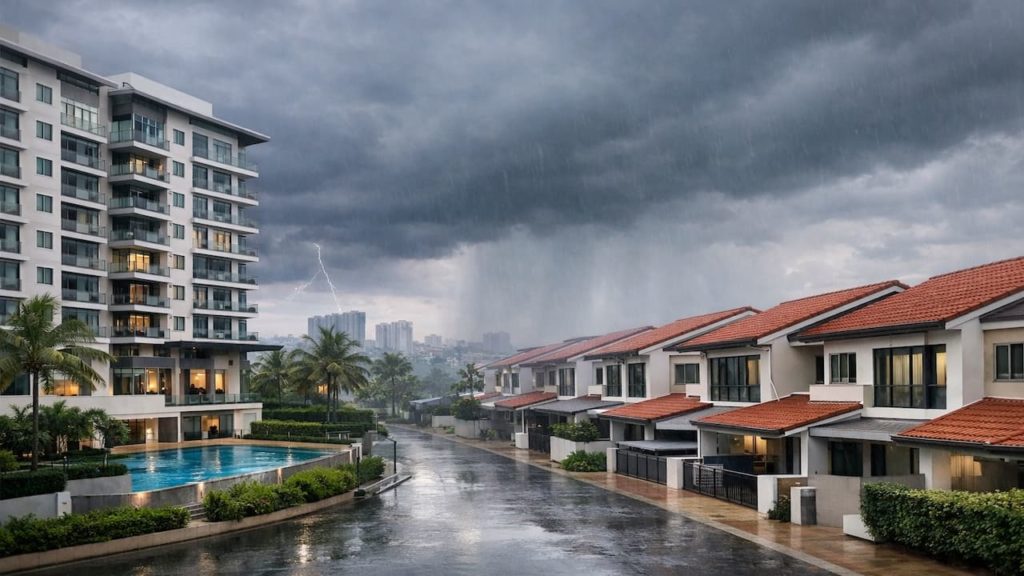
You searched “emergency kit” because storms can cut power, heavy rain can flood roads, and you want your home ready without overbuying.
In Malaysia, monsoon rain, sudden thunderstorms, and short power outages are common in condos and terrace homes. The goal is simple: light, water, and basics for a day or two.
In this guide, you’ll learn the 5 checks that make a small emergency kit storm-ready fast so your family stays calm, safe, and prepared when weather hits.

Hi, I’m Ken. I write practical home guides for Malaysia—no fluff, just what works.
I hold a formal building design qualification and have spent about 20 years on job sites across hundreds of projects. My goal is simple: help you avoid costly mistakes with clear, safe steps—a quick way to decide what to do next.
1. Malaysia emergency kit guide: 5 checks
A good emergency kit covers light water and communication first — everything else is secondary.
Storm disruptions in Malaysia are often short but annoying: power cuts, weak mobile signal, and blocked roads. In high-rises, lifts may stop and water pressure may drop, so basics matter more than fancy gear. Basics.
- Check torch works and store spare batteries nearby
- Confirm power bank charges phone twice fully
- Count drinking water bottles for each person daily
- Pack simple food that needs no cooking
- Store cash and key documents in waterproof pouch
You might think “I will buy when needed”. But during storms, shops run out fast, and you waste time when you should be resting.
2. 【Storm-ready home with light water and basics】
Your kit should be small enough to grab in one move — not a survival warehouse.
Most items are normal household supplies, but you may top up a torch, power bank, and water container. A simple kit often lands around RM30–150 depending on what you already have. Ready.
- Place kit near exit and keep it easy to grab
- Label items and keep them in one clear bag
- Add raincoat and compact umbrella for each adult
- Include basic first aid and daily medication backup
- Pack small towel and wet wipes for quick cleaning
You might worry this is overkill. It is not, because one organized bag prevents panic and keeps you from searching drawers in the dark.
3. Why Malaysia homes need storm basics ready
Storm problems are usually logistics not danger movies — the stress comes from missing small essentials.
Malaysia storms can arrive fast, and monsoon rain can last hours. Even if your unit stays dry, power outages and weak internet affect work, food, and sleep, especially with kids or elderly at home. Reality.
- Power cuts stop fans and aircond in heat
- Lift outages make stair climbs harder in condos
- Road flooding delays delivery and grocery access
- Low water pressure reduces shower and toilet refill
- Mobile signal drops during heavy rain periods
You might assume storms only matter for landed houses. Condos can be just as affected because shared systems and lifts are single points of failure.
4. How to build a light emergency kit in one hour
Build the kit around your daily routine and refill it monthly — simple maintenance keeps it useful.
Focus on what you actually use and can store in a small space, which is important in Malaysian condos. If you buy a water jug, spare batteries, or a compact torch, RM20–80 usually covers the basics. Practical.
- Gather light water food first aid and phone power
- Store everything in zip bags inside one tote
- Write emergency contacts and keep it with cash
- Set a monthly reminder to check expiry dates
- Test torch and power bank and recharge fully
You might be tempted to add too much “just in case”. A heavy kit gets ignored, so keep it light, grab-ready, and easy to restock.
5. FAQs
Q1. How much water should I store for storms?
Aim for at least one day of drinking water per person. If you can store more, add extra for basic washing, but start small and realistic.
Q2. What food works best in a small kit?
Choose items that do not need cooking and are easy on the stomach. Crackers, canned food with pull tabs, and simple snacks are practical.
Q3. Should I include a radio?
If you already have one, it is helpful during long outages. If not, phone data plus a fully charged power bank usually covers short Malaysia outages.
Q4. I live in a condo. What extra should I think about?
Plan for lift outages and limited water pressure. Keep shoes, a small torch, and a bag you can carry easily down stairs.
Q5. How often should I check the kit?
Monthly is enough for most homes. Check batteries, expiry dates, and whether your family needs changed since last month.
Pro’s Tough Talk

Listen up. I’ve been on site 20+ years, and I’ve done hundreds of jobs. When storms hit in Malaysia, people don’t “run out of courage”. They run out of torch batteries and drinking water.
It’s 3 buckets. Power goes off, water pressure drops, and movement gets annoying because roads flood or lifts stop. Contractors aren’t the enemy, but the structure is cold: shared systems fail together, then everyone scrambles at once.
Do this now. Put a torch with batteries, a charged power bank, water, simple food, and a small first aid kit into one bag. Add cash and a waterproof pouch for documents. Done.
One grab bag beats ten scattered supplies. Tsukkomi: you planning to search the kitchen drawer in the dark ah? Aruaru: you remember the kit only when the lights already died. Aruaru: you buy snacks but forget a can opener.
Keep ignoring basics and you’ll be doing “storm survival” with your phone at 3% battery lah.
Summary
A storm-ready kit in Malaysia focuses on light, water, phone power, and a few basic hygiene and first aid items.
Keep it small and grab-ready, and check monthly so batteries and expiry dates do not betray you when rain hits.
Pack the grab bag today and make storm days boring then read a related guide on power outages or slippery tiles to keep your home safer in wet season.