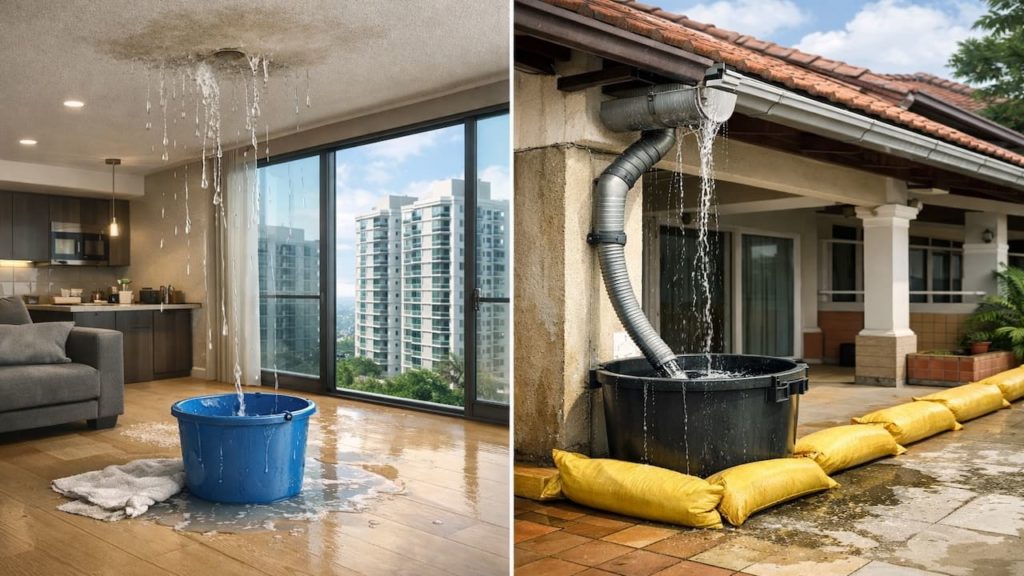
You searched because you found a wet patch, a drip sound, or a sudden musty smell after rain, and you need answers fast. A leak feels like a threat.
In Malaysia, heavy rain, high humidity, and strong AC make small leaks spread into paint bubbles and warped cabinets, especially in condos and terrace homes. It looks minor until it is not. Reality.
In this guide, you'll learn how to find the leak source and stop damage fast by doing safe first steps, tracing the wet path, and choosing the right next move without panic spending.

Hi, I’m Ken. I write practical home guides for Malaysia—no fluff, just what works.
I hold a formal building design qualification and have spent about 20 years on job sites across hundreds of projects. My goal is simple: help you avoid costly mistakes with clear, safe steps—a quick way to decide what to do next.
1. Home water leak guide: 5 steps
Start with safety and a clear sequence so you contain the leak before it grows.
Leaks in Malaysia often travel along beams, tiles, and pipes, so the first wet spot is rarely the true source. A short plan keeps you calm and protects your flooring, wiring, and furniture. Control first. —
- Turn off water supply at main valve
- Place towels and bucket under active dripping point
- Trace wet marks uphill to highest damp edge
- Check under sinks behind toilets and washing machine
- Take photos of meter reading and leak area
Some people rush to scrub stains or repaint, but that hides evidence and the leak keeps feeding the wall. Freeze the scene, trace the path, then act. Fast wins.
2. Find source and contain
Follow the water path instead of the stain because water always moves before you see it.
In condos, water can come from above units, AC drain lines, or shared plumbing, and it can appear far from the real break. In terrace homes, rain splash and roof flashing can push water into walls during monsoon bursts. The leak is a route, not a dot.
- Check ceiling edges for fresh yellow water rings
- Press tissue to joints and watch for damp transfer
- Listen near walls for constant drip tapping sound
- Check floor trap and shower curb for seepage
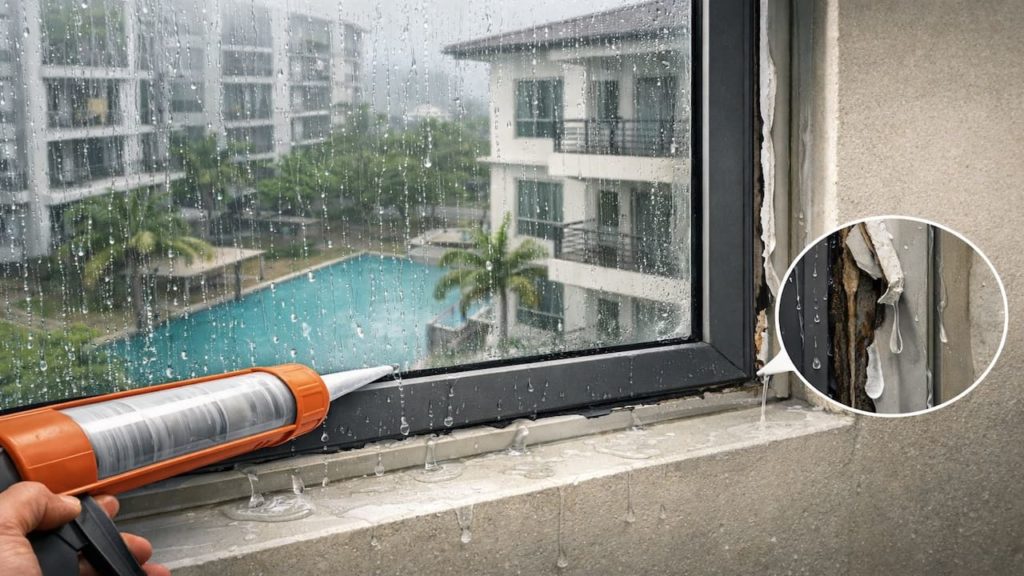
- Inspect window frame corners after strong rain
People say leaks are obvious, yet most leaks are sneaky and show up only after AC cooling or a storm. Contain the water first, then hunt the source with patience. Solid.
3. Why leaks hide in hot humid Malaysia homes
Humidity makes small leaks look bigger and slower so you misjudge the real cause.
Warm air carries moisture, and when it hits cold surfaces from AC, it creates condensation that can mimic a leak. At the same time, real leaks spread wider because wood swells and paint lifts faster in humid air. Confusing. Truth.
- AC condensation drips from clogged drain line
- Rainwater enters through hairline exterior cracks
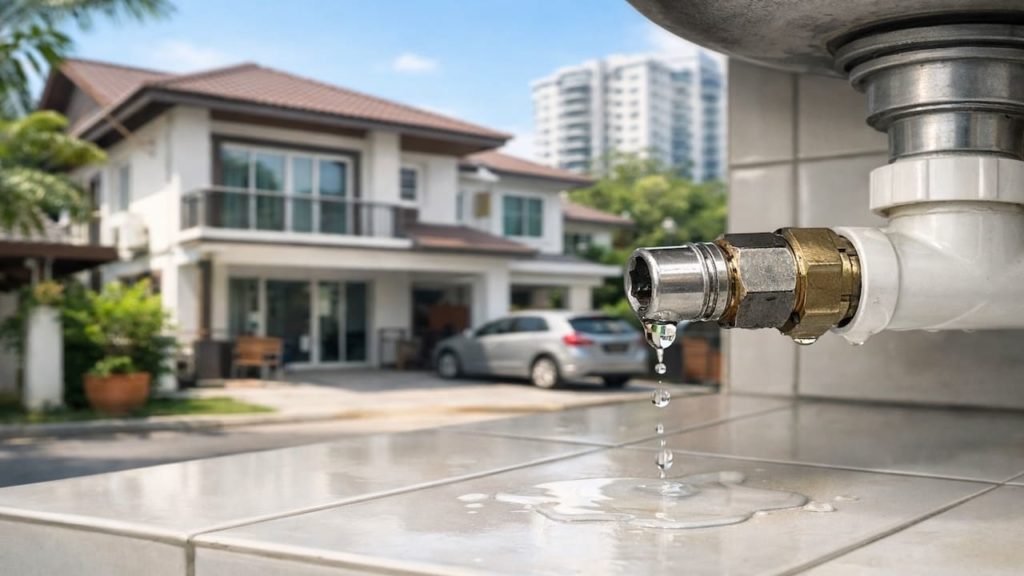
- Loose pipe joints seep behind cabinets unseen
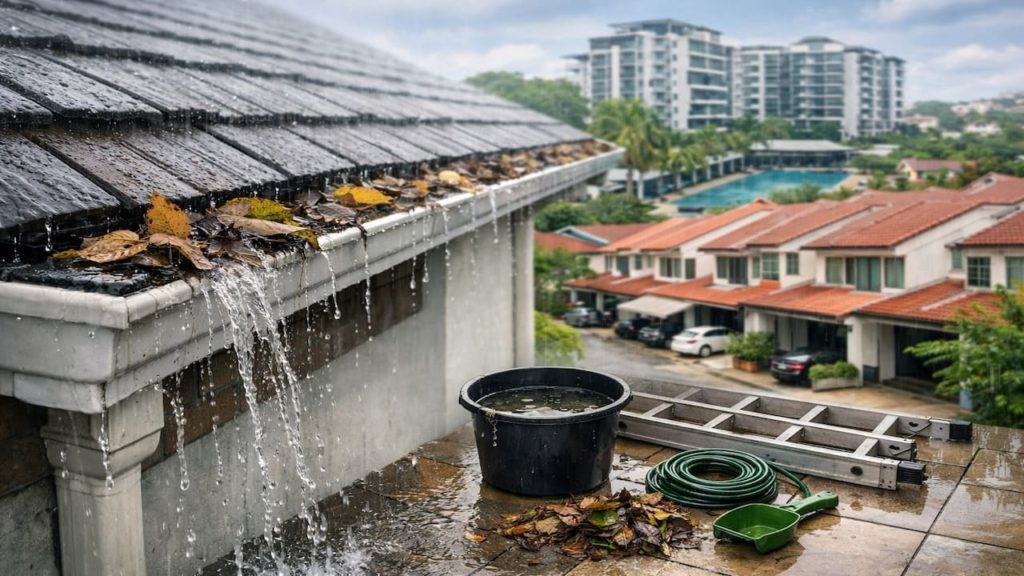
- Blocked gutters overflow into fascia and walls
- Floor trap dries out and smells like sewer
Some think any wet mark means a major pipe burst, but sometimes it is just condensation plus weak airflow. Still, you must confirm, because ignoring a real leak is expensive. Decide with evidence.
4. How to stop leaks quickly and limit damage
Contain then dry then repair the true entry point so the same wet patch does not return.
Immediate supplies often cost RM10–40, while a basic plumber visit commonly runs RM120–350 depending on access and scope in your building. Start with reversible steps, then escalate if moisture returns after drying. Money matters.
- Dry wet area using fan for 45 minutes
- Clear AC drain pipe using wet vacuum
- Seal small gaps with temporary waterproof tape
- Lift soaked items off floor using blocks
- Report upstairs leak with photos to management
Some say you should wait and see if it dries on its own, but hidden moisture keeps feeding mold and rot behind paint. Dry it hard, then fix the source. No gambling.
5. FAQs
Q1. How can I tell leak vs condensation?
If wetness appears only when AC runs and there is no meter movement, suspect condensation. If the water meter moves when all taps are off, suspect a leak. Quick test.
Q2. What should I do first in a condo?
Contain the drip, take photos, then contact building management if you suspect water from above or shared pipes. Documenting early helps you move faster later.
Q3. How long should I dry the area?
Dry until the wall and floor feel fully normal which can take 24 to 48 hours in humid weather. Use fan plus dry mode and keep furniture slightly away from the wall.
Q4. When do I call a plumber?
Call if you see active dripping, the meter keeps moving, or the wet patch expands after drying. Also call if you smell a strong musty odor from inside a cabinet.
Q5. How do I prevent mold after a leak?
Remove wet fabrics, keep airflow moving, and dry the cavity areas like under beds and inside cabinets. If paint bubbles form, do not trap moisture behind fresh paint.
Pro’s Tough Talk

Listen, I have been on site for 20+ years and handled hundreds of jobs, and leaks in Malaysia love drama. You spot one wet dot and your brain screams disaster. Happens.
Three causes show up nonstop: AC drain lines clogged with slime, tiny pipe joints weeping behind cabinets, and rain pushing through small cracks when the storm hits sideways. Same villains.
Do three steps now: shut the valve if you can, catch the drip with a bucket, then dry the area hard with a fan plus dry mode. Treat it like a spilled drink, not a mystery curse.
If the wet patch comes back after drying, you must repair the entry point not the cosmetic stain and stop doing midnight towel gymnastics. Everyone has that one towel pile in the corner. Classic.
Ignore it and you will be paying twice, once in money and once in headaches, so go fix it before your house turns into a damp museum exhibit.
Summary
Contain the water first, then trace the wet path to the highest point where it likely enters. Safety before guessing.
If the patch expands, the meter moves, or odor stays after drying, treat it as a real leak and escalate to management or a plumber. Clear line.
Do the first 5 steps today and save the repair budget then read our humidity control and mold spot guides to keep the home dry through rainy season.