You searched because you want a pergola that does not sag, leak, or wobble after a few Malaysia rainstorms. You want shade, not a future repair bill.
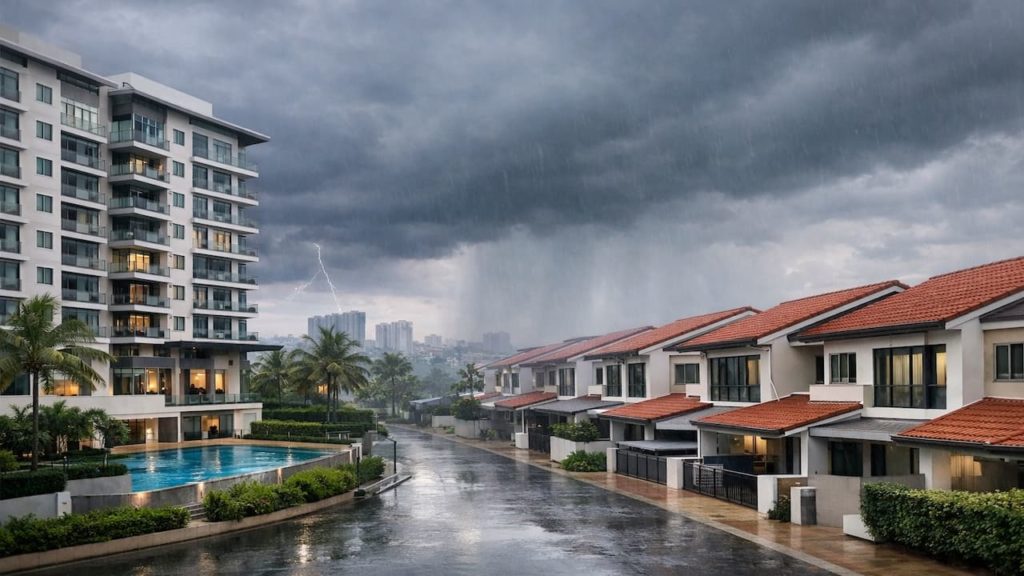
In Malaysia, heavy rain, hot sun, and humid air punish outdoor timber and metal fast, especially in terrace home porches and condo patios with splashback and wind gusts. A pergola can fail quietly if the basics are wrong. Reality.
In this guide, you'll learn how to check posts and roof pitch so rain cannot wreck your pergola and you can choose materials and fasteners that last through wet seasons. Practical.

Hi, I’m Ken. I write practical home guides for Malaysia—no fluff, just what works.
I hold a formal building design qualification and have spent about 20 years on job sites across hundreds of projects. My goal is simple: help you avoid costly mistakes with clear, safe steps—a quick way to decide what to do next.
1. Garden pergola that survives rain: 5 checks
Check structure and drainage first before choosing looks and your pergola will last longer.
A pergola survives Malaysia rain when loads go into the ground, water sheds away, and hardware resists rust—pretty designs fail when posts are weak. Start with the 5 checks and you avoid the common traps. Solid.
- Measure post thickness and check for twisting
- Inspect base anchors for rust and loose bolts
- Confirm roof pitch drains water away from house
- Check beam joints for gaps and cracking wood
- Look for puddles around footings after rain
Some people focus only on the roof panel, but posts and anchors decide survival in wind and rain. Get the skeleton right, then the skin works. —
2. Strong posts and the right roof pitch
Strong posts plus a clear pitch stop sag and leaks because water weight is brutal.
Malaysia downpours add sudden load, and humid cycles swell timber and loosen screws, so the roof must shed water fast and the posts must stay rigid. A simple slope and bracing strategy beats fancy trim. Basics.
- Use thicker posts and add diagonal bracing
- Set roof pitch to drain toward gutter line
- Keep roof edge away from wall to vent air
- Seal screw holes on roof panel with washers
- Install drip edge to stop splashback stains
People say flat roofs look modern, but flat roofs in Malaysia often trap water and grow algae, then leaks start at screw holes. Pitch it and breathe. —
3. Why pergolas fail fast in Malaysia rain and humidity
Pergolas fail when water sits and joints loosen and Malaysia makes both happen.
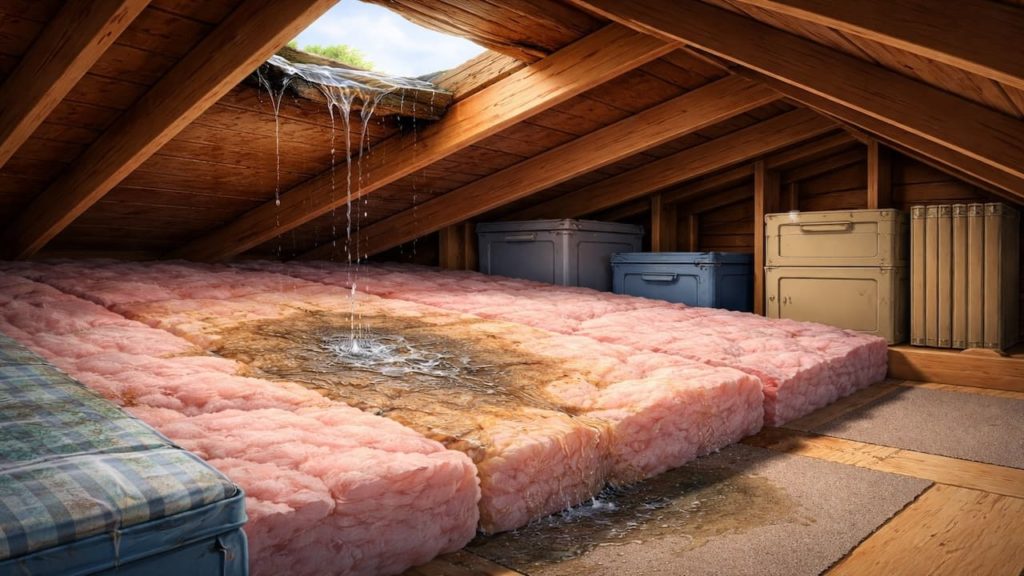
Sun heats the structure, rain cools it, and humidity keeps everything slightly wet, so metals corrode and timber moves, especially at joints. If footings stay wet from splashback, posts rot near the base and wobble grows. Quiet failure.
- Standing water adds load and warps beams
- Rust expands and cracks paint around fasteners
- Timber swells then shrinks and loosens screws
- Roof panels flex and open gaps at overlaps
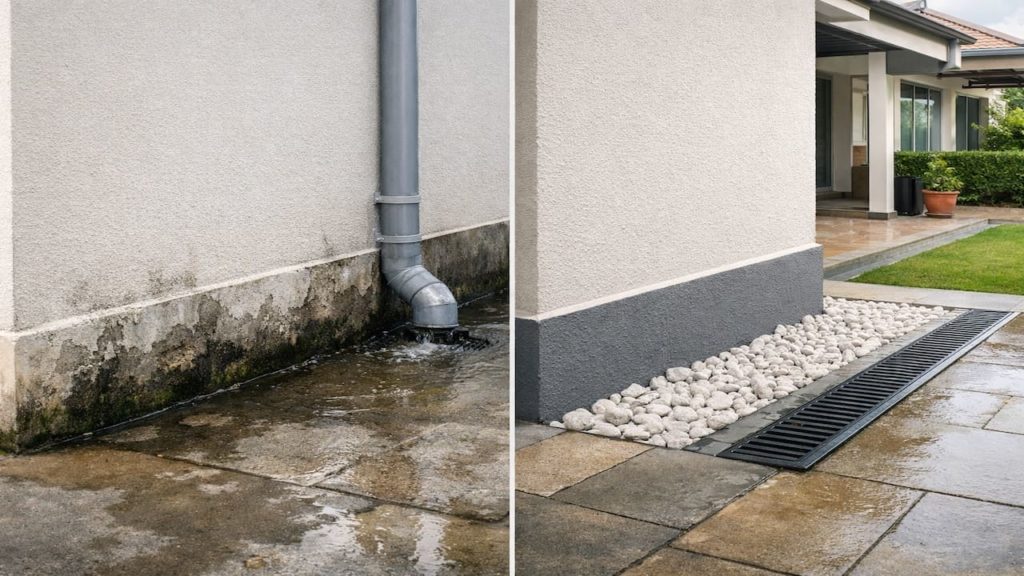
- Poor drainage keeps footings wet after storms
Some blame bad luck or storms, but most failures come from weak anchoring and wrong slope, not from one heavy rain. Fix design and it holds.
4. How to build or upgrade a rain ready pergola
Upgrade anchors slope and corrosion protection so your pergola survives wet seasons.
Most upgrades require buying parts, so budget often ranges RM80-400 for anchors, brackets, sealant, and washers, while bigger rebuilds can go far higher if posts or footings need replacement. Spend on structure first, not decoration. Smart money. —
- Install galvanized post bases with concrete anchors
- Add diagonal braces at corners for stiffness
- Adjust roof slope using shims and new purlins
- Use stainless screws with rubber sealing washers
- Apply exterior sealer paint and recoat yearly
Some say you must replace the whole pergola, but many issues are fixable if posts are still sound and footings are stable. Repair the weak points and keep what works. —
5. FAQs
Q1. What roof pitch is best for heavy rain?
A steeper pitch sheds water faster and reduces pooling, especially during intense downpours. Aim for a visible slope, not almost flat. Your gutter will thank you.
Q2. Can timber pergolas survive Malaysia humidity?
Yes if the base stays dry and sealed because rot starts where water sits near the footing. Choose treated wood and keep air moving around posts. Maintenance matters.
Q3. Should I use polycarbonate or metal roofing?
Both can work, but each needs correct overlap and sealed fasteners to prevent leaks. Polycarbonate can expand with heat, so allow movement. Metal needs corrosion protection near salty air.
Q4. How do I stop rust at brackets and screws?
Use galvanized or stainless hardware and avoid mixing metals that cause corrosion. Keep fasteners tight and use sealing washers on roof screws. Recheck after storms.
Q5. When should I hire a contractor?
Hire help if posts wobble, footings crack, or the roof frame is sagging under load. Structural fixes need proper anchoring and safe work at height. Do not gamble.
Pro’s Tough Talk

Alright, I have been on site for 20+ years and handled hundreds of jobs, and Malaysia rain will bully a weak pergola like it owes money. First storm, it looks fine. Third storm, it starts singing creak songs.
Three causes keep repeating: posts too thin for the span, roof pitch too flat so water sits, and cheap fasteners that rust and loosen in humid air. That combo is a slow collapse.
Do three steps now: grab the post and shake it, check if water pools on the roof, then inspect every bracket and bolt for rust and movement. Like checking a chair before you sit.
If you see wobble and pooling, stop adding decorations and fix the skeleton because fairy lights cannot hold up a roof. The “it was cheap so okay” excuse. The rainy season panic repair with one screwdriver. Two classics.
Ignore the basics and your pergola will turn into a wet noodle with a roof, so build it right and enjoy shade that does not betray you.
Summary
Use the 5 checks to confirm post strength, anchor stability, and roof pitch so rainwater sheds quickly and the frame stays rigid. Structure first.
If wobble, pooling, or rust keeps returning after tightening, treat it as a design issue and upgrade anchors, bracing, and slope instead of patching forever. Clear line.
Fix posts and pitch before the next storm hits then read our patio cover and drainage smell guides to keep the whole outdoor area dry and durable.