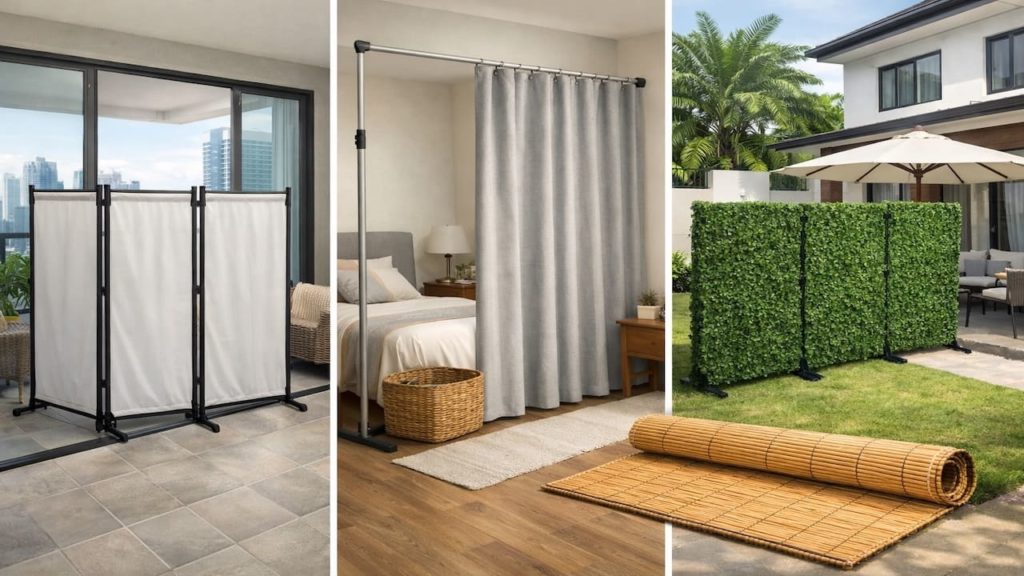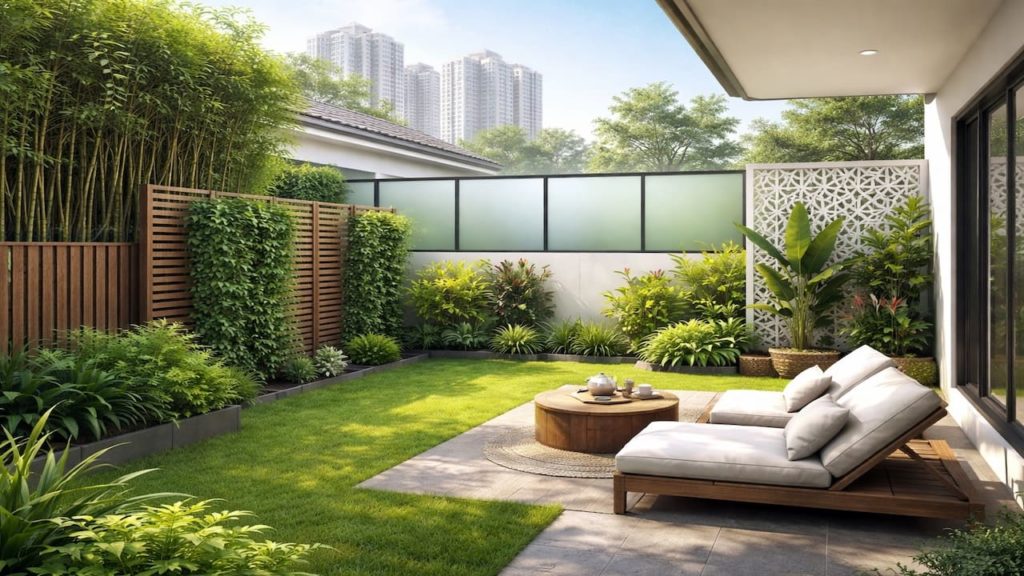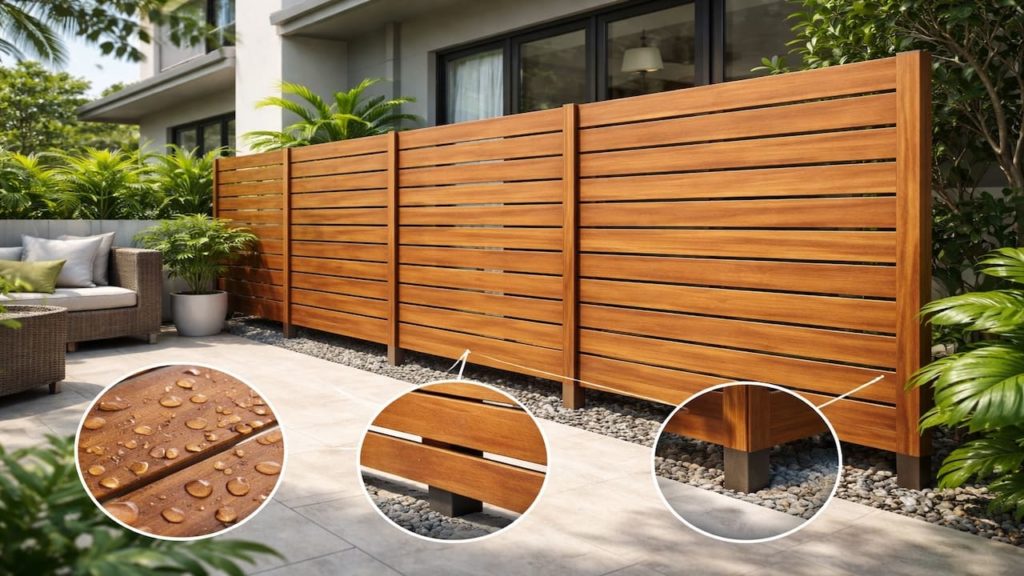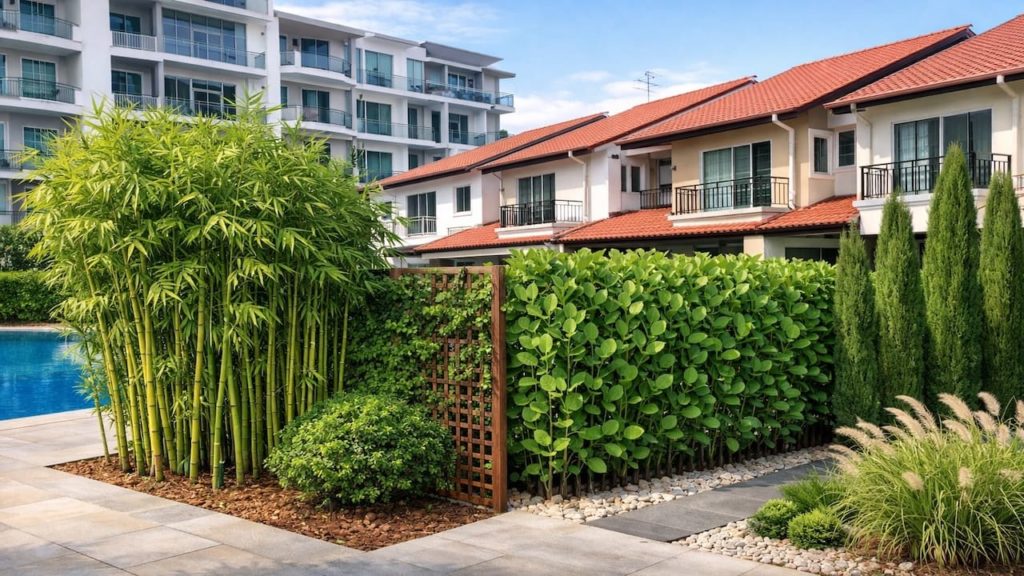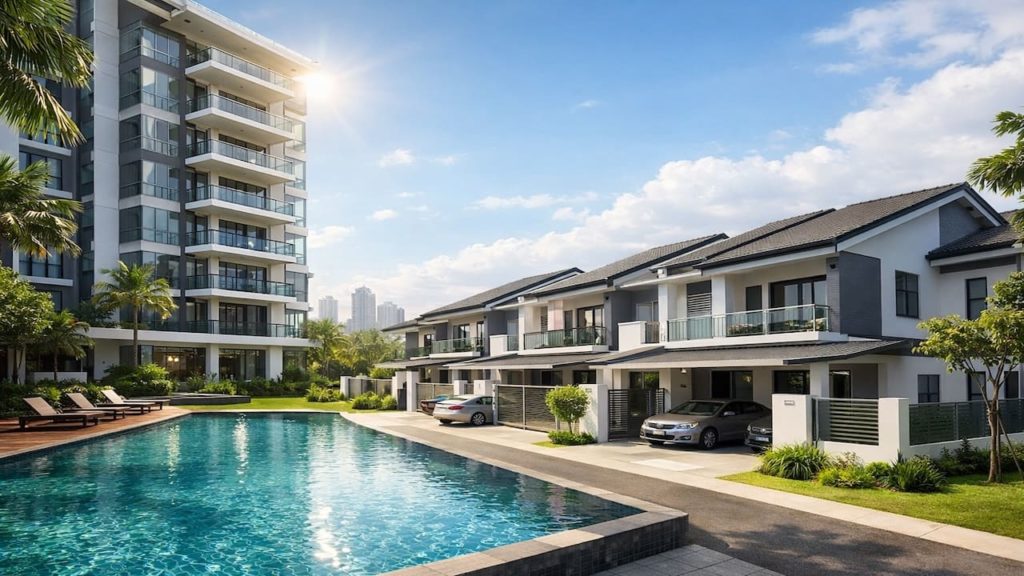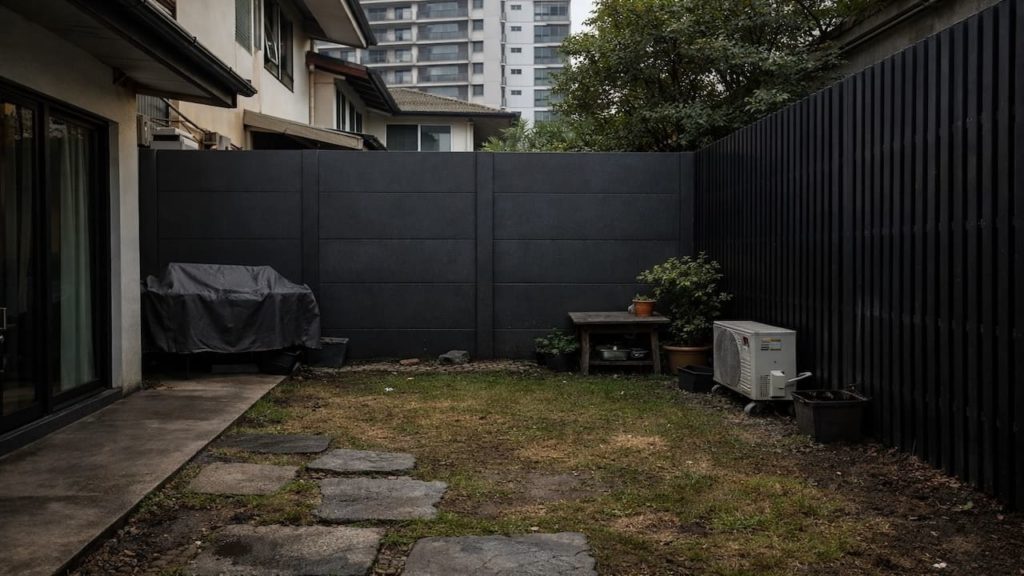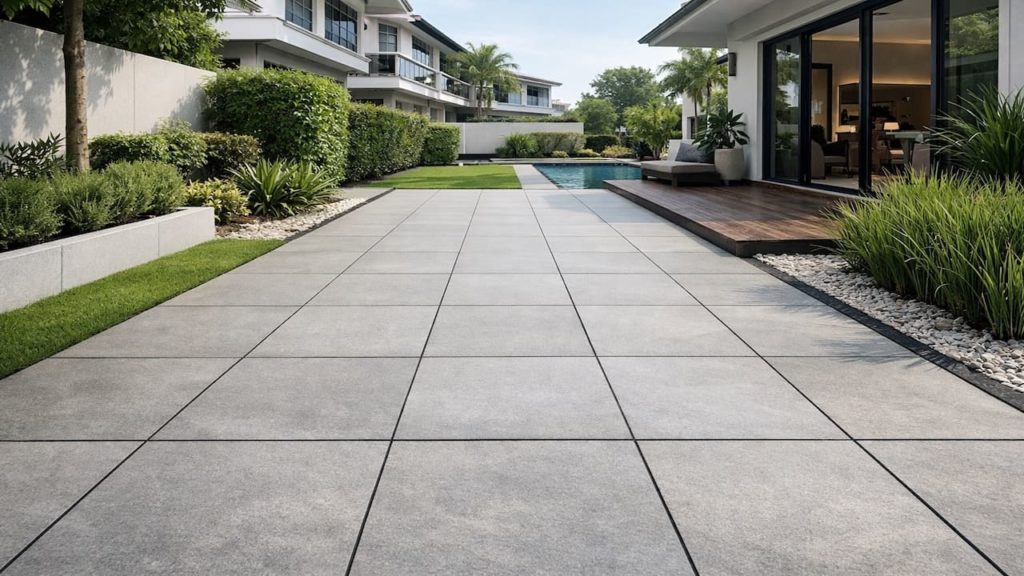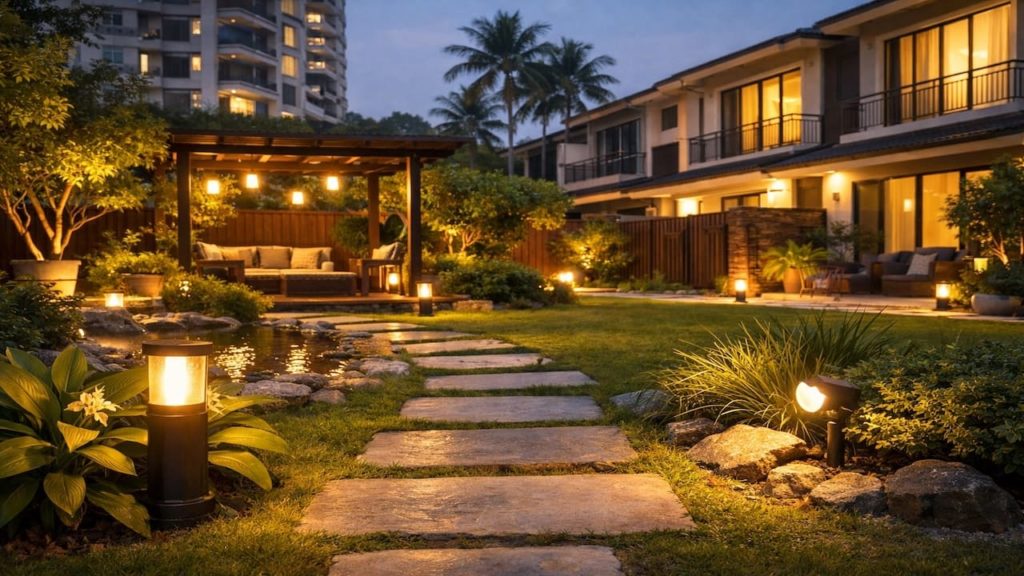
You want more privacy at home, but you do not want a big renovation or a dark, boxed-in feel in your Malaysia terrace yard or condo balcony.
In wet heat, “cheap fixes” can fail fast if they trap water, block airflow, or turn into wobble noise during storms.
In this guide, you’ll learn the cheapest moves that actually work in Malaysia housing, how to stack them in the right order, and what to skip so you do not redo it later.

Hi, I’m Ken. I write practical home guides for Malaysia—no fluff, just what works.
I hold a formal building design qualification and have spent about 20 years on job sites across hundreds of projects. My goal is simple: help you avoid costly mistakes with clear, safe steps—a quick way to decide what to do next.
1. Budget privacy upgrades: 5 steps
Start with sight lines before you spend on materials.
Most privacy problems are about angles, not height—neighbors see you through one specific gap, not the whole yard. Simple geometry. In Malaysia layouts, a small shift in screen placement can block the main view and keep airflow for wet months. Spend money only after you map the problem, because buying panels first often creates waste and extra drilling. Quick wins exist.
- Stand at neighbor angle and mark view gaps
- Measure line of sight from floor level
- Check night lighting that reveals silhouettes
- Note wind direction that hits open corners
- List privacy zones you use every day
Some people say just buy the tallest screen, but height without angle planning blocks breeze and makes damp corners worse—Malaysia humidity punishes that choice. Do the map first. Clarity. Then you buy only what you need.
2. Do the cheapest high impact moves first
Fix lighting and placement before you build new walls.
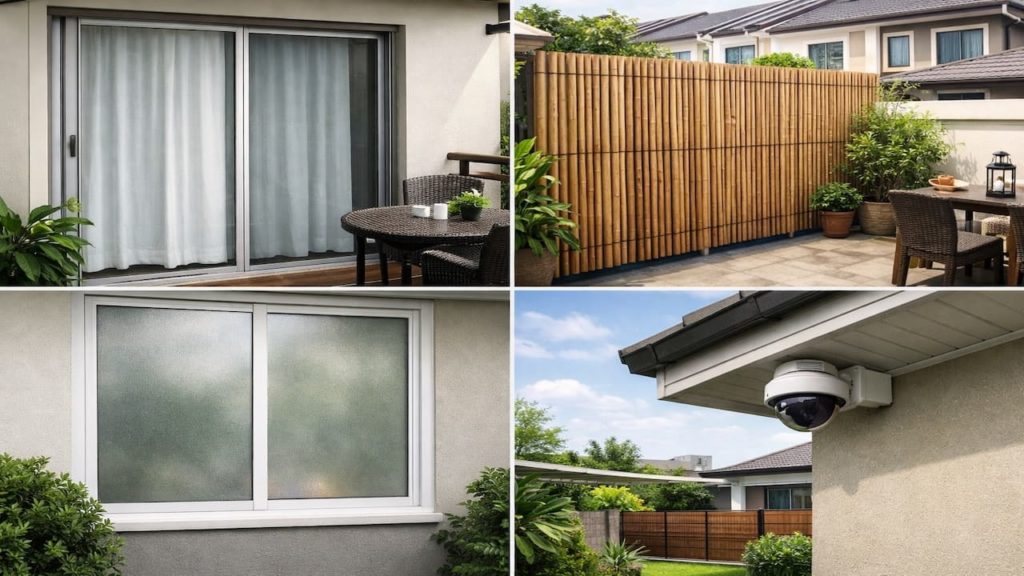
At night, bright indoor light turns windows into a stage, and the “privacy problem” becomes visibility, not distance. Small changes. Curtains, film, and light direction often deliver more privacy than outdoor panels, and cost is mostly time/effort. In Malaysia condos, reducing glare also lowers heat load on rooms facing the sun.
- Move indoor lights away from window line
- Use sheer plus blackout curtain layering
- Add frosted film on lower window sections
- Angle balcony seating away from direct views
- Place tall plants at key sight corners
You may think “curtains are not an upgrade,” but the first goal is to stop the easiest view, fast, with minimal clutter. Fast relief. Then you decide if an outdoor screen is still needed. Do not build stress.
3. Why cheap privacy upgrades fail in wet heat
Budget upgrades fail when they trap damp and block drying airflow.
Malaysia wet months keep surfaces damp longer, so tight screens can create a hidden mold strip behind them. Moisture trap. Once you get algae slick or black streaks, you clean more, and the “cheap” fix becomes a weekly chore that steals time. The common mistake is sealing every gap and forgetting that water must escape somewhere.
- Avoid solid sheets flush against exterior walls
- Leave bottom gaps for drainage and cleaning
- Keep airflow paths around laundry drying zones
- Check splashback marks after heavy rain storms
- Use raised feet to prevent ground soak
People blame products, but the real issue is airflow design and drainage, not branding. Not your fault. In Malaysia, moisture always finds the weakest corner. Make space for drying and you win.
4. How to stack upgrades for the best value
Layer privacy from inside to outside so each step stays cheap.
Start with reversible moves, then add targeted screens only where the view remains, and leave ventilation gaps to prevent damp buildup. Smart order. If you need basic supplies like film, hooks, or small brackets, RM5–20 covers many starter items, while bigger panels are the last step. Spend last.
- Do window privacy first for night visibility
- Add plants to break lines of sight
- Use narrow screens only at key angles
- Upgrade anchors and hardware before taller panels
- Test for airflow and damp after rain
Some people jump to full fencing, but that locks you into a big look and big maintenance, especially in humid weather. Try the layers. If you still feel exposed, then add height in one targeted spot. Small steps beat regret.
5. FAQs
Q1. What is the cheapest privacy upgrade that works immediately?
Light control plus curtains is the fastest fix because it stops night visibility without building anything outside. It also keeps rooms cooler when sun is strong.
Q2. Will plants really give enough privacy?
Yes for many angles, especially when you cluster tall planters at corners instead of lining everything in a row. Choose shapes that do not block airflow.
Q3. Are outdoor privacy panels worth it on a small balcony?
They are worth it when you install only where the sight line is real, and you anchor into solid points. Avoid full solid sheets that trap damp behind them.
Q4. How do I avoid mold behind screens or planters?
Leave stand-off space from walls, keep bottom gaps, and rinse hidden zones after heavy rain. Drying is the goal, not sealing everything tight.
Q5. Should I prioritize privacy or airflow in Malaysia?
Prioritize both by using slats, plants, and angle blocking rather than solid walls. Airflow reduces damp smell and makes the space usable daily.
Pro’s Tough Talk

Listen, I have over 20 years on site and I have done hundreds of different jobs, and “cheap privacy” only works when you stop buying random stuff first.
Cause is 3 things. You chase height instead of angles. You block airflow and trap damp. You use weak mounts so everything rattles after the first storm cycle in Malaysia.
Do 3 steps now. Stand where the neighbor sees you and mark the real gap. Fix light and window visibility first. Then add one targeted screen with proper anchors and drainage space.
This is like wearing sunglasses at night and calling it stealth, like taping a bucket to stop a leak—Block the angle not the whole world and you get privacy without turning your balcony into a damp box.
When you carry laundry and when you rush the bins out, you know the corner that always snags and wobbles, tsukkomi: if you love cheap chaos, at least name it your house mascot.
Summary
Start privacy upgrades by mapping sight lines, then fix night visibility and placement before you buy outdoor screens. In Malaysia wet heat, airflow and drainage keep “budget” from turning into weekly cleaning.
If the space still feels exposed after curtains and plants, add a narrow screen only at the real viewing angle, and anchor it properly so it stays quiet. If damp streaks appear, treat it as a design warning, not bad luck.
Do step 1 and step 2 today and then jump to your related guides on balcony drainage and wall splash marks so your privacy upgrade stays clean and easy.