You finally install a privacy screen or fence, then you notice small gaps, shaky posts, and water pooling where it should not. Those small misses make the whole job feel cheap.
In Malaysia, heavy rain, soft ground, and humidity punish sloppy finishes fast, so a “done” install can start failing within weeks. Good installs are boring because nothing moves and water leaves cleanly.
In this guide, you’ll learn confirm a privacy install that stays solid and drains cleanly by checking posts, gaps, and drainage details so your Malaysia home stays private without repeat repairs.

Hi, I’m Ken. I write practical home guides for Malaysia—no fluff, just what works.
I hold a formal building design qualification and have spent about 20 years on job sites across hundreds of projects. My goal is simple: help you avoid costly mistakes with clear, safe steps—a quick way to decide what to do next.
1. Privacy installation checklist: 5 checks
Use this checklist to catch finish quality problems before they grow into wobble, leaks, and ugly stains in Malaysia wet months.
Most installs look fine from a distance, but the real test is movement, alignment, and water flow. Malaysia rain finds weak spots and turns them into damage lines. The earlier you spot it, the cheaper the fix. A calm perimeter is the goal.
- Push posts and feel any base rocking movement
- Check top line for level and panel alignment
- Measure gaps at base corners and gate edges
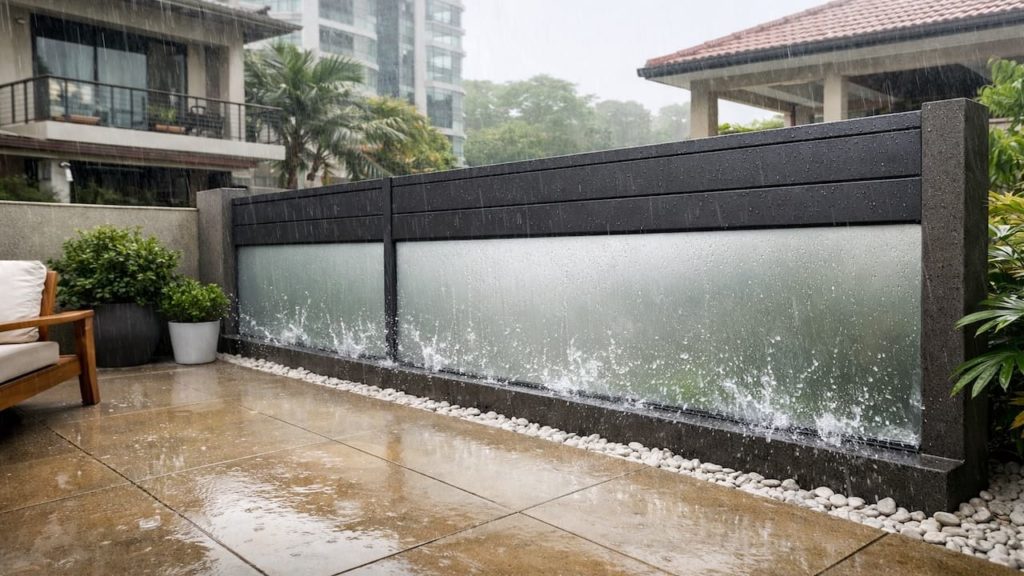
- Pour water and trace drainage exit direction
- Inspect fasteners for rust protection and tight fit
You might think these are “minor,” but minor today becomes a call-out tomorrow. Check now, document, and request correction while it is fresh. Clean finish.
2. Posts, gaps, and drainage finished well
A good install is built on post base strength plus clean gap control so wind and water cannot slowly undo the job.
Posts fail when footings are shallow or the base sits in wet soil that never dries in Malaysia humidity. Gaps fail when panels are cut rough and corners are left open, then pets and rain widen them. Drainage fails when the base line traps water, causing stains and soft ground. If you purchase small items for touch-ups, budget RM10–80 for sealant, screws, shims, and basic rust protection.
- Confirm post depth and concrete collar is intact
- Seal corner triangles and base daylight gaps
- Install caps to stop water soaking into tops
- Set base clearance to avoid constant wet contact
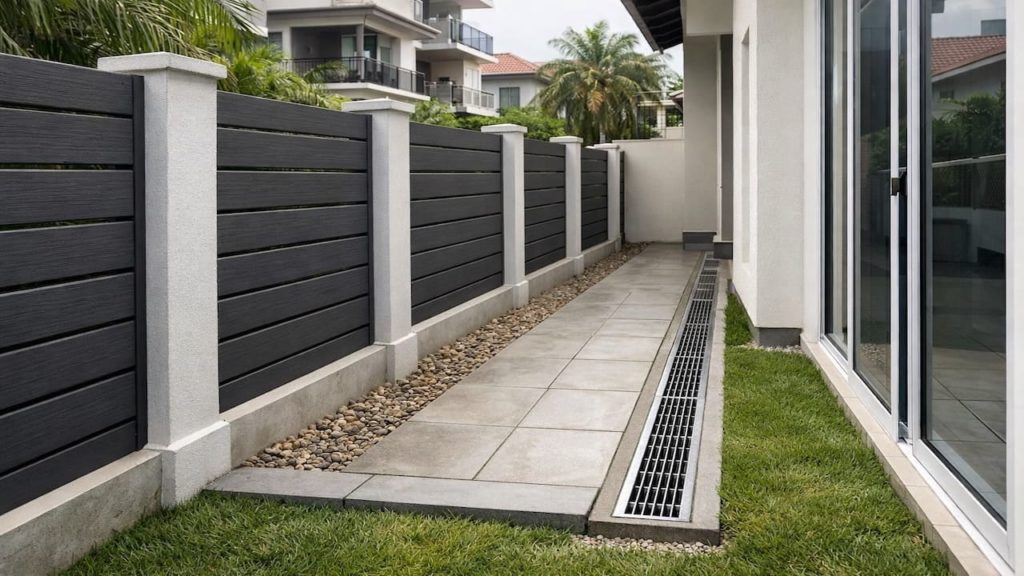
- Ensure runoff slopes away from posts and walls
Some people say “it will settle and be fine,” but settling is only fine when water is managed and posts do not move. Fix the cause, not the excuse. Strong base wins.
3. Why privacy installs fail after the first storms
Most failures happen because wind load and rain attack weak bases, creating repeat movement that loosens everything.
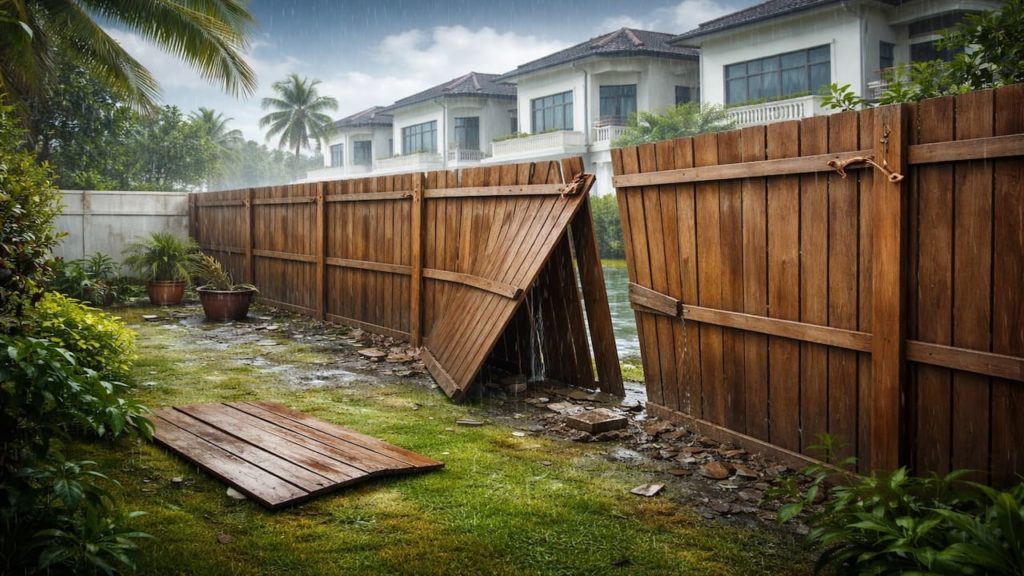
Malaysia rain softens ground, then wind pushes panels like a sail, and bolts start chewing holes larger. Water then pools at the base, stains set in, and posts lean. Humidity speeds rust, so cheap fasteners lose bite. Predictable chain. That is why your first storm is the real inspection day.
- Check for new lean after heavy rain storms
- Look for puddles sitting along the base line
- Inspect bolt holes for widening and oval shape
- Spot rust runs under brackets and screw heads
- Notice panels rattling when wind hits corridor
You may blame the material, but the failure usually starts at the base and the water path. Fix movement and drainage early, and the rest stays quiet. Quiet is quality.
4. How to sign off an install with confidence
Sign off only after you verify no wobble no daylight gaps and clean runoff in Malaysia conditions.
Do your checks after rain or by simulating rain with a hose, because that reveals drainage and splashback issues. Tighten hardware only after posts are stable, or you will just chase looseness later. Budget RM50–250 if you need a contractor return visit, extra brackets, or base repairs, depending on length and severity. Worth it. A clean sign-off saves years of small headaches.
- Video the fence during push test for evidence
- Run water and confirm fast exit with no pooling
- Check gate latch alignment and self close behavior
- Confirm all cut ends are sealed and protected
- Request written fix list and completion date
You might feel awkward requesting fixes, but you paid for a finished job, not a “mostly done” job. Be clear and factual. You protect your home and your money.
5. FAQs
Q1. What is the biggest red flag right after installation?
Any post base movement when you push it by hand is a red flag. In Malaysia wet soil, small wobble grows fast into leaning.
Q2. How small of a gap should I care about?
Any visible daylight gap at the base or corners matters, especially for pets and rain splash. Gaps widen after storms and cleaning.
Q3. Should I inspect during dry weather or after rain?
After rain is best because you can see pooling, runoff lines, and splashback stains. If you cannot wait, simulate with a hose test.
Q4. What should I check on a privacy gate?
Check hinge tightness, latch alignment, and sag after you open and close it ten times. Gate posts take extra load and fail first.
Q5. When is sealant needed on privacy structures?
Seal cut ends, joints, and exposed holes to stop water entry. In Malaysia humidity, sealing helps prevent swelling, rust, and deep stains.
Pro’s Tough Talk

Listen, I’ve been on site for 20+ years and handled hundreds of jobs, and “almost finished” privacy installs fail the fastest in Malaysia rain. I don’t blame you, and I’m not saying every installer is careless, but the structure is cold.
Cause is 3 things. Posts are rushed and set shallow, so the base rocks when the ground gets wet. Gaps are left because cuts are sloppy, so daylight becomes an escape route and a splash route. Drainage is ignored, so water camps at the footing and eats support. Same story.
Do 3 steps now. Push every post and record any movement. Pour water and follow where it sits, then demand a slope fix. Seal the gaps and cap the tops so water stops entering the structure. Done.
This is like paying for a locked door while they leave the window open, like building on sand and acting surprised, so tsukkomi: really? Demand solid posts tight gaps and clean runoff and the install finally behaves in Malaysia storms.
The “first storm and it starts rattling” moment and the “you see puddles at the base again” moment are when you regret signing off early, so inspect now or keep paying later with your weekends.
Summary
A good privacy install has stable posts, controlled gaps, and drainage that moves water away fast, which matters most in Malaysia wet weather. Push test posts, measure daylight gaps, and trace runoff after rain. Simple proof.
If you find movement, pooling, or widening gaps, treat it as a base and drainage fix issue before you accept the job. Fixing small details early prevents leaning, rust, stains, and repeat call-outs.
Do one full perimeter push test today, write a fix list, and then read the next guide on privacy fence wobble prevention and drainage to keep the line solid long term.