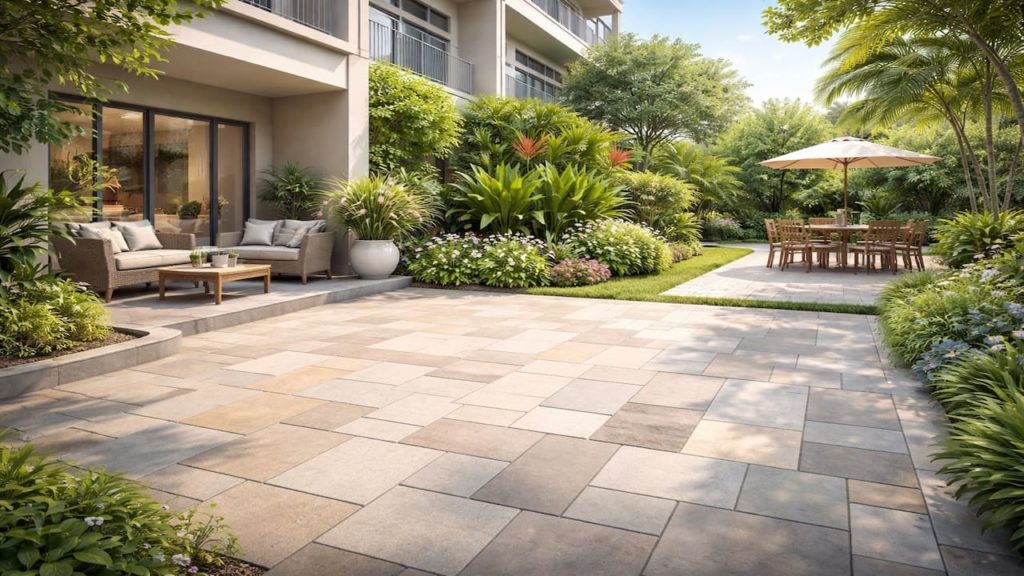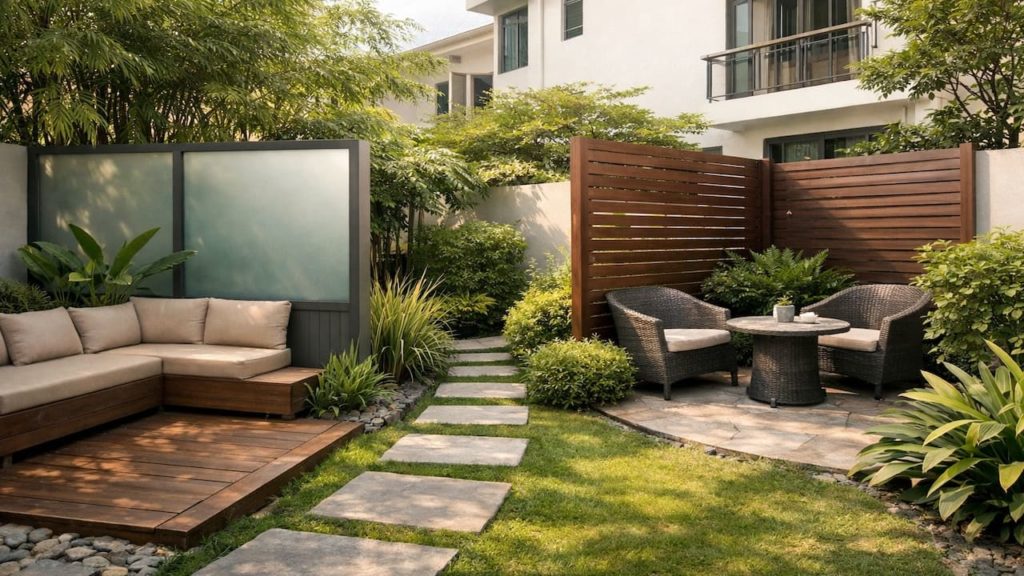
Your privacy problem is usually one corner, one angle, and one daily path that feels exposed in a Malaysia terrace yard or condo balcony.
If you block everything with bulky screens, you lose airflow, you crowd the walkway, and wet-month cleaning becomes a chore.
In this guide, you’ll learn how to block sightlines cleanly while keeping paths comfortable, with checks that work in Malaysia housing layouts and humid weather.

Hi, I’m Ken. I write practical home guides for Malaysia—no fluff, just what works.
I hold a formal building design qualification and have spent about 20 years on job sites across hundreds of projects. My goal is simple: help you avoid costly mistakes with clear, safe steps—a quick way to decide what to do next.
1. Design privacy corners: 5 checks
Design for one angle first and the corner becomes calm.
Most neighbors see you through a narrow corridor, not a wide panorama—so you win by cutting that corridor with a small, smart block. Sightline math. In Malaysia wet heat, corner clutter traps damp and grows streaks, so the best privacy corner stays breathable and easy to rinse. Start with a simple map, then choose the smallest element that breaks the view without shrinking your path. Precision beats size.
- Stand at viewer angle and trace sight corridor
- Mark the exact corner that leaks privacy
- Measure path width to keep daily comfort
- Check airflow so damp does not stay trapped
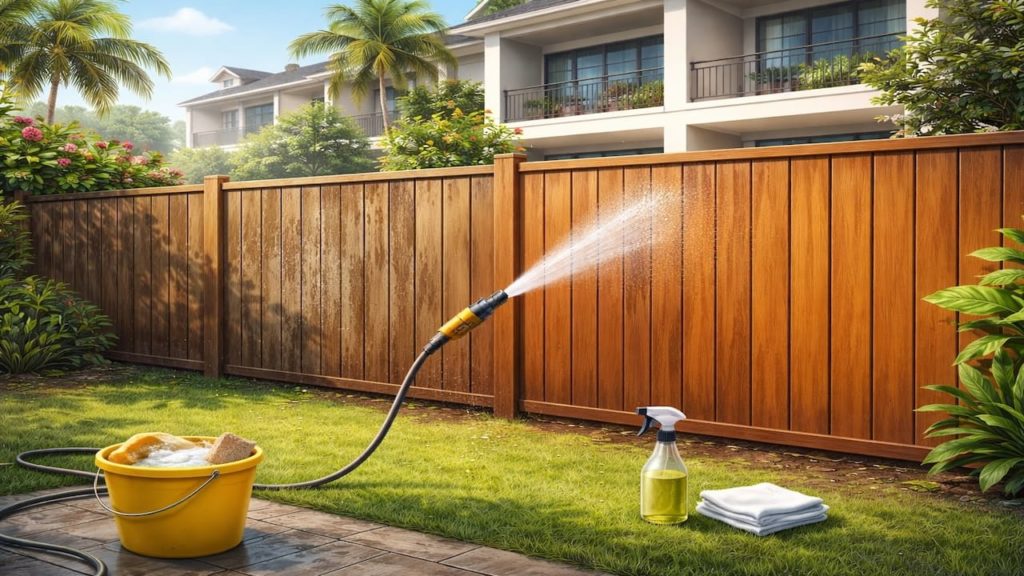
- Plan cleaning access for wet season rinsing
Some people say “just build a full wall,” but full walls often make narrow Malaysia spaces feel tight and hotter. Breath matters. You only need to block the line, not build a bunker. Keep the corner light and it stays usable.
2. Block sightlines without crowding paths
Use layered height so the path stays open.
A tall screen right beside a walkway steals shoulder space, catches wind, and makes the route feel like a tunnel. Path comfort. Instead, combine a low base element and a mid-height layer placed slightly off the path, so the view is blocked from the neighbor angle while your walking lane stays clear. Cost is mostly time/effort, because the biggest improvement is placement, not buying taller panels.
- Keep screen edge offset from walking line
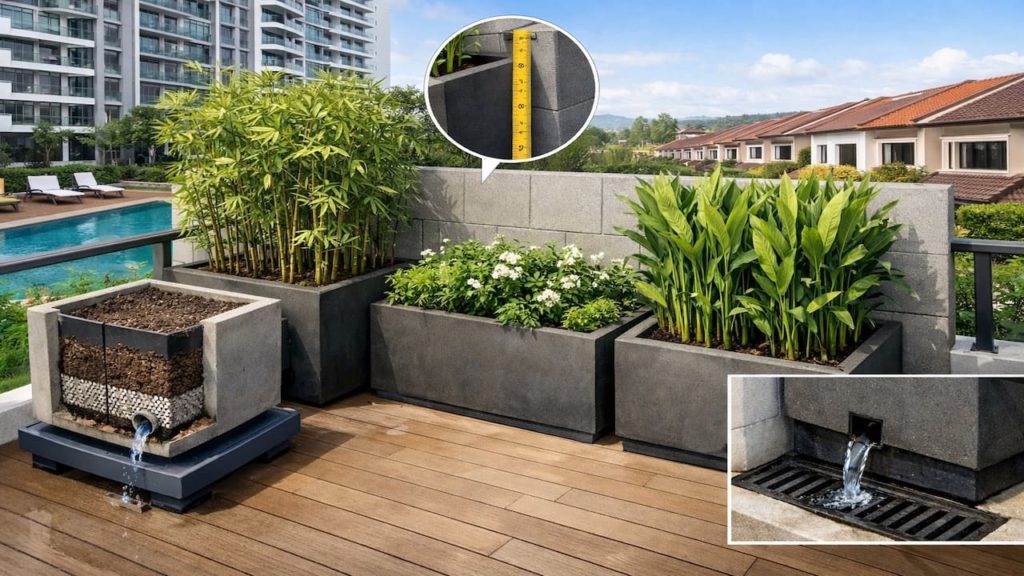
- Use planters to create soft corner buffer
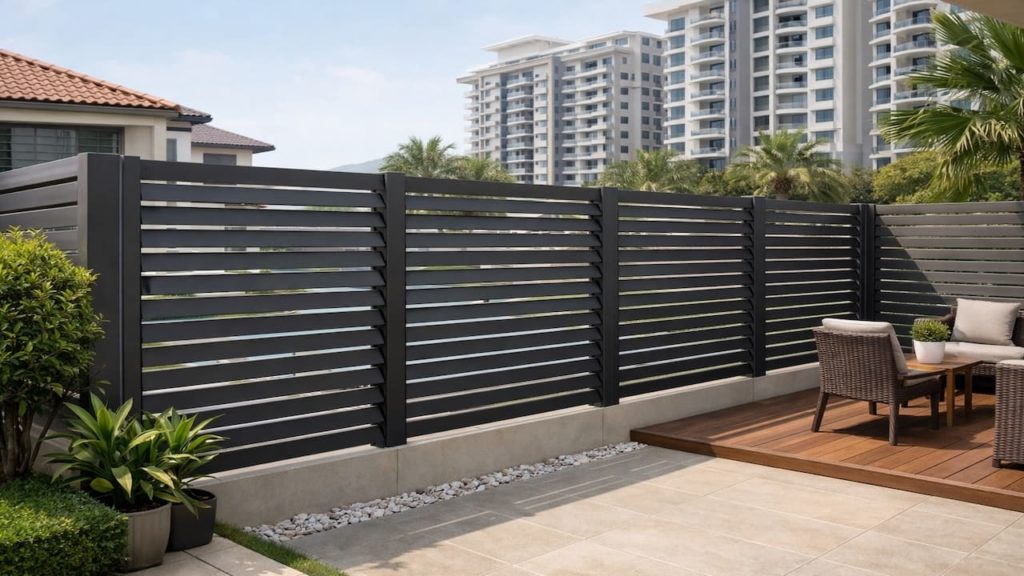
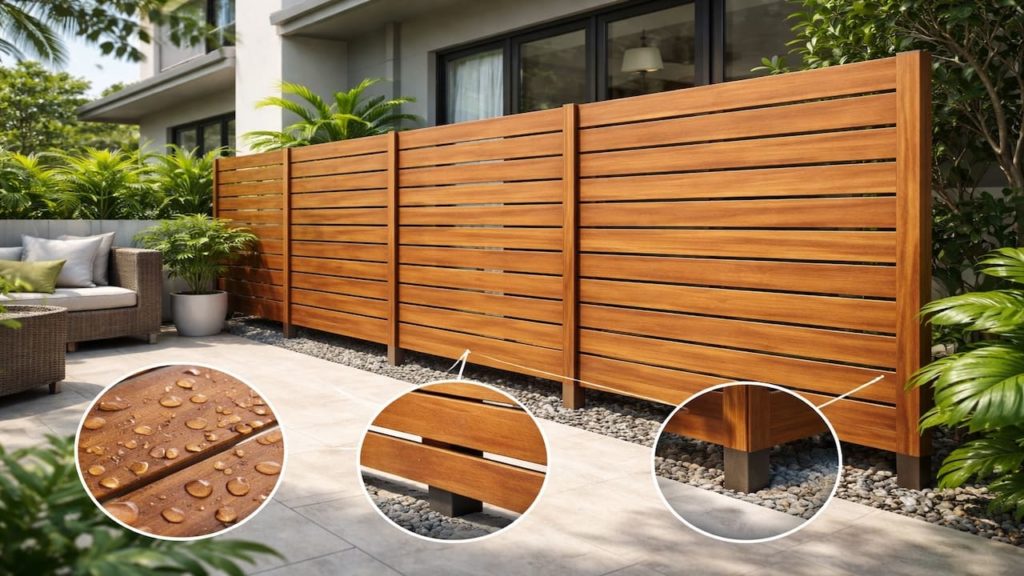
- Choose slats for privacy with airflow maintained
- Avoid sharp turns that pinch shoulder clearance
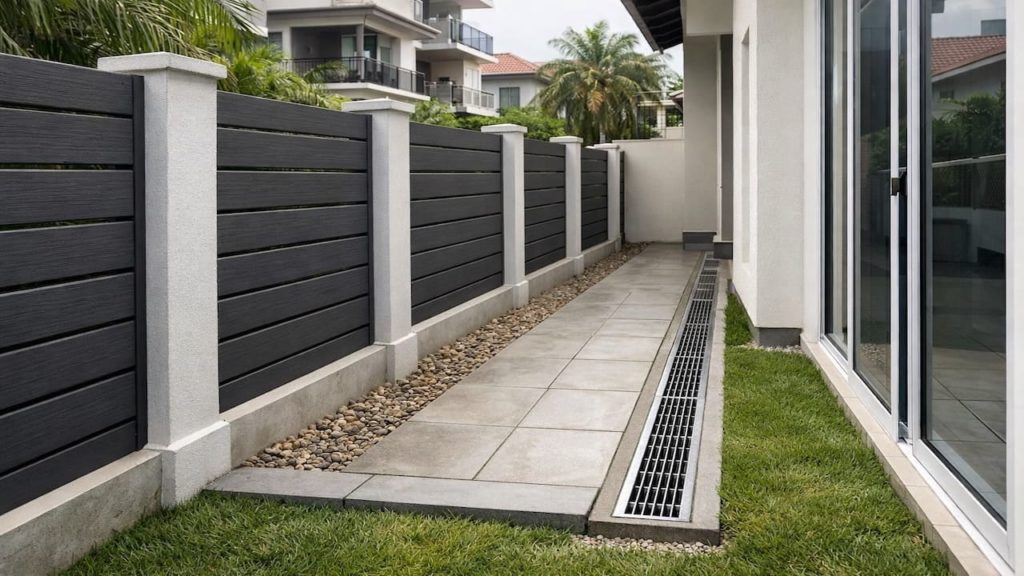
- Leave bottom gap so puddles cannot collect
You might hear “make it flush to the wall,” but flush corners trap damp and create black streaks in Malaysia rainy months. Not worth it. Leave a small stand-off and the corner dries. The path stays safer too.
3. Why privacy corners feel crowded fast
They feel crowded from bad placement not from lack of space.
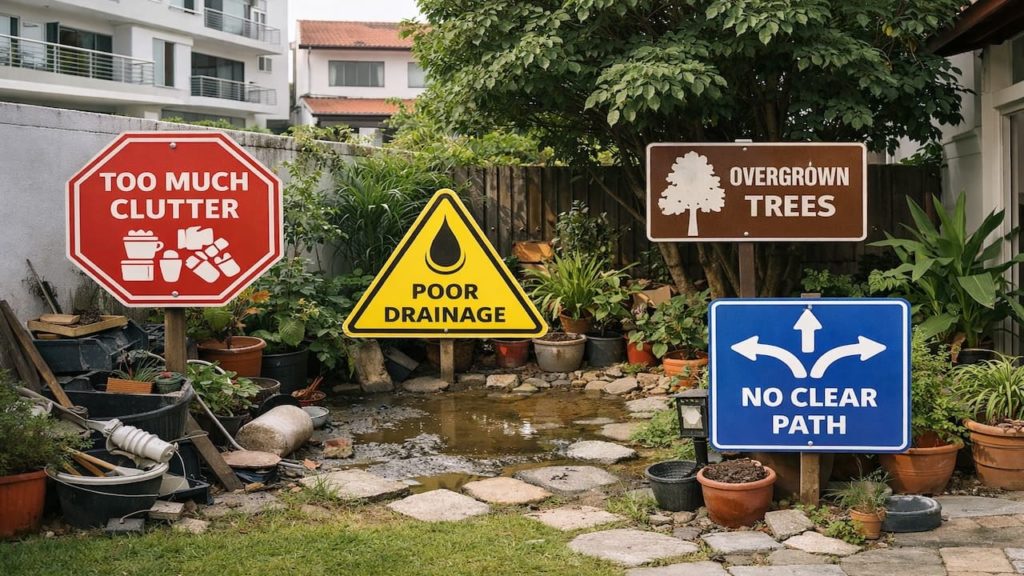
In narrow terrace side yards and condo balcony corridors, a screen placed at the wrong point blocks turning radius, stroller movement, and laundry flow. Movement matters. When the corner becomes a choke point, people bump it, it wobbles, and the whole setup feels annoying instead of premium. In Malaysia, wet tiles and moss film make cramped turns even riskier.
- Check turning radius with laundry basket pass
- Test stroller or trolley clearance through corner
- Watch for door swing and gate swing conflicts
- Look for rain splash zones near the corner
- Identify bump points from daily foot traffic
Some blame the screen size, but even a small panel can feel huge if it sits in the wrong spot. Normal mistake. Move it 20 cm and the path feels twice as wide. Layout is the real tool.
4. How to build a corner that feels private and open
Set the corner in zones and keep the walkway simple.
Make a clear walking lane, then place your privacy element in a separate “buffer zone” that intercepts the sightline. Two-zone plan. Use materials that rinse clean and do not trap water, and keep edges rounded so the corner does not become a bump hazard. In Malaysia wet months, slatted screens plus planter mass often feel lighter than solid sheets and still block views well.
- Draw a clear lane and protect its width
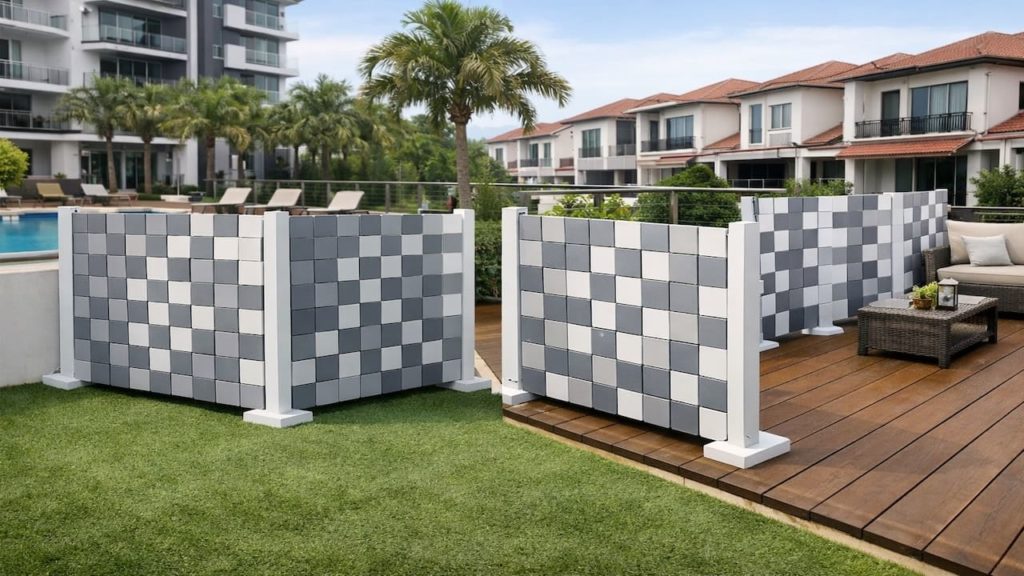
- Place screen at diagonal to cut sight corridor
- Layer planter height to block lower angle views
- Anchor screen so wind cannot shift it
- Keep access gap for cleaning behind corner
Some say diagonal placement looks strange, but from your living angle it reads cleaner and more intentional than a wall stuck on the path. Try it with tape first. If it blocks the view, you keep it. If not, adjust. Cheap testing wins.
5. FAQs
Q1. What is the minimum path width I should keep?
Keep a width that lets you pass with a laundry basket without turning sideways. If you bump the corner today, it will annoy you daily in wet months.
Q2. Should I use plants or screens in the corner?
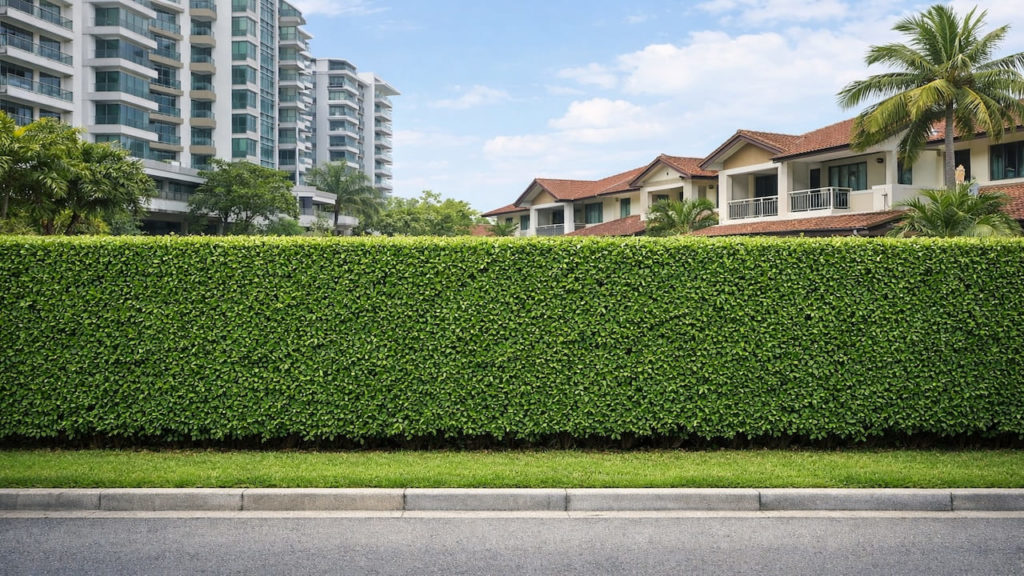
Use both in layers because plants soften the view while a slim slatted screen blocks the main sightline. This keeps airflow better than a solid wall.
Q3. How do I stop the corner from trapping damp?
Leave a small stand-off gap from walls and keep bottom clearance so water can drain and air can move. Corner dryness prevents streaks.
Q4. Where should the screen start and end?
Start where the sightline enters and end just after it, not across the whole wall. Blocking the corridor is the goal, not covering every surface.
Q5. What is the biggest mistake people make?
They place the screen on the walkway edge instead of offsetting it into a buffer zone. That crowds paths and turns privacy into irritation.
Pro’s Tough Talk

Listen, I have over 20 years on site and I have done hundreds of different jobs, and privacy corners fail when you build them like a storage corner.
Cause is 3 things. You block the walking lane. You trap damp air and grow streaks. You install a tall sail that shifts when wind and kids hit it in Malaysia rain cycles.
Do 3 steps now. Stand at the neighbor angle and mark the real sight corridor. Move the screen off the path and set it on a diagonal. Leave a cleaning gap and anchor it so it stays quiet.
This is like parking a fridge in a hallway, like wearing a backpack through a tight door—Protect the walking lane first and the corner suddenly feels bigger and safer.
When you carry laundry and when you drag the bins out, you will slam into the same stupid edge, tsukkomi: if you love bruises, keep it crowded and call it “design.”
Summary
Design privacy corners by blocking the sight corridor, not by building a full wall, and keep airflow for Malaysia wet heat. Offset screens into a buffer zone so paths stay comfortable.
If the corner feels tight or stays damp after rain, move the screen placement, add a stand-off gap, and improve drainage access before adding more height. Crowding is usually a layout issue, not a money issue.
Do the 5 checks today and then read your related guides on budget privacy upgrades and cleaning privacy screens so your corner stays private, open, and easy to maintain.