You searched because sun glare makes your home feel exposed, even when you have curtains, films, or a privacy screen already installed.
In Malaysia, bright afternoon sun, wet-season haze, and reflective condo glass can turn a small window into a mirror that reveals shapes and movement.
In this guide, you’ll learn how to reduce glare while keeping privacy and natural daylight for terrace houses and condo balconies in Malaysia heat and humidity.

Hi, I’m Ken. I write practical home guides for Malaysia—no fluff, just what works.
I hold a formal building design qualification and have spent about 20 years on job sites across hundreds of projects. My goal is simple: help you avoid costly mistakes with clear, safe steps—a quick way to decide what to do next.
1. Sun glare privacy: 5 checks
Check glare and sightlines together to fix privacy without darkness—glare changes what outsiders can see.
Sun glare often makes silhouettes sharper, especially when indoor lights and bright outdoor reflection mix in Malaysia afternoons. Glare map. If you only block the window, you may trap heat and still feel watched from one angle. A few checks help you spend once and avoid layering random fixes.
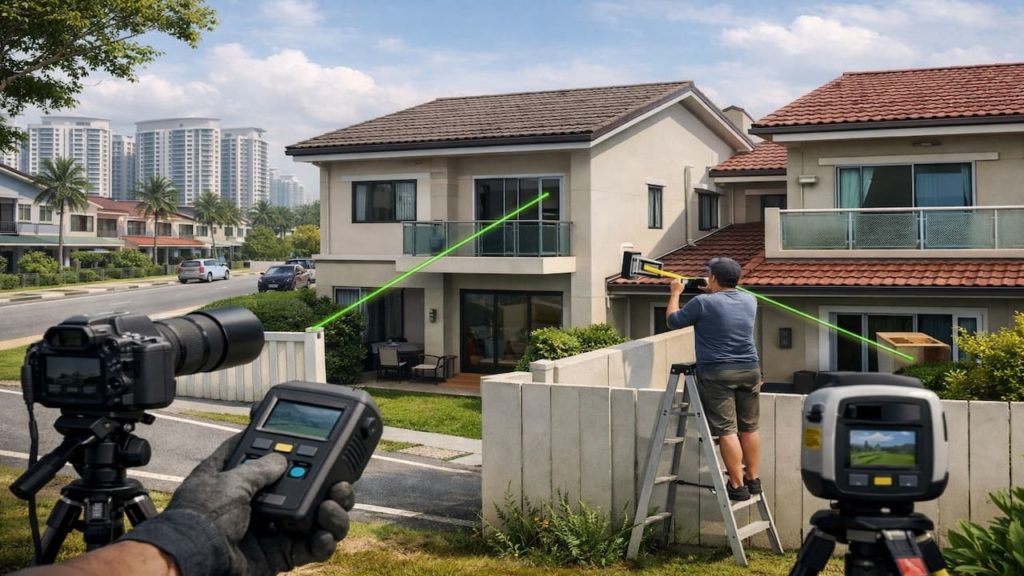
- Check glare angle from road and upstairs windows
- Photograph reflections at morning noon and late afternoon
- Compare inside light levels with curtains half closed
- Identify panels that act like bright mirrors
- Mark the exact time glare peaks daily
You might think glare is just annoyance, not a privacy issue, so you focus on thicker curtains first. In Malaysia sun, reflections can outline people and screens like a spotlight, especially near large glass doors. Do the checks before you buy, then you choose shading that fits your real exposure. Clarity wins.
2. Shade views without making it too dark
Use targeted shading that blocks views while preserving daylight—you want calm light, not a cave.
Overblocking makes rooms feel smaller and can increase damp smell when airflow drops in Malaysia humidity. Comfortable brightness. The goal is to cut the harsh beam and reflective view path, while keeping soft ambient light. When the light quality improves, you also feel less anxious about being seen.
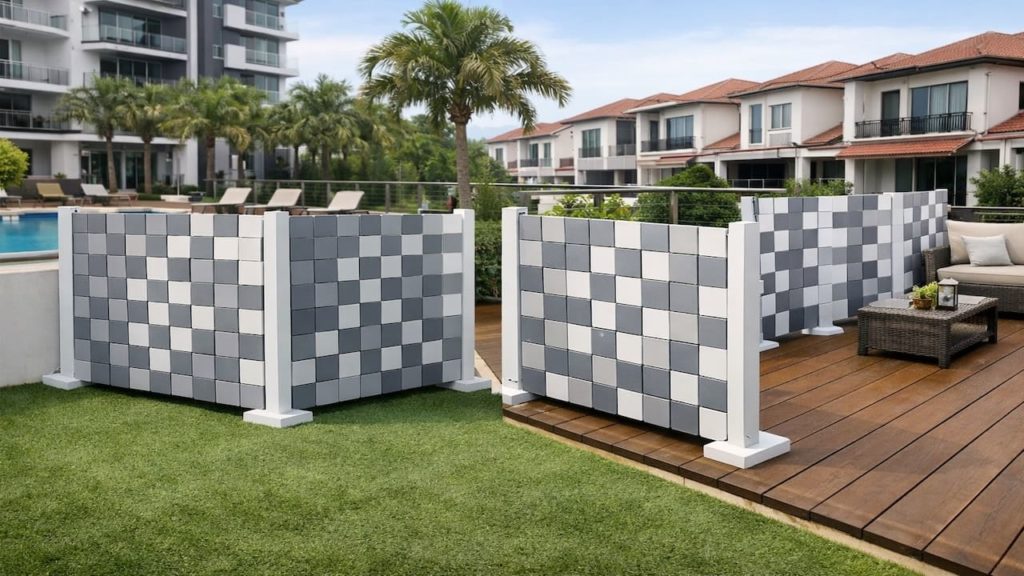
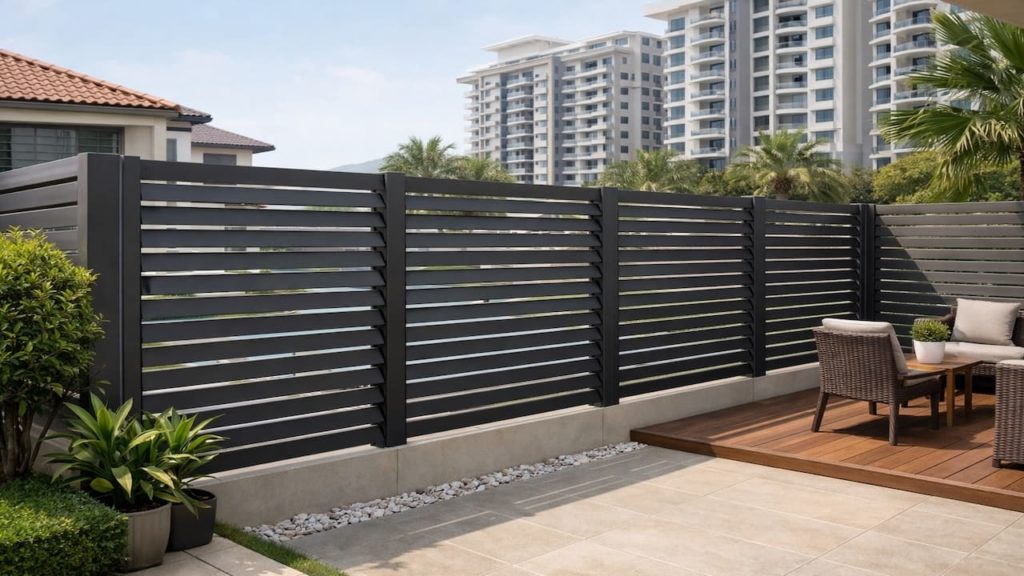
- Add adjustable louvers instead of solid blackout panels
- Angle slats to block faces not sky light
- Layer sheer curtains behind a screen for softness
- Place shade where glare hits not everywhere
- Keep top clearance to let hot air escape
Some people say the only real privacy is full blackout, so just darken everything and relax. That can backfire in Malaysia, because you then turn on lights earlier, and silhouettes become clearer at night. A balanced shade keeps daylight, reduces glare, and still hides the human outline. Quiet control.
3. Why sun glare makes privacy feel worse
Glare boosts contrast and reflection so movement becomes visible—even through small gaps and normal glass.
Glare turns windows into signal panels, especially when outside is bright and inside is shaded during Malaysia wet-season afternoons. Contrast trap. Reflections also attract attention, so people look toward the shine and notice shapes behind it. If you fix contrast and angles, the same window feels calmer without heavy blocking.
- Bright reflections pull eyes toward your windows
- High contrast outlines people behind glass quickly
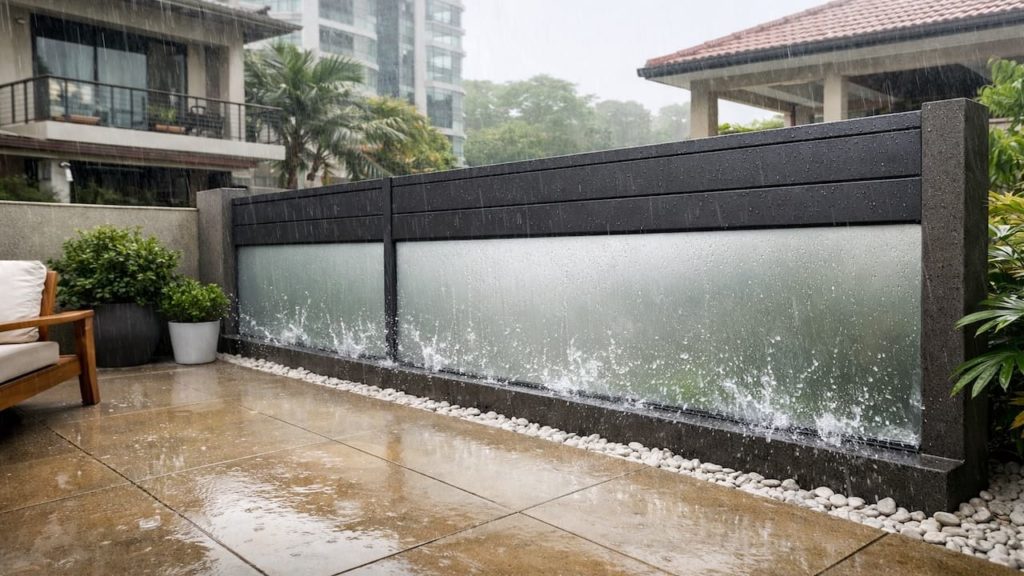
- Wet paving bounce lights into lower window bands
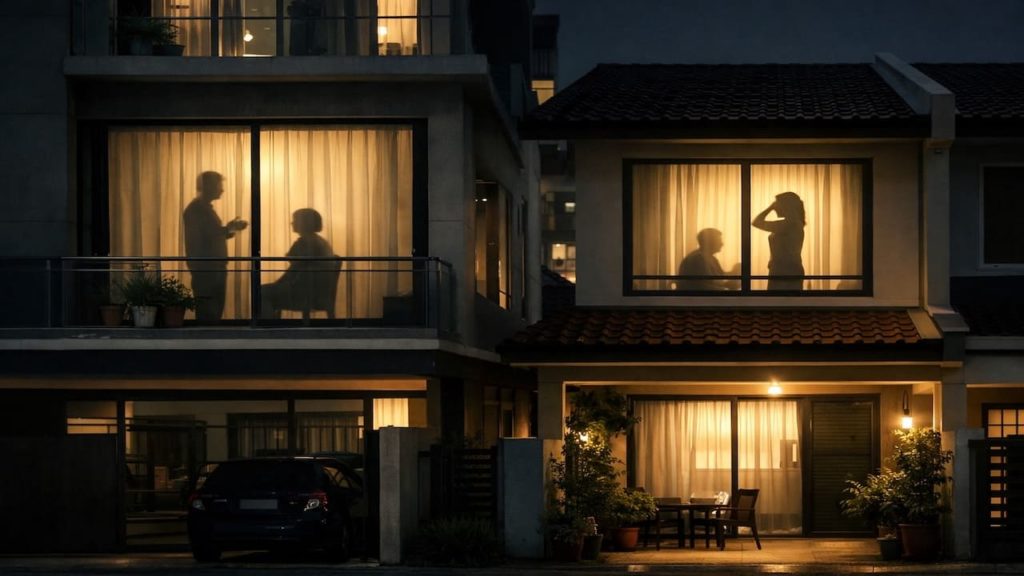
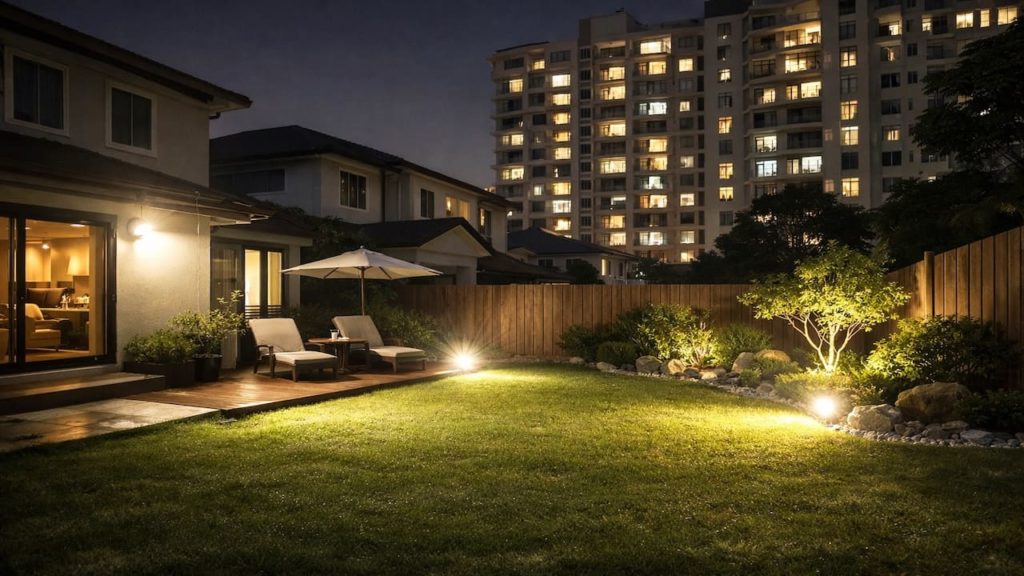
- Thin curtains glow and show silhouettes at dusk
- Bad screen spacing creates bright peek stripes
You may blame neighbors or passersby for looking, but glare is the real amplifier that makes you feel exposed. People glance at shiny surfaces, that is normal. Reduce reflection, reduce contrast, and you remove the attention magnet. Fix the physics, not your mood.
4. How to reduce glare and keep privacy bright
Combine shade angle control with reflection reduction for privacy—then tune light levels so the room stays usable.
Start with one test area, measure the glare time, then apply a reversible solution before you commit across the whole run. Smart spending. If you purchase supplies like adjustable blinds, shade cloth, or window film, RM60–250 is a common range depending on size and quality. In Malaysia humidity, choose materials that resist warping, mold, and peeling edges.
- Test shade cloth position with clips before drilling
- Install adjustable slats to block the peak angle
- Add anti glare film on the most reflective pane
- Move indoor lights away from direct window line
- Seal edge gaps with trims to stop peek lines
You might think adding film alone will solve everything, so you skip screens and slat angles. Film can reduce glare, but it does not block a direct line from a stair landing or balcony edge. Use film for reflection, use angles for sightlines, and you keep the room bright. One system, not random patches.
5. FAQs
Q1. When is the best time to check glare for privacy?
Check in the morning, at noon, and in late afternoon, because Malaysia sun angles change fast across the day. Take a phone photo from outside to confirm what is visible.
Q2. Should I choose curtains, film, or a screen first?
Start with a screen or slat angle if the issue is a direct sightline from street or balcony. Add film if reflections are the main problem and you still want daylight.
Q3. How do I keep privacy without making the room dark?
Use adjustable slats and targeted shading at peak angles so daylight still enters from the sky side. Avoid full blackout unless you also plan better indoor lighting placement.
Q4. Why do silhouettes show more at night after glare fixes?
Indoor lights near windows create backlighting, so gaps and thin curtains glow. Move lights inward and add a soft layer behind the screen to reduce outlines.
Q5. What is the quickest low effort improvement?
Reposition one indoor light away from the window line and test one small angled panel at the main exposure point. Small changes can remove the strongest view line quickly.
Pro’s Tough Talk

Listen, I’ve got 20+ years on site, done hundreds of jobs, and sun glare in Malaysia is the sneaky thief that makes “fine privacy” feel useless.
Cause is 3 things. You ignore the peak sun angle and only think about height. You block too much, then you turn on lights early and glow like a lantern. You leave one exposure line from stairs or balcony edges, and that line ruins everything.
Not your fault, and the contractor is not always bad, but the structure is brutal: cheap specs skip adjustable shading, skip edge trims, and hope you do not notice contrast issues later.
This is like driving into sun with no visor, like wearing sunglasses indoors and calling it comfort Block glare angles and keep daylight soft. Tsukkomi: you hate being seen, but you keep spotlighting yourself.
The “zoom call near the window” moment and the “cooking dinner with the lights on” moment are when you feel watched, so fix the angle today or keep living in your own glass display box.
Summary
Sun glare affects privacy because reflections and contrast reveal movement, so you must check angles and light behavior across the day in Malaysia weather.
If your fix makes the room too dark, you overblocked instead of targeting the peak view line, so switch to adjustable shading and better light placement.
Do one glare photo check today then adjust one slat angle and continue to the guides on slat privacy angles and modern spacing to finish a brighter private setup.