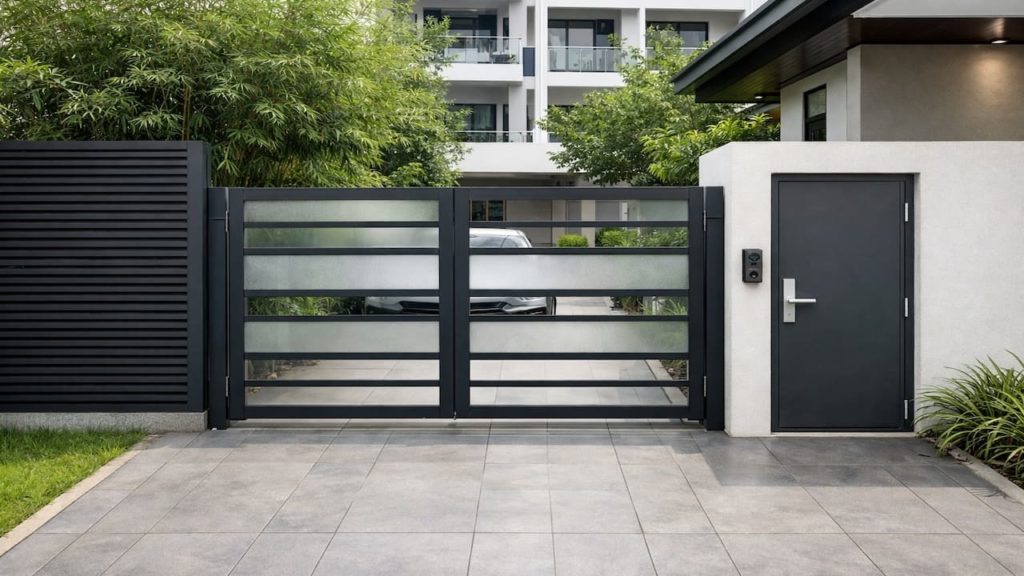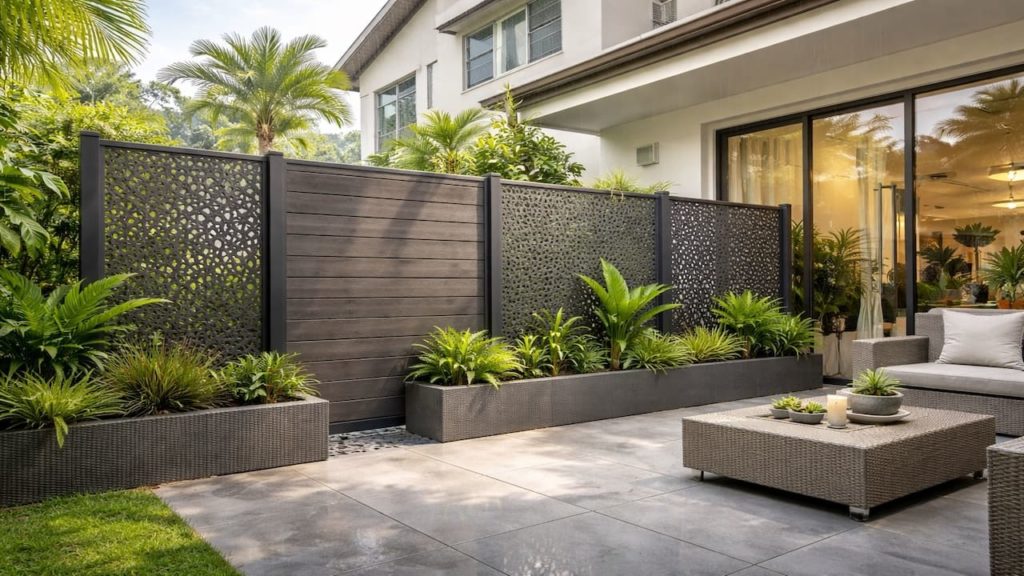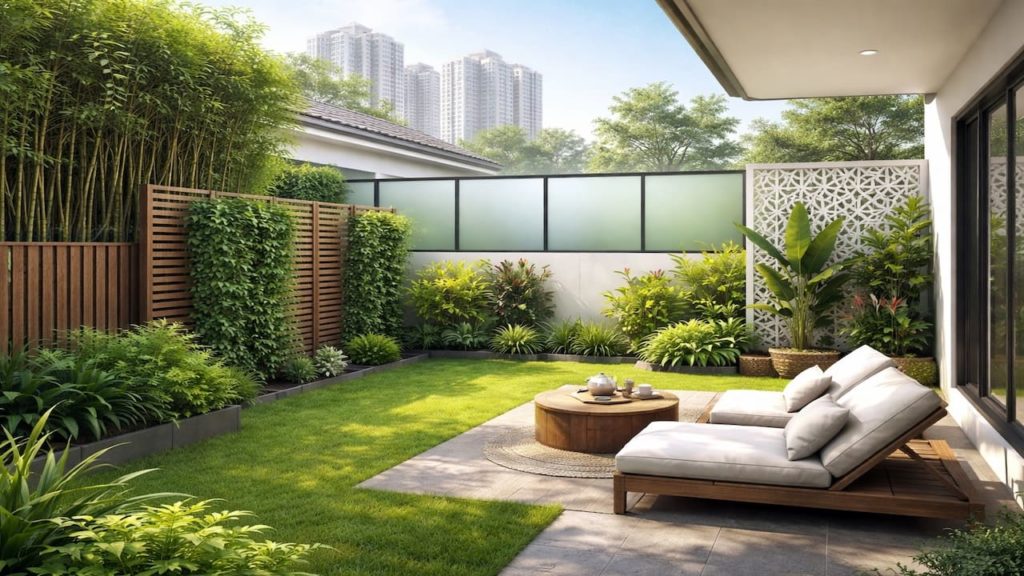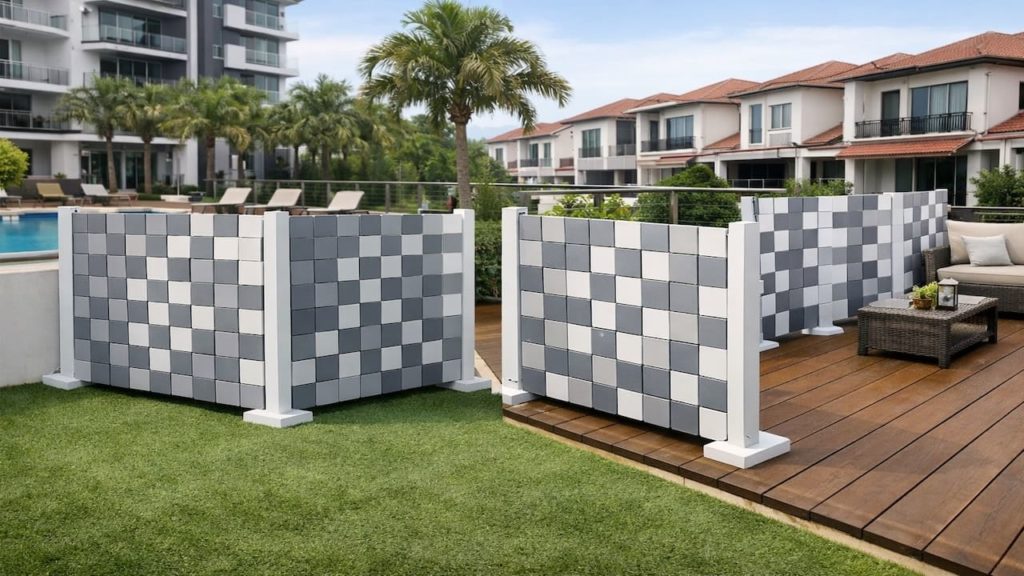
You want privacy screens that protect your family, not screens that add a new hazard in your Malaysia terrace yard or condo balcony.
Wet floors, kids running barefoot, and sudden rain gusts make sharp corners and wobbly bases a real risk, even with “nice” looking panels.
In this guide, you’ll learn what makes screens truly kid safe in Malaysia housing, which details prevent cuts and tip-overs, and what to avoid before you install.

Hi, I’m Ken. I write practical home guides for Malaysia—no fluff, just what works.
I hold a formal building design qualification and have spent about 20 years on job sites across hundreds of projects. My goal is simple: help you avoid costly mistakes with clear, safe steps—a quick way to decide what to do next.
1. Child-safe privacy screens: 5 checks
Kid safe means no tip over and no sharp contact points.
In Malaysia wet months, children move faster than adults react, and slippery corners turn a small wobble into a full fall. Safety first. A screen that stands “okay” in dry weather can tip when a child leans, climbs, or pushes a toy into it. Check stability, edges, and base design before you pick the pattern or color.
- Press top edge to test tip resistance
- Check all corners for rounded edge finish
- Confirm no exposed screws at kid height
- Inspect base width for anti wobble stance
- Verify panel gaps cannot trap small fingers
Some people say “just tell kids not to touch,” but kids touch everything, especially when rain traps them outdoors. Reality. Choose a screen that forgives contact. The safest screen is boring and stable.
2. No sharp edges and stable base fixing
A stable base beats extra height for child safety.
Most injuries happen at the bottom—trip points, sharp brackets, and loose feet near doors and steps. In Malaysia homes, wet tiles and moss film make these edges more dangerous. If you need accessories like corner guards, end caps, or rubber feet, RM5–20 for basic supplies can remove many sharp risk points. Small upgrades.
- Add end caps to cover cut slat edges
- Use rubber feet to reduce slip movement
- Choose recessed fasteners not protruding bolts
- Anchor bases to solid wall or floor points
- Keep bottom gap clear for fast rinsing
You may hear “freestanding is fine,” but freestanding screens drift when kids push toys or bikes past them. Not blame. If you must go freestanding, keep it low and wide, and place it away from play lanes. Stability is the rule.
3. Why kids get hurt around privacy screens
Kids get hurt from hidden protrusions and sudden movement.
Sharp brackets and cut ends are easy to miss during installation, and humidity makes metal fittings rust and become rough. Small hazards. When the screen shifts under pressure, children fall into edges or trip on base plates. In Malaysia rain, slippery floors shorten reaction time, so you need forgiving surfaces and predictable placement.
- Look for metal burrs on cut edges
- Check bracket corners for sharp stamped points
- Test base plate edges for trip potential
- Confirm panels cannot pinch fingers at hinges
- Ensure no climbable horizontal rails near top
Some blame “careless parenting,” but safety design exists because kids explore and adults get distracted. Normal life. Do not fight reality. Build in safety margins and you sleep better.
4. How to install a child-safe screen layout
Place screens out of run lines and lock them to structure.
Choose positions that do not narrow walkways, keep clear turning space, and avoid tight corners where kids sprint and stop. Layout matters. If you do any drilling, anchor into solid points and keep hardware covered, and cost is mostly time/effort. After the first heavy rain, recheck wobble and fasteners, because Malaysia weather reveals weak spots quickly.
- Keep screens away from door swing zones
- Anchor into studs or concrete not thin cladding
- Cover fasteners with caps at child height
- Use rounded corner trims on all exposed edges
- Recheck stability after first storm exposure
Some people prefer tall solid walls for full privacy, but tall solid screens catch wind and become tip risks. If you need height, use slats that let wind pass. Airflow is safety too. Make it stable, then make it private.
5. FAQs
Q1. What is the safest type of privacy screen for kids?
Low and rigid screens with rounded edges and anchored bases are safest because they resist tip over and reduce sharp contact points. Slatted designs also reduce wind push.
Q2. Are freestanding screens safe in a terrace house yard?
They can be safe only if they are wide, heavy, and placed away from play paths. Anchored screens are usually safer in wet months.
Q3. How do I prevent finger pinches?
Avoid hinged panels at kid height or use soft-close hinges and guards. Check gaps at joints so small fingers cannot enter.
Q4. Should I install screens on tiles?
Yes if you anchor properly and prevent slip at the base with rubber feet or fixed brackets. Wet tiles plus a loose base is the danger combo.
Q5. How often should I recheck safety after install?
Check after the first storm, then monthly during rainy season. Malaysia humidity loosens fittings and grows slick film, so quick checks matter.
Pro’s Tough Talk

Listen, I have over 20 years on site and I have done hundreds of different jobs, and kids plus wobbly screens is a setup for a stupid injury.
Cause is 3 things. Sharp cut edges you forgot to cap. Bases that slide on wet tiles. And tall panels that catch wind and move when a child leans.
Do 3 steps now. Run your hand along every edge and cap anything sharp. Push the top to test tip risk and widen or anchor the base. Cover every fastener at kid height and clear the run lanes.
This is like leaving a knife on the sofa and hoping nobody sits, like building a sandcastle and calling it a wall—Make it stable before making it tall and the whole space becomes calmer.
When they sprint with wet feet and when they drag a scooter past it, you know what happens, tsukkomi: if you want a daily heart attack, keep the wobble and call it “decor.”
Summary
Child-safe privacy screens need rounded edges, hidden fasteners, finger-safe gaps, and a base that does not slide or tip in Malaysia wet months. Stability is the main safety feature.
If your screen shifts when pushed, treat it as a hazard and fix the base before you add height or extra panels. If you see rust, burrs, or slick algae film, clean and replace parts early.
Do the 5 checks today and then read your related guides on slip-safe paving and balcony drainage so the whole area stays safer and easier to maintain.