You want metal privacy screens because they look clean, feel modern, and can be slimmer than bulky panels in a Malaysia terrace yard or condo balcony.
But in wet heat, metal fails in two boring ways: rust starts at joints, and wind load loosens fixings until the screen rattles and leans.
In this guide, you’ll learn what to check before you buy so metal screens stay neat in Malaysia humidity, with rust protection and wind handling done right.

Hi, I’m Ken. I write practical home guides for Malaysia—no fluff, just what works.
I hold a formal building design qualification and have spent about 20 years on job sites across hundreds of projects. My goal is simple: help you avoid costly mistakes with clear, safe steps—a quick way to decide what to do next.
1. Metal privacy screens: 5 checks
Check joints and edges first because rust starts there.
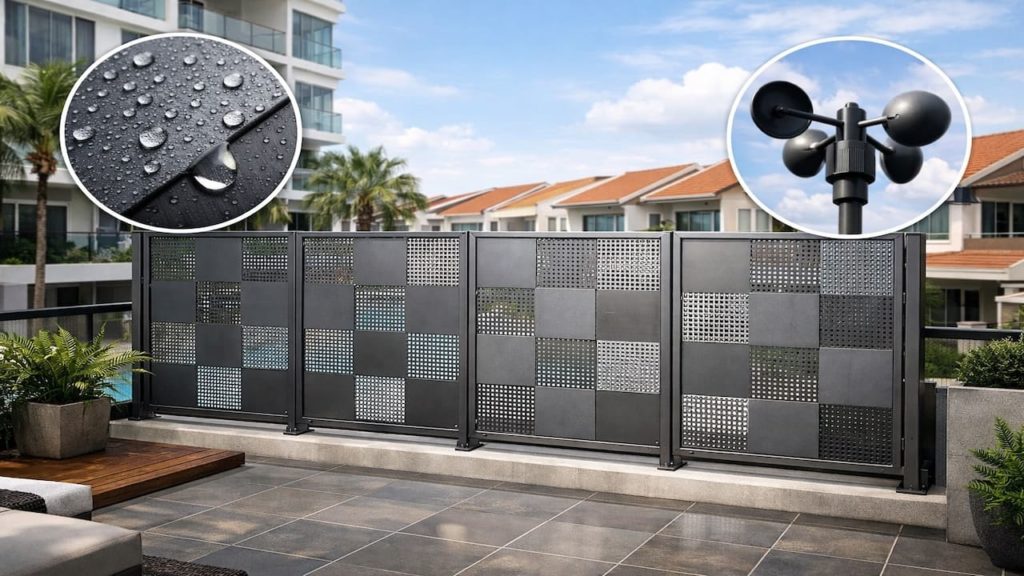
Most “rust proof” claims fail at the cut edges, screw holes, and contact points where water sits and coatings get damaged. Joint reality. Malaysia rain splash and humidity keep those points wet longer, so tiny coating breaks turn into stains fast. A good metal screen has protected edges, drainage paths, and hardware that matches the panel material to avoid galvanic corrosion. Details decide lifespan.
- Inspect cut edges for sealed end caps
- Check screw holes for grommets or coatings
- Confirm hardware metal matches panel metal type
- Look for drainage gaps that prevent water pooling
- Verify panel surface finish is consistent and thick
Some people only look at the face pattern, but the face is not where failures begin. Reality. Flip it, check the back, check the ends. Rust is boring and predictable.
2. Rust protection and wind load matter most
Choose finish plus fixings as one system.
Powder coating can last well, but only when edges are sealed and fixings do not grind the coating off during wind movement. Wind rub. In Malaysia wet months, even small movement at brackets can scrape coatings and open rust points. If you need basic supplies like touch-up paint, end caps, and stainless fasteners, RM5–20 can cover small extras that prevent early rust marks. Small prevention.
- Choose powder coated aluminium for lower rust risk
- Use stainless fasteners to prevent thread corrosion
- Add nylon washers to reduce metal on metal rub
- Keep bottom clearance so splash cannot sit
- Limit panel width to reduce wind sail force
You may think thicker metal solves everything, but thick panels still rust if edges are bare and joints stay wet. Not worth it. Also, bigger panels catch more wind and stress the fixings. Strength is in the system, not only thickness.
3. Why metal screens rust and loosen in wet heat
Rust starts at damaged coatings and loosening starts at movement.
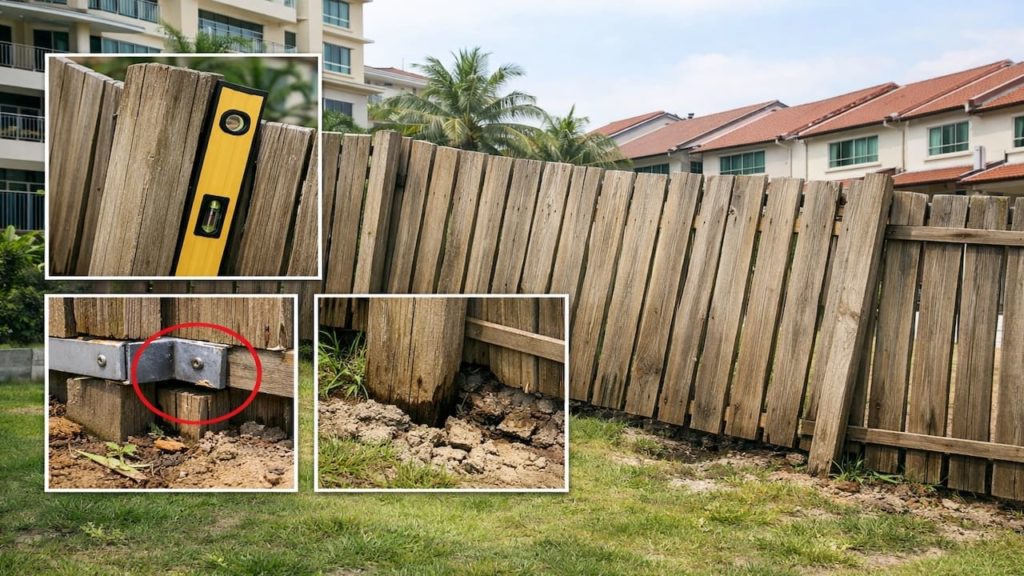
Humidity keeps corrosion active, and water trapped in seams or behind panels dries slowly, so rust spreads from tiny scratches. Scratch pathway. Wind load repeatedly flexes brackets, enlarges holes, and reduces clamp pressure, so screws back out and panels begin to rattle. Once a panel moves, it rubs and creates more coating damage, which accelerates rust. One problem feeds the other.
- Look for rust freckles around bolt heads
- Check for powder coat chips at bracket contact
- Inspect seams where water could sit trapped
- Listen for rattles during wind gusts
- Watch for leaning after repeated rain storms
Some people blame “cheap metal,” but even premium metal fails if wind movement scrapes coatings and water sits in seams. Normal. Your job is to reduce movement and let water escape. That is how you win in Malaysia climate.
4. How to install metal screens for long life
Anchor solid and isolate contact points to stop rub and rust.
Install into real structure, keep panels slightly off walls for airflow, and use isolators like nylon washers to prevent metal-to-metal grinding. Quiet install. cost is mostly time/effort, because careful alignment and drilling prevents future wobble that destroys coatings. After installation, do a hose test for drainage and a push test for movement, then recheck after the first storm cycle.
- Anchor posts into concrete or solid studs
- Use isolating washers at every bracket contact
- Seal cut edges immediately after on site trimming
- Keep stand off gap for airflow behind panels
- Recheck fasteners after first storm exposure
Some installers leave cut edges raw and promise “it is fine,” but raw edges are rust starters in humidity. Do not accept that. Seal edges the same day. Also avoid flush installs that trap damp behind panels. Airflow is your free protection.
5. FAQs
Q1. Is aluminium better than steel for outdoor privacy screens?
Often yes because aluminium does not rust like steel, though it can still corrode if coatings are damaged and salty air is present. Hardware and edge sealing still matter.
Q2. Can I stop rust with spray paint after install?
Touch-up helps only if you clean and dry the area first and the rust is still surface-level. Preventing coating damage and water trapping is more effective than chasing rust later.
Q3. How do I reduce wind noise and rattling?
Use solid anchors, add rubber or nylon isolators, and avoid oversized panels with long unsupported spans. Movement creates noise, noise signals future loosening.
Q4. Should metal screens be installed flush to a wall?
No, a small stand-off gap improves drying and reduces streaks behind the panel. Flush installs trap damp and accelerate staining in wet months.
Q5. How often should I check metal screens in rainy season?
Check after the first big storm, then monthly for loose fasteners and coating chips. Malaysia humidity makes small damage grow fast if ignored.
Pro’s Tough Talk

Listen, I have over 20 years on site and I have done hundreds of different jobs, and metal privacy screens are great until you ignore the two killers in Malaysia: rust points and wind load.
Cause is 3 things. Cut edges are left raw. Brackets rub the coating when wind moves the panel. Drainage is forgotten so water sits in seams and keeps corrosion active.
Do 3 steps now. Inspect every edge and seal any bare metal the same day. Add isolators and tighten into real structure so the panel cannot move. Check drainage after rain and keep bottom clearance so splash cannot sit.
This is like putting a new phone in a wet pocket, like locking a door with a rubber band—Stop movement and seal edges and the screen stays clean and quiet.
When the storm hits and you hear that first rattle, tsukkomi: if you enjoy rust art and noise, skip the checks and call it “industrial style.”
Summary
Metal privacy screens last when cut edges are sealed, hardware resists corrosion, and wind load is controlled so panels do not move in Malaysia wet months. Rust starts at joints and movement makes it spread.
If you see coating chips, rust freckles, or rattling in wind, fix it early by sealing edges, adding isolators, and tightening anchors before holes widen. If water pools at the base, improve drainage and clearance before stains become permanent.
Do check 1 today and then read your related guides on fence privacy mistakes and fence contractor privacy checks so you avoid the same failures twice.