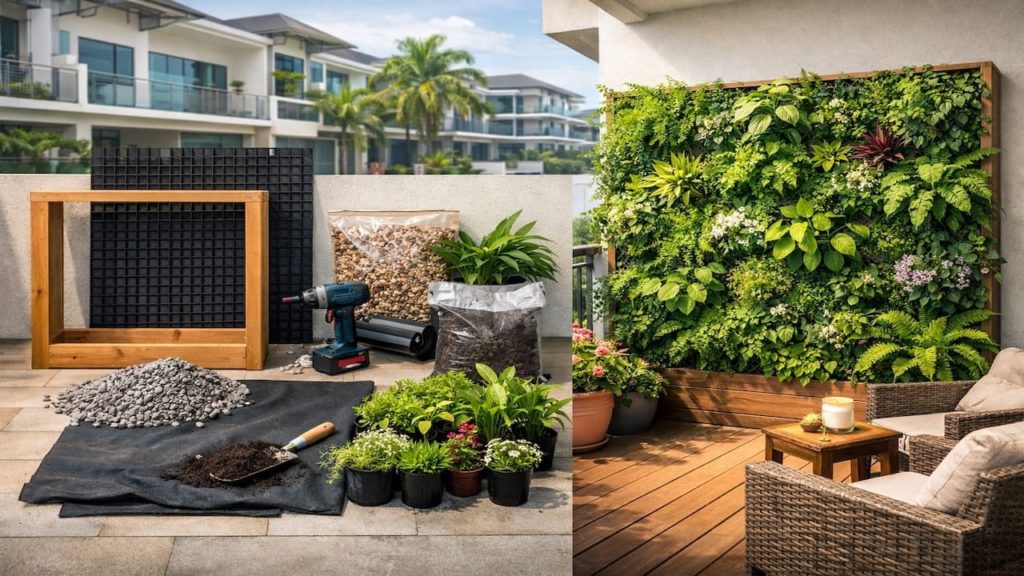
You want a green wall for privacy, but you do not want messy puddles, damp stains, or a slippery corner in your Malaysia terrace yard or condo balcony.
Planter screens fail when water has nowhere to go, soil stays soggy, and the “privacy wall” becomes algae streaks and mosquitoes in wet heat.
In this guide, you’ll learn how to build a planter screen right with drainage-first steps that suit Malaysia housing, so it looks lush without becoming a constant cleanup job.

Hi, I’m Ken. I write practical home guides for Malaysia—no fluff, just what works.
I hold a formal building design qualification and have spent about 20 years on job sites across hundreds of projects. My goal is simple: help you avoid costly mistakes with clear, safe steps—a quick way to decide what to do next.
1. DIY planter screen: 5 steps
Drainage is the foundation for a planter screen that lasts.
Malaysia humidity keeps soil wet longer, and sudden rain can overflow trays in minutes—so drainage planning matters more than plant choice. Water management. A good planter screen drains fast, stays stable in wind, and still allows airflow so leaves dry instead of rotting. If you skip the base and go straight to planting, you will chase smell, stains, and bugs later. Start like a builder, not a shopper.
- Choose a location with safe runoff direction
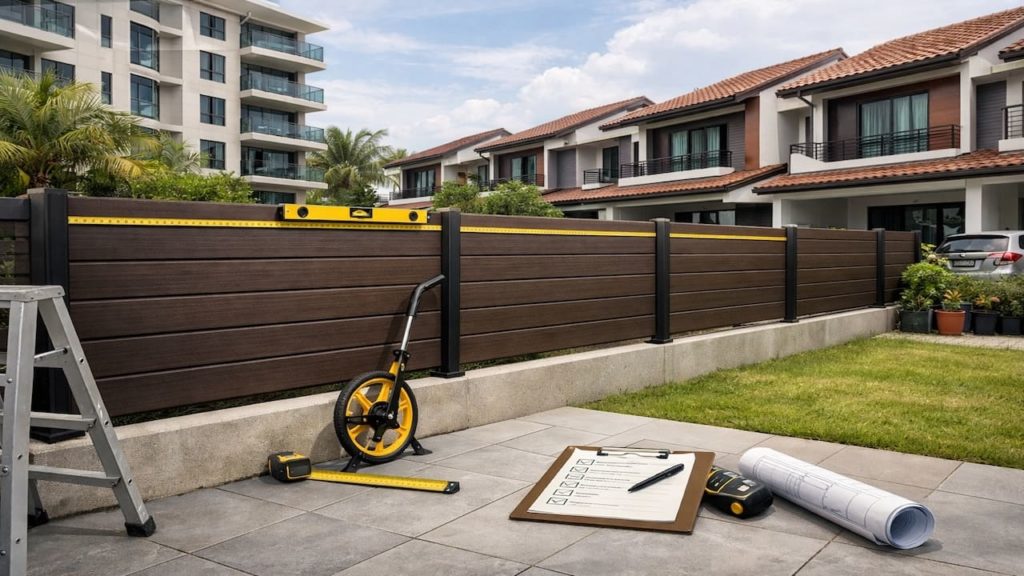
- Measure sightline height needed for privacy
- Plan a stable base that cannot tip
- Confirm access for rinsing and maintenance
- Keep airflow gaps so leaves dry faster
Some people say “plants handle rain naturally,” but containers trap water like a bowl, especially in Malaysia wet months. Reality. Drainage is not optional. Build the exit first, then grow the wall.
2. Make a green wall that drains properly
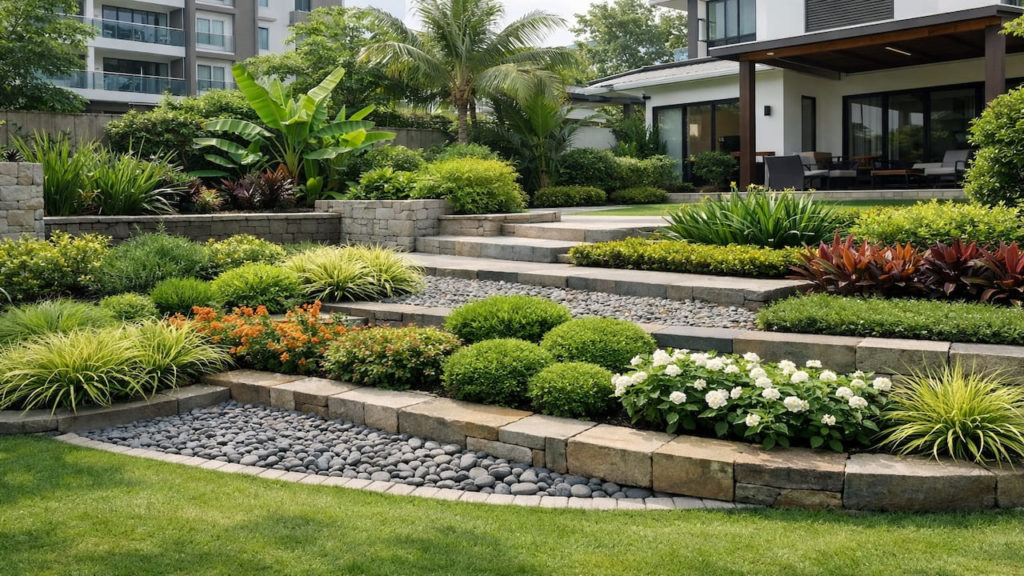
Use layered drainage so overflow never pools on your floor.
You need two drains: one inside each planter and one outside to guide overflow away from paths and walls. Double safety. If you buy basic supplies like pot feet, drain mesh, and a simple runoff tray setup, RM5–20 can cover the small parts that prevent most problems. The big cost is time and effort, not fancy gear.
- Use pots with multiple drainage holes per base
- Add mesh to stop soil washing out
- Raise pots on feet to let water escape
- Angle runoff trays toward a safe drain point
- Keep a splash gap away from walls
You might think a deep tray is safer, but deep trays hold water and turn into algae soup in humid weather. Not worth it. Shallow trays plus pot feet drain faster. Water must leave the system.
3. Why planter screens fail in wet heat
They fail from soggy roots and dirty runoff, not from bad plants.
When soil stays saturated, roots suffocate, leaves yellow, and the wall looks tired instead of lush. Plant stress. Overflow carries soil tea onto tiles, leaving brown stains that turn slick after rain, which is a real risk in Malaysia homes. If trays stay wet, mosquitoes and longkang odors feel closer, even if the drain is outside your unit.
- Watch for constant wet trays after rain
- Check for sour smell from saturated soil
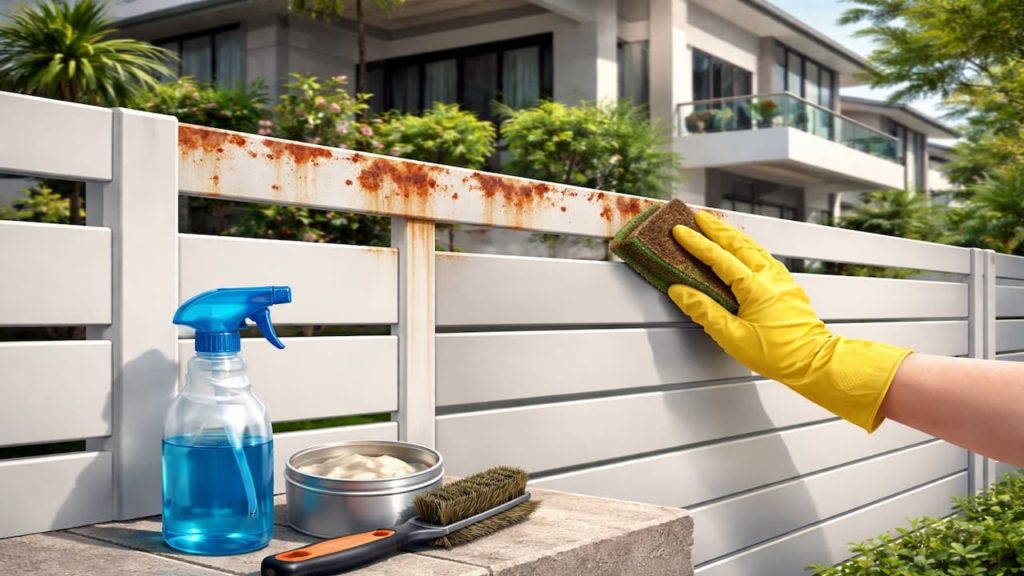
- Look for algae film where runoff dries slowly
- Notice yellow leaves from oxygen starved roots
- Inspect wall splash marks behind the planters
Some blame “black thumb,” but this is usually drainage and airflow, not talent. Normal. Fix water exit and the plants get easier. In Malaysia, humidity makes mistakes show faster.
4. How to build a stable and tidy planter screen
Build it like a fence even though it is made of plants.
Stacking pots looks cute, but it tips in wind and becomes dangerous around kids and wet tiles. Stability matters. Use a simple rack, a row of heavy base planters, or a wall-safe attachment point, and keep your walking lane clear. If you buy a basic rack or brackets, include one RM range once here: RM80–250 is a realistic zone for a simple sturdy frame, while ultra-cheap racks often rust and sway in Malaysia rain cycles.
- Use a wide base row with heavier planters
- Anchor rack to wall studs or concrete points
- Keep bottom clearance for cleaning and airflow
- Place the screen off the walking lane edge
- Group plants by water needs to avoid soggy pots
Some people try to hide everything tight to the wall, but tight placement traps damp and grows streaks behind the screen. Give it a gap. Also keep a clear access lane so you can rinse and check drains fast. Easy maintenance is part of the design.
5. FAQs
Q1. What is the best pot style for Malaysia rain?
Pots with multiple drain holes plus pot feet work best because water escapes quickly after storms. Avoid single-hole pots that clog with roots.
Q2. Do I need trays under every planter?
Not always, but you need a plan for runoff so it does not stain tiles or splash walls. Use shallow trays only when you can drain and clean them easily.
Q3. How do I reduce mosquitoes around planters?
Eliminate standing water by raising pots, clearing tray water after rain, and keeping drains free of leaves. Mosquitoes need still water, so deny it.
Q4. Can I build this on a condo balcony?
Yes, but control runoff carefully so water does not drip to units below. Keep pot weight in mind and anchor frames safely.
Q5. How often should I check drainage?
Check after heavy rain, then weekly during rainy season. In humid months, a clogged hole becomes a problem fast.
Pro’s Tough Talk

Listen, I have over 20 years on site and I have done hundreds of different jobs, and a planter screen is not “cute decor,” it is a wet system in Malaysia.
Cause is 3 things. You trap water in trays. You pack pots tight and block airflow. You build a shaky rack that sways like jelly when storms hit.
Do 3 steps now. Make sure every pot has real drain holes and mesh. Raise everything on feet and give runoff a safe exit. Anchor the frame and keep a cleaning gap so you can rinse and inspect fast.
This is like keeping fish in a bucket and calling it a pond, like wearing socks in the shower—Give water a clean exit and the whole green wall stops smelling and starts looking premium.
When you rush the laundry out and when the kid runs past with wet feet, you do not want a wobble jungle falling on you, tsukkomi: if you want that thrill, go ride a roller coaster instead.
Summary
A DIY planter screen works when you plan drainage inside the pots and outside on the floor, so water never pools in Malaysia wet heat. Keep airflow gaps, prevent soil washout, and keep cleaning access.
If you see wet trays staying full, sour soil smell, or algae streaks on tiles, fix drainage and placement before buying more plants. If the rack sways, anchor it or rebuild the base before it tips.
Do step 2 today and then read your related guides on cleaning privacy screens and design privacy corners so your green wall stays tidy, safe, and easy.