You add privacy screens, then the garden suddenly feels darker, hotter, and smaller. You want cover from eyes, not a boxed-in tunnel.
In Malaysia, humidity makes still air feel heavy, and terrace-house side yards or condo patios rely on daylight and breeze to stay comfortable. If screens block light the wrong way, the space loses its “open” feeling fast.
In this guide, you’ll learn angle privacy screens to block views while keeping light and airflow by checking privacy lines and adjusting placement for Malaysia housing.

Hi, I’m Ken. I write practical home guides for Malaysia—no fluff, just what works.
I hold a formal building design qualification and have spent about 20 years on job sites across hundreds of projects. My goal is simple: help you avoid costly mistakes with clear, safe steps—a quick way to decide what to do next.
1. Privacy lines in a garden: 5 checks
Start by mapping the real sightlines and building angled screen lines that still admit daylight into your Malaysia garden.
Most privacy failures come from placing panels parallel to the fence and hoping for the best. Light and wind do not enter the same way from every direction, and wet season glare changes what feels exposed. Geometry. A few checks show you where to angle screens so they block eyes but not light.
- Stand at road edge and record view line
- Stand at next door gate and note diagonal sight
- Check where morning sun enters the garden zone
- Mark the seating zone and its exposure angles
- Trace airflow path using tissue near openings
You might think taller screens solve it, but height without angle still lets diagonal views through and kills brightness. Angle first, then choose height. Better feel.
2. Angle screens so light still comes in
Angle screens to cut the view channel while keeping light entry gaps that brighten the space in Malaysia humid conditions.
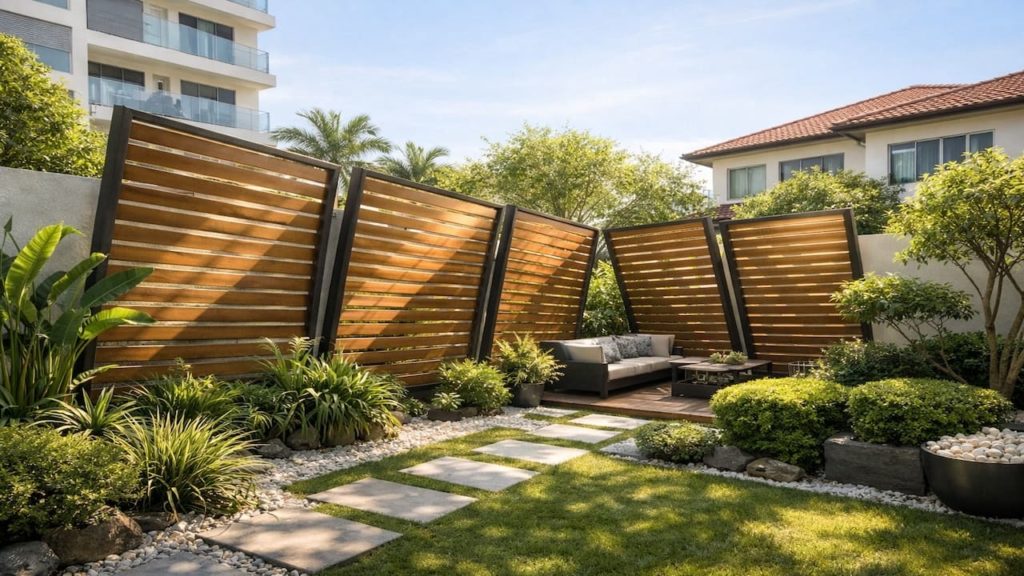
In small terrace gardens, a screen angled 15 to 30 degrees can block the strongest diagonal view without covering the whole opening. Light can still slip in from the side, so the garden feels larger and dries faster after rain. If you purchase supplies, budget RM20–120 for brackets, anchors, and a simple spacer kit. Small cost. Big difference in comfort.
- Rotate one panel to block the diagonal sightline
- Leave a side gap for daylight and airflow
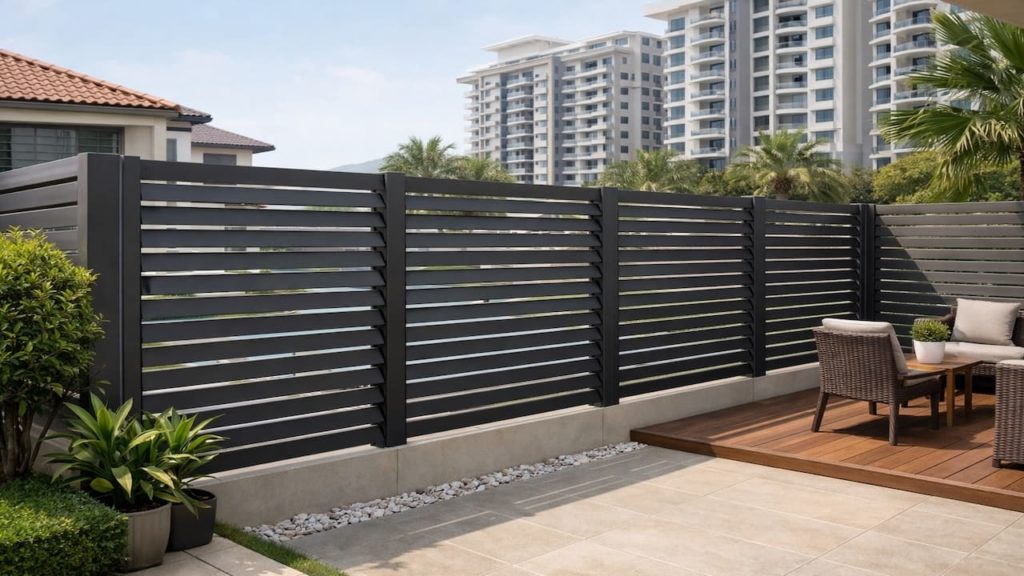
- Use slatted panels to reduce hard shadow blocks
- Set panel height to cover seated eye level
- Anchor posts so angled panels cannot twist
Some people say “just line it straight,” but straight lines often block the sun path and still miss the real viewpoint. Angled panels control both view and light. Smarter build.
3. Why straight screens make gardens darker and still exposed
Straight screens often fail because they create shadow walls and diagonal leaks at the same time.
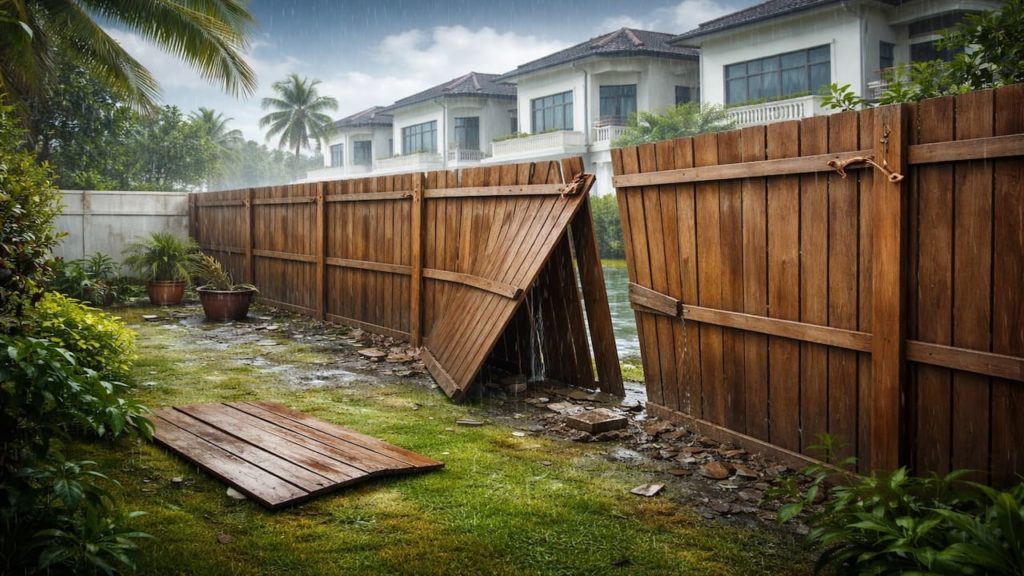
When a panel sits flat to the fence line, it blocks broad daylight but leaves a corner angle open that people can still see through. Malaysia wet surfaces also bounce light differently, making the remaining bright areas look like a spotlight. Contrast. You lose comfort while still feeling watched. That is the worst trade.
- Spot dark zones where plants stop growing well
- Check for diagonal views through corner gaps
- Notice damp smell where airflow is blocked
- Observe strong shadows crossing steps and edges
- Compare exposure when curtains are open at night
You may blame the screen material, but placement usually causes the darkness and the remaining view leaks. Fix the geometry, and the same screen feels twice as effective. Real improvement.
4. How to set privacy lines that keep the garden bright
Set privacy lines using two-stage angled layering that preserves daylight so Malaysia gardens stay airy and usable.
First, block the main diagonal view with one angled screen near the seating zone, then soften the remaining line with planting or a slatted layer. Keep the walking route clear and avoid pushing bulky planters into the path. Budget RM80–350 if you purchase posts, anchors, and one or two panels, depending on length and wind load. Practical. A lighter, brighter garden looks more premium too.
- Mock up angles with cardboard before drilling holes
- Place first panel near living zone boundary line
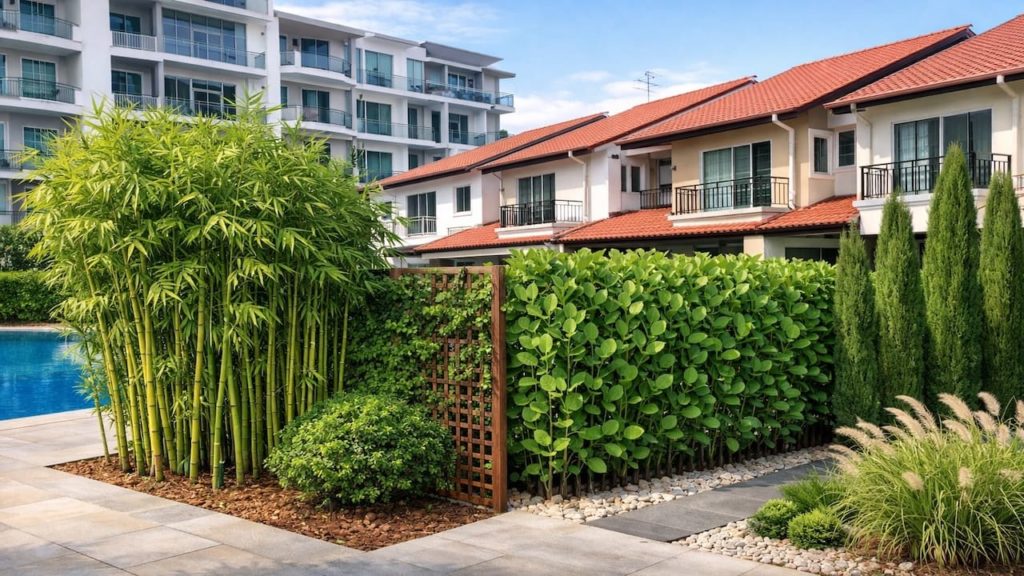
- Add second layer using plants or slatted trellis
- Leave top and side gaps to keep breeze moving
- Test from outside viewpoints before final fixings
You might worry angled screens look odd, but clean alignment and consistent spacing make it feel intentional. The payoff is big: privacy without gloom. Comfort stays.
5. FAQs
Q1. How much should I angle a privacy screen?
Start with a small angle like 15 to 30 degrees and test from the road and next door viewpoint. The goal is to break the diagonal line, not create a wall.
Q2. Will angled screens reduce wind stress or increase it?
It depends on your corridor wind path, but good anchoring matters more than angle. Slatted panels reduce sail effect better than solid sheets.
Q3. How do I keep light if my fence line is already shaded?
Use slatted or semi-open materials and avoid full-height solid panels. Leave side gaps so daylight can enter from the brightest direction.
Q4. Can I use plants to soften angled screens?
Yes, plants behind or beside the panel reduce harsh edges and shadows. Choose placement that does not block airflow in Malaysia humidity.
Q5. What is the fastest way to test privacy lines?
Use your phone camera from outside and move a temporary cloth panel inside. If the cloth blocks the view while light stays, you found the line.
Pro’s Tough Talk

Listen, I’ve been on site for 20+ years and handled hundreds of jobs, and straight screens are how people waste money in Malaysia humidity. I don’t blame you, and I’m not saying every installer is clueless, but the structure is cold.
Cause is 3 things. People build flat to the fence and block the sun, so the garden goes dark and damp. They miss the diagonal view, so they still feel watched anyway. And they ignore airflow, so the corner smells and stains faster after rain. Predictable.
Do 3 steps now. Stand outside and mark the real diagonal sightline that hits your seating spot. Rotate one panel to cut that line, then leave a gap for light and breeze. Finally, anchor it hard so wind cannot twist it back. Done.
This is like wearing sunglasses indoors, like closing windows and complaining about heat, so tsukkomi: really? Angle the screen block the view keep the light and the garden stays bright while privacy holds in Malaysia.
The “you sit down and still feel eyes” moment and the “your plants start dying from shade” moment are when you regret the straight wall, so fix the angle now or keep paying for gloom and no privacy.
Summary
Privacy lines work best when you map real sightlines and angle screens to break diagonal views while keeping daylight and airflow, which matters in Malaysia humidity. Do viewpoint checks, then adjust angle before you commit. Geometry first.
If your garden feels darker after adding screens, the screen is likely too straight or too solid for the light path. Rotate the panel, add slats, and leave side gaps so the space dries and stays comfortable.
Do one outside viewpoint video tonight, angle one temporary panel, and then read the next guide on small garden privacy layering that stays airy to refine your setup without shrinking the space.