You want slat fence spacing that blocks peeking eyes, but you still need airflow in Malaysia wet heat so the area does not turn damp and smelly.
If you space slats wrong, you either get “still visible” gaps or you build a solid wall that traps moisture and grows streaks fast.
In this guide, you’ll learn how to choose slat spacing that stops sightlines while keeping breeze and drainage, with checks that fit Malaysia terrace homes and condo balconies.

Hi, I’m Ken. I write practical home guides for Malaysia—no fluff, just what works.
I hold a formal building design qualification and have spent about 20 years on job sites across hundreds of projects. My goal is simple: help you avoid costly mistakes with clear, safe steps—a quick way to decide what to do next.
1. DIY slat fence spacing: 5 checks
Design spacing for angles not for straight-on photos.
Most peeking happens from the side corridor, stair landing, or a slightly higher eye level, not from a perfect front view. Angle reality. In Malaysia housing, narrow side yards and balcony corridors create long sight tunnels, so a small spacing mistake shows a lot. You want gaps small enough to break the view, but open enough to let wind dry surfaces after rain. Balance.
- Check sightlines from both left and right
- Test peeking from higher and lower angles
- Measure gap width with a simple ruler
- Confirm airflow direction through the corridor
- Plan for rain splash and quick drying
Some people copy spacing from showroom fences, but showrooms do not face Malaysia storms and damp corners. Reality. Your site conditions decide the spacing. Test angles before you commit.
2. Stop peeking while keeping airflow
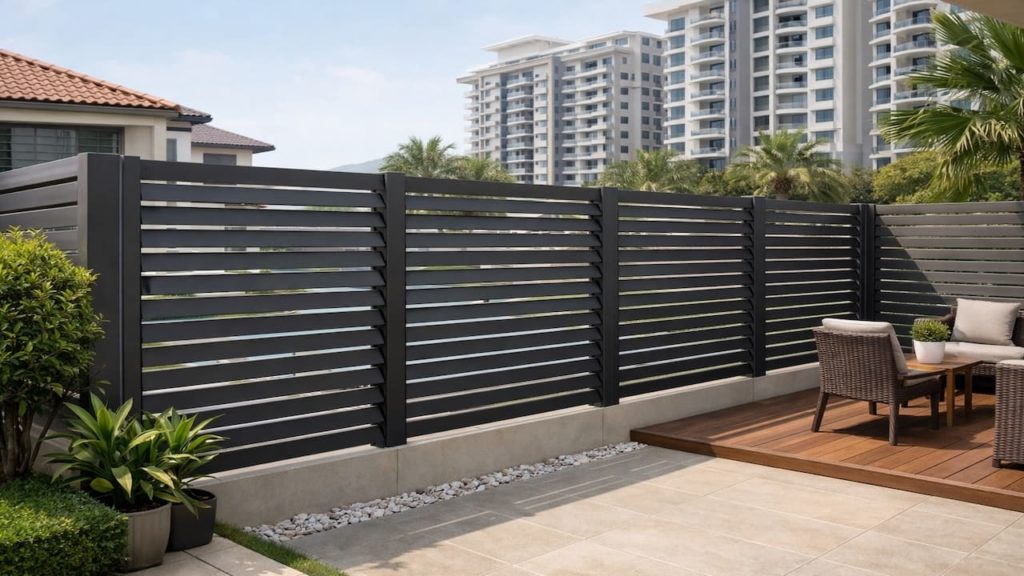
Use overlap or offset instead of closing gaps completely.
If you reduce gaps too much, you create a solid surface that catches wind and traps damp, especially in Malaysia wet months. Moisture trap. A smarter method is to use two layers, a staggered slat layout, or a small overlap that blocks straight sightlines while still letting air pass. For simple spacer blocks and basic fasteners, RM5–20 is often enough to prototype and test spacing before you build the full run.
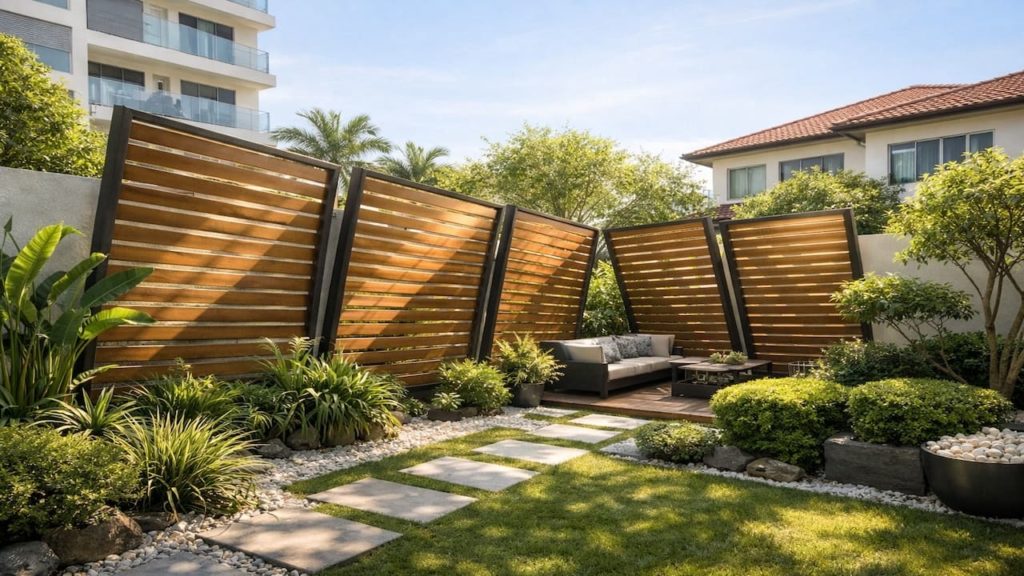
- Stagger slats to block direct sight corridors
- Use a second inner slat row for overlap
- Keep consistent gap with spacer blocks
- Angle slats slightly to reduce direct peeking
- Leave bottom clearance for drainage and rinsing
You may think “zero gap equals best privacy,” but zero gap brings damp streaks, heat, and wind load that loosens posts over time. Not worth it. Offset designs give privacy and keep the breeze. Air is maintenance.
3. Why slat fences still show gaps in real life
Visibility comes from contrast and viewing distance, not just gap size.
Even small gaps can look bigger when bright light comes from behind you, or when the viewer stands far away and the slats line up like a tunnel. Optics. In Malaysia, night lighting can turn interior rooms into a stage, making fence gaps feel worse even if daytime privacy is okay. Spacing is part of it, but angle, lighting, and background color matter too.
- Check night visibility with lights turned on
- Test from neighbor corridor distance viewpoint
- Compare dark slats versus bright background walls
- Notice alignment that creates straight gap tunnels
- Look for glare that highlights gaps after rain
Some blame the builder for “wrong gaps,” but many times the issue is lighting and alignment, not skill. Normal. Fix the view angle and contrast and the same spacing feels more private. Design beats guesswork.
4. How to set spacing that stays consistent and strong
Build a spacing jig so every gap matches.
In DIY builds, inconsistent gaps are the real giveaway, and they also create weak points where slats twist under wind. Consistency matters. Make spacer blocks, pre-mark screw lines, and keep the frame stiff so the spacing does not change over time. cost is mostly time/effort, because measuring and jigs beat buying fancy slats. After install, hose test and wind push test to confirm the fence stays quiet in Malaysia weather.
- Cut identical spacer blocks for each gap
- Mark screw lines with a chalk guide
- Use mid rails to stop slat bowing
- Pre drill holes to prevent slat splitting
- Recheck spacing after first storm cycle
Some people eyeball spacing and hope, but small errors stack and become obvious when sunlight hits. Reality. A jig makes it faster and cleaner. Also keep bottom gaps so water can rinse out, not sit. Dry base means stable posts.
5. FAQs
Q1. What gap size stops peeking best?
There is no universal number because angles and distance change everything, so test with a mock panel first. Use overlap or stagger if you need strong privacy.
Q2. Should I use vertical or horizontal slats?
Both can work, but horizontal slats create “ladder” lines kids may climb, while vertical slats feel safer. Choose based on safety and wind load.
Q3. How do I keep airflow if I need strong privacy?
Use staggered slats, angled slats, or a double layer so air passes while sightlines break. Avoid solid sheets in wet heat.
Q4. Why do gaps look bigger at night?
Interior lights increase contrast and make small openings glow. Control lighting and add a second layer where the night view is worst.
Q5. How do I stop gaps from widening over time?
Use a stiff frame, mid rails, and rust-resistant fasteners, then re-tighten after the first storm. Movement widens holes and spacing changes.
Pro’s Tough Talk

Listen, I have over 20 years on site and I have done hundreds of different jobs, and slat spacing is where DIY fences get exposed fast.
Cause is 3 things. You copy a pretty photo and ignore your neighbor angle. You close gaps and trap damp in Malaysia humidity. You eyeball spacing and the fence looks drunk by the third panel.
Do 3 steps now. Mock one panel and test peeking from both sides and higher angles. Use spacer blocks and a jig so every gap matches. If privacy is still weak, do stagger or overlap instead of zero gap.
This is like trying to hide behind a curtain with holes, like building a roof with missing tiles—Break the sightline not the airflow and the fence stays clean and comfortable.
When the rain hits and when the porch light turns on at night, you will see every mistake glowing, tsukkomi: if you want that show, sell tickets.
Summary
DIY slat fence spacing should be chosen by real viewing angles, and the best solution often uses stagger or overlap to block peeking while keeping airflow. In Malaysia wet months, airflow and bottom clearance prevent damp streaks and make cleaning easier.
If gaps still feel visible, test at night with lights on, adjust contrast, and add a second layer only where the sightline is strongest. If gaps widen over time, stiffen the frame and upgrade fasteners before the posts loosen.
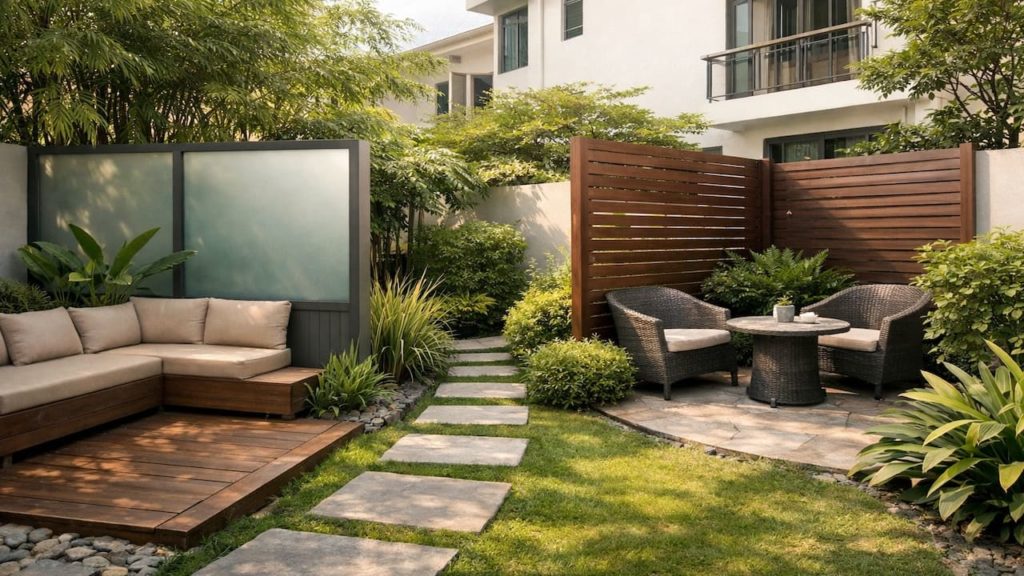
Do the 5 checks today and then read your related guides on DIY privacy screens and design privacy corners so your fence stays private without crowding your space.