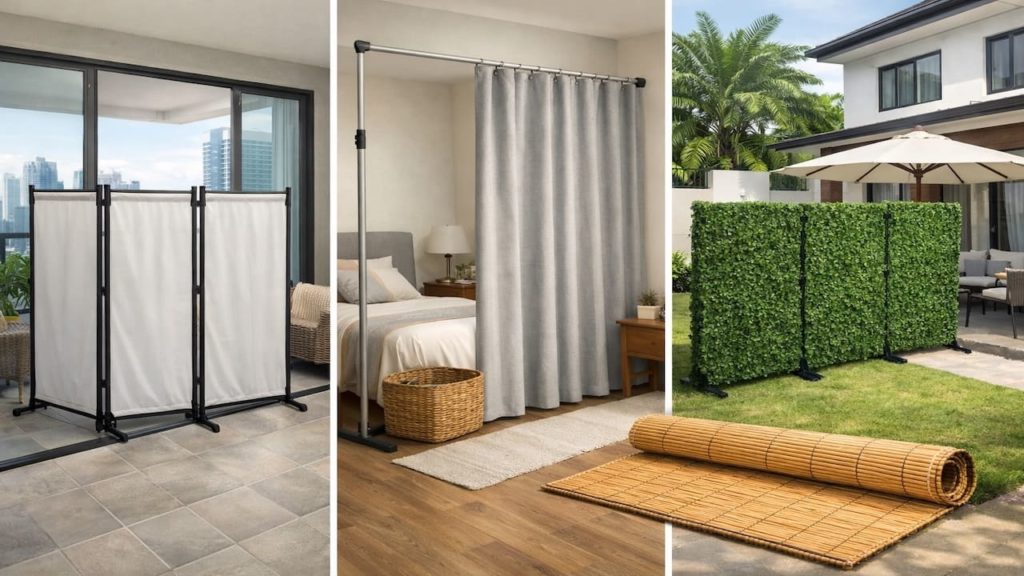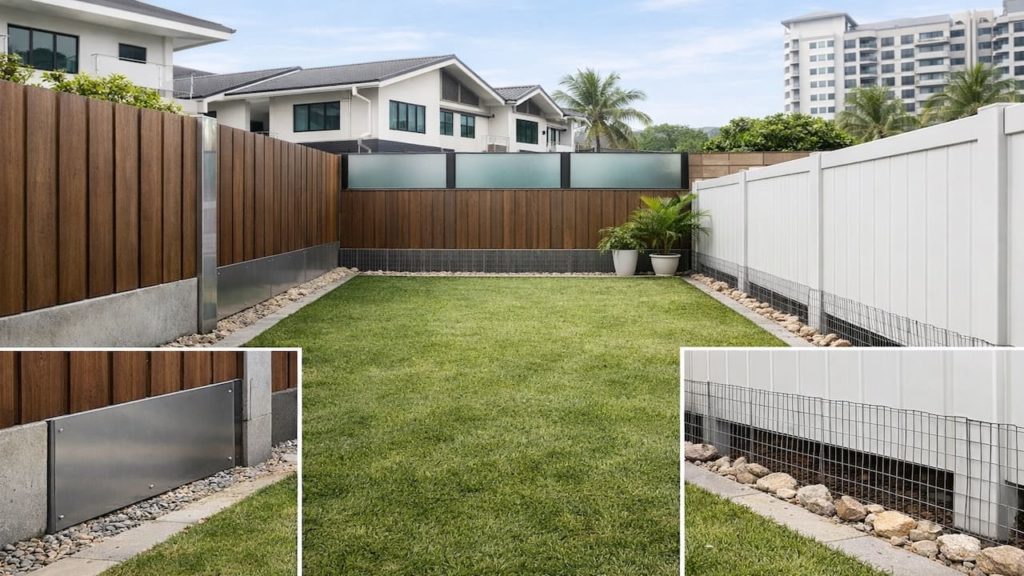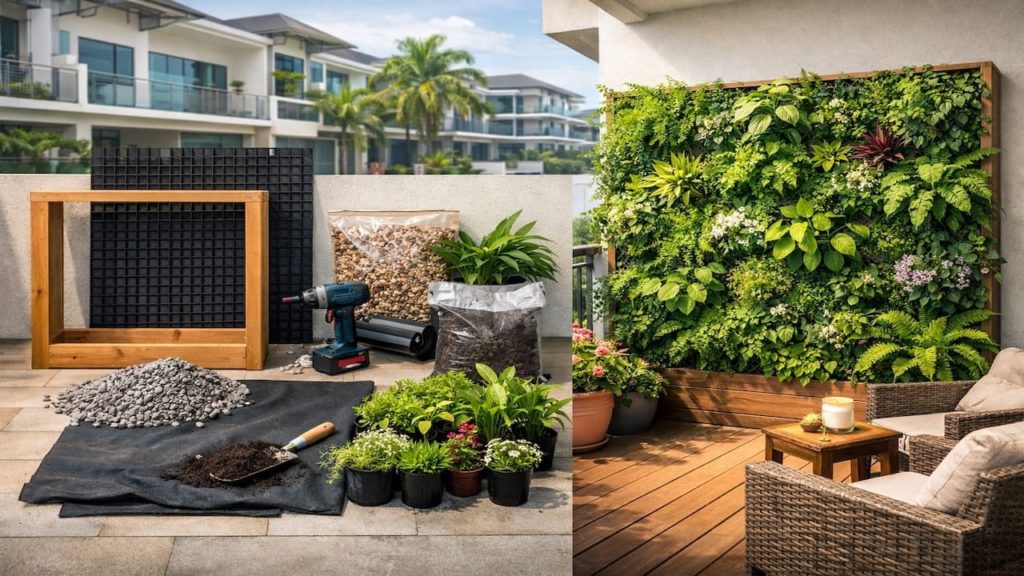
Your planter “privacy wall” looks good for photos, then one storm day later it leans, drips, and leaves new sightlines straight into your yard. Annoying.
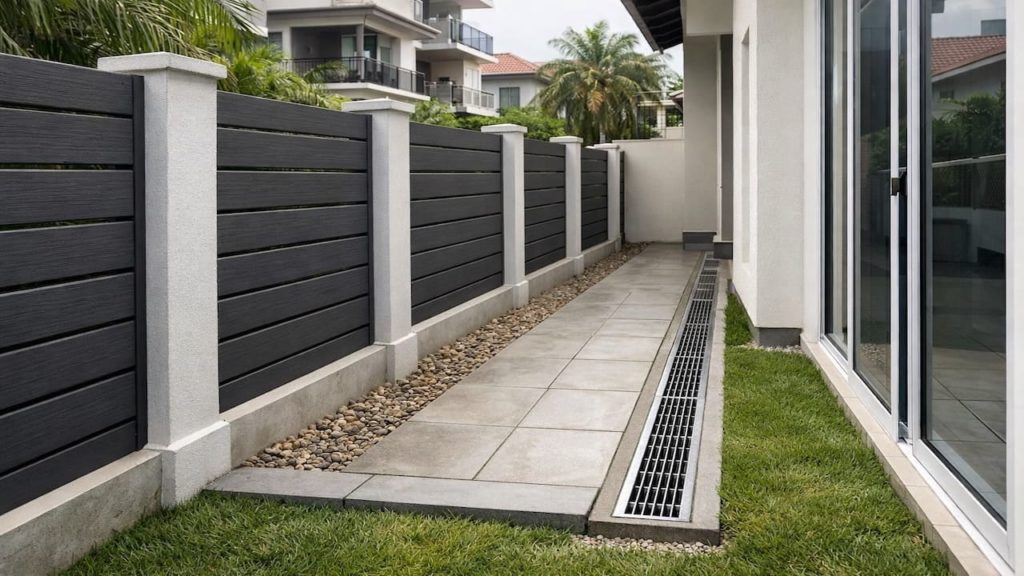
In Malaysia, humid heat, sudden downpours, and narrow terrace-house side yards make pots shift, drain trays overflow, and screens act like sails in wind. Small setup errors become big gaps.
In this guide, you’ll learn stabilize planter privacy by checking pot weight, height, and drainage control so your screen stays private without constant fixing in Malaysia housing.

Hi, I’m Ken. I write practical home guides for Malaysia—no fluff, just what works.
I hold a formal building design qualification and have spent about 20 years on job sites across hundreds of projects. My goal is simple: help you avoid costly mistakes with clear, safe steps—a quick way to decide what to do next.
1. Planter privacy walls: 5 checks
A planter wall works when you prioritize stable footing before you chase taller and denser screens.
In Malaysia rain, soil softens fast and pots slowly sink, so a straight line becomes a zigzag. Condo ground-floor patios also get runoff that shifts lightweight planters. One bad pot can pull the whole row out of alignment—then privacy fails. Fixing early is cheaper than replacing cracked pots later.
- Test each pot base for wobble movement
- Measure screen height from seated eye level
- Check planter drainage holes for clog buildup
- Look for gaps between pots and fence line
- Confirm wind path along side yard corridor
You might think “it is just cosmetic,” but a lean today becomes a tip tomorrow. Stability. Keep the line straight, then adjust height and planting for the look you want.
2. Pot weight, height, and drainage control
The safest planter wall is one that keeps low center even when storms push and rain floods.
Heavy rain fills pots, makes them top-heavy, and adds wind load when you use tall screens in Malaysia housing. Heat bakes small pots in the afternoon, then night rain waterlogs roots, so plants weaken and screens get unstable. A deep saucer can overflow and stain tiles—then you get algae slick spots too. Smart control beats “bigger pot” guessing.
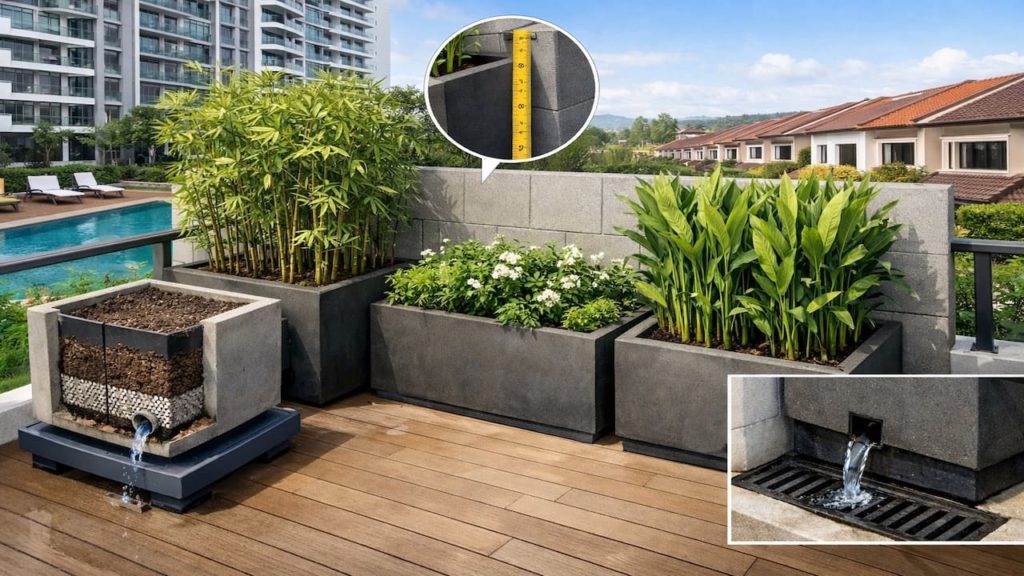
- Add gravel layer to lower pot center
- Use wide bases to resist tipping forces
- Limit tall screens to stable support heights
- Place saucers to catch overflow without leaks
- Clear algae slime from drains every week
Some people say taller is always better, but height without weight is just a sail. Control. Balance the base, cap the height, and your privacy wall stops acting fragile.
3. Why planter privacy walls fail in wet months
Most failures come from water plus wind working together, not from the plant species or the screen material.
In Malaysia wet months, water finds the lowest point, so one pot stays soaked while others dry, and the line twists. Wind tunnels in side yards hit screens from one direction, so straps loosen and posts tilt over time. People also overpack pots, so roots circle, drainage slows, and everything becomes heavier at the top. Slow collapse.
- Notice leaves yellowing from waterlogged roots quickly
- Watch pots leaning after storms and rinsing
- Spot mosquito larvae in trays after rain
- Check fence contact points for rubbing damage
- Track growth stalling in shaded humid corners
You may blame “cheap pots,” but even expensive planters fail if water cannot exit and wind keeps pushing the same edge. Mechanics. Fix the forces, then the materials finally behave.
4. How to set a planter privacy wall that stays put
Build it like a short retaining line with anchored bases and controlled drainage, not like a row of decorations.
Start by creating a firm base so pots do not sink after heavy rain in Malaysia, then add simple tie points so screens cannot sway. Budget RM40–200 for basic items like pavers, straps, extra drain mesh, and a few internal weights. Keep the system modular, so you can swap one pot without breaking the whole line. Practical.
- Set pots on pavers to stop sinking
- Tie screen panels to posts with straps
- Add internal weights like bricks in base
- Drill extra drain holes and add mesh
- Space pots evenly and close side gaps
It sounds like extra work, but it saves you from the repeating lean and spill cycle. Order. Do base first, then ties, then drainage, and your privacy wall stops needing attention.
5. FAQs
Q1. How heavy should pots be for a privacy screen?
Heavier at the base is the rule, especially for tall screens in wind. If you can rock a pot with one hand, it is too light for Malaysia storms.
Q2. Is a tall planter wall safe in a narrow side yard?
It can be, but only if you control wind funnel effects and anchor screens. Keep height reasonable and remove “sail” panels near the most exposed corner.
Q3. Do saucers cause mosquito problems in Malaysia?
They can if water sits for days, especially during rainy weeks. Empty, scrub, and reset the tray flow so water does not stagnate.
Q4. What is better for drainage, soil or coco peat mixes?
Use a mix that drains fast but still holds enough moisture for heat. Test by watering once and checking if water exits cleanly within minutes.
Q5. How do I stop water stains on tiles and walls?
Redirect overflow away from walls and avoid deep trays that spill during storms. Elevate pots on pavers so runoff has a clear path.
Pro’s Tough Talk

Listen, I’ve been on site for 20+ years and handled hundreds of jobs, and a planter privacy wall is not “cute decor,” it is a load problem in Malaysia rain and humidity. I don’t blame you, and I’m not saying every supplier is trash, but the structure is cold.
Cause is 3 things. Pots are too light, so wind turns screens into sails and the row creeps sideways. Drainage is lazy, so trays hold water, roots weaken, and everything becomes top-heavy. The base is soft, so one pot sinks and the whole line follows. Domino effect.
Do 3 steps now. Grab the tallest pot and try to rock it, then add weight low until it stops moving. Pour water and make sure it exits fast, not hours later. Then add two tie points so screens cannot sway on windy days. Simple.
This is like stacking books on jelly, like balancing a broom on your fingertip, so tsukkomi: come on. Anchor the base and the wall stops acting dramatic even when Malaysia storms show up.
The “dragging bins to the gate” moment and the “laundry basket dash” moment are when you curse the leaning screen, so fix it now or enjoy chasing pots like a hobby.
Summary
Planter privacy walls fail when pots are light, screens are too tall, and drainage is uncontrolled, especially in Malaysia wet weather. Check stability, height balance, and water exit first. Core.
If your row keeps leaning after each storm, treat it as a base and wind problem, not a plant problem. Add low weight, firm footing, and tie points, then reassess in one week. Decision.
Do the stability test today, set one anchored section, and then read the next guide on rainy season outdoor setup to keep your yard private with less maintenance.