You searched because your privacy screen shakes in wind, or you worry the next storm will loosen it and expose your garden.
In Malaysia wet months, gusts hit suddenly, soil turns soft, and hardware rusts fast, so weak anchors fail even when panels look solid.
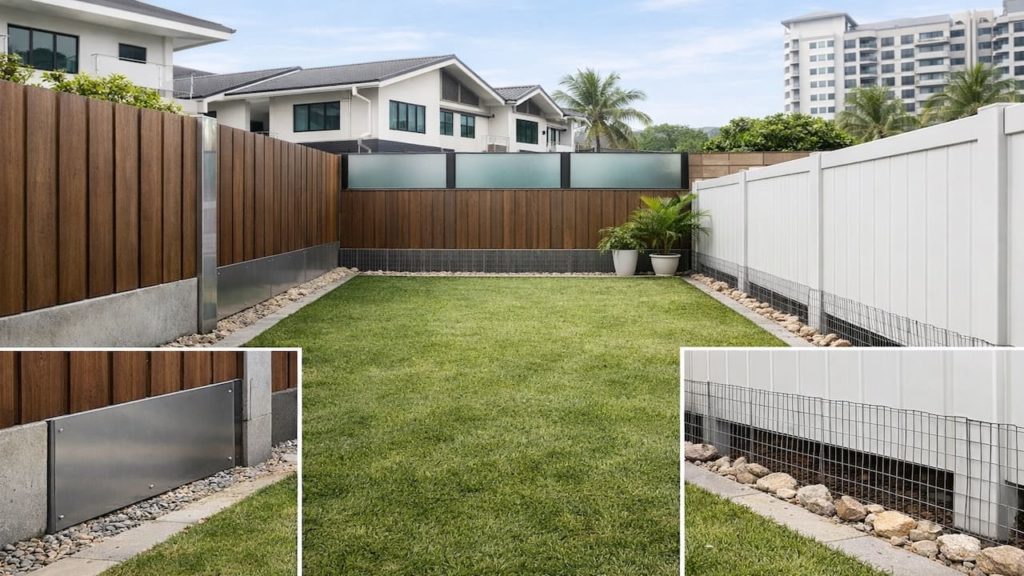
In this guide, you’ll learn how to check anchors and keep windy garden privacy stable for terrace yards and condo outdoor areas in Malaysia.

Hi, I’m Ken. I write practical home guides for Malaysia—no fluff, just what works.
I hold a formal building design qualification and have spent about 20 years on job sites across hundreds of projects. My goal is simple: help you avoid costly mistakes with clear, safe steps—a quick way to decide what to do next.
1. Windy garden privacy: 5 checks
Check anchors first so screens stay upright in storms and your privacy does not wobble every windy evening.
Wind load. A screen fails at the base, not the middle, especially when Malaysia rain softens the ground and loosens fasteners. Start with simple checks before you buy upgrades, because the cheapest fix is catching movement early. You also avoid spending twice on panels that were never the problem. Small effort, big savings.
- Shake each post base and feel for looseness
- Inspect bolt holes for oval wear and gaps
- Check soil softness around anchors after storms
- Look for rust bleeding from screws and brackets
- Confirm panels are not acting like solid sails
You might assume the panel is weak, so you focus on thicker slats or heavier frames. The base is the real point of failure—fixing anchors often solves the whole “flimsy screen” feeling. In Malaysia humidity, a tiny gap at the base grows fast into a full wobble. Do these checks and you stop the chain early.
2. Anchors that stay firm during storms
Strong anchors match soil type and wind direction so the screen stays calm when Malaysia storms hit hard.
Anchor choice. Some gardens have soft fill soil, others sit on harder base, and that decides what holds during a gust. In terrace side yards, wind funnels and pushes panels like a lever—so shallow anchors fail even if the post is thick. Spending a little on the right anchor beats replacing bent frames later. Cheap hardware becomes expensive labor.
- Match anchor type to soil and base condition
- Use deeper embedment where ground stays soft
- Add bracing so posts do not rack sideways
- Choose stainless fasteners to avoid rust stains
- Leave airflow gaps so wind pressure drops
Some people think one anchor style works everywhere, so they copy a neighbor build and call it done. That fails when your ground is softer or your wind line is stronger, which is common in Malaysia wet seasons. Choose anchors like a system, not a single part. Stability is design, not luck.
3. Why windy privacy screens loosen over time
Screens loosen when water softens soil and bolts creep until small movement becomes daily shaking.
Slow failure. Each gust flexes the post, then bolt holes widen, then the base shifts, and Malaysia rain accelerates the whole cycle. Rust also expands and cracks coatings, so fasteners lose bite right when you need them most. If the bottom stays wet and shaded, algae film keeps surfaces slick and maintenance gets ignored. The result is a screen that always feels unstable.
- Identify repeated wind direction that pushes panels
- Check for pooled water around post bases
- Inspect brackets for bending and metal fatigue
- Look for loose washers and missing lock nuts
- Confirm posts are not leaning from soil shift
You may blame storms as unavoidable, but most loosening is predictable and preventable. Malaysia weather punishes small shortcuts, especially shallow footings and cheap bolts. Fix the water path, tighten the hardware, and add proper bracing, and the same screen feels solid again. Foundation first.
4. How to anchor privacy screens for windy gardens
Anchor deeper add bracing and reduce wind pressure so your privacy holds without turning the yard dark.
Fix plan. Start with the base, then hardware, then wind management, because a strong panel on weak anchors still fails. If you are buying supplies like anchors, brackets, and rust-safe fasteners, RM40–250 is a realistic range for small upgrades depending on length and quality. In Malaysia humidity, sealed ends and stainless hardware are worth it because rust makes everything loosen sooner. Good anchoring also keeps repairs small and predictable.
- Install ground anchors deeper than soft topsoil
- Add diagonal braces at corners to stop racking
- Use lock nuts to prevent vibration loosening
- Set bottom clearance to avoid constant splashback
- Switch to slats that allow controlled airflow
You might want the fastest fix and only tighten bolts, then hope it stays quiet. Tightening helps, but if the base is shifting, it will loosen again after the next storm—so you must address soil, depth, and bracing. Keep airflow through the screen so wind pressure drops, and the anchors work less. Smart stability feels effortless.
5. FAQs
Q1. How can I tell if my screen is failing at the base?
Hold the post near the ground and push gently, then watch if the base moves before the panel flexes. If the ground area shifts after rain, your anchor support is weak.
Q2. Is a solid privacy panel worse in wind?
Yes, solid panels act like sails and increase force on anchors. Slats with controlled gaps often stay steadier while still blocking sightlines.
Q3. What hardware loosens first in Malaysia wet months?
Washers, cheap screws, and mild steel bolts often loosen and rust first, especially where water pools. Upgrading to rust-safe fasteners reduces repeat tightening.
Q4. Should I add bracing or just use heavier posts?
Bracing usually gives a bigger stability gain than thicker posts alone. It stops racking and spreads wind load across the frame.
Q5. What is the quickest check before the next storm?
Shake each post base and confirm zero ground movement while the soil is still damp. If it shifts now, it will shift more during a storm.
Pro’s Tough Talk

Listen, I’ve got 20+ years on site, done hundreds of jobs, and windy privacy screens fail the same boring way when Malaysia rain turns soil into soup.
Cause is 3 things. Anchors are shallow, so the base shifts. Bolts vibrate loose, so holes widen. Panels block airflow, so wind pressure hits like a punch.
Do 3 steps now. Grab the post at the base and test movement while the ground is wet. Tighten with lock nuts, not wishful thinking. Add a brace and let air through the slats.
This is like staking a tent peg into pudding, like using a toothpick to hold a door Anchor deep and brace the frame. Tsukkomi: you fear storms, but you built a sail.
The dragging bins to the gate in rain and the rushing to pull laundry inside are when you notice the wobble, so fix it today or keep gambling with your own screen.
Summary
Windy garden privacy depends on anchors, soil condition, and airflow, so check base movement, hardware wear, and water pooling in Malaysia wet months.
If the screen keeps loosening, tightening alone is not enough, so improve embedment depth, add bracing, and reduce wind pressure with slat design.
Test one post base today and upgrade the weakest anchor point, then move on to rain splash control and slat angle guides to keep privacy stable and comfortable.