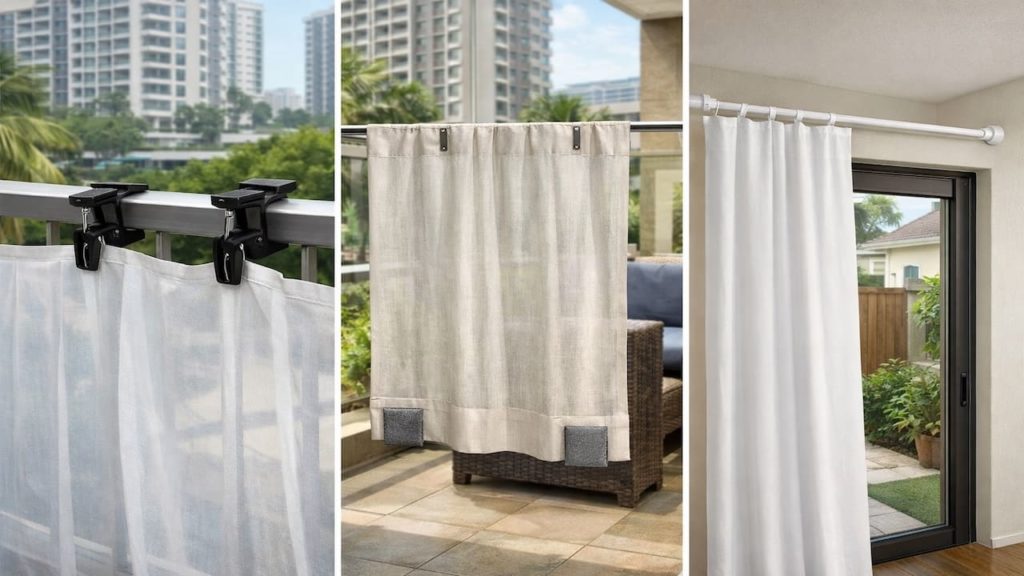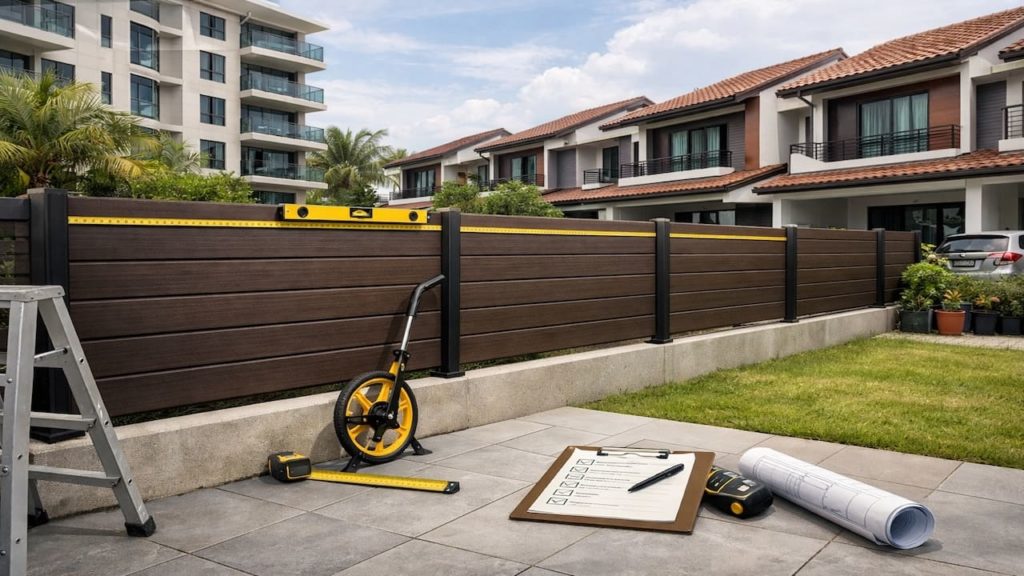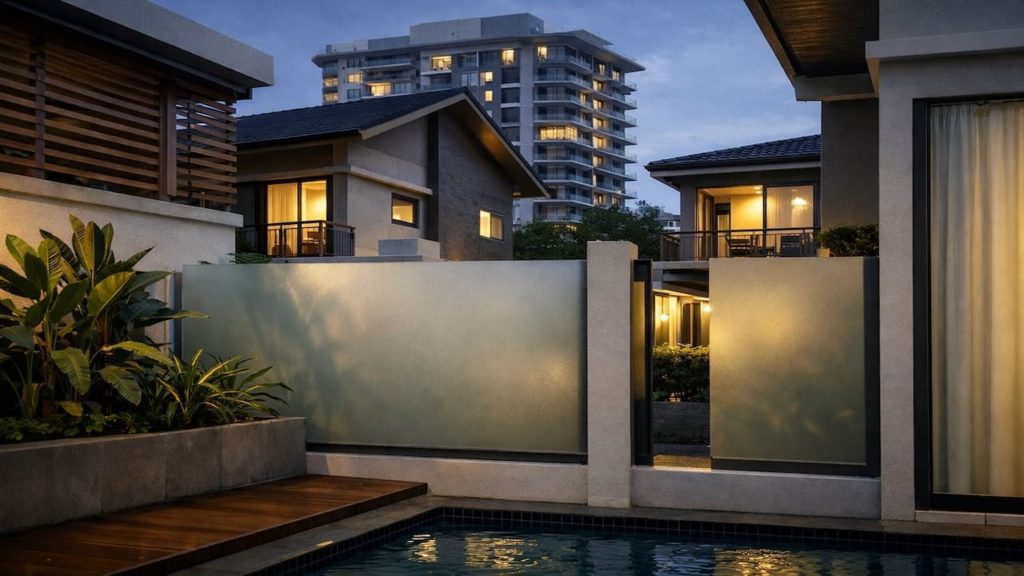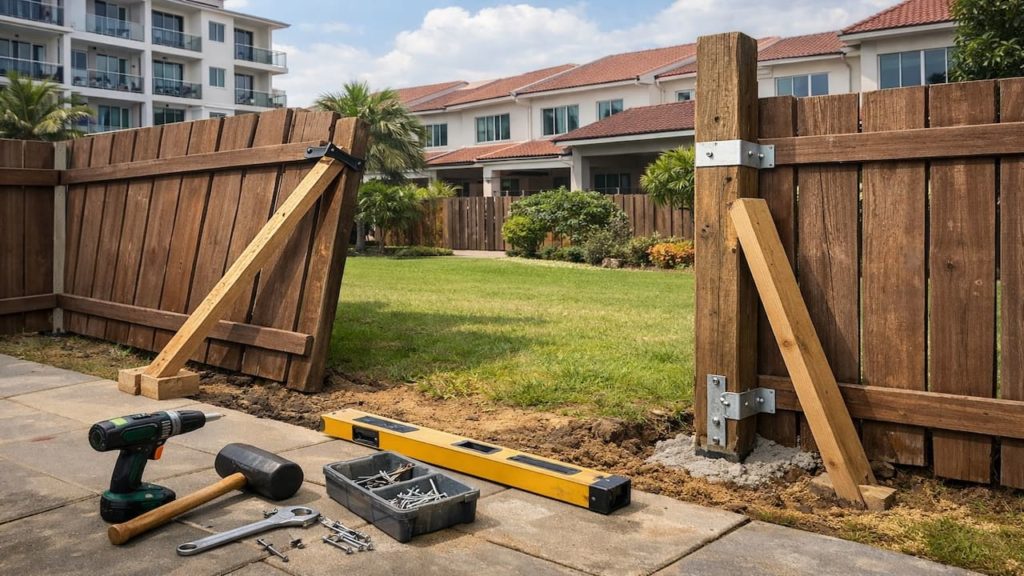
You searched because wood privacy panels look great at first, then Malaysia humidity brings swelling, dark stains, and a soft spot you did not expect.
In terrace side yards and condo patios, wood sits near splashback, strong sun, and damp nights, so small mistakes turn into rot and rework.
In this guide, you’ll learn the 5 checks that keep wood panels straight clean and long lasting in Malaysia rain and heat.

Hi, I’m Ken. I write practical home guides for Malaysia—no fluff, just what works.
I hold a formal building design qualification and have spent about 20 years on job sites across hundreds of projects. My goal is simple: help you avoid costly mistakes with clear, safe steps—a quick way to decide what to do next.
1. Wood privacy panels: 5 checks
Do these 5 checks and wood panels stay solid in humidity—not warped and spotty after the first wet season.
Wood can be a premium privacy look, but Malaysia moisture finds every unsealed end and every trapped water pocket. Fast failure. If you check sealing, spacing, and ground clearance early, you prevent rot and reduce weekly cleaning. Money saved later always beats a cheap quick install now.
- Check end grain sealing on every cut
- Measure spacing gaps for airflow and drying
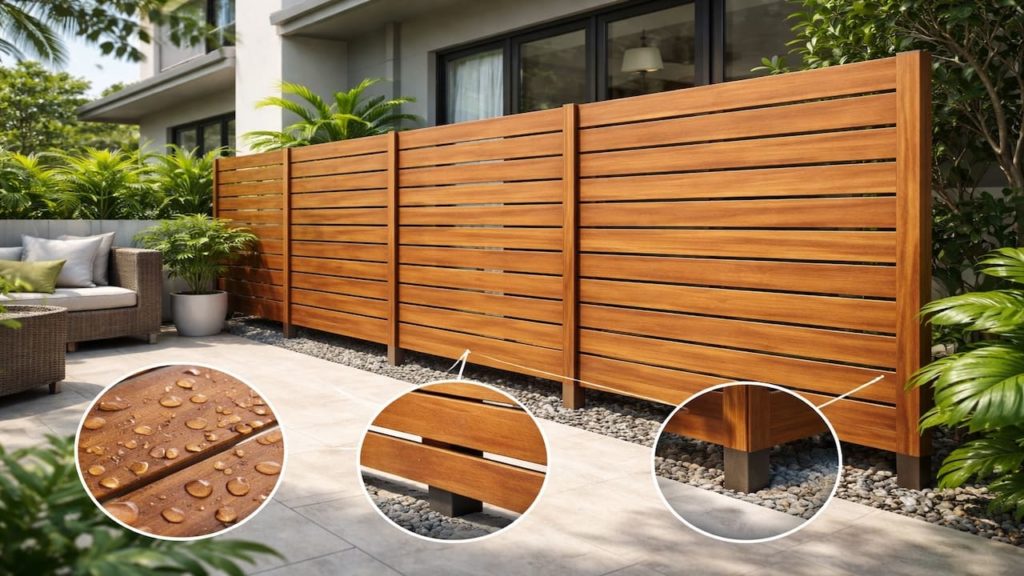
- Confirm bottom clearance above splashback zone
- Inspect fasteners for rust safe material
- Look for water traps at rails and caps
You might think thicker wood alone will survive, so sealing can wait for “later.” Later becomes black stains, loose boards, and a full recoat job—humidity does not pause. Do the checks once, then build and seal like you mean it. Control first.
2. Seal, spacing, and rot risk in humidity
Sealing and spacing decide rot risk more than board thickness—that is the real rule in Malaysia wet air.
Rot starts where water sits, not where wood looks thin, and tight panels often stay damp longer after rain. Airflow matters. If spacing is calm and consistent, the panel dries faster and stays lighter in color. In Malaysia sun, a sealed surface also reduces cracking that invites moisture back in.
- Seal all cut ends before final installation
- Leave consistent gaps to keep breeze moving
- Use caps to protect top edges from rain
- Keep boards off ground with spacers
- Clean algae early before it anchors deeper
Some people fear gaps will ruin privacy and insist on zero spacing. That often creates a damp pocket behind the wall, and the smell is worse than the view. Angle the layout, keep spacing consistent, and privacy stays strong while wood dries faster. Balance wins.
3. Why wood privacy panels fail fast in Malaysia homes
Wood panels fail when moisture stays trapped at joints—and rot grows quietly until the board feels soft.
Rot is usually a system problem: water path, air path, and coating quality working together. Hidden damage. Malaysia rain drives water into edges, and humid nights slow drying, so joints and bottom rails become the danger zone. Once fasteners rust and holes widen, movement accelerates the breakdown.
- Notice splashback stains along the lowest boards
- Check for swelling near joints and screws
- Inspect for cracks that open after sunny days
- Look for black dots in shaded damp zones
- Test wobble that signals loose fixing points
You may blame the wood species and say “wood just dies here.” Not true, because good detailing keeps wood stable even in wet climates. Stop water from camping, let air move, and seal every end, and the panel lasts longer. Structure beats hope.
4. How to protect wood privacy panels in humid weather
Protect panels by sealing edges managing water and keeping airflow—then maintenance becomes simple not constant.
Start with a clean dry surface, then seal end grain, then add details that shed water instead of holding it. Practical spend. For basic supplies like exterior sealer, brushes, stainless screws, and caps, RM30–200 is common depending on panel length and quality. In Malaysia humidity, paying for rust-safe fasteners and proper caps saves the most repainting later.
- Apply sealer coats until water beads evenly
- Install drip caps to break water sheets
- Raise bottom edge to reduce splash impact
- Use stainless screws to stop rust bleed
- Recoat exposed faces on a simple schedule
You might want the fastest fix and only paint the front face. That leaves ends and backs open, and rot still starts from the hidden side. Seal ends, cap tops, keep clearance, and your wood stays cleaner and straighter. One full system beats patchwork.
5. FAQs
Q1. How often should I reseal wood panels in Malaysia?
Check after heavy wet months and after long sunny periods, because both stress the coating. If water stops beading, plan a light clean and a recoat soon.
Q2. Are tight boards better for privacy?
Tight boards can block views, but they can also trap damp and grow algae faster. A better approach is consistent spacing plus angle placement to block sightlines.
Q3. What is the single most important detail for rot prevention?
Seal end grain and keep bottom clearance because those areas drink water first. If you protect those zones, the whole panel lasts longer.
Q4. Why do I see black spots even after cleaning?
Spots return when the surface stays damp and porous, especially in shaded corners. Improve airflow, reduce splashback, and reseal so grime cannot sink in.
Q5. Can wood still look modern and low maintenance?
Yes, if lines are straight, spacing is consistent, and edges are capped and sealed. The look stays calm when water and dirt cannot cling to rough joints.
Pro’s Tough Talk

Listen, I’ve got 20+ years on site, done hundreds of jobs, and wood privacy panels only “rot suddenly” when you ignore the boring details in humidity.
Cause is 3 things. End grain is left raw, so it drinks rain like a sponge. Spacing is too tight, so air dies and damp lingers. Bottom edges sit in splashback, so dirt and water keep feeding rot.
Do 3 steps now. Step 1: seal every cut end and every screw hole. Step 2: lift the bottom edge and add a simple gravel strip. Step 3: cap the top and keep spacing consistent for airflow.
This is like building a boat and forgetting the caulk, like wearing a raincoat with open seams Seal ends lift bottoms keep airflow. Tsukkomi: you want wood warmth, but you keep installing it like plastic.
The barefoot dash to pull in laundry during sudden rain and the late night bin run on wet tiles are when you smell the damp, so fix it now or keep donating weekends to scrubbing.
Summary
Wood privacy panels can work in Malaysia, but only when sealing, spacing, and ground clearance stop moisture from sitting in the danger zones.
If panels keep staining or softening, the issue is usually trapped water at joints or splashback at the base, so fix details before recoating again.
Check one panel today seal the ends and raise the bottom edge, then continue with wet season screen checks and rain splash control for a cleaner setup.