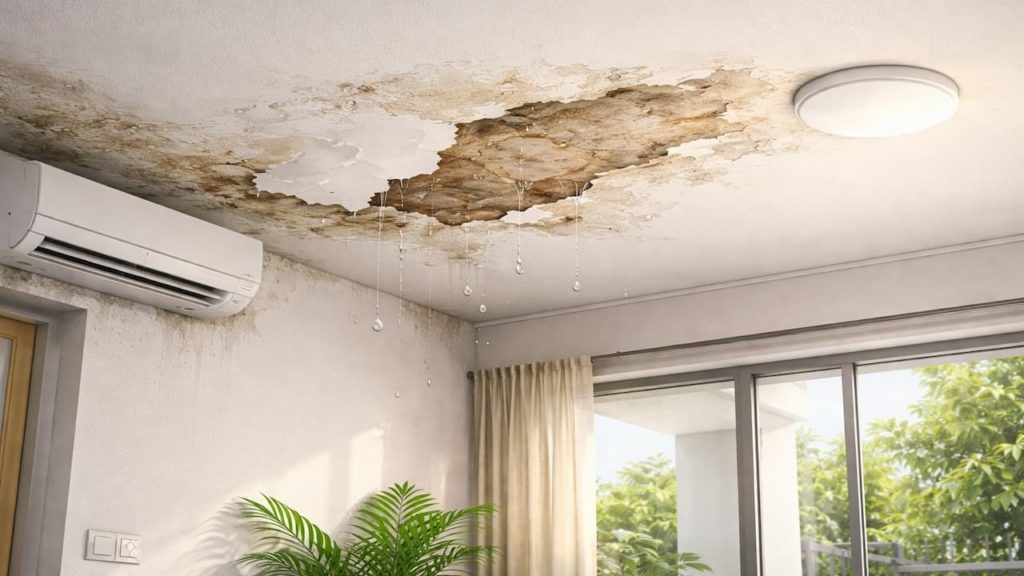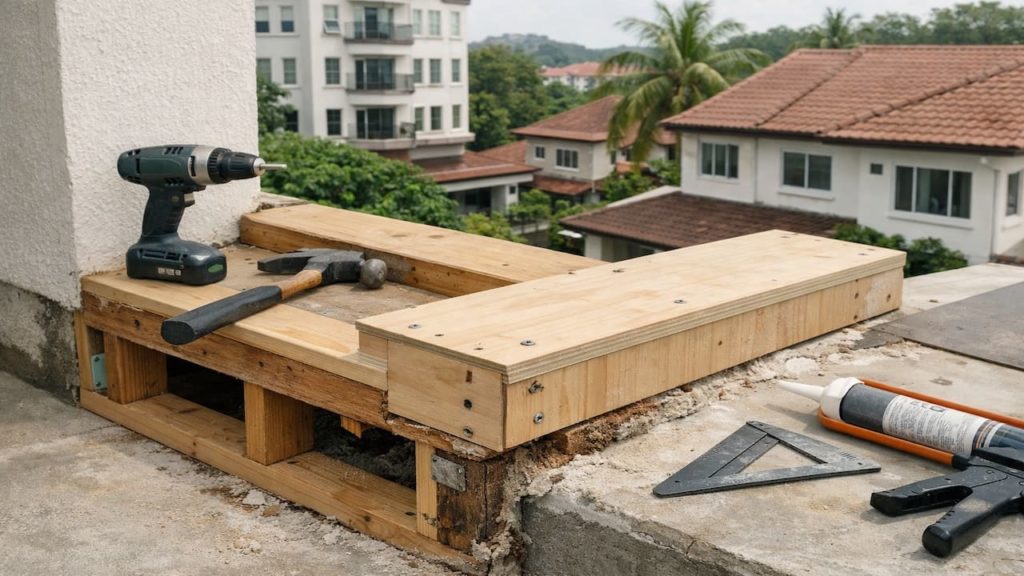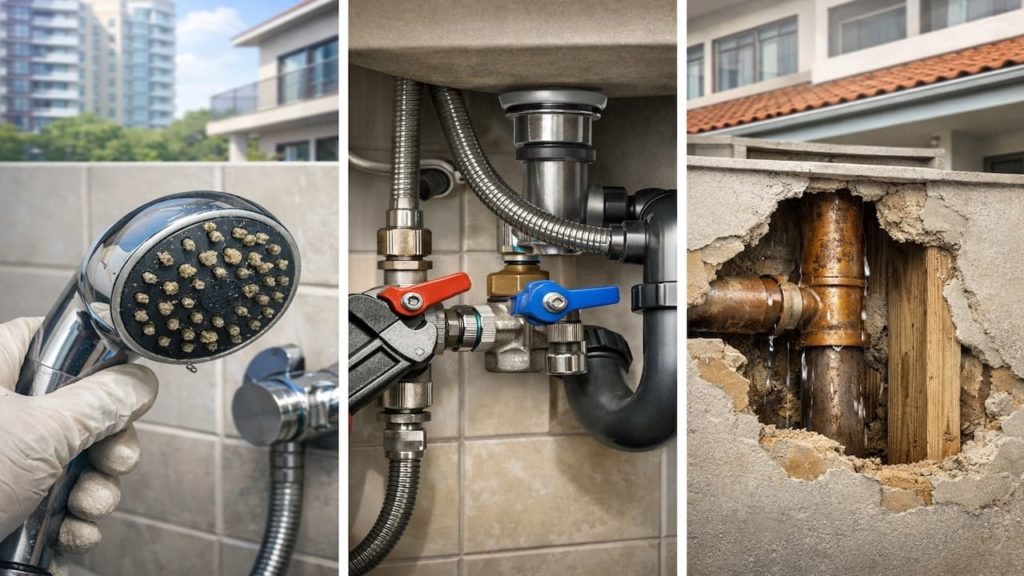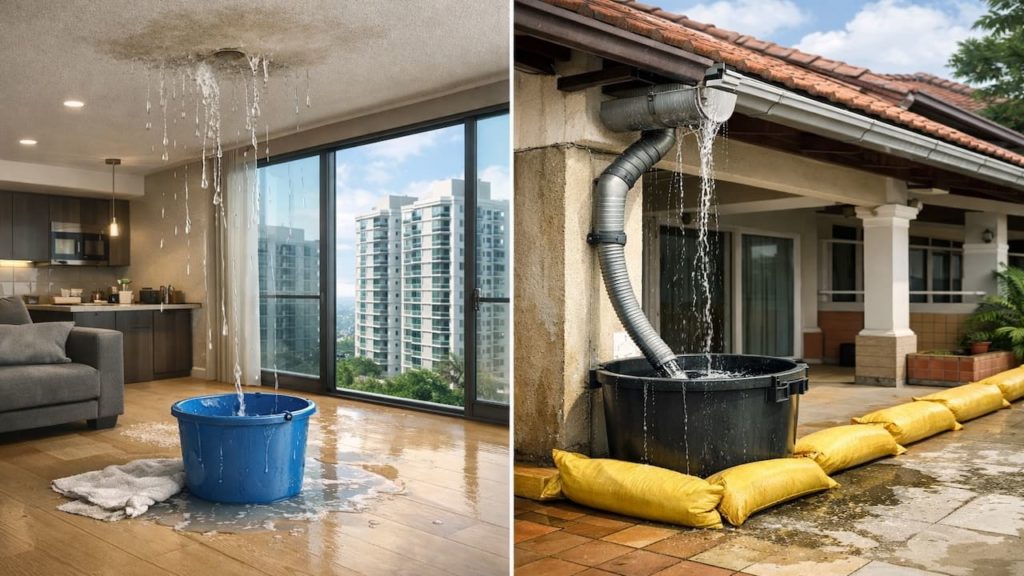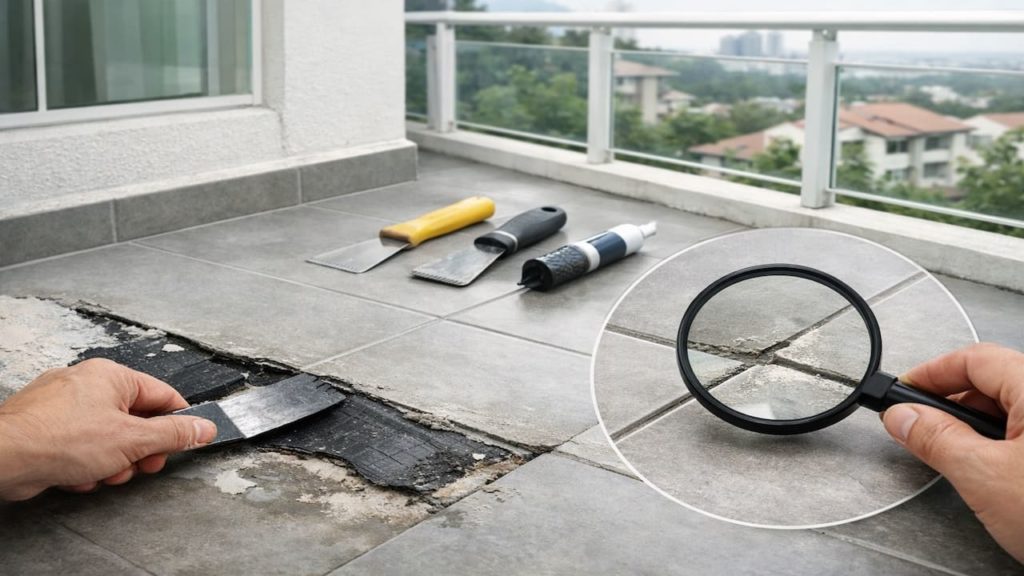
You searched “repair balcony seepage” because water keeps appearing at the balcony edge, the floor stays damp after rain, or stains show up on the ceiling below.
In Malaysia, heavy rain bursts, wind driven splash, and slow drying humidity can push water through tiny gaps in tiles and joints in condos and terrace homes.
In this guide, you’ll learn how to check tile joints and the waterproof layer before doing expensive retiling so you stop seepage early and protect the slab and walls.

Hi, I’m Ken. I write practical home guides for Malaysia—no fluff, just what works.
I hold a formal building design qualification and have spent about 20 years on job sites across hundreds of projects. My goal is simple: help you avoid costly mistakes with clear, safe steps—a quick way to decide what to do next.
1. Repair balcony seepage: 5 checks
Confirm where water enters and where it exits first.
Balcony seepage is a path problem, not a single spot problem. In Malaysia storms, water can enter at edges, door tracks, or cracks, then show up far away. Evidence.
- Check seepage timing after heavy rain events
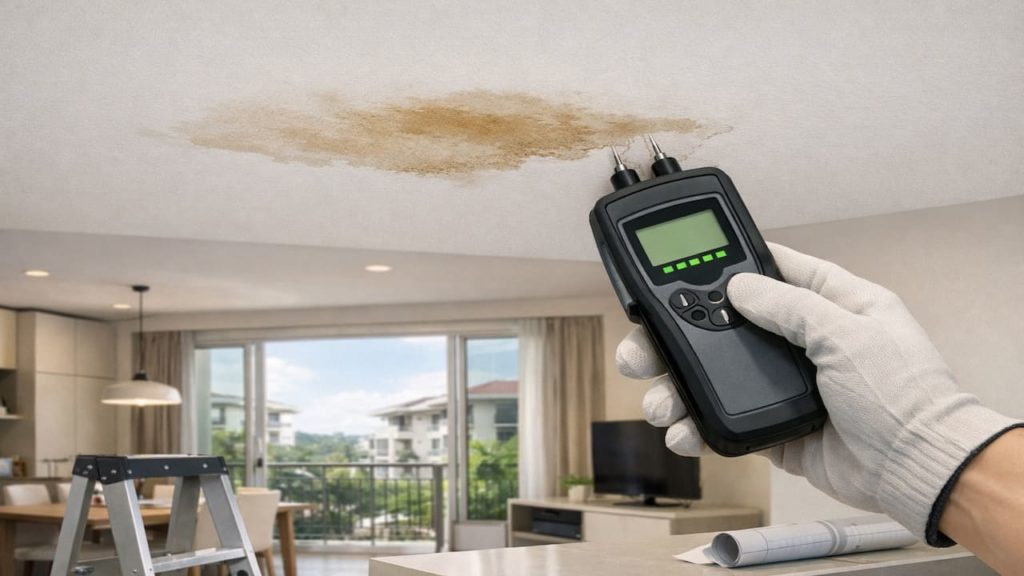
- Inspect ceiling below balcony for fresh stains
- Look for damp line at skirting and wall base
- Test balcony drain for slow flow and pooling
- Inspect door threshold for water marks and gaps
Some people seal random cracks with leftover silicone. That can trap water under tiles and worsen damage. Trace the path, then seal the correct weak points.
2. Waterproof layer and tile joints
Tile joints fail first but waterproofing decides long term seepage.
Grout and tile joints crack, and water slips under tiles during rain. If the waterproof layer below is weak or punctured, seepage becomes chronic. Malaysia humidity keeps it wet longer, so failure accelerates. Reality.
- Check grout joints for gaps and dark staining
- Tap tiles and listen for hollow sound spots
- Inspect edge trim and parapet wall joint cracks
- Check balcony drain flange seal for looseness
- Observe puddles that stay longer than 30 minutes
People assume “tiles are waterproof.” Tiles are not the waterproof layer, they are just the surface. Joints and waterproof membrane do the real job.
3. Why balcony seepage happens in Malaysia homes
Rain intensity and trapped moisture stress joints and membranes.
Storm rain hits hard, wind drives water sideways, and sun heats the slab, so materials expand and contract. That movement cracks joints, then moisture sits under tiles because drying is slow in humid air. Malaysia makes it relentless.
- Check for hairline cracks on parapet render surface
- Inspect sealant at sliding door track corners
- Look for plant pots blocking drainage flow
- Check AC outdoor unit drain water splashing area
- Observe if seepage worsens during monsoon weeks
Some blame only workmanship. Workmanship matters, but balcony exposure is harsh, and even good work needs maintenance when joints crack. Maintenance.
4. How to fix seepage without wasting money
Start with drainage and joints then escalate to waterproofing repair.
Use a step approach: clear drains, reseal joints, then consider membrane repair if symptoms persist. In Malaysia, basic joint resealing might be RM150–RM500, balcony drain service can be RM100–RM300, and full balcony waterproofing with retiling can range roughly RM1,500–RM6,000 depending on size, condo rules, and access. Guardrails. Do not jump to full retiling first.
- Clear balcony drain and test fast water flow
- Remove loose grout and regrout with proper mix
- Seal perimeter joints with exterior grade sealant
- Fix door threshold gaps using correct flashing strip
- Call specialist if hollow tiles and stains persist
Some people coat the tile surface with random paint. That often peels and traps water underneath, then tiles debond. Fix drainage and joints first, then use proper waterproof systems.
5. FAQs
Q1. How do I know if seepage is from the balcony or the wall?
Check timing and location. Balcony seepage often follows rain and shows below the balcony slab or at the door threshold, while wall seepage can track down from higher cracks or roof edges.
Q2. Can I just seal the grout lines?
It can help if the waterproof layer is still intact, but it is not a guaranteed fix. If tiles sound hollow or stains keep growing, water is already under the surface.
Q3. What is the fastest safe test I can do?
After a dry day, pour a bucket of water and watch where it pools and how fast it drains, without wetting the wall first. Poor drainage often starts the seepage chain. Then inspect joints and edges.
Q4. Why is the ceiling below staining even with no visible balcony cracks?
Water can enter through tiny perimeter joints, door track corners, or drain flange seals and travel under tiles. Malaysia humidity keeps the slab damp so the stain grows slowly.
Q5. When should I consider full waterproofing redo?
If repeated resealing does not stop stains, if many tiles sound hollow, or if you see persistent damp smell and salt crystals. At that stage, membrane repair or replacement is more reliable.
Pro’s Tough Talk

Alright, I’ve been on site for 20+ years and handled hundreds of jobs, and balcony seepage in Malaysia is like a sneaky thief in a raincoat. The storm hits, the water slips in, then you only see the mess days later. Classic.
Three causes cover most cases. One, drainage is weak, puddles sit, and water finds joints. Two, grout and perimeter sealant crack from sun and movement, then water goes under tiles. Three, the waterproof layer below is damaged or patched badly, so it leaks through the slab. That’s the structure.
Do 3 steps, in order. Step one, clear the drain and make sure water exits fast, no puddles. Step two, check and reseal perimeter joints and door track corners, not random spots. Step three, if stains keep growing or tiles sound hollow, call a waterproofing specialist and stop delaying. Simple.
You didn’t fail and not every installer is evil, but stop believing surface paint will save you. Fix drainage and joints before chasing membranes. Anyone selling you “one coat miracle” is selling sunscreen for the rain. That’s my jab.
Relatable moment one, you think it’s fine until the next storm and the stain blooms again. Relatable moment two, your balcony plants look nice but the pots block the drain and you curse later. Fix it now, or you’ll be running a downstairs ceiling art gallery soon. Enjoy.
Summary
Balcony seepage usually starts with poor drainage and cracked joints, and becomes serious when water gets under tiles and reaches the waterproof layer. Malaysia storm rain and humidity make small gaps turn into constant damp.
If water pools or drains slowly, fix drainage first and reseal perimeter and door track joints before retiling. If stains persist, tiles sound hollow, or damp smell stays after dry weather, plan a professional waterproofing inspection and repair.
Today, clear the drain, run a controlled water test, and reseal perimeter joints and threshold corners with the right exterior sealant, then monitor after the next heavy rain. Stop water at the joint and the slab stays dry. If you also have window leaks or peeling ceilings, read those guides next and connect the seepage chain.