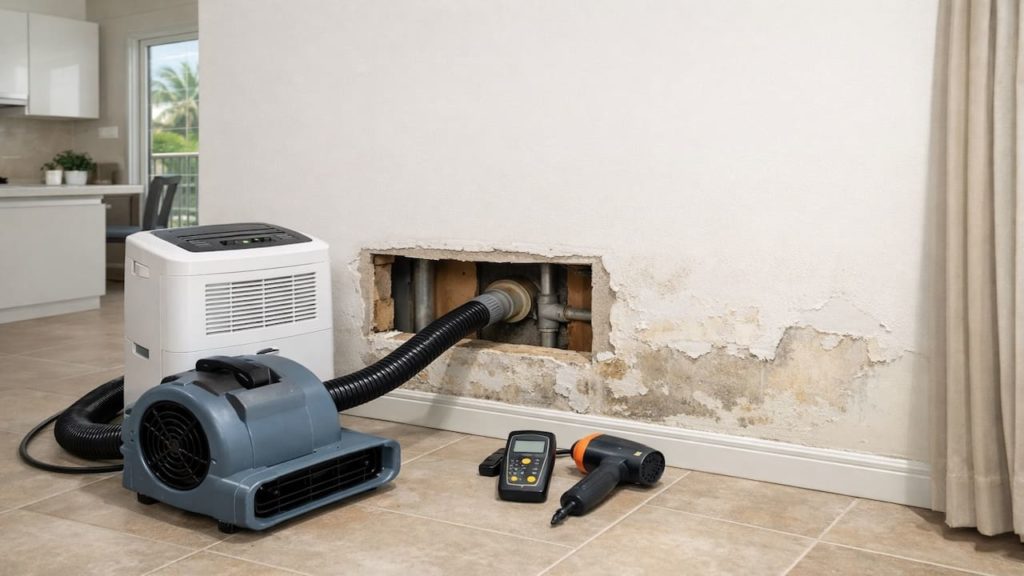
You searched “repair damp wall paint” because the paint keeps bubbling or peeling and you are tired of wiping it down and watching it come back.
In Malaysia, heat and humidity trap moisture inside concrete and plaster, and rainy-season splashback or hidden leaks can keep walls damp even when the surface looks dry.
In this guide, you’ll learn how to dry the source before repainting a damp wall so the finish lasts longer and you do not pay twice for the same ugly patch.

Hi, I’m Ken. I write practical home guides for Malaysia—no fluff, just what works.
I hold a formal building design qualification and have spent about 20 years on job sites across hundreds of projects. My goal is simple: help you avoid costly mistakes with clear, safe steps—a quick way to decide what to do next.
1. Repair damp wall paint: 5 steps
Dry the wall system not the visible paint.
Damp paint failure is usually a moisture path problem, not a paint brand problem. In condos and terrace homes, moisture can move through shared walls, pipe chases, and warm air gaps — then it shows up as blisters. Reality.
- Press wall surface check softness and hollow spots
- Trace damp edge with masking tape outline
- Check nearby bathroom wall for seepage
- Inspect exterior splash zone after heavy rain
- Measure humidity in room during afternoon heat
Some people say “Just scrape and repaint and done.” That works only when the source is already gone and the wall is truly dry. In Malaysia weather, moisture returns fast. Dry first, then repair.
2. Dry the source, not the surface
Find where water enters before you chase stains.
Surface drying can fool you because warm air evaporates the top layer while moisture stays inside the wall. A fan can make it look better for a day — then bubbles return when humidity climbs at night. Simple physics.
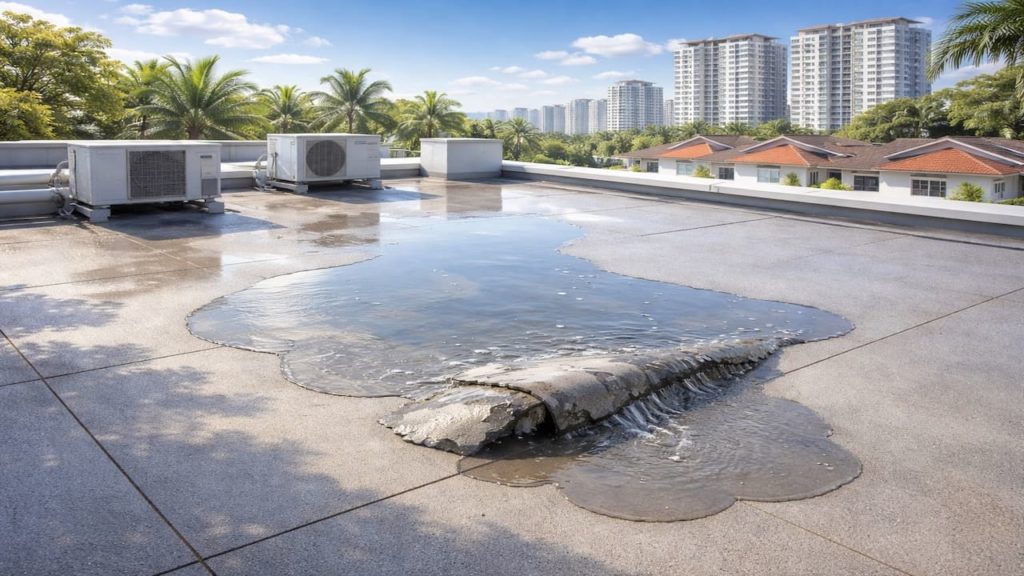
- Check aircon drain line near damp wall
- Test one fixture run observe wall changes
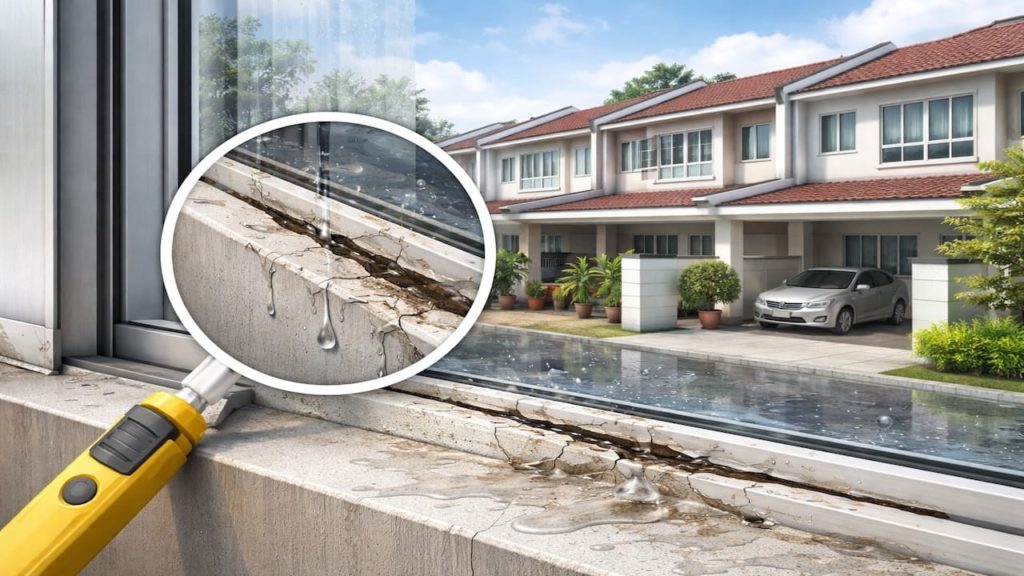
- Scan window frame sealant for gaps
- Look for hairline cracks along skirting line
- Ask upstairs neighbor about recent bathroom works
“I cannot access the source in a condo” is a common worry. You still can narrow it down with timing and location, then talk to management or the neighbor with evidence. Do not fight blind. Find first, dry next.
3. Why damp wall paint keeps failing in Malaysia homes
Moisture pressure pushes paint off from behind.
When walls stay wet inside, the trapped moisture tries to escape through the paint film. Add Malaysia’s daily humidity swings and you get repeated blistering, chalking, and peeling. This is worse on exterior-facing walls and bathrooms. Pattern.
- Rain splashback soaks porous render near porch
- Condensation forms on cool walls under aircon
- Cracked grout leaks into adjacent bedroom wall
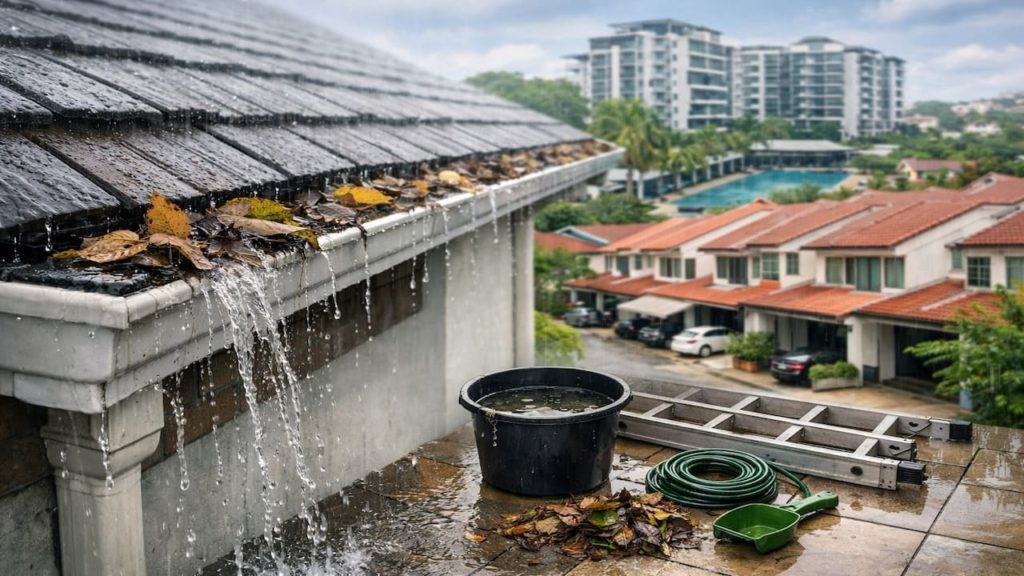
- Roof gutter overflow wets top floor wall edges
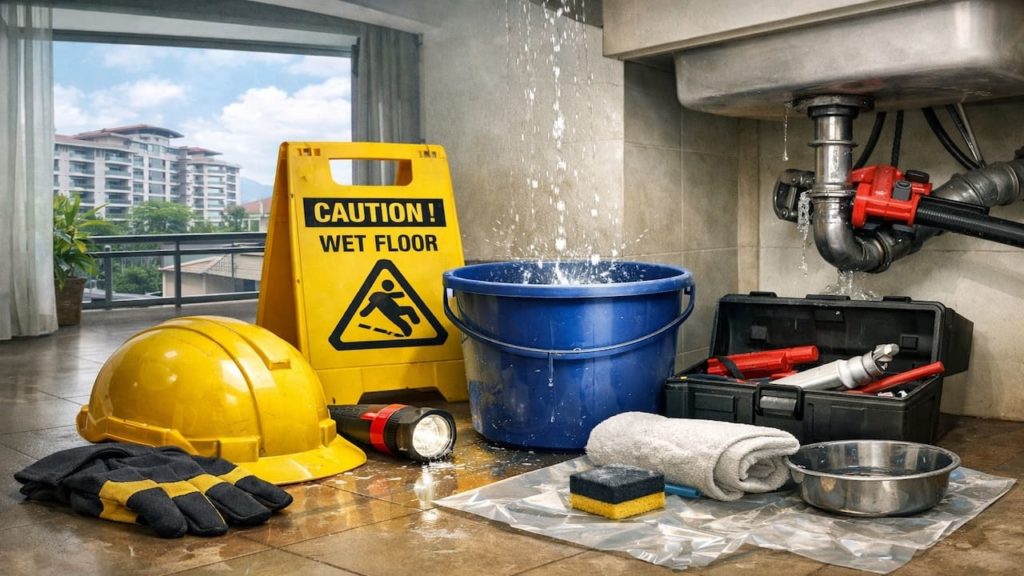
- Hidden pipe joint weeps inside plaster cavity
Yes, sometimes it is just old paint and poor prep. But recurring damp patches usually mean water still enters or still condenses. Repainting without drying is gambling. Stop the moisture pressure first.
4. How to dry the source and repaint for a lasting finish
Stop the entry dry deeply then repaint with barrier layers.
Plan the work in the right order, or you will loop forever. In Malaysia, a basic inspection or handyman visit often starts around RM80–RM150, and a small leak seal plus patch work commonly lands around RM200–RM600 before materials and repainting. Budget guardrails — not a quote. Then use a repeatable sequence that fits condo rules and terrace realities.
- Fix leak point replace sealant or tighten joint
- Open small inspection hole above damp line
- Run dehumidifier 8 hours with door closed
- Patch wall with cement based filler compound
- Prime with stain block then apply breathable paint
Some contractors will say “Paint thicker and it will cover.” Thick paint only hides the symptom until the next humid week. The durable fix is boring and layered. Stop entry, dry deep, then repaint properly.
5. FAQs
Q1. Can I repaint damp wall paint if it feels dry today?
You can, but “feels dry” often means only the surface dried. In Malaysia humidity, moisture can stay inside concrete and show up again in a few nights. Confirm the source first.
Q2. Is damp paint always a plumbing leak?
No. It can be rain splashback, window seepage, roof overflow, or condensation from strong aircon cooling. Timing tells the story, so track rain days and fixture use.
Q3. What is the fastest way to prove the source?
Change only one variable at a time and observe the wall edge. Use photos with dates and a simple room humidity reading. Evidence beats arguments every time.
Q4. Should I use waterproof paint on indoor walls?
Waterproof coatings can trap moisture if the source remains, so they are not magic. Use them only after entry points are fixed and the wall is dried deeply. Breathable finishes often behave better.
Q5. When should I call building management in a condo?
Call when the damp area aligns with shared pipes, exterior facade, or an upstairs wet area. Management can coordinate access and records that you cannot. Do it early.
Pro’s Tough Talk

Alright, I’ve been on site for 20+ years and handled hundreds of jobs, and damp wall paint in Malaysia is a repeat offender. Humidity is like a wet towel stuck on your wall. Rain hits, heat cooks, and the wall sweats again. Normal fear.
Most cases split into 3 causes. One, water enters from outside through cracks, window edges, or splash zones. Two, plumbing or bathroom seepage travels sideways inside the wall. Three, aircon condensation makes a cold wall become a water factory. Boring truth.
Now the fix is 3 steps, and none of them are sexy. First, stop the entry point, even if it is a tiny gap. Second, dry the inside, not the skin, with dehumidifier and airflow control. Third, rebuild the layers, filler, primer, then paint. Done.
You did not fail, the system is set up to hide leaks until they look dramatic. Dry the source or the paint will always lose. And yeah, some people will sell you “special paint” like it is a magic shield, come on. That’s the jab.
Relatable moment one, you scrape the bubble and it rains that night. Relatable moment two, you run the fan all day and feel proud, then morning shows fresh peeling. Treat the wall like a sponge and a drum, not a poster. Fix it right, or keep repainting for cardio.
Summary
Damp wall paint fails because moisture pushes from behind, not because you used the wrong color. Malaysia humidity and rain cycles make the same patch return fast. No shortcuts.
If the damp area grows, smells musty, or returns after rain or shower use, assume the source is still active and prioritize inspection plus drying before cosmetic work. If the wall stays soft, plan deeper opening and repair.
Start today by tracing timing, fixing entry points, and drying the wall deeply, then patch and repaint with proper primer. Dry first repaint once and move on. If your home also has ceiling stains or window leaks, read the next guides and connect the causes.