You searched “repair sink drain smell” because the kitchen or bathroom sink stinks, and you want it gone without tearing up pipes.
In Malaysia, heat, daily humidity, and sudden rainstorms keep cabinets and pipe chases warm and damp, so drain odors build faster in condos and terrace homes.
In this guide, you’ll learn how to fix sink drain smells by restoring trap water and removing biofilm so the air stays fresh and the smell does not creep back tomorrow.

Hi, I’m Ken. I write practical home guides for Malaysia—no fluff, just what works.
I hold a formal building design qualification and have spent about 20 years on job sites across hundreds of projects. My goal is simple: help you avoid costly mistakes with clear, safe steps—a quick way to decide what to do next.
1. Repair sink drain smell: 5 checks
Prove the smell source before you pour chemicals.
Drain smell can come from a dry trap, a clogged vent path, or biofilm sitting inside the pipe walls — Malaysia humidity makes even small buildup smell stronger. Quick clarity. Test in minutes.
- Run cold water 30 seconds then sniff drain
- Check under sink for wet cabinet and mildew
- Look at floor trap cover near sink area
- Open trap cleanout and inspect slime buildup
- Wipe overflow hole with tissue and smell
Some people assume the smell is “sewer gas” and panic. That happens, but most sink smells are local and fixable with simple checks. Confirm the source, then act once.
2. Trap water and biofilm buildup
Keep trap water present and remove the slime layer.
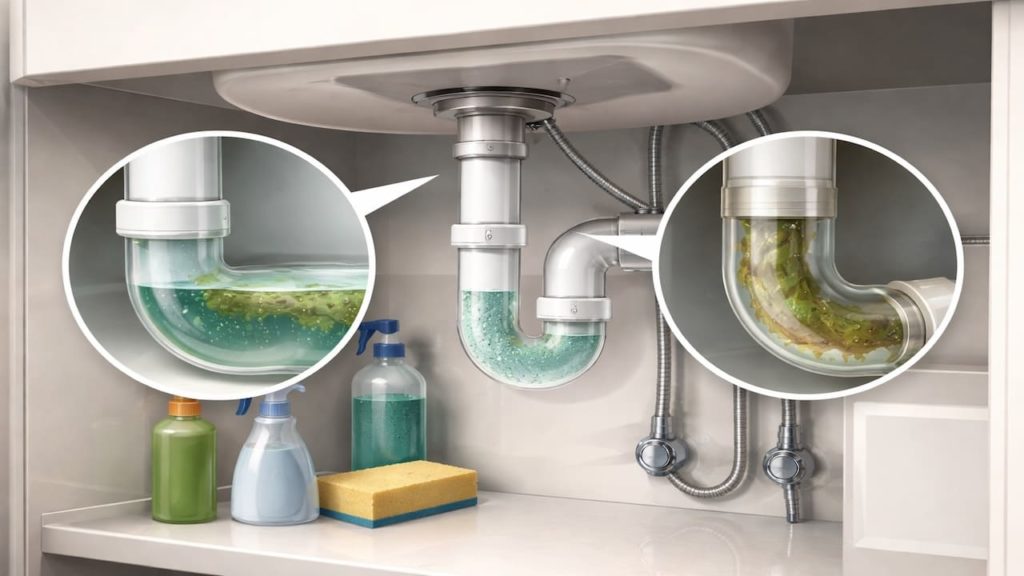
The P trap water seal blocks gases, but it can evaporate in hot rooms or get siphoned by poor flow — common in Malaysia kitchens with strong exhaust fans and dry spells. Biofilm is the second culprit, a thin greasy layer that stinks. Normal.
- Fill sink halfway then release for strong flow
- Pour 1 liter hot water down drain
- Brush inside trap with bottle brush gently
- Clean sink overflow channel with long pipe brush
- Refill trap water after long travel days
“I already flushed water and it still smells” is real. If biofilm remains, water only wets the surface and the odor returns in humid air. Restore the seal and scrub the film, then the smell drops fast.
3. Why sink drains smell in Malaysia homes
Warm damp air accelerates grease rot and bacteria growth.
In Malaysia, warm pipes sit in warm cabinets, and bacteria work nonstop. Condos may have shared stacks that carry odors, while terrace homes often deal with rainwater splash and insects near external drains — the system is always busy. No mystery.
- Grease coats pipes and traps food particles
- Low flow rinses leave residue behind daily
- Dry traps evaporate in hot closed rooms
- Loose joints leak gas into damp cabinets
- Blocked venting pulls trap water out
Yes, sometimes the smell is from the bin or mop drain. But if odor rises strongest right at the sink opening, the drain line is involved. Treat causes, not just air freshener.
4. How to clear the smell and keep it from returning
Clean the line seal the joints and lock in trap water.
Start with low cost steps, then escalate only if odor returns — that keeps budgets sane in Malaysia where small repairs stack up. A basic plumber visit often starts around RM80–RM150, trap replacement can be RM120–RM300, and targeted drain cleaning may run RM200–RM600 depending on access and condo rules. Guardrails. Fix in order.
- Remove trap and wash with soap and hot water
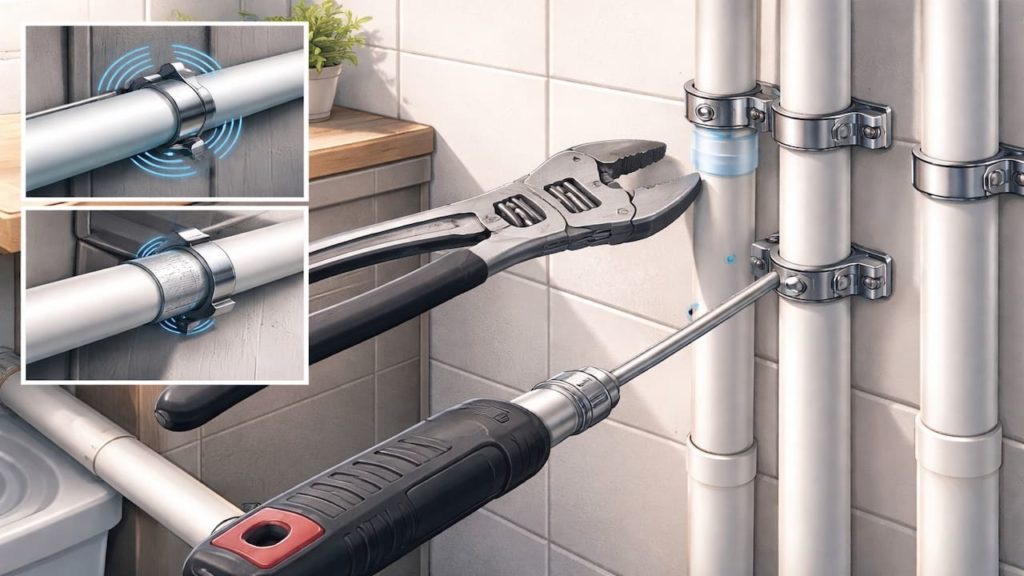
- Replace worn trap washers and tighten slip joints
- Flush pipe with enzyme cleaner overnight regularly
- Seal cabinet gaps around pipe entry with foam
- Schedule vent check if traps keep siphoning
Some people pour strong acid and hope it melts everything. That can damage seals and make leaks worse in humid cabinets. Use cleaning plus sealing, then maintain trap water and flow for long term results.
5. FAQs
Q1. Why does the smell return after I clean the trap?
Biofilm can sit beyond the trap inside the pipe wall, so the odor rebuilds quickly in warm humid air. Run strong flow daily and clean the overflow channel too.
Q2. Is it normal for the sink to smell worse after rain?
It can happen if external drains back up or vents struggle during heavy rain. In terrace homes, longkang odors can drift indoors through weak seals.
Q3. What is the fastest way to confirm a dry trap?
Pour water into the drain and wait 5 minutes, then sniff again. Fresh water seal should reduce sewer odor quickly. If it changes fast, the trap seal was the issue.
Q4. Should I use boiling water every day?
Hot water helps, but boiling water can soften some plastic traps over time. Use hot tap water plus good flow, and focus on scrubbing slime buildup.
Q5. When should I call building management in a condo?
If multiple units smell at the same time, or traps keep siphoning after you fix your sink, the shared vent or stack may be involved. Document timing and share it.
Pro’s Tough Talk

Alright, I’ve been on site for 20+ years and handled hundreds of jobs, and sink drain stink in Malaysia is a classic. Heat cooks the gunk, humidity keeps it alive, and your cabinet becomes a tiny swamp. Facts.
It’s usually 3 causes. One, the trap water dries out or gets siphoned, so gas walks in. Two, biofilm lines the pipe like greasy wallpaper and it rots. Three, a loose joint leaks odor into a damp cabinet. That’s the structure.
Here’s the 3 step move. Step one, force strong flow and confirm where the smell is strongest. Step two, open the trap and scrub slime like you mean it. Step three, tighten or replace washers and keep trap water topped up. Simple.
You didn’t fail and the plumber is not automatically a villain either. Odor stops when the seal and surfaces are truly clean. And if someone tells you to “just spray perfume,” that’s like painting over mold, come on. That’s my jab.
Relatable moment one, the smell hits only at night when the room is closed. Relatable moment two, you leave for 3 days and come back to a swamp burp. Fix the seal, kill the slime, or keep living with eau de longkang. Enjoy.
Summary
Sink drain smell is usually trapped gas from a weak water seal, plus biofilm buildup inside warm pipes. Malaysia humidity makes both problems smell stronger and return faster.
If flushing water helps only briefly, focus on scrubbing the trap and overflow, then sealing joints and improving flow. If traps keep emptying or multiple units smell, escalate to vent or stack checks.
Start today by forcing strong flow, cleaning the trap and overflow, and restoring the water seal before using harsh chemicals. Seal water and remove slime then the smell stays gone. If you also have leaking taps or grout gaps, read those guides next and connect the moisture story.