You searched “repair loose sockets” because the outlet moves when you plug in, the faceplate shifts, and you feel unsafe using it daily.
In Malaysia, humid air, warm walls, and frequent aircon cycles can loosen screws, soften plastic parts, and hide moisture issues inside condo and terrace home walls.
In this guide, you’ll learn how to check a loose socket safely and know when to call an electrician so you avoid shocks, stop heat damage, and fix the real cause.

Hi, I’m Ken. I write practical home guides for Malaysia—no fluff, just what works.
I hold a formal building design qualification and have spent about 20 years on job sites across hundreds of projects. My goal is simple: help you avoid costly mistakes with clear, safe steps—a quick way to decide what to do next.
1. Repair loose sockets: 5 checks
A loose socket is a safety issue not a cosmetic one.
If the outlet moves, the internal contacts can also move and heat up under load — that is where burning smells start. In Malaysia, humidity plus dust can speed up corrosion and arcing. Serious.
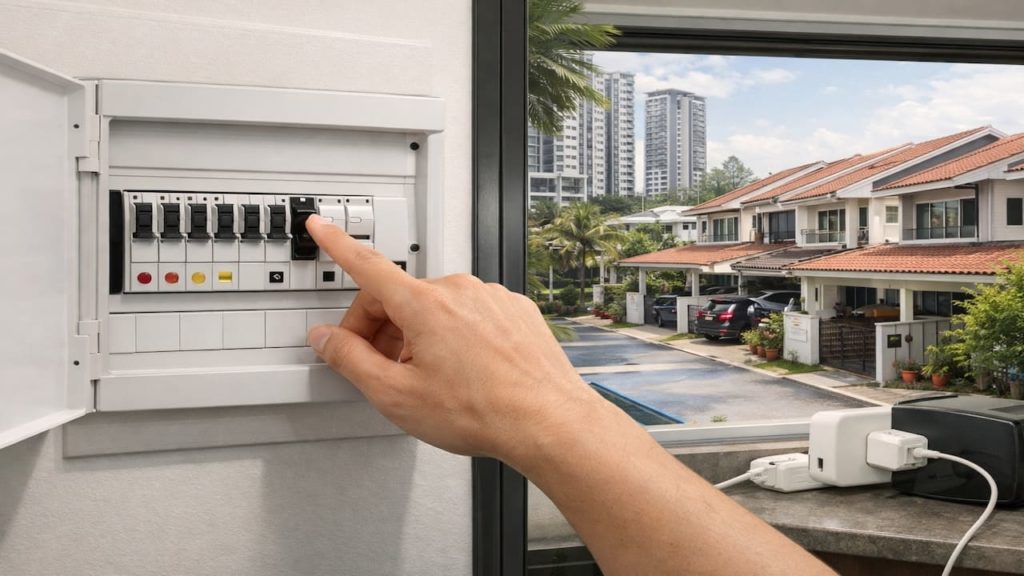
- Switch off main breaker and confirm lights off
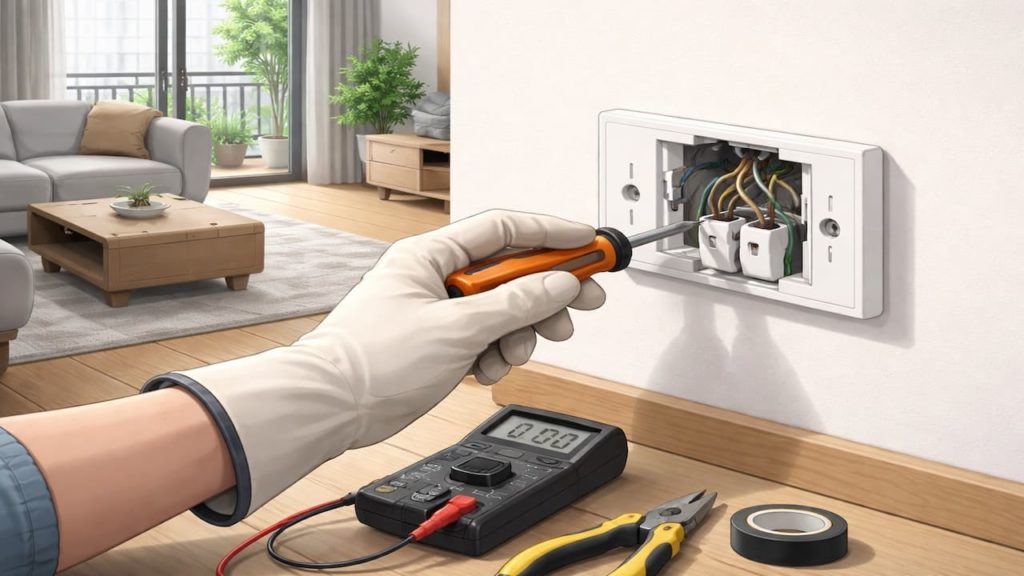
- Test socket dead using simple voltage tester
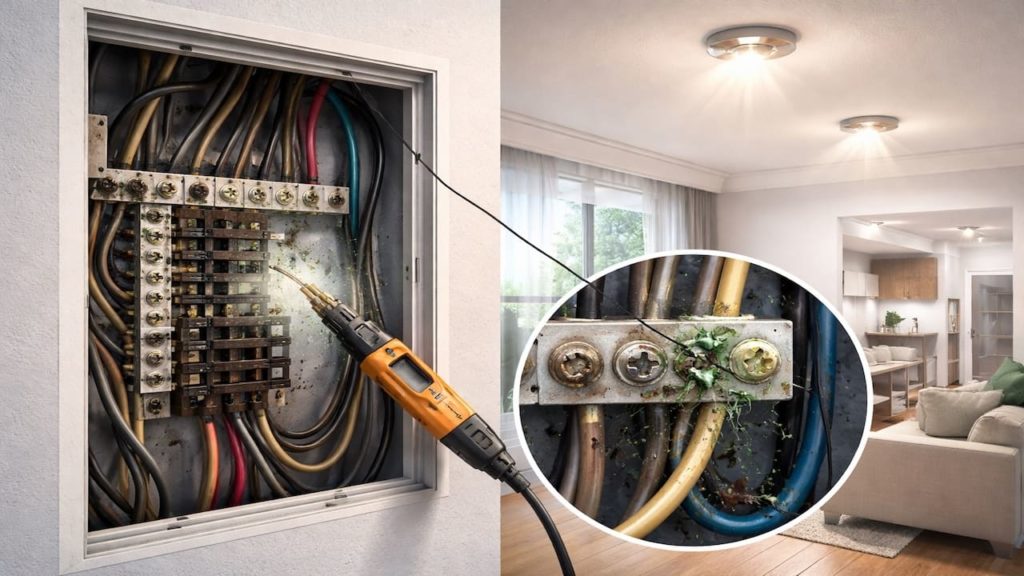
- Check faceplate cracks and scorch marks carefully
- Wiggle outlet gently and note mounting movement
- Smell near socket and note burnt odor
Some people keep using it because “it still works.” Working does not mean safe, and heat damage can build silently. Treat movement as a stop sign, then proceed carefully.
2. Safety first with power off
Power off at the source before you touch anything.
Do not rely on the wall switch alone. In condos and terrace homes, circuits can be shared, mislabeled, or modified, and you can still have live parts behind the plate — always isolate at the consumer unit. Safety first.
- Turn off breaker labeled sockets and verify
- Use non contact tester near outlet face
- Keep hands dry and stand on dry floor
- Remove plug loads from nearby outlets first
- Stop work if you see melted plastic
People say “I’m careful I can do it live.” That is how accidents happen, especially with sweaty hands in Malaysia heat. Cut power, confirm dead, then decide your next step.
3. Why loose sockets happen in Malaysia homes
Humidity vibration and weak fixing points loosen outlets over time.
Many outlets loosen because the mounting box screws strip, the wall plugs crumble, or the back box shifts in soft plaster. Malaysia moisture can soften old plasterboard edges and encourage rust on screws, so the plate never stays tight. Movement.
- Check stripped screw holes in mounting box
- Inspect back box stability inside wall opening
- Look for rust on screws and metal parts
- Check nearby damp wall paint or stains
- Note heavy plug usage from adapters and chargers
Yes, sometimes it is just a loose faceplate. But a moving outlet can also mean the box is failing or the wall is damp behind it. Find the root cause, then the fix lasts.
4. How to secure it and decide on electrician help
If there is heat smell scorch marks or unsure wiring call licensed electrician.
Start with safe inspection, then choose the lowest risk solution. In Malaysia, an electrician call out can start around RM80–RM150, simple tightening or re-fixing may land around RM80–RM200, and replacing a damaged socket or back box can run RM120–RM350 depending on parts and access. If there is melted wiring or repeated tripping, costs climb. Guardrails.
- Replace cracked faceplate and tighten mounting screws
- Install new wall box and secure to stud
- Use proper wall plugs for masonry walls
- Reduce adapter loads and use quality power strip
- Book electrician if breaker trips or sparks
Some people try to “jam paper” or wedge the plate tight. That is unsafe and can worsen heat buildup behind the outlet. Secure the box properly, keep loads reasonable, and call a pro when heat or wiring doubt appears.
5. FAQs
Q1. Is a loose socket dangerous even if nothing sparks?
Yes. Loose contacts can heat up quietly and damage insulation over time. If the outlet moves, stop using it until it is secured.
Q2. Why does my plug feel hot at the socket?
Heat usually means resistance from loose contacts, corrosion, or overloaded adapters. Turn off power and get it checked before it worsens.
Q3. Can I just tighten the screws and be done?
Sometimes, if the box and threads are healthy and there are no scorch signs. Heat marks mean stop and call electrician. Loose again later suggests stripped holes or moisture.
Q4. What if the wall around the socket feels damp?
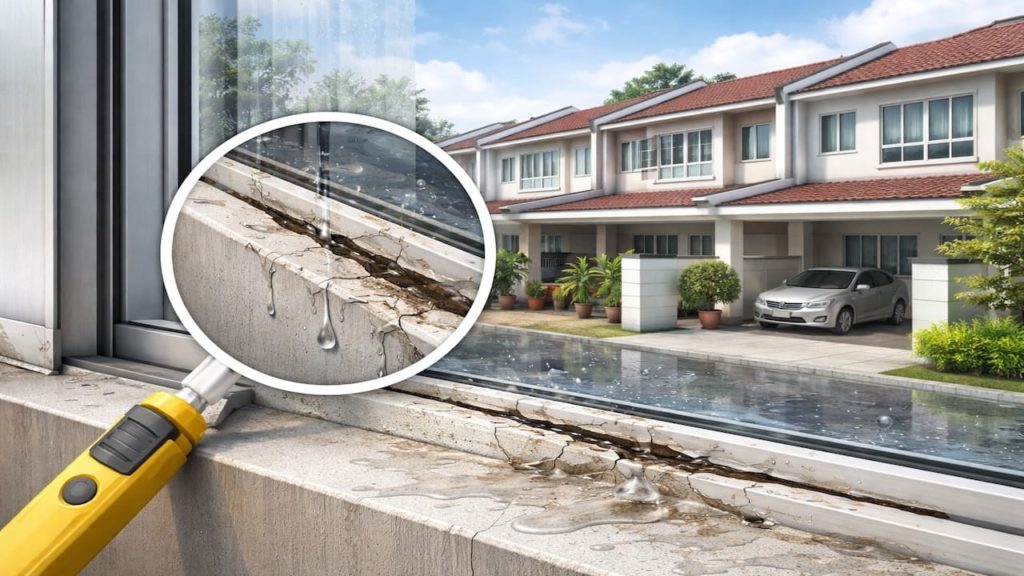
That can point to condensation, window leaks, or plumbing seepage behind the wall. Fix moisture first or the socket area will keep degrading.
Q5. Should I upgrade outlets in older homes?
It can help if plastics are brittle or contacts are worn, especially in humid Malaysia conditions. Upgrade when parts look aged, and confirm proper earthing.
Pro’s Tough Talk

Alright, I’ve been on site for 20+ years and handled hundreds of jobs, and loose sockets in Malaysia are not “small annoyances.” Humidity plus heavy plug loads turns tiny looseness into heat fast. This one can bite.
Three causes show up nonstop. One, stripped screw holes so the outlet floats in the wall. Two, corrosion and dust making contact resistance higher. Three, people stacking adapters like a tower, then yanking plugs daily. That’s the structure.
Do 3 steps and don’t play hero. Step one, kill power at the breaker and confirm dead with a tester. Step two, inspect for scorch smell melt marks and damp signs around the box. Step three, if anything looks off, book a licensed electrician and stop using that outlet. Simple.
You didn’t fail and not every contractor is evil, but electricity doesn’t care about optimism. Loose plus heat equals damage fast. And anyone saying “just wiggle it until it works” is basically recommending you high five a toaster in the rain. That’s my jab.
Relatable moment one, your phone charger only works at a weird angle. Relatable moment two, you hear a tiny crackle and pretend it was outside. Fix it now, or your wall will start doing its own barbecue show. Enjoy.
Summary
Loose sockets are usually caused by failing mounting points, corrosion, or heavy plug loads, and Malaysia humidity can speed up wear and heat buildup. Treat movement as a safety warning.
If there are scorch marks, burnt smell, hot plugs, or breaker trips, stop using the outlet and call a licensed electrician. If it is only a loose plate with solid box fixing, secure it properly and reduce adapter stacking.
Today, switch off power, confirm the outlet is dead, check for heat and damp signs, then choose the lowest risk fix with a pro when needed. Power off and heat check first every time. If you also have wall cracks or musty closets, read those guides next and connect the moisture chain.