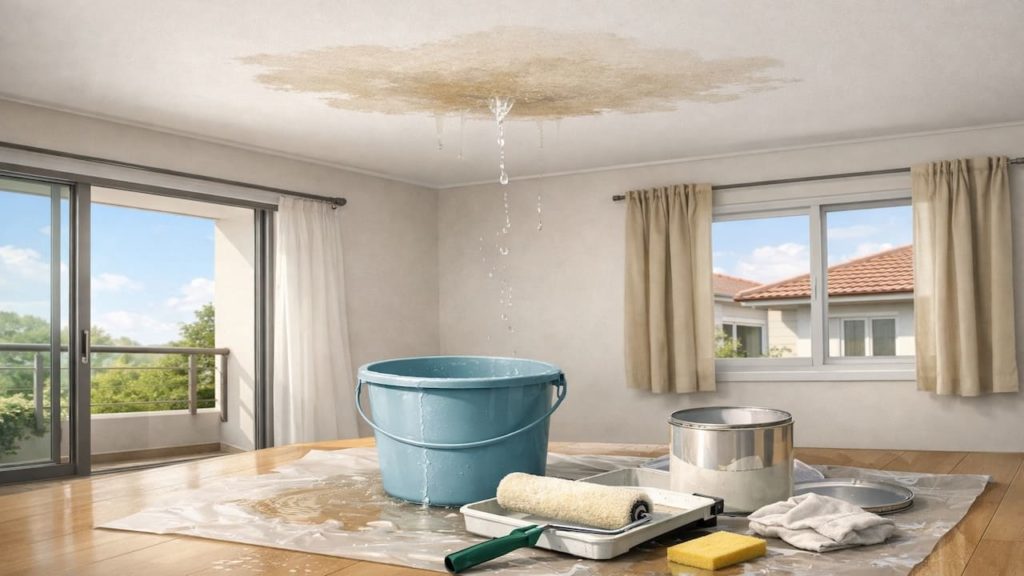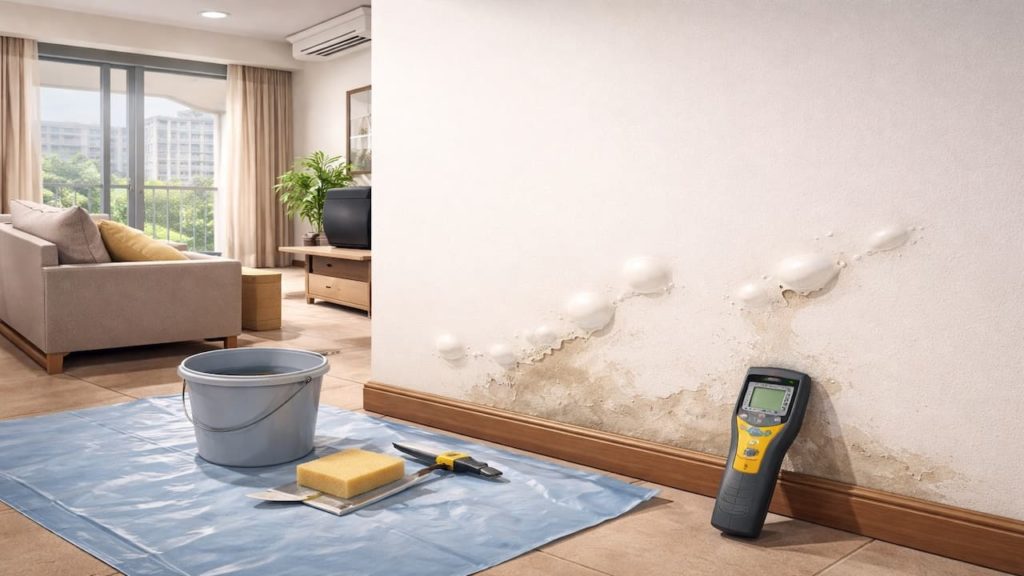
You searched “repair paint bubbles” because the wall paint is blistering, peeling in round patches, or feels soft when you press it, even though the room looks clean.
In Malaysia, condos see humidity swings, rain-driven seepage, and hidden plumbing runs, so moisture can sit behind paint and push it off slowly. Common.
In this guide, you’ll learn how to confirm moisture behind the wall before you repaint so the bubbles stop returning and your repair actually lasts.

Hi, I’m Ken. I write practical home guides for Malaysia—no fluff, just what works.
I hold a formal building design qualification and have spent about 20 years on job sites across hundreds of projects. My goal is simple: help you avoid costly mistakes with clear, safe steps—a quick way to decide what to do next.
1. Repair paint bubbles: 5 checks
Paint bubbles mean adhesion failed because moisture or salts are active.
Blisters happen when water vapor pushes from behind, or when trapped moisture breaks the bond between paint and plaster. In Malaysia condos, the source can be next door, above, or a facade crack — sneaky. Signal.
- Press bubble and check if water seeps out
- Scrape small area and inspect damp plaster color
- Check if bubbles cluster near corners or skirting
- Smell wall after room closed overnight
- Check ceiling line above bubble zone for stains
Some people sand and repaint immediately because it looks easy. If moisture is still present, new paint will blister again, so confirm dryness before cosmetic work.
2. Moisture behind walls in condos
Condo walls can get wet from shared systems and exterior seepage.
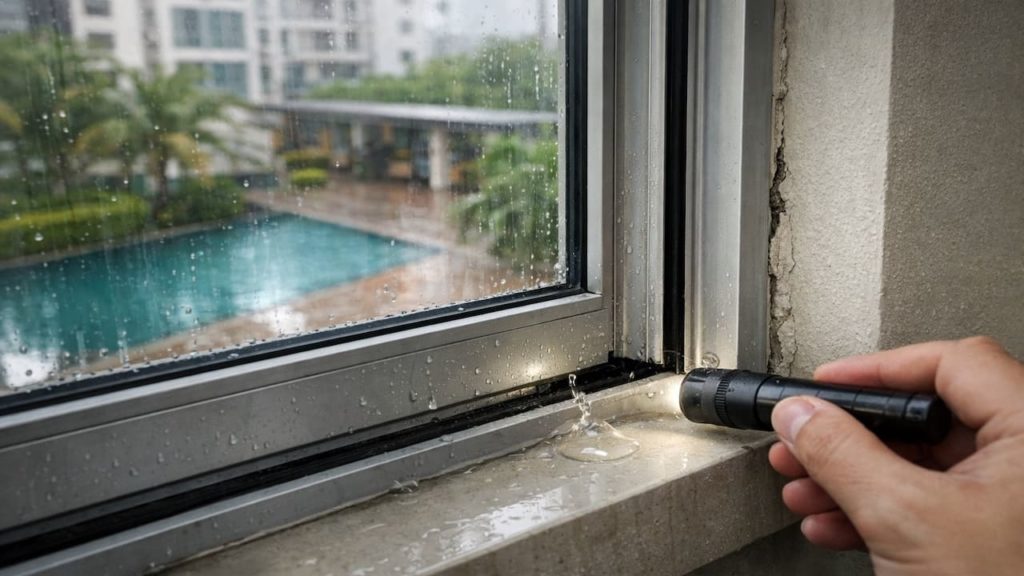
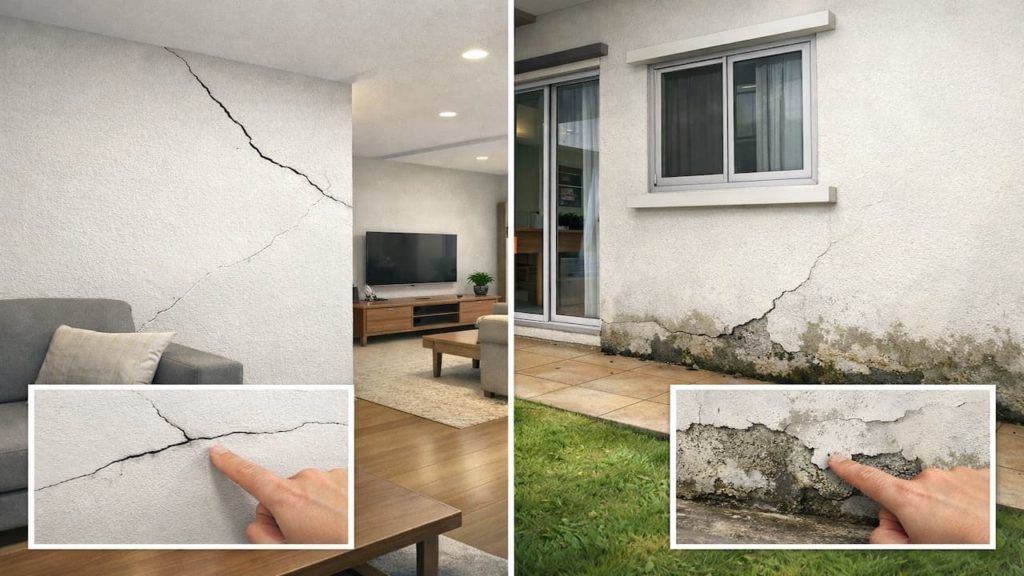
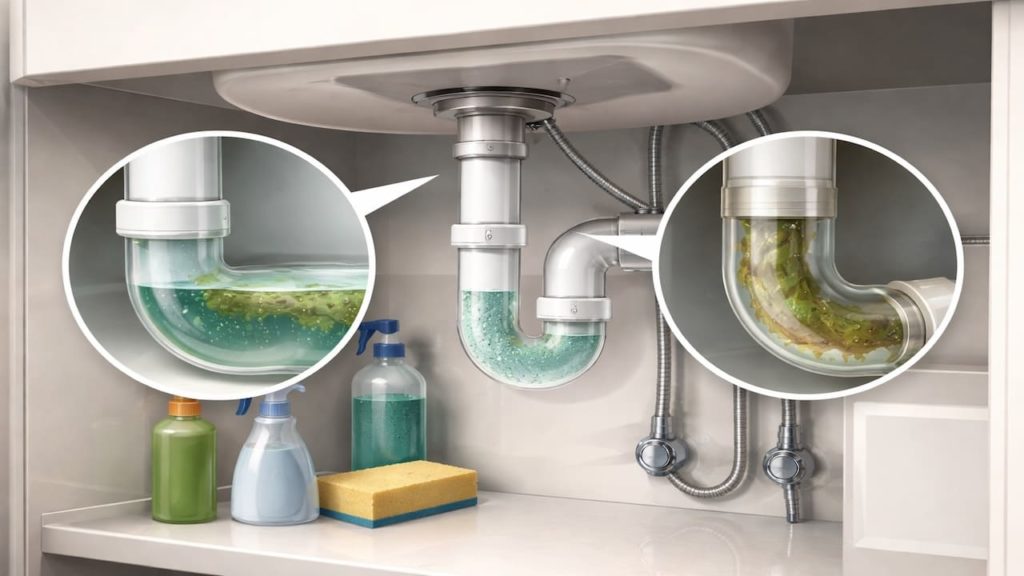
Moisture may come from a bathroom on the other side, a riser pipe chase, roof or balcony waterproofing, or rain pushing through window and facade joints. In Malaysia, warm humid air also condenses on cooler walls when AC runs — subtle. Pathways.
- Check opposite wall side for bathroom fixtures nearby
- Ask if upstairs unit had recent plumbing work
- Inspect window frame sealant and corner joints
- Check balcony edge and slab joint for seep marks
- Look for AC condensation drip wetting wall cavity
Some think “my unit is dry so it can’t be water.” Shared walls are shared problems, and water travels inside cavities, so trace the pathway, not just your room.
3. Why paint blisters show up fast in Malaysia condos
Humidity and AC cycles trap moisture and create vapor pressure.
When AC cools a room, wall surfaces can become cooler than moist air, leading to condensation inside or on the wall layer. Add small seepage or salts and paint loses grip. Condos with tight ventilation and shaded facades see it more. Pattern.
- Check if bubbles worsen after long AC nights
- Measure room humidity using small digital hygrometer
- Look for white salt powder under scraped paint
- Inspect for damp smell inside wardrobes on that wall
- Check if rain days trigger new blister spots
Some blame cheap paint only. Paint quality matters, but even premium paint fails when moisture and salts are pushing from behind. Source control wins.
4. How to fix paint bubbles and what it may cost
Stop moisture first then rebuild the wall layers correctly.
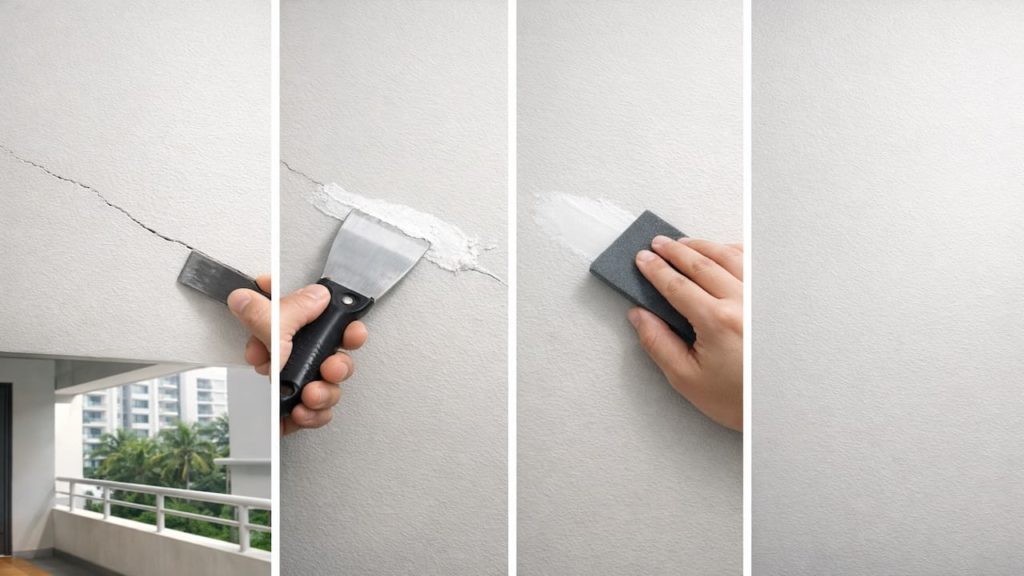
Work in order — find and stop the moisture source, dry the wall deeply, remove loose paint and weak plaster, then prime and repaint using the right breathable system. In Malaysia, small patch and repaint might be RM150–RM500, leak tracing and localized sealing can be RM350–RM1,200, and bigger fixes like window reseal or waterproofing repairs may run RM800–RM4,000 depending on access and the condo’s scope. Cost guardrails.
- Fix leak source at joints pipes or window seals
- Dry wall using fan and dehumidifier for days
- Scrape loose paint and remove powdery plaster
- Apply alkali resistant sealer primer before paint
- Repaint with breathable interior paint for humid rooms
Some people use thick waterproof paint inside to hide stains. That can trap moisture and worsen blistering later. Let the wall breathe after the source is stopped.
5. FAQs
Q1. Can I repaint right after scraping bubbles?
Only if the plaster is fully dry and there is no damp smell, cool patch, or powdery salts. If unsure, dry longer and test again.
Q2. Why do bubbles appear near skirting boards?
Moisture can rise from floor junctions, leaks behind cabinets, or condensation collecting at the cooler base area. Check for damp lines and soft skirting.
Q3. What does white powder under paint mean?
It is often salts migrating through damp plaster, which ruins paint adhesion. Salts mean moisture is still moving through the wall. Treat source and seal properly.
Q4. Could the neighbor unit cause my paint bubbles?
Yes, shared walls can transmit leaks from their bathroom, pipes, or balcony. Ask about recent renovations and check opposite side wet zones.
Q5. When should I involve building management?
If the moisture comes from facade, roof, balcony slab, or shared riser pipes. Document photos and dates, because condo common area issues need management action.
Pro’s Tough Talk

Alright, I’ve been on site for 20+ years and handled hundreds of jobs, and paint bubbles in Malaysia condos are never just “bad paint.” The wall is wet or salty, and the paint is just the messenger getting slapped. Classic.
Three causes show up nonstop. One, hidden leaks from bathrooms, risers, or neighbors, water travels inside cavities like a sneaky snake. Two, rain seepage through facade joints and window corners, especially after storms. Three, AC cycles causing condensation on cooler walls, then moisture gets trapped behind paint. Structure.
Do 3 steps, no drama. Step one, scrape a small test spot and sniff and feel for damp, cool patches, and white salts. Step two, trace the pathway, check opposite wall wet zones, window seals, balcony edges, and ask about upstairs work. Step three, stop the source, dry for days, then prime with the right sealer and repaint breathable. Simple.
You didn’t fail and not every painter is a scammer, but don’t do the dumb loop of repainting every 2 months like it’s a hobby. Stop moisture then rebuild layers or bubbles return. Anyone saying “just add thicker paint” is selling you a bigger blister later. That’s my jab.
Relatable moment one, you patch it nicely and feel proud, then rainy week hits and it pops again. Relatable moment two, you push the bubble and it squishes like a sad marshmallow. Keep ignoring the moisture source and your wall will keep doing bubble wrap impressions for free. Enjoy.
Summary
Paint bubbles happen because moisture or salts are active behind the wall, and Malaysia condo conditions like rain seepage, shared plumbing, and AC condensation make it common. The paint is the symptom.
Confirm dampness by scraping and checking smell, temperature, and white salts, then trace the pathway through windows, balconies, risers, and neighbor wet zones. Only repaint after the wall is truly dry and sealed correctly.
Today, test a small area, identify the moisture route, dry the wall deeply, then prime and repaint with a breathable system. Source control is the only permanent bubble fix. If you also have wet wall smells or window leaks, read those guides next and close the moisture loop fully.