You searched “repair roof leak drip” because you saw water dripping, stains spreading, or a wet patch after a storm and you want it stopped fast.
In Malaysia, heavy rain bursts and wind driven splash push water into tiny roof gaps, then humidity slows drying so one storm can look like a week of damage.
In this guide, you’ll learn how to find roof entry points after storms and stop drips safely so you avoid bigger ceiling damage and you do not chase the wrong spot.

Hi, I’m Ken. I write practical home guides for Malaysia—no fluff, just what works.
I hold a formal building design qualification and have spent about 20 years on job sites across hundreds of projects. My goal is simple: help you avoid costly mistakes with clear, safe steps—a quick way to decide what to do next.
1. Repair roof leak drip: 5 checks
Track the drip timing and location before you patch.
Roof leaks rarely drip straight down from the entry point. Water travels along rafters and sheets, then drops at the lowest point, so you need a simple mapping approach in Malaysia storm conditions. Evidence.
- Mark drip spot on ceiling with tape
- Check stain grows after rain not daily use
- Look for wet patch edges and yellow rings
- Inspect attic access for wet rafters and trails
- Photograph roof area right after storm ends
Some people seal the ceiling stain. That hides it and traps moisture, then the plaster softens. Find the roof entry first, then repair once.
2. Find entry points after storms
Wind driven rain enters at edges joints and penetrations.
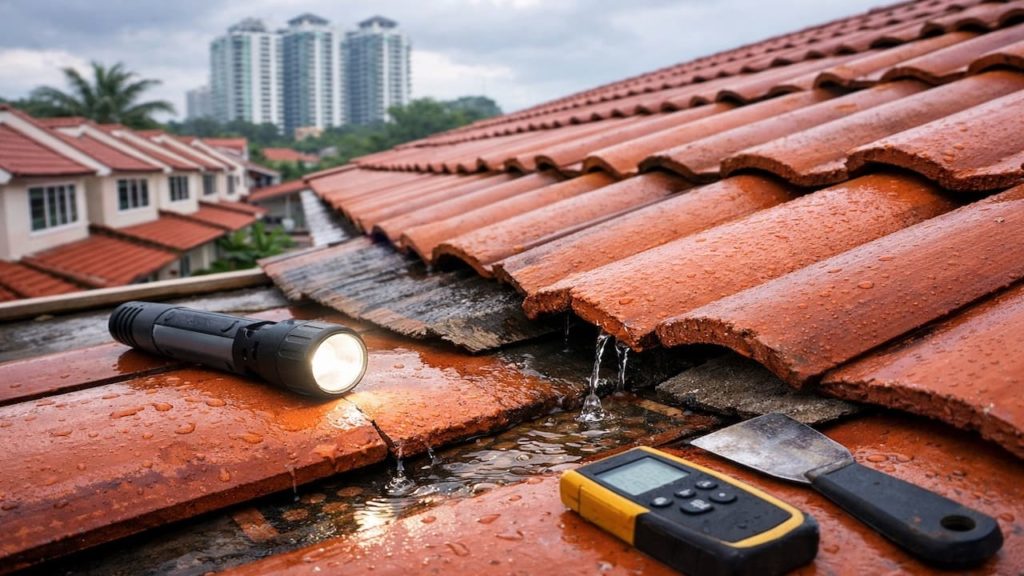
Storm leaks often come from ridge caps, flashing, valleys, and any penetration like pipes and AC lines. In Malaysia, sudden downpours and gusts can force water uphill under sheets or tiles. Sneaky.
- Check ridge cap joints for lifted edges
- Inspect valley channels for leaves and blockage
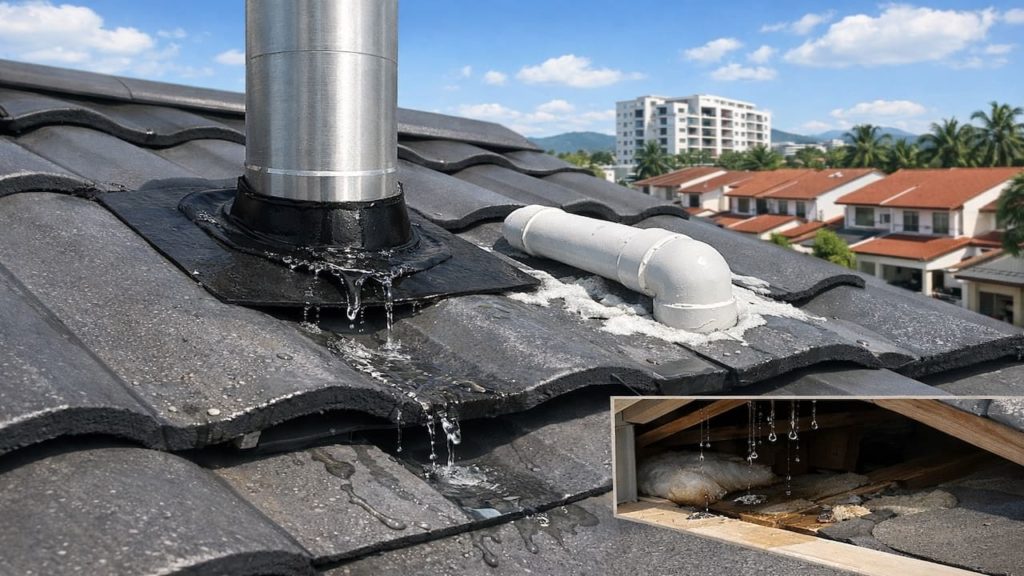
- Look at flashing around pipe and vent boots
- Check gutter overflow marks near eaves line
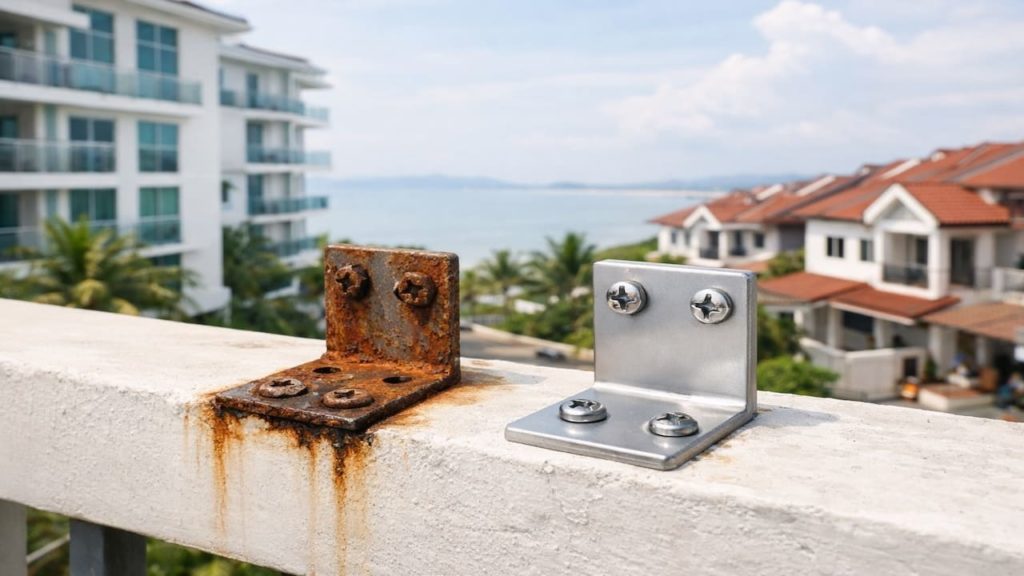
- Inspect roof screws and washers for deterioration
You might think “the leak is above the stain.” Often wrong, because water travels sideways first. Focus on likely entry zones up slope and near roof edges.
3. Why roof drips are common in Malaysia homes
Storm intensity and heat cycles degrade seals and fasteners.
Sun bakes sealants, then storms hit hard, and fasteners loosen with expansion and contraction. Add moss and debris in gutters and valleys, and water backs up under tiles or sheets. Malaysia conditions accelerate wear. Reality.
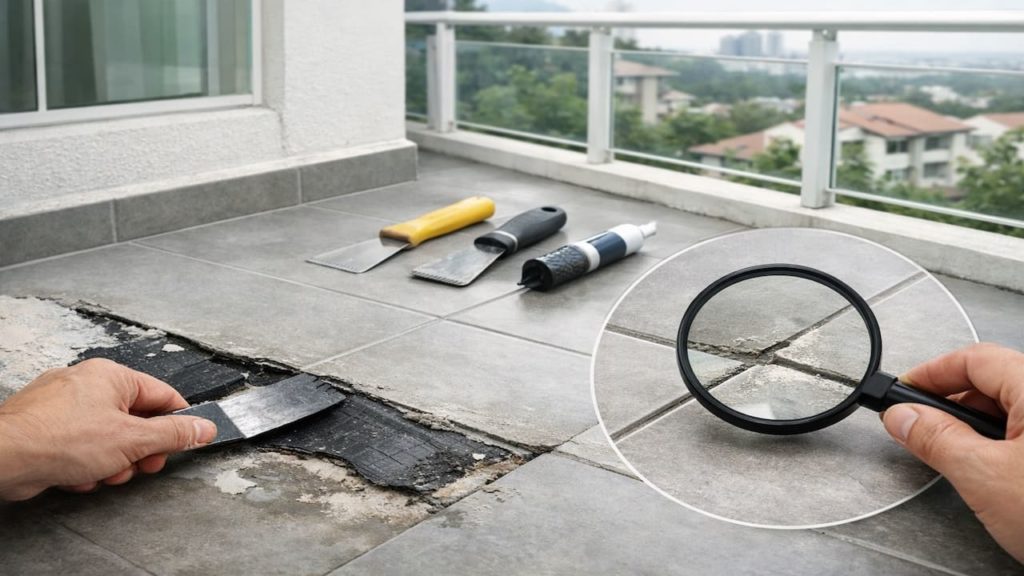
- Check roof surface for cracked sealant lines
- Inspect eaves for rot or soft fascia boards
- Look for ants or insects nesting in gaps
- Check ceiling for musty smell after rain week
- Observe if leaks happen only in strong wind
Some blame the contractor immediately. Sometimes workmanship is bad, but many leaks are simple maintenance issues like blocked valleys and perished washers. Fixable.
4. How to stop drips and plan repairs without overspending
Use temporary control then repair flashing and fasteners properly.
Safety matters, so avoid risky roof climbs during storms. In Malaysia, a basic roof inspection can start around RM150–RM400, minor patching or replacing screws and washers might be RM200–RM800, and more serious flashing or valley repair can run RM800–RM3,000 depending on access and roof type. Guardrails. Fix the entry point, not the ceiling stain.
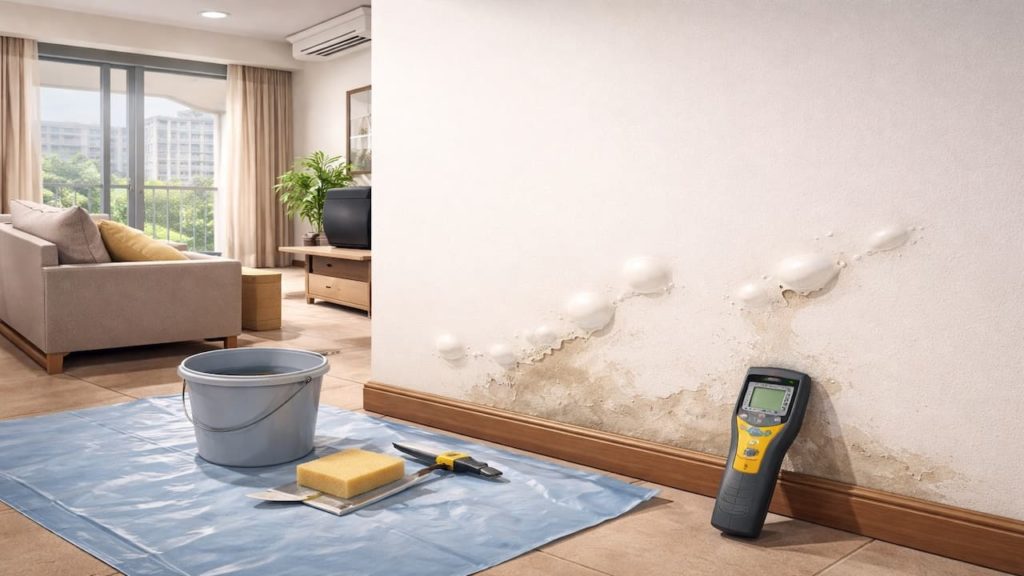
- Place bucket and protect floor with plastic sheet
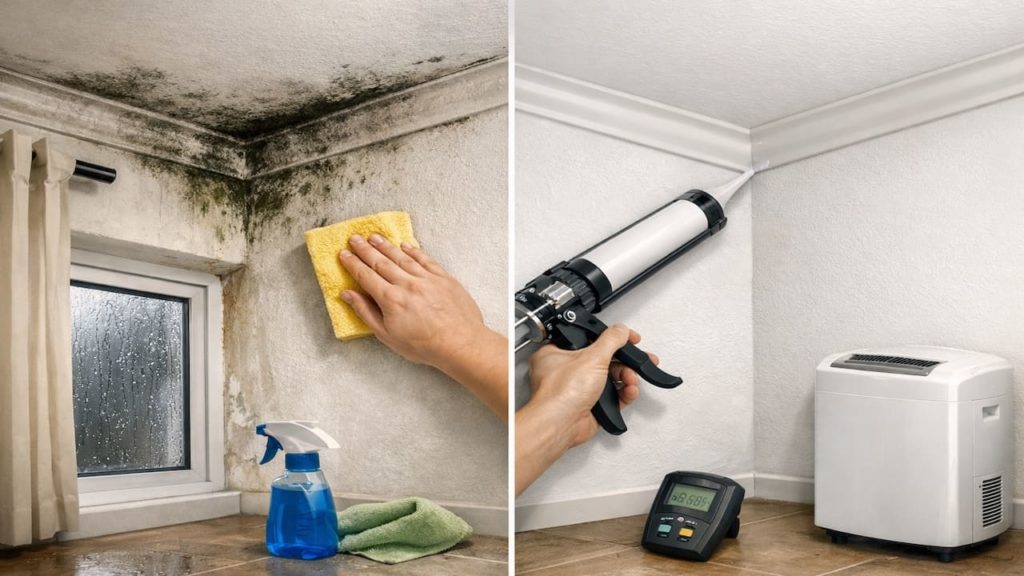
- Dry ceiling area using fan and dehumidifier
- Clear gutters and valley debris after rain stops
- Replace perished washers and tighten loose screws
- Reseal flashing joints using proper roof sealant
Some people smear random silicone everywhere. That often fails in sun and traps water paths, and later repairs cost more. Use targeted repairs and proper materials.
5. FAQs
Q1. Why does the leak only happen during heavy storms?
Wind driven rain and high volume runoff can force water into small gaps that stay dry in light rain. Those leaks often point to flashing, ridge caps, or overflowing gutters.
Q2. Can I patch the roof from inside the attic?
It can help as a temporary measure, but the best fix is still from the exterior entry point. Water pressure and flow will keep finding paths until the outside is sealed properly.
Q3. Is it safe to go on the roof after rain?
Wet roofs are slippery and dangerous, especially in Malaysia humidity. Safety beats speed for roof work. If you cannot access safely, call a professional.
Q4. What should I do about the ceiling stain?
Dry it first and make sure the leak is fixed before repainting. If plaster is soft or sagging, it may need replacement after drying.
Q5. When do I need a full roof replacement?
If leaks appear in multiple areas, metal sheets are badly rusted, or tiles are broadly damaged. Otherwise, targeted flashing and fastener repairs often solve single point leaks.
Pro’s Tough Talk

Alright, I’ve been on site for 20+ years and handled hundreds of jobs, and roof drips in Malaysia after storms are like a prank. You see a drip in the living room and you think the hole is right above it, then the water laughs and runs sideways first.
Three causes show up nonstop. One, blocked valleys and gutters, water backs up and sneaks under edges. Two, flashing and ridge joints crack from sun heat, then storm wind pushes water in. Three, roof screws and washers age out and stop sealing. That’s the structure.
Do 3 steps, calm. Step one, map the drip spot, then look upslope and near edges, not just above. Step two, clear debris and check obvious entry points after the storm ends. Step three, replace washers and repair flashing properly, or call a pro if access is risky. Simple.
You didn’t fail and not every roofer is a villain, but don’t smear random silicone like you’re frosting a cake. Fix entry points not the ceiling stain. Anyone selling you “quick patch forever” is selling tape for a submarine hatch. That’s my jab.
Relatable moment one, it leaks only at 2 a.m. during the loudest rain. Relatable moment two, you put a bucket and still miss it by 5 cm. Fix it right, or your ceiling will keep doing water features like a resort fountain. Enjoy.
Summary
Roof leak drips usually come from storm entry points like flashing, ridge joints, valleys, gutters, or aged fasteners, and Malaysia rain intensity makes small gaps leak fast. Water travels before it drips.
If leaks happen only during heavy wind and storms, focus on edges, ridge caps, flashing, and overflow paths, then repair with proper washers and sealants. If leaks appear in multiple zones or the roof is unsafe to access, book a professional inspection before damage spreads.
Today, protect the room, map the drip, check upslope entry points after the storm, and clear valleys and gutters before doing targeted repairs. Find the entry then fix once and it stops. If you also have peeling ceilings or wall cracks, read those guides next and connect the moisture chain.